
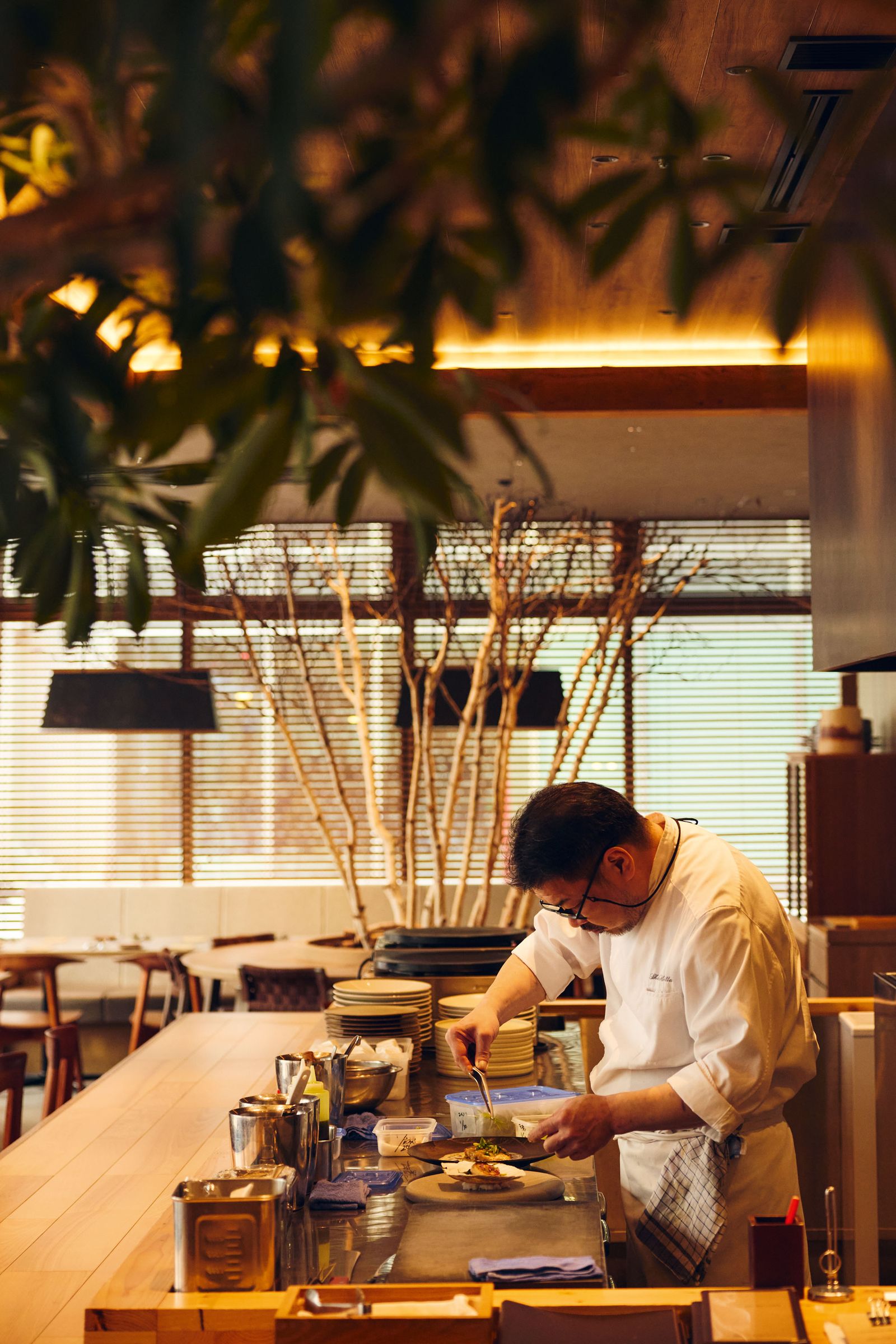
Chef at the pass at Cuisine Kamuy
Graydon Herriott
While the food scene in Sapporo – and Hokkaido at large – can’t match the culinary heights reached at Tokyo’s top sushi counters or Kyoto’s hushed kaiseki pavilions, its unique eating moments are often much more fun. The region is home to Japan’s strangest and most fascinating food culture, as well as the country’s most exciting wine scene. These are my top 10 picks.
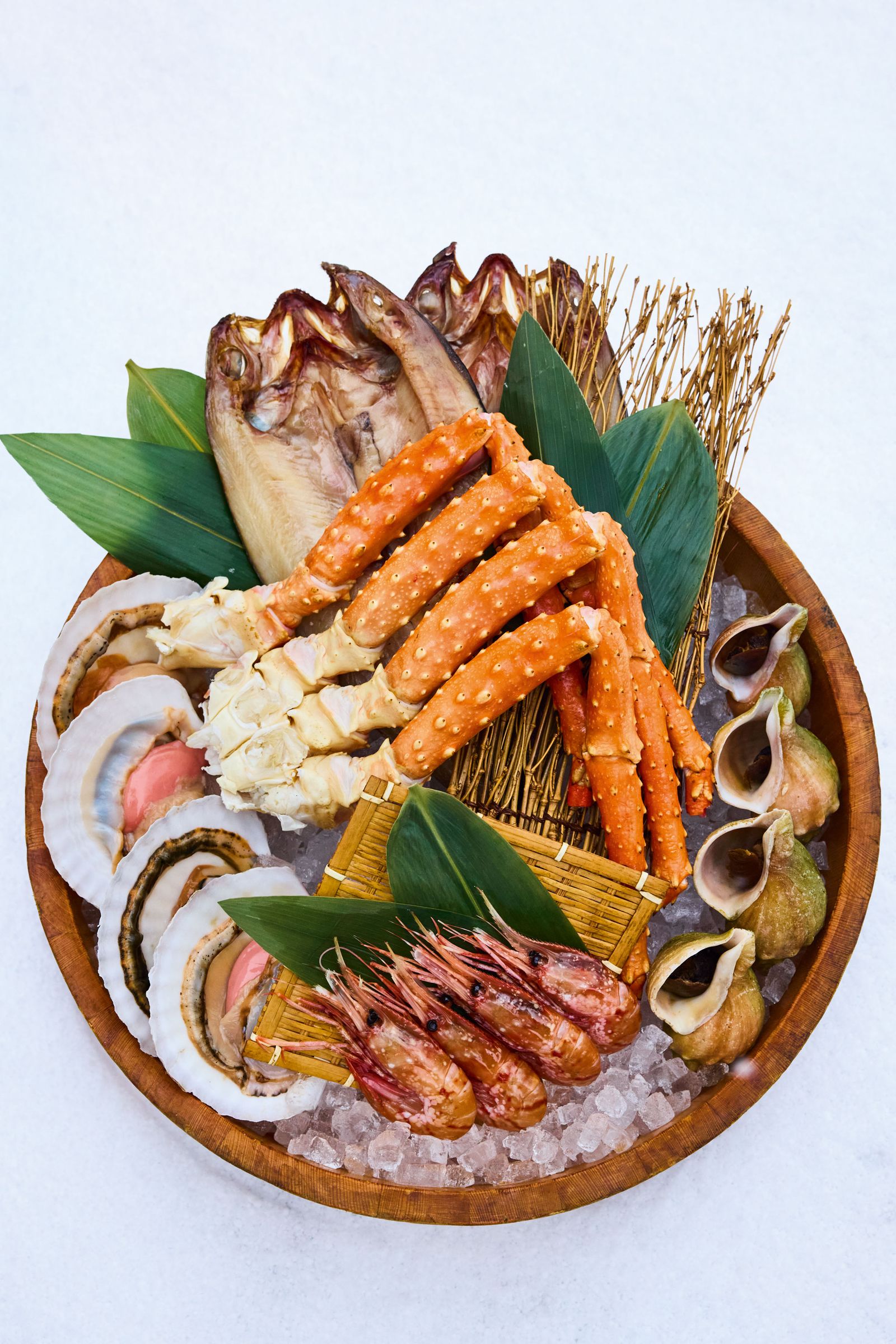
Seafood platter at Noa Hakobune
Graydon Herriott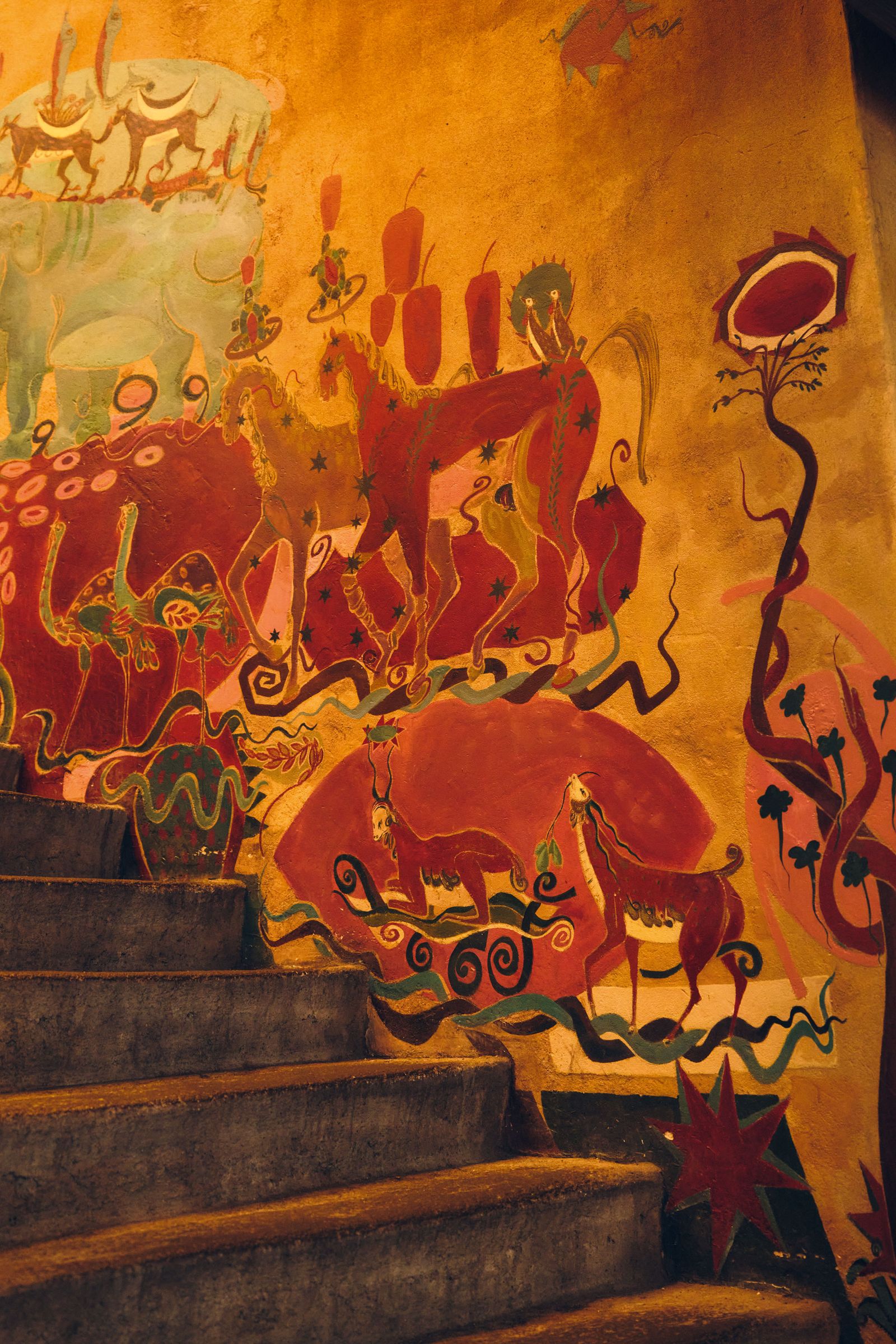
Painted wall at Noa Hakobune
Graydon Herriott1. Noa Hakobune, Sapporo
This restaurant – whose name translates as Noah’s Ark – epitomises the strangeness of eating in Sapporo. Autumn’s scarlet and gold was fading from the mountains encircling the city as I sat with a small group of diners around a heavy wooden table with a charcoal grill in the middle and watched a chef cook channel rockfish over the coals. This northern Japanese delicacy is prized for its meltingly sweet flesh, which takes on a light pink colour because of the rockfish’s shrimp-heavy diet. Over the course of the rest of a long, strange night, the chef used the small grill to sear a nature film’s worth of seafood – mackerel, king crab, live abalone and fat scallops – plating and serving it with the practised flourish of a drill sergeant. Hokkaido’s fishermen forged this style of cooking over coals, known as robatayaki, during long days at sea, and for its strong flavours and sheer spectacle it has little in the way of domestic competition. But what gave this meal its surreal edge is that we ate it inside possibly the weirdest building in all of Japan: a brutalist concrete take on Noah’s Ark designed by the British architect Nigel Coates. Inside, the rooms look moulded out of adobe and murals tell the story of Noah and his animals, and, for some reason, depict Greek myths.
Address: 4 Chome Minami 8 Jonishi, Chuo Ward, Sapporo, Hokkaido 064-0808, Japan
Website: noa-hakobune.com
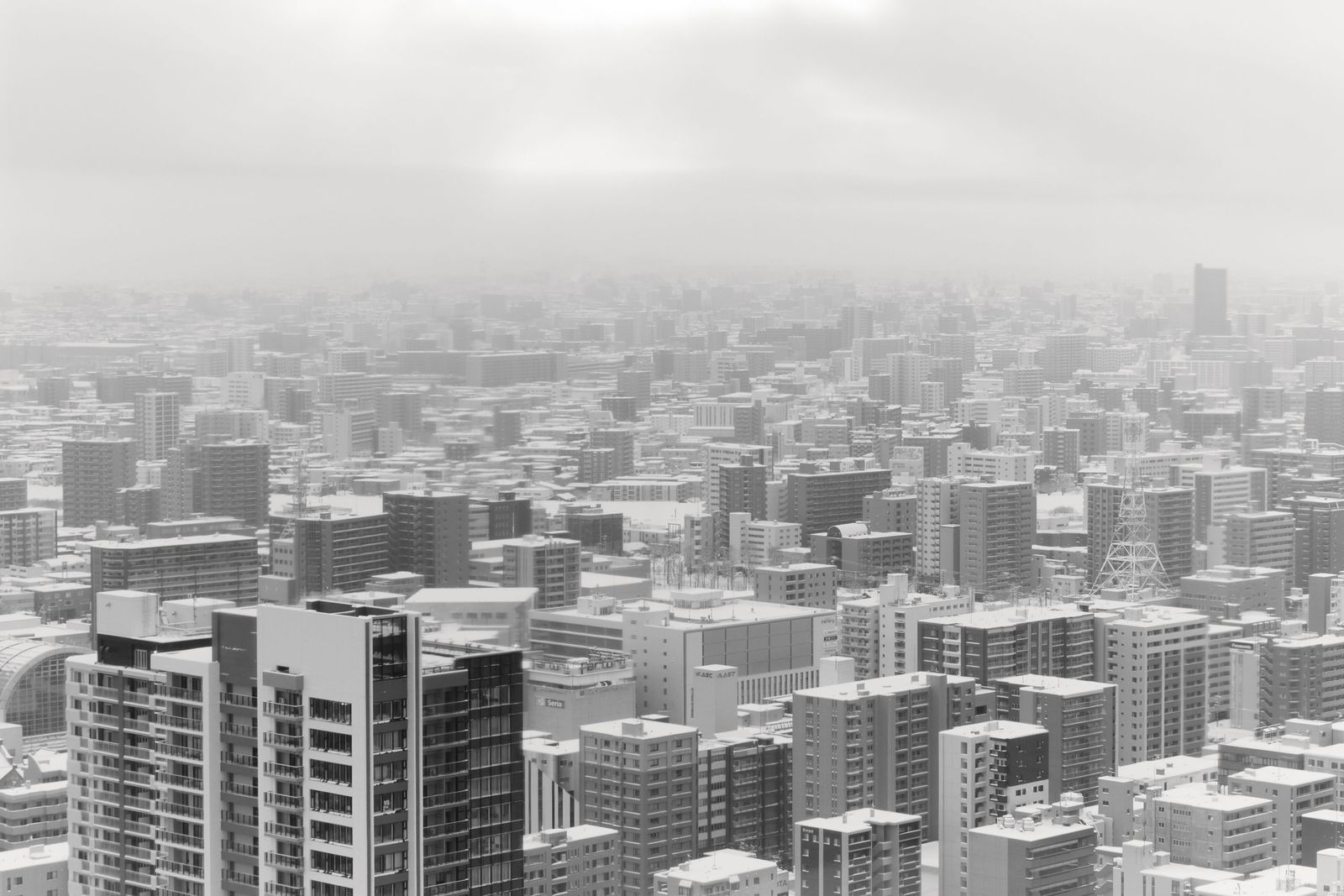
View of Sapporo
Graydon Herriott2. Cucina Italiana Magari, Sapporo
During my first meal at Cucina Italiana Magari, one of the city’s indispensable fine dining experiences, my partner Elijah and I sat alone at a tiny counter amid the hacienda-style decor and watched chef Teruki Miyashita and two assistants prepare dinner. Miyashita has worked in Italy, but the first course, a plate of figs and prosciutto, was as close as the meal got to Italian cooking. Next was a dish of delectable grilled seafood with the consistency of oysters. After some awkward translation, we learned we were enjoying milt: cod sperm sac. This was followed by a country mackerel pâté, then a cream-based soup reminiscent of New England clam chowder. Instead of clams, though, it was loaded with mantis shrimp, a local carnivorous crustacean; more milt; and fugu, the potentially lethal blowfish that requires a licence to prepare, all under generous shavings of Parmigiano Reggiano. We chased it with glasses of white Burgundy from the long, almost entirely French wine list. It’s difficult to imagine Magari existing in any other city.
Address: NEO Bldg 1F, 14-1-14 Odorinishi, Chuoku, Sapporo, Hokkaido
Website: myconciergejapan.com
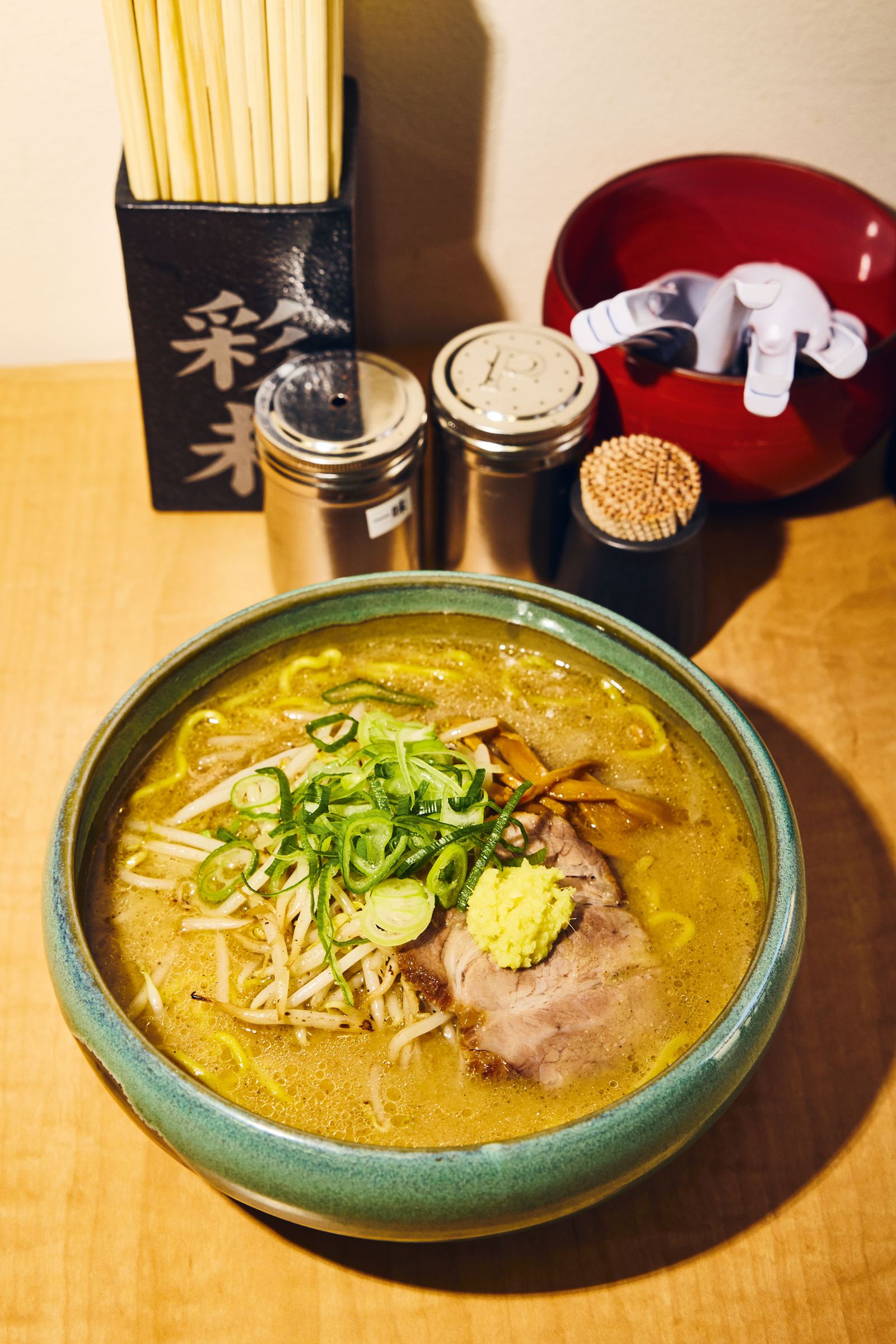
Bowl of ramen at Menya Saimi
Graydon Herriott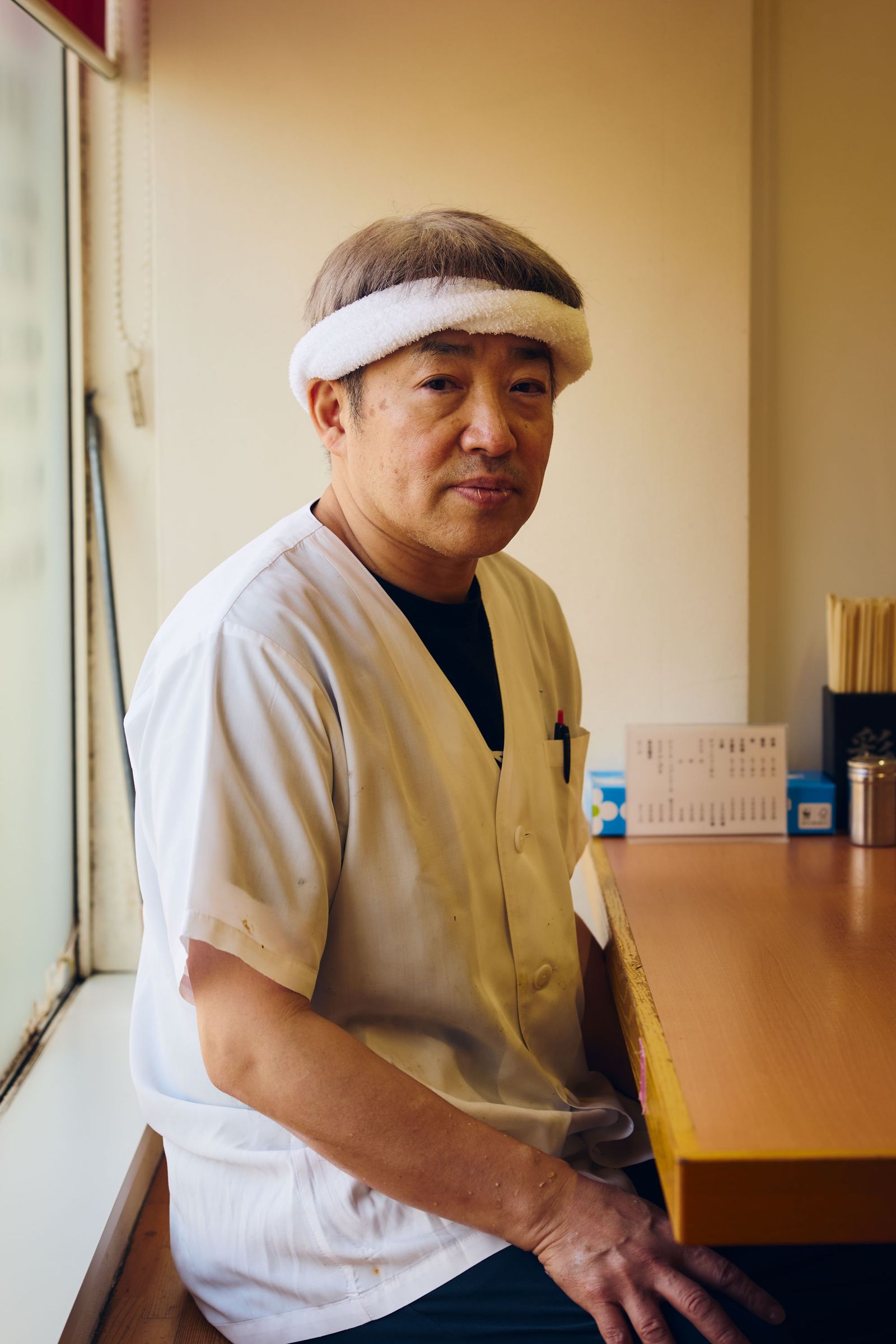
Menya Saimi’s owner, Masahiko Oku
Graydon Herriott3. Menya Saimi, Sapporo
Sapporo’s best-known dish is miso ramen, which is said to have originated in the city sometime after the Second World War. The most famous place to sample it is “Ramen Alley”, a cluster of 17 restaurants in Susukino, a beehive-busy neighbourhood. But my interpreter and guide, Alex Kotchev, a Bulgarian who has spent more than two decades living and eating in Sapporo, and whose devotion to the noodle soup borders on the religious, steered me to Saimi, a restaurant in a sleepy residential neighbourhood a 20-minute train ride from the city centre. We waited in line for 45 minutes in pelting rain before being escorted to a space that looked like a school canteen, with scuffed linoleum floors, fluorescent lighting and a loud, bustling kitchen. The decor seemed to say that nothing was on offer here except the ramen – and it was worth suffering for. The steaming bowl was full of soft yellow noodles, slices of buttery roasted pork shoulder, bean sprouts, spring onions and a bright dollop of grated ginger. The miso-flavoured broth – made from pork bones, aromatic vegetables, mushrooms and kelp simmered from early in the morning daily – was stunning, its flavours deep and complex. I had never been so moved by a bowl of soup.
AloJapan.com