
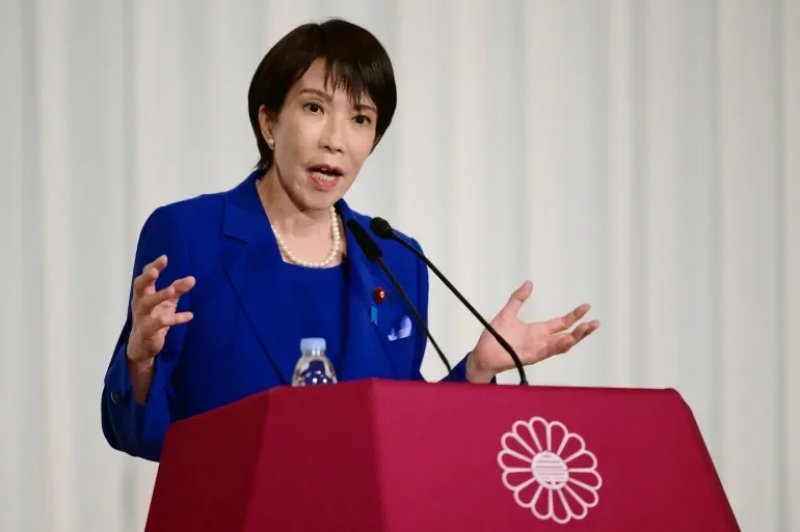
Japanese Prime Minister Sanae Takaichi on Friday dissolved the House of Representatives, setting the stage for a snap general election to be held on Feb. 8, as she seeks a fresh public mandate to advance her economic and security policy agenda alongside her newly formed coalition partner.
The dissolution of the lower house at the opening of the ordinary parliamentary session effectively launched a brief election campaign, News.Az reports, citing Kyodo.
Both the ruling bloc and opposition parties have begun raising the possibility of lifting the consumption tax on food as a measure to ease the financial strain on households affected by rising inflation.
Earlier on Friday, Takaichi’s Cabinet formally approved the dissolution of the 465-seat chamber. Although Japanese prime ministers are constitutionally empowered to dissolve the lower house, this marks the first time such a move has taken place at the beginning of a regular parliamentary session in six decades.
With lawmakers’ current terms scheduled to expire in 2028, Takaichi has justified her decision to call an election by arguing she has yet to receive public backing for her premiership that began in October and the new ruling coalition of her Liberal Democratic Party and the Japan Innovation Party formed the same month.
The election will also see candidates running for a new opposition bloc, the Centrist Reform Alliance launched by the Constitutional Democratic Party of Japan and the Komeito party, the LDP’s former coalition partner for 26 years.
With the ruling coalition considering a suspension of the consumption tax on food, and the opposition alliance proposing scrapping it on such items altogether, securing alternative financial resources is expected to garner attention during campaigning, amid prolonged price increases.
The issue of politics and money, following a slush fund scandal that has hit the LDP in recent years, and matters related to foreign residents and tourists are also likely to feature in election debates.
While Takaichi’s Cabinet enjoys high support ratings, the ruling bloc only holds a razor-thin majority in the lower chamber and remains a minority in the House of Councillors, forcing it to cooperate with opposition parties in passing bills.
Takaichi’s decision earlier this week to set the election date just 16 days after the lower house dissolution, the shortest interval in the postwar era, has been criticized for leaving voters little time to assess competing policy proposals.
Opposition parties have also slammed Takaichi for calling an election ahead of parliament’s enactment of an initial budget for fiscal 2026 starting April, accusing her of prioritizing political considerations.
The previous lower house election was held in October 2024.
News.Az
AloJapan.com