
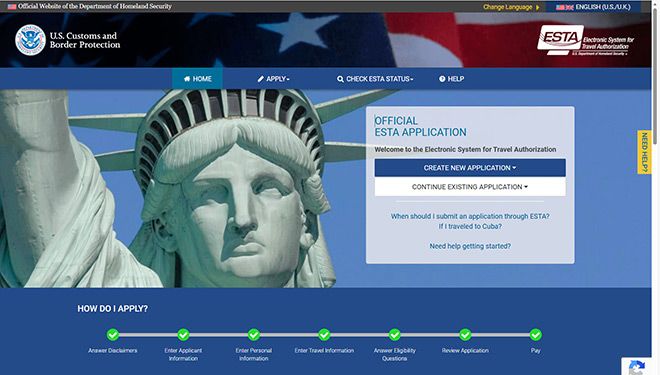
As winter holidaymakers gear up for overseas travel, Japan’s consumer watchdog is drawing attention to a growing wave of complaints involving misleading Electronic Travel Authorization (ETA) websites.
The National Consumer Affairs Center of Japan (NCAC) says it has seen a surge in reports from travelers who were charged steep, unnecessary fees after inadvertently using unofficial sites to apply for mandatory entry permissions.
These include the U.S. Electronic System for Travel Authorization (ESTA), which has an official application fee of $40 (about 6,200 yen).
With several popular destinations requiring online pre-departure approvals, officials are urging travelers to verify that they are using official government websites or apps before entering personal information or making payments.
Many consumers say they used sites they believed were official, only to later discover they were third-party agencies charging inflated processing fees. The NCAC is calling on travelers to remain vigilant, particularly during the busy winter holiday season.
An ETA is an online system that requires travelers to obtain approval from their destination country before flying out. This includes those visiting for tourism.
The NCAC notes that countries including the United States, Britain, Canada and Australia require such authorizations. These are used to pre-screen travelers for security and eligibility before they board a plane.
Applications can be submitted through destination countries’ official websites or apps. For the United States, applicants must enter information such as their name, date of birth and passport details. Travelers are generally advised to apply at least 72 hours before departure.
The NCAC says users often mistake third-party agencies for official entities because ads for them frequently appear at the top of search results, leading to travelers paying inflated rates.
In one case reported in March, a man in his 50s applied through an agency site he believed was the official U.S. government site. Although he obtained the authorization, he was charged about five times the official fee.
BALLOONING ISSUE
According to the NCAC, the number of ETA-related consultations was 78 in fiscal 2021 and 384 in fiscal 2022. The relatively low figures were largely due to the impact of the COVID-19 pandemic.
Numbers would later jump to more than 1,020 in both fiscal 2023 and fiscal 2024.
This fiscal year’s consultations were already at 1,270 as of Dec. 15, up 680 from the same time last year.
An analysis of consultations in fiscal 2024 shows that people in their 50s accounted for the largest share at 21.5 percent, followed by those in their 20s at 18.5 percent and those in their 60s at 17 percent.
Among the 812 cases where the billed amount was confirmed, charges of 10,000 to 50,000 yen dominated, accounting for 632 cases. But there were also 13 cases in which consumers were charged 100,000 to 500,000 yen.
Some of the highest totals involved combined applications submitted for entire families.
Even when third-party sites describe themselves as “agencies,” or note that applications can be submitted directly through official channels, these disclaimers are often difficult to spot.
Some travelers did not realize they had gone through a third-party service until the charge appeared on their credit card statement.
AloJapan.com