
Japan stands apart as a country where centuries-old customs continue to shape daily life. Its cultural identity is deeply rooted in tradition, offering travelers meaningful experiences that go far beyond sightseeing.
For much of its history, Japan remained closed to the outside world. This period of isolation helped protect local customs, craftsmanship, and social rituals, allowing them to survive largely unchanged into the modern era.
Many people associate Japan with striking architecture, cherry blossom scenery, and distinctive regional cuisine. While these elements are certainly part of the appeal, they represent only a portion of the country’s cultural depth.
All forty seven prefectures contribute their own traditions, from festivals and food to dialects and design. This variety gives visitors the freedom to build journeys that reflect their personal interests and pace.
Japan is also known for safety, cleanliness, and walkable cities. From the energetic streets of Tokyo to the quiet charm of Kyoto, exploring on foot reveals details that might otherwise be missed.
So where can you best connect with Japan’s enduring traditions. Here are some essential destinations that capture the spirit of the country.
 Temples and Machiya in Kyoto
Kyoto is often described as the cultural center of Japan. The city is home to thousands of Buddhist temples, Shinto shrines, Zen gardens, and historic geisha districts that preserve the atmosphere of earlier eras.
The city’s traditional streetscape gives Kyoto a timeless feel, and joining a free walking tour of Kyoto can feel like stepping back through layers of Japanese history.
Beyond its famous temples, Kyoto is also known for its machiya. These traditional wooden townhouses feature narrow street fronts and long interiors, reflecting how merchants and artisans once lived and worked. Visiting machiya offers a closer look at everyday life in historical Japan.
Culinary Traditions in the Kitchen of Japan
Japan’s food culture is as important as its landscapes. Each prefecture has signature dishes shaped by local climate, ingredients, and history, making the country one of the most diverse culinary destinations in the world.
To explore this side of Japan, Osaka is a must visit destination. Located near the center of the country, Osaka has long been known as the Kitchen of Japan due to its role as a trading and food culture hub.
Osaka is famous for street food favorites such as Takoyaki and Okonomiyaki, both of which reflect the city’s casual and welcoming food scene.
Whether stopping briefly or staying longer, visitors will find something to enjoy at every corner, from markets to small neighborhood eateries.
 Experiencing the Beauty of Sakura Season
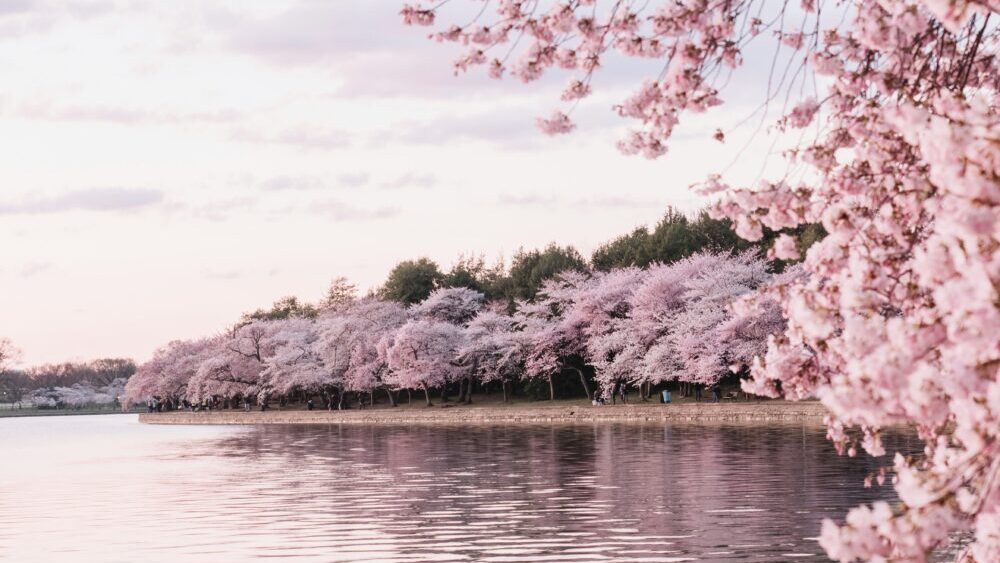
Cherry blossom season, known as sakura, is one of Japan’s most celebrated traditions. Each spring, soft pink blossoms transform cities, parks, and countryside, creating scenes that have inspired artists and writers for generations.
Sakura viewing has long been a shared cultural ritual, symbolizing renewal and the fleeting nature of life.
One of the unique aspects of cherry blossom season is how it moves across the country. Blooms appear earlier in southern regions and later in the north, usually between April and May.
Even in large cities like Tokyo, peaceful viewing spots are easy to find. Parks such as Ueno Park and Shinjuku Gyoen offer beautiful settings that become especially popular during spring and are often included in a free walking tour of Tokyo.
Visiting the Home of Sumo Wrestling
Sumo wrestling remains one of Japan’s most recognizable traditional sports. In Tokyo, the Ryogoku Kokugikan stands as the central venue for this centuries old practice.
Visitors can attend matches throughout the year or explore the surrounding Ryogoku area, where sumo stables allow glimpses into training routines and daily life of wrestlers.
For the most immersive experience, consider visiting during one of the three annual Grand Tournaments held in January, May, or September. Watching a live match offers insight into the rituals, discipline, and cultural significance of sumo.
Connecting With Traditional Japan
Japan offers a rare balance between ancient customs and modern living. From food and sport to seasonal events and architecture, traditions remain an active part of everyday life.
This continuity is a major reason why more travelers are drawn to traditional Japan each year. Whether planning a short trip or an extended stay, thoughtful preparation allows you to experience the country at a deeper level.
By shaping your itinerary in advance, you can uncover the true character of Japan and enjoy a journey that is both enriching and unforgettable.
 Wondering where the comments are? We encourage you to use the share buttons below and start the conversation on your own!
Related
AloJapan.com