
Japan runs on apps more than most visitors realize. From booking last-minute haircuts to knowing exactly which train car to stand in for a smoother journey, the right smartphone setup can quietly save hours of time and a lot of confusion. While staples like Google Maps and Google Translate are obvious must-haves, it’s easy to fall into the trap of downloading far too many apps and not knowing which ones are actually useful. If you’d rather keep things simple, these are the essential apps we genuinely think you’ll need, especially if it’s your first time traveling in Japan.
Apps for Food, Beauty and Everyday Finds
Tabelog
If there’s one food app locals genuinely trust, it’s Tabelog. Unlike international review platforms, Tabelog’s ratings are notoriously strict, so a 3.5 score usually means the food is very good. Locals use it to find reliable restaurants, check peak hours and see whether reservations are needed (many popular spots don’t take walk-ins). It’s especially useful once you move away from major tourist areas, where good food is everywhere but harder to spot at a glance.

Hot Pepper Beauty
Hot Pepper Beauty is Japan’s go-to app for booking haircuts, nail appointments, barbers, massages and other beauty treatments. Locals often use it for last-minute bookings, thanks to its live availability and frequent discounts. While the interface is in Japanese, it’s still easy to use once you get the hang of the layout. In big cities like Tokyo and Osaka, many salons are accustomed to overseas customers, making it a surprisingly practical option for travelers who want a refresh mid-trip.
If you’re looking for salon recommendations, check out our guides on English-friendly nail and hair salons in Tokyo.

HappyCow
HappyCow is essential if you’re vegetarian, vegan or simply trying to eat more plant-based while travelling in Japan. This paid app helps locate vegan, vegetarian and veg-friendly cafes, bakeries and restaurants, including places that can modify existing dishes. It’s particularly useful when you’re tired, hungry or just want to know where you can eat without overthinking it.
If you’re vegan or have any special dietary preferences, don’t forget to check out our kanji guide for vegans and convenience store guide to vegan food in Japan.
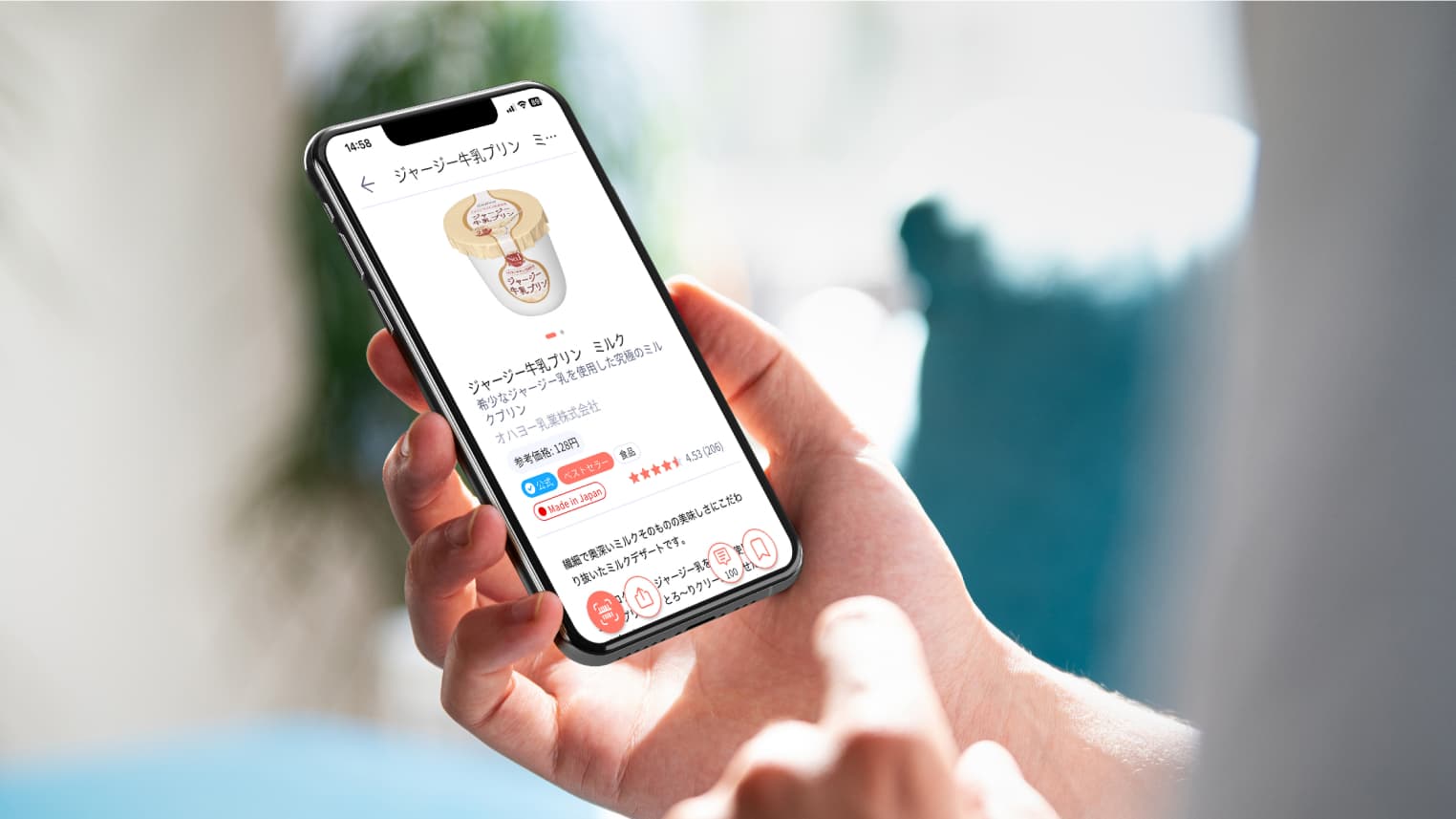
Image courtesy of Payke
Payke
Payke is one of those apps you don’t realize you need until you’re standing in a drugstore surrounded by beautifully packaged mystery items. It has a catalog of products from chain stores like Bic Camera, Don Quijote — just scan the barcode and you’ll get instant translations, ingredient explanations and usage instructions in seven different languages, including English. It’s especially handy when shopping for skincare, snacks or over-the-counter medicine.
Apps for Transportation and Tickets
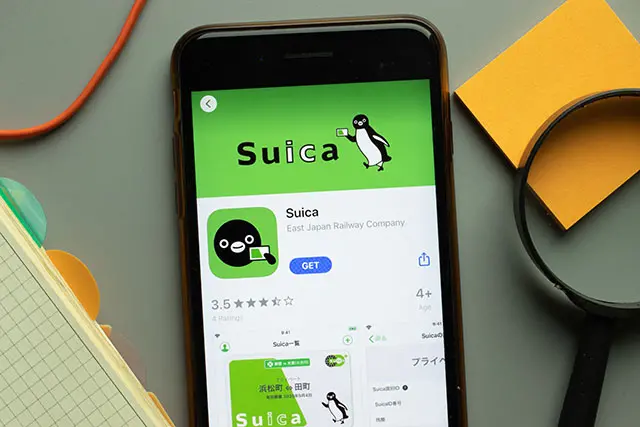
Image courtesy of Suica
Suica / PASMO App
The Suica and PASMO apps turn your phone into a transport card. Locals use them for almost everything, from trains and buses to vending machines, convenience stores and even some restaurants. Topping up takes seconds, and tapping through ticket gates with your phone quickly becomes second nature. For visitors, it means no fumbling for cash or figuring out ticket machines.
While Suica and PASMO are mainly used in the Kanto region, other areas like Osaka and Kyoto have their own IC cards, such as Icoca. The good news is that most major IC cards work nationwide, so there’s no need to stress about which one you choose or switching cards when travelling between regions.

Image courtesy of NAVITIME
Japan Travel by NAVITIME
NAVITIME is what locals turn to when Google Maps doesn’t give enough detail to help you navigate. It shows platform numbers, optimized routes for the fastest travel times, free Wi-Fi and ATM spots — small details that can save a surprising amount of time. It’s especially useful during rush hour or when navigating massive stations like Shinjuku or Tokyo, where taking the wrong exit can add 10 minutes to your journey.

Image courtesy of GO
GO (Taxi App)
GO is Japan’s most widely used taxi app and a staple for locals, especially late at night. It lets you book licensed taxis without needing to explain your destination in Japanese, and payments are handled entirely in-app. It’s particularly useful in residential areas, after trains stop running, or when travelling with luggage. Reliable, straightforward, and stress-free.

Image courtesy of Smart EX
Smart EX
Smart EX is the official app for booking Shinkansen tickets and is widely used by locals who travel between cities regularly. It allows users to reserve seats, change travel times and enter platforms using QR codes — no paper tickets required. You can also link it to your IC card if you have one. Tickets can be booked up to a year in advance and changed easily, making it ideal for travelers who want flexibility without lining up at ticket counters.
Disaster Preparedness Apps

Image courtesy of NERV
NERV
In a natural disaster-prone country like Japan, it’s always safer to have a few essential apps on your phone — just in case. NERV provides real-time alerts for earthquakes, typhoons, heavy rain and transport disruptions based on your current location. The app pulls from official sources and presents information in a clear, easy-to-read interface, including details like seismic intensity and affected areas. Its name is intentionally borrowed from the anime Neon Genesis Evangelion, and the visual identity leans into that familiar aesthetic, making it feel surprisingly approachable.
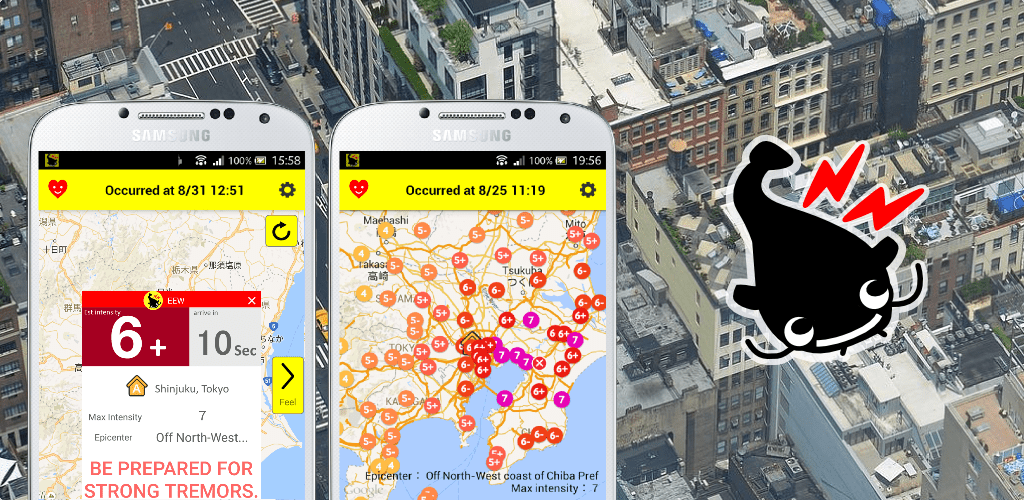
Image courtesy of Yurekuru Call
Yurekuru Call
Yurekuru Call focuses specifically on earthquake early warnings. Sourcing its data from the Japan Meteorological Agency, it can send alerts seconds before shaking starts, sometimes just enough time to take cover or steady yourself.
Other Useful Apps

Image courtesy of ChargeSpot
ChargeSPOT
ChargeSPOT lets users rent portable phone power banks from docking stations inside convenience stores, train stations, cafes and shopping centers across Japan. It’s especially handy for long days out and when navigation and payment apps drain battery faster than expected. You can return the charger at any ChargeSPOT location listed in the app, making it easy to use on the go.
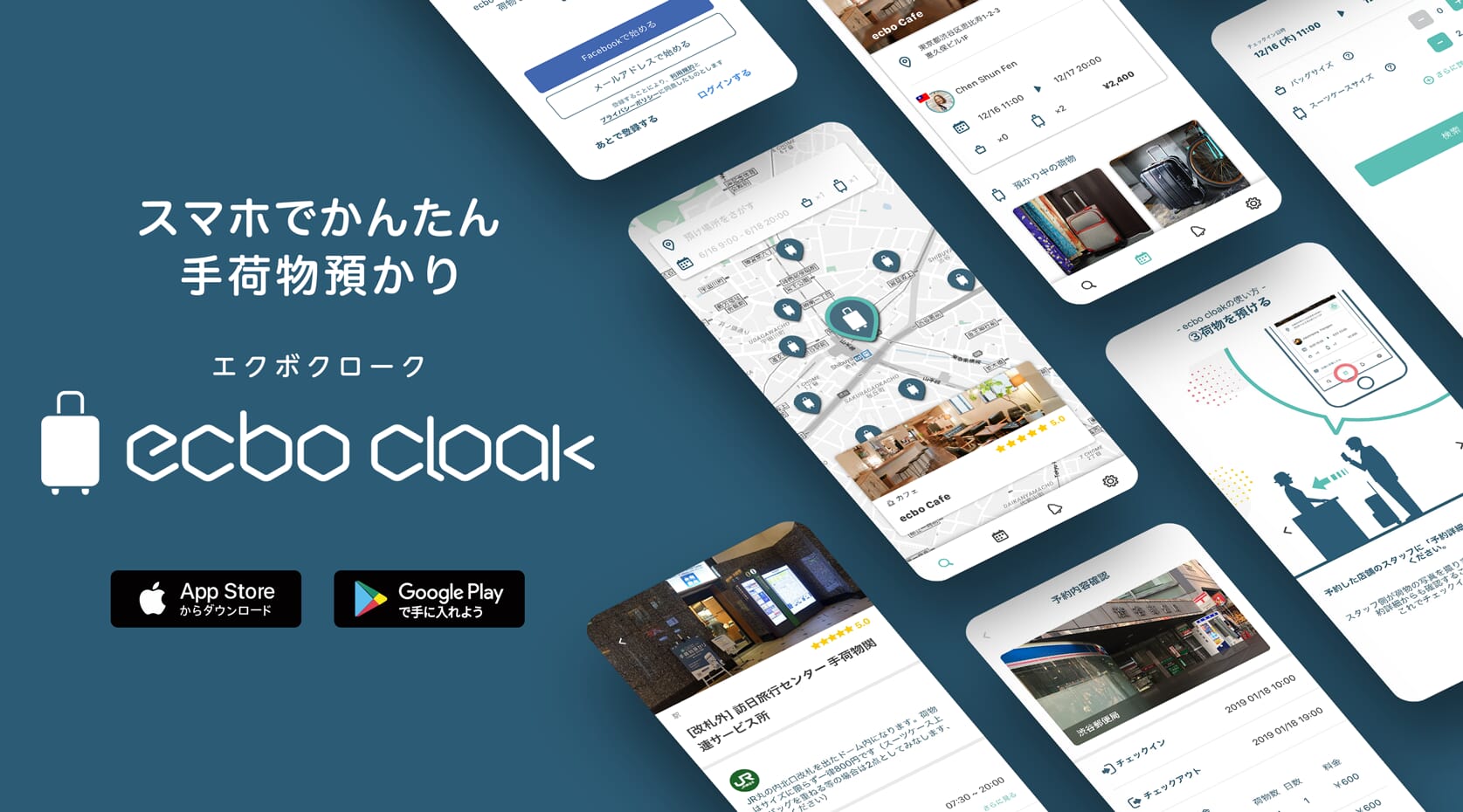
Image courtesy of ecbo cloak
ecbo cloak
While coin lockers are everywhere in Japan, they can also tend to fill up quickly, especially in packed tourist areas like Shibuya and Shinjuku. ecbo cloak helps travelers find short-term luggage storage in shops, cafes and hotels in more than 1,000 locations across Japan. It’s ideal for early arrivals, late departures or days when you want to explore without dragging a suitcase around.
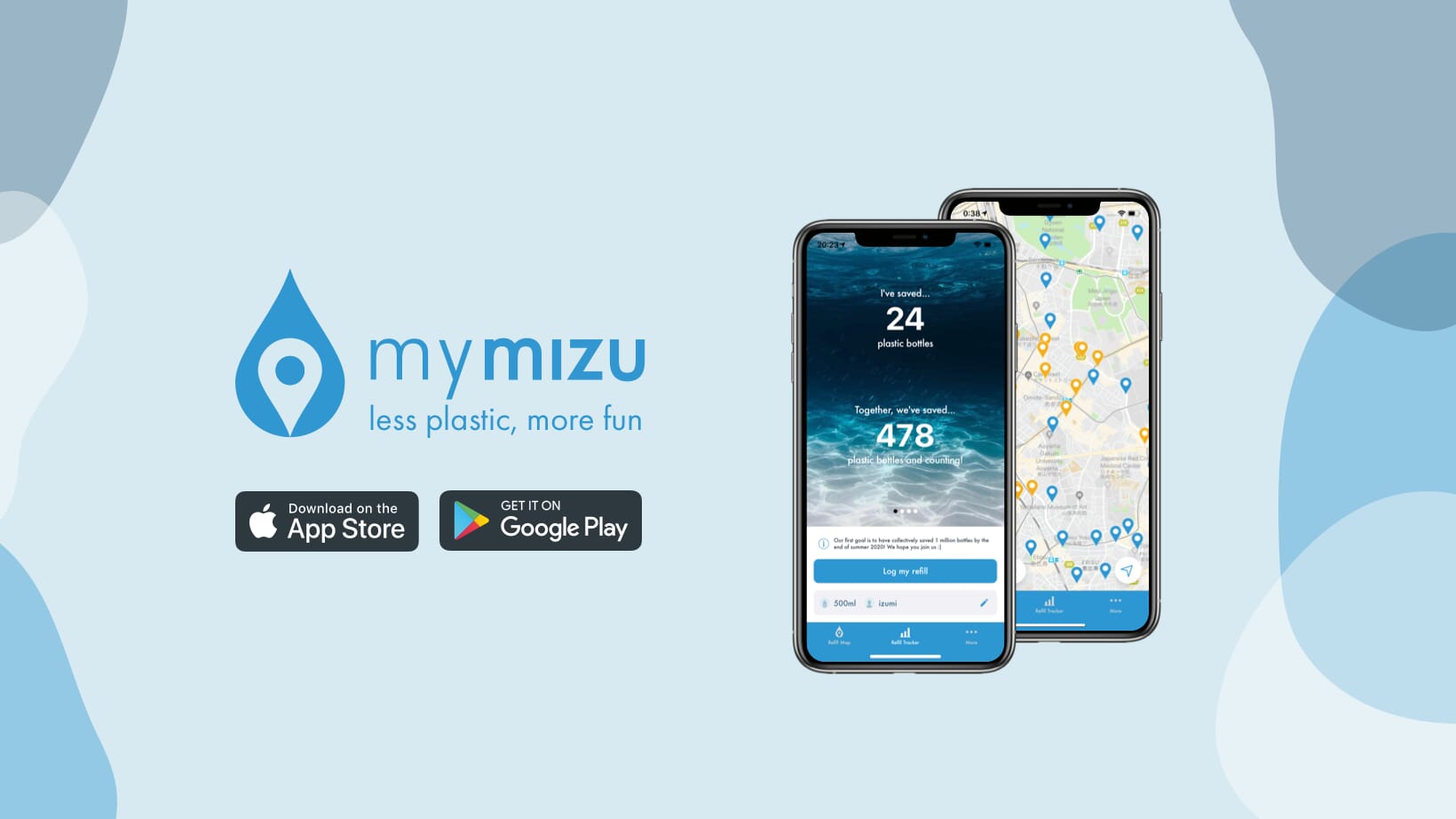
Image courtesy of mymizu
MyMizu
MyMizu is a great app to have if you’re trying to travel a little more sustainably in Japan. It maps out refillable water stations across cities, making it easier to top up a reusable bottle instead of constantly buying drinks from vending machines or convenience stores. It’s especially useful during warmer months, when staying hydrated means frequent refills, and helps cut down on plastic waste without sacrificing convenience.
Related Posts
Discover Tokyo, Every Week
Get the city’s best stories, under-the-radar spots and exclusive invites delivered straight to your inbox.
Updated On January 7, 2026
AloJapan.com