
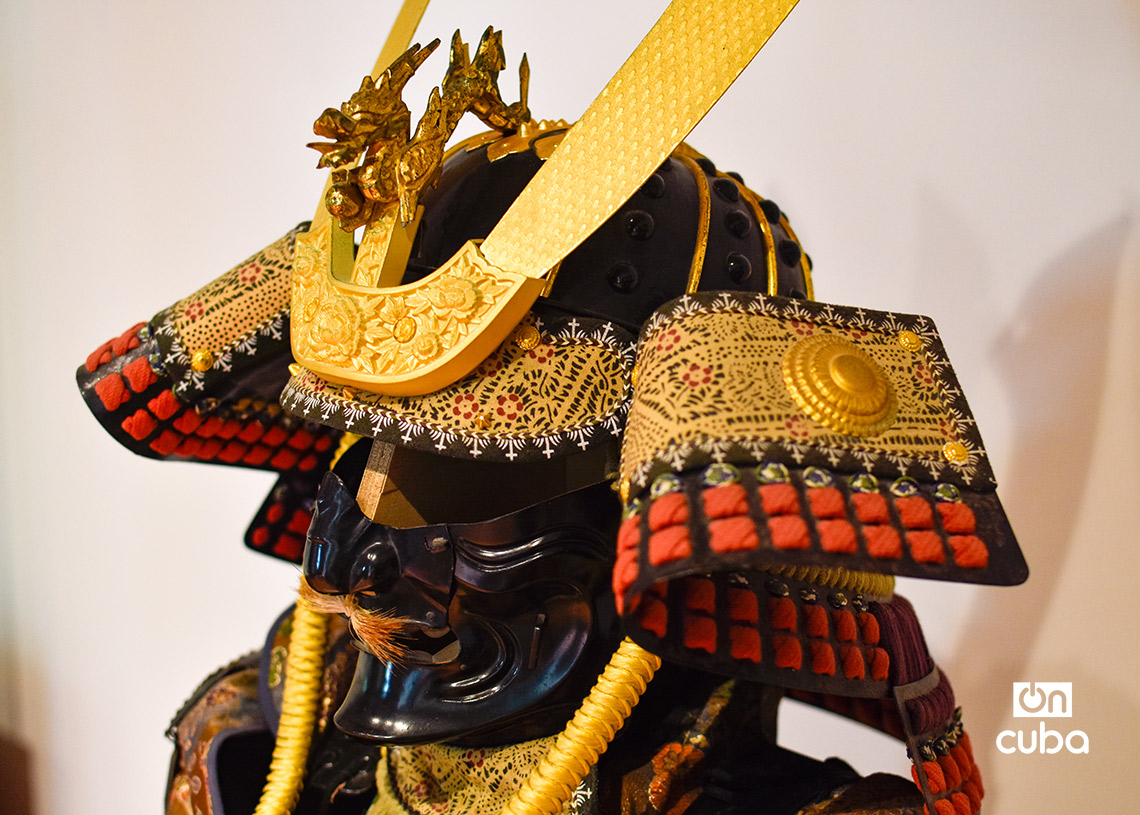
Although modest in numbers, the Japanese presence in Cuba has been intense in its cultural, economic and emotional impact. Between the memories of the first immigrants and the practices of their descendants, a history of integration unfolds, spanning more than 100 years.
The oldest documented link between Japan and Cuba dates back to 1614, with the stopover in Havana of the samurai and diplomat Hasekura Tsunenaga. This would be the symbolic precedent for the Japanese who began arriving on the island at the end of the 19th century, particularly young men with plans to work and eventually return to their homeland.
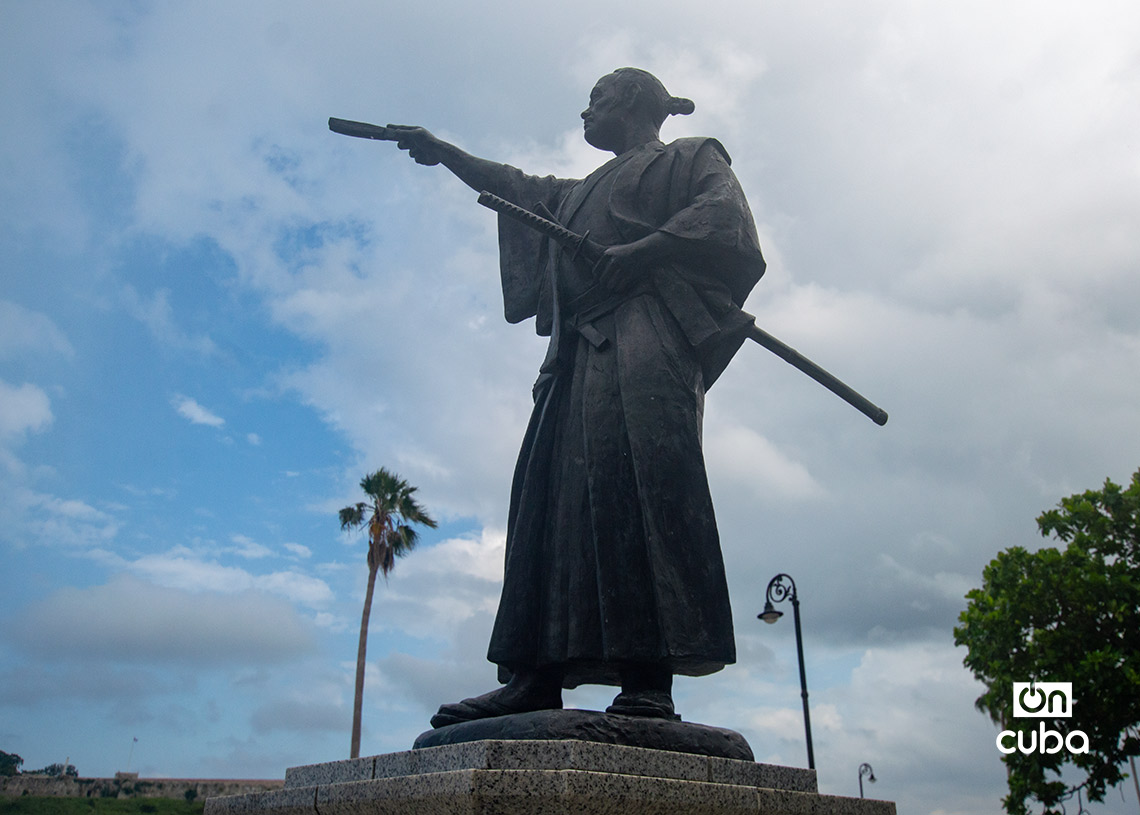 Monument in Havana to Hasekura Tsunenaga, the first samurai to visit Cuba. Photo: Otmaro Rodríguez.
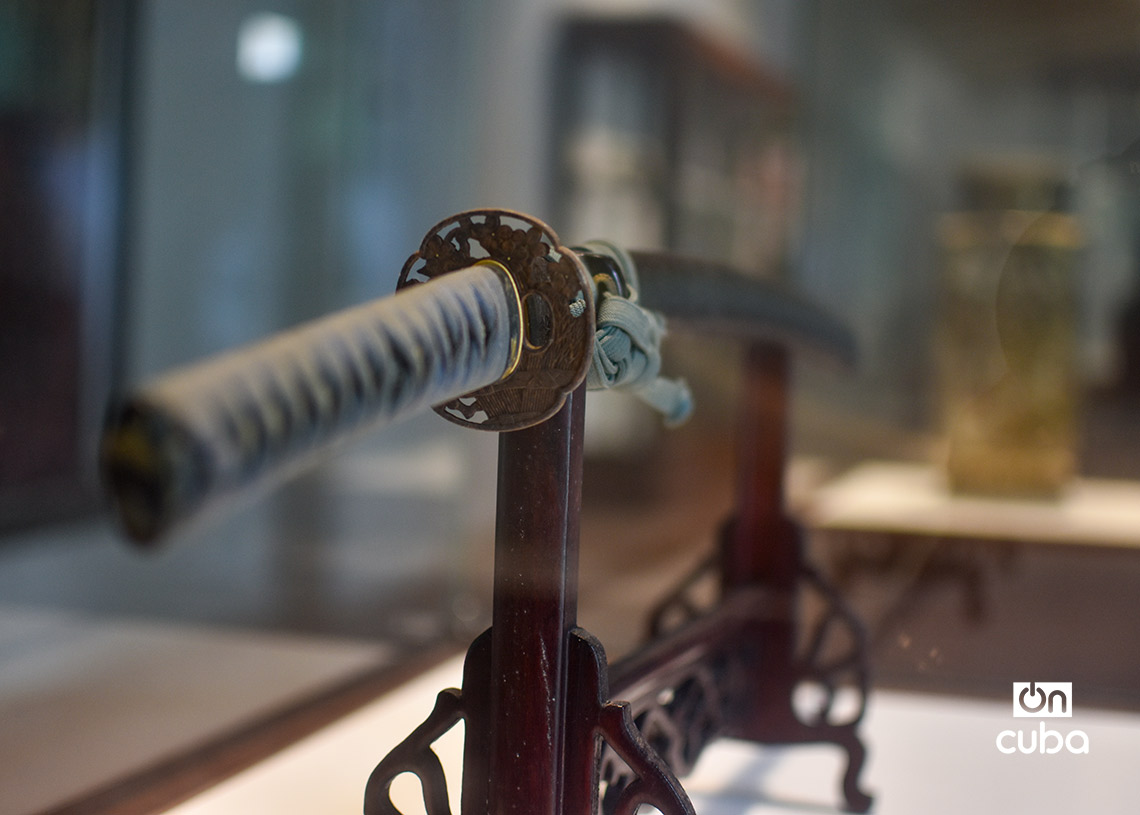 Samurai sword, part of the Japanese collection at the House of Asia in Havana. Photo: Otmaro Rodríguez.
Japanese immigration to Cuba took place in several periods between 1898 and the post-war era, with settlements scattered throughout almost the entire country and a significant concentration on what was then the Isle of Pines. Despite the initial expectations of the newcomers, political and economic crises, coupled with changes in immigration laws, led many to put down permanent roots on the island.
During World War II, Japanese immigrants were seen as “enemy aliens” and many suffered imprisonment, confiscation of property and surveillance by the authorities. But although this dark experience left deep scars on the Japanese community, most decided to stay and rebuild their lives and businesses, embracing Cuba as their second homeland.
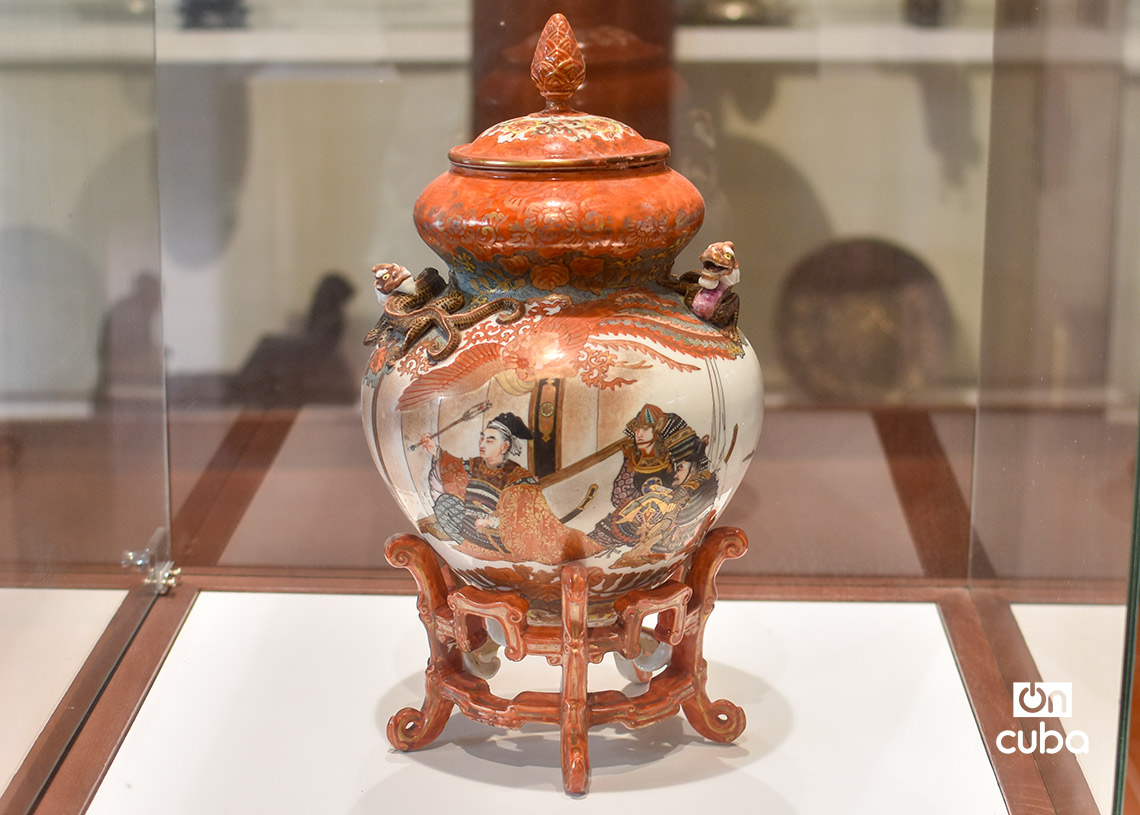 Part of the Japanese collection at the House of Asia in Havana. Photo: Otmaro Rodríguez.
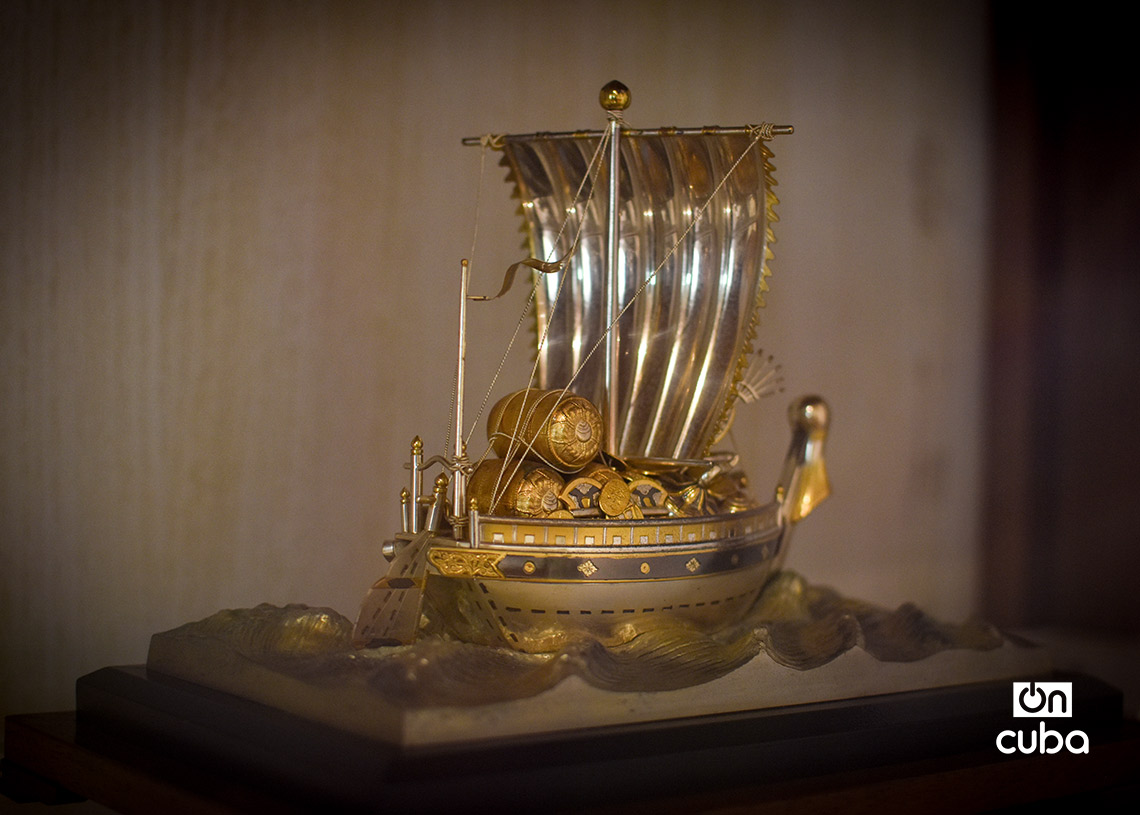 Part of the Japanese collection at the House of Asia in Havana. Photo: Otmaro Rodríguez.
The Cuban community of Japanese descent, known as Nikkei, currently numbers around 900 people, with a significant presence in Havana and the Isle of Youth. Its members combine Japanese surnames, family customs and a predominantly Cuban identity, along with values associated with discipline, punctuality and responsibility attributed to their Japanese heritage.
In their daily lives, the descendants have maintained cultural fragments: culinary references adapted to local ingredients, family narratives about war and exile, and a work ethic visible in fields such as agriculture, sports and martial arts, where Japanese pioneers were instrumental in introducing jiu-jitsu and karate-do to the island.
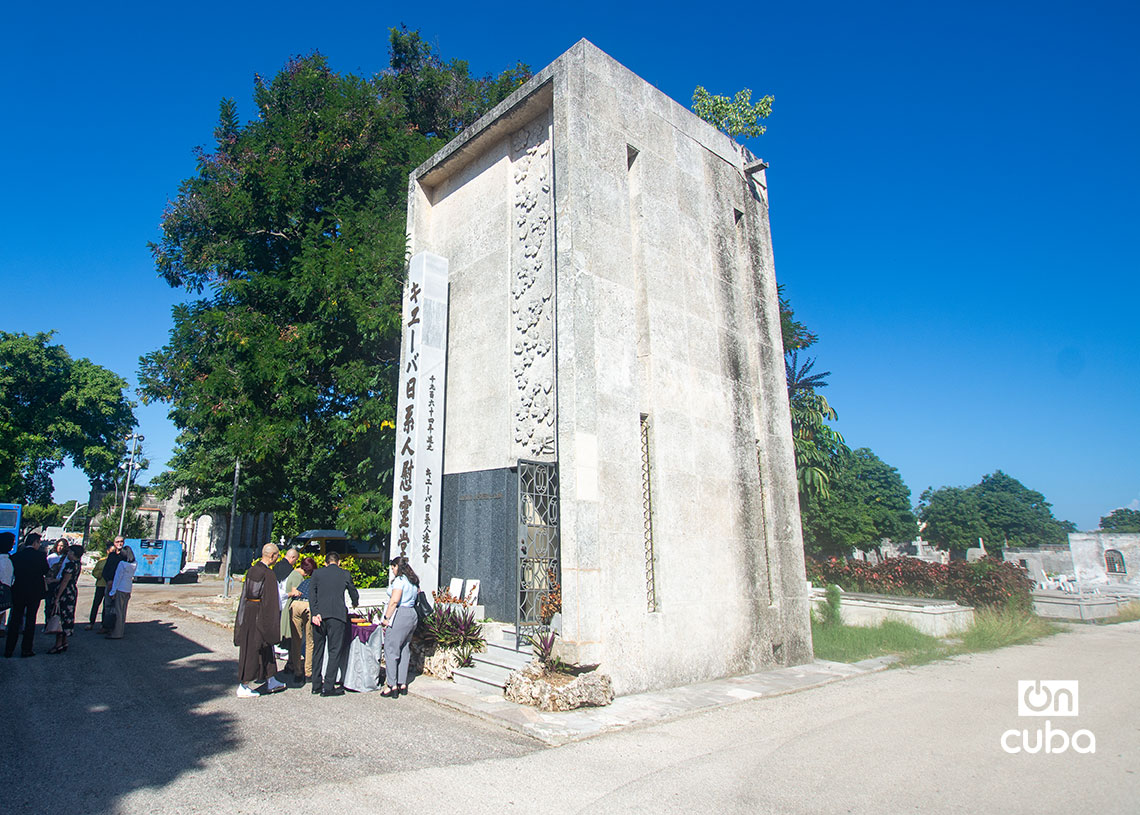 Mausoleum of the Japanese community in Colón Cemetery, Havana. Photo: Otmaro Rodríguez.
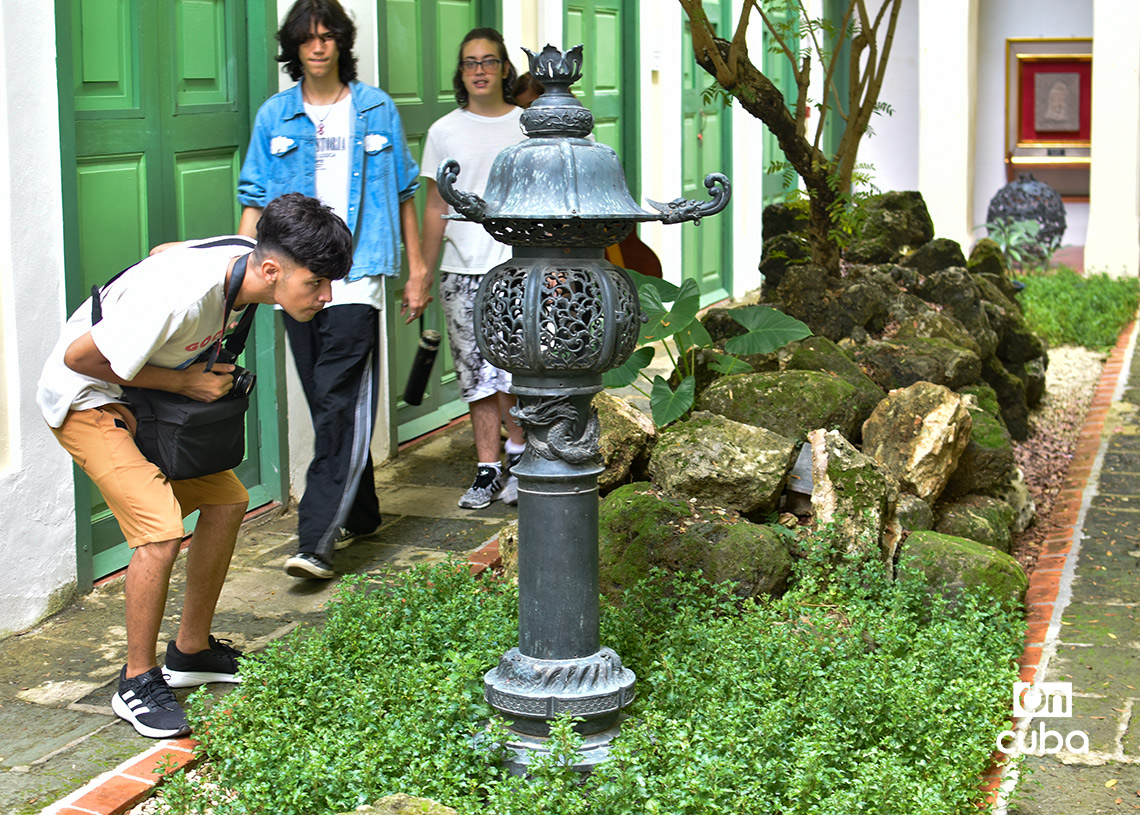 Japanese-inspired garden at the House of Asia in Havana. Photo: Otmaro Rodríguez.
With a sense of community and territorial structures that function as spaces for support, passing on of memory and connection with Japanese institutions, Cuban Nikkei (people of Japanese descent) keep the heritage of their ancestors alive and are, at the same time, an effective bridge between Japan and Cuba, within a framework of bilateral relations that includes cooperation, scholarships and humanitarian aid.
Places like Colón Cemetery — where Buddhist ceremonies are held in front of the Japanese community’s mausoleum — the House of Asia with its collections from the Asian country, and the monument to the first samurai who set foot on Cuban soil, are some of the places where Japan’s legacy in Cuba is preserved today. Photojournalist Otmaro Rodríguez brings us closer to them today with his images.
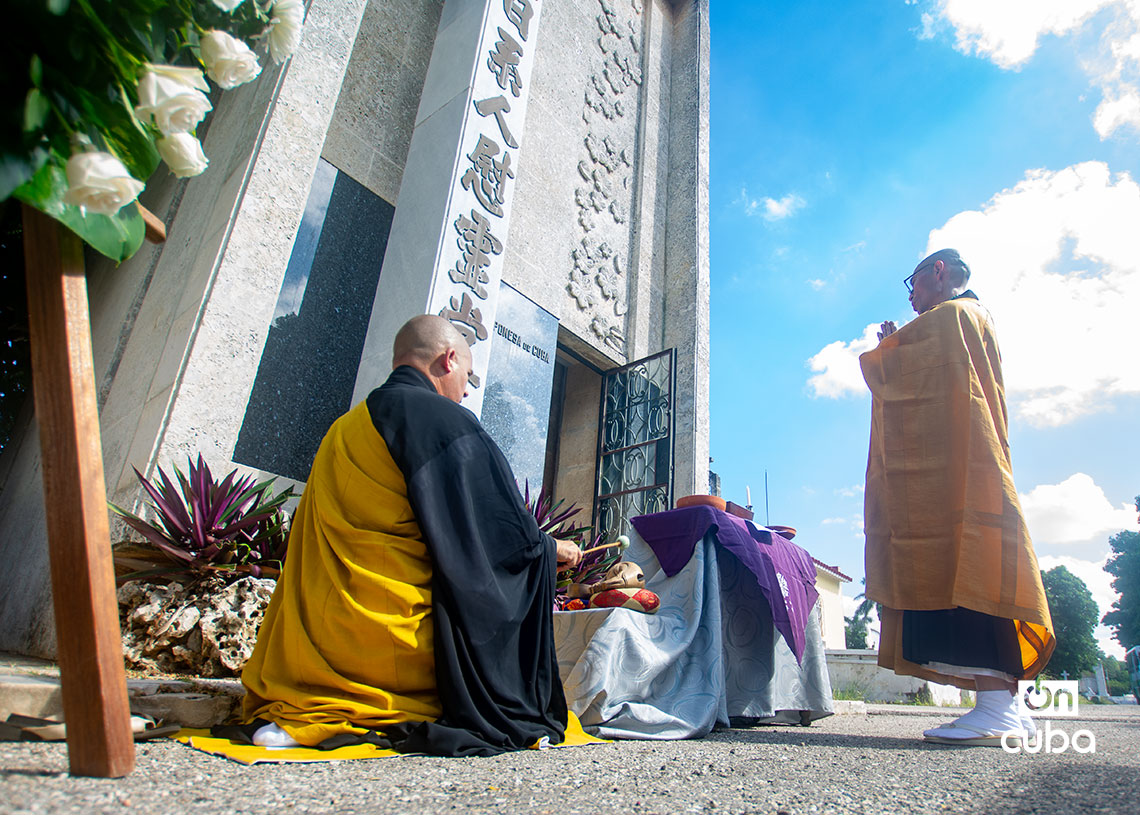 Buddhist ceremony at the mausoleum of the Japanese community in Colón Cemetery, Havana. Photo: Otmaro Rodríguez.
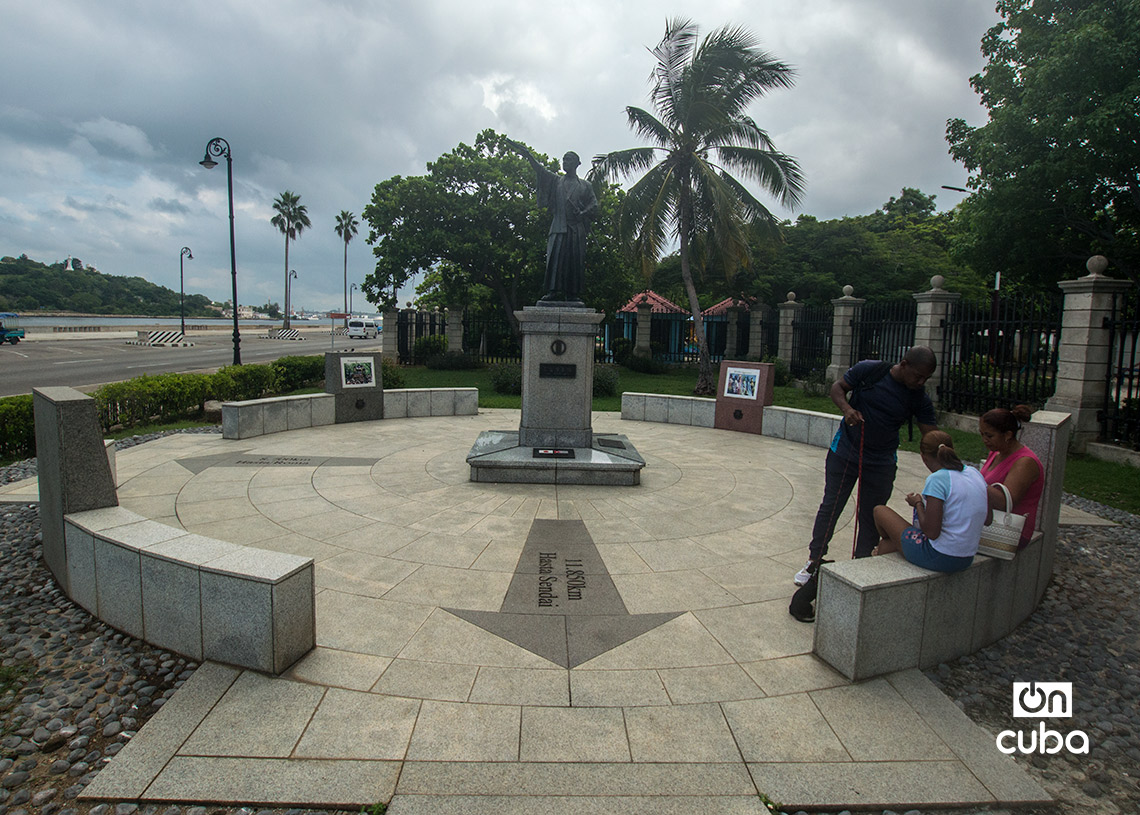 Monument and park in Havana in honor of Hasekura Tsunenaga, the first samurai to visit Cuba. Photo: Otmaro Rodríguez.
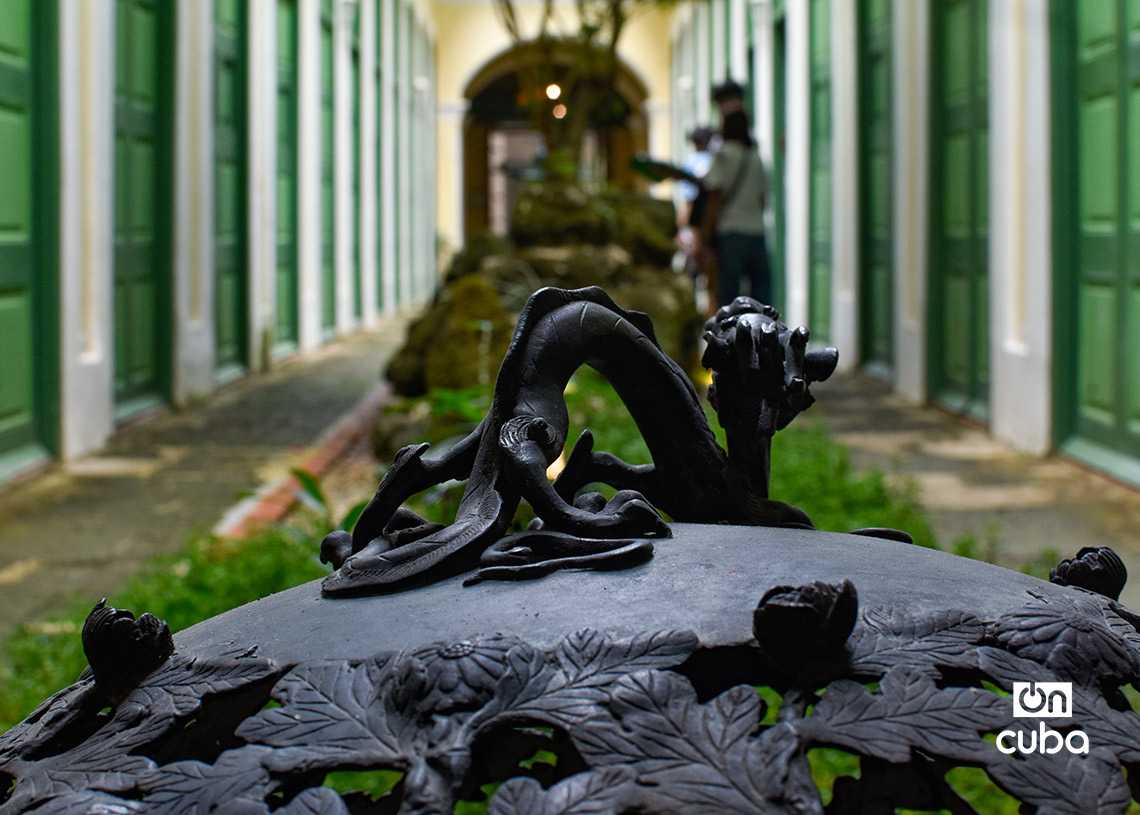 Part of the Japanese collection at the House of Asia in Havana. Photo: Otmaro Rodríguez.
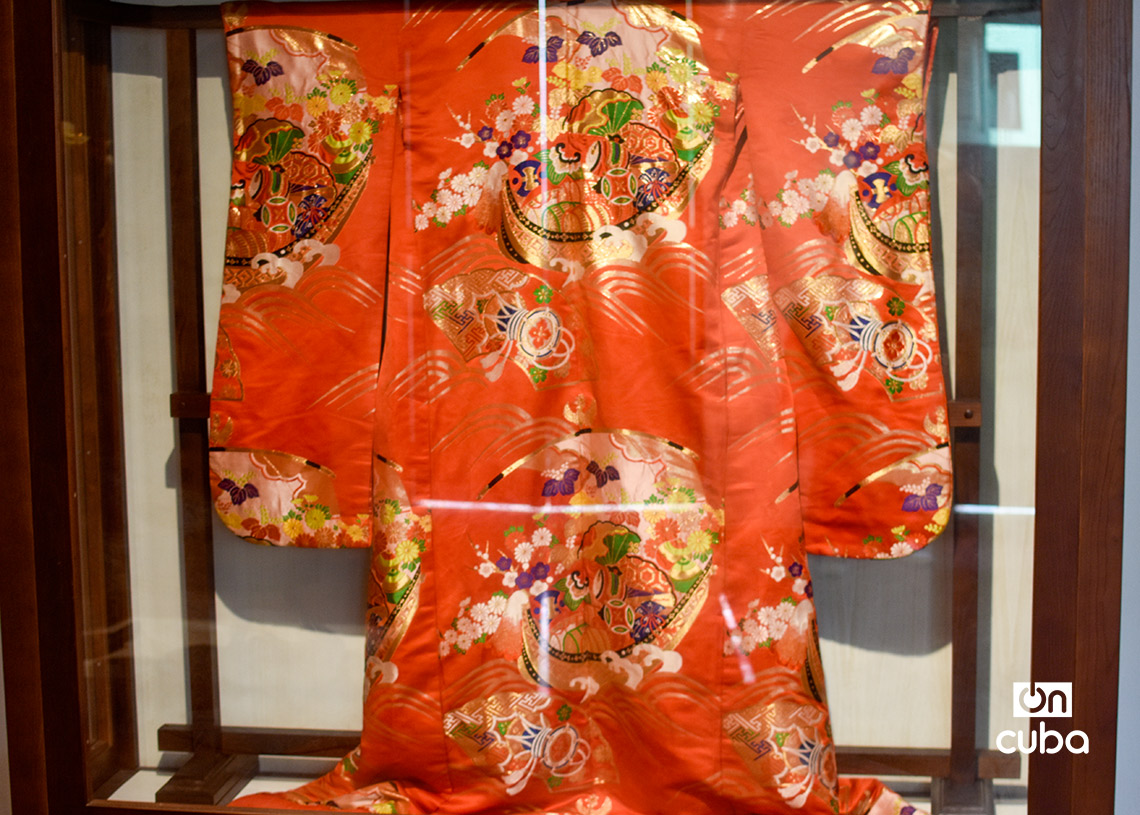 Part of the Japanese collection at the House of Asia in Havana. Photo: Otmaro Rodríguez.
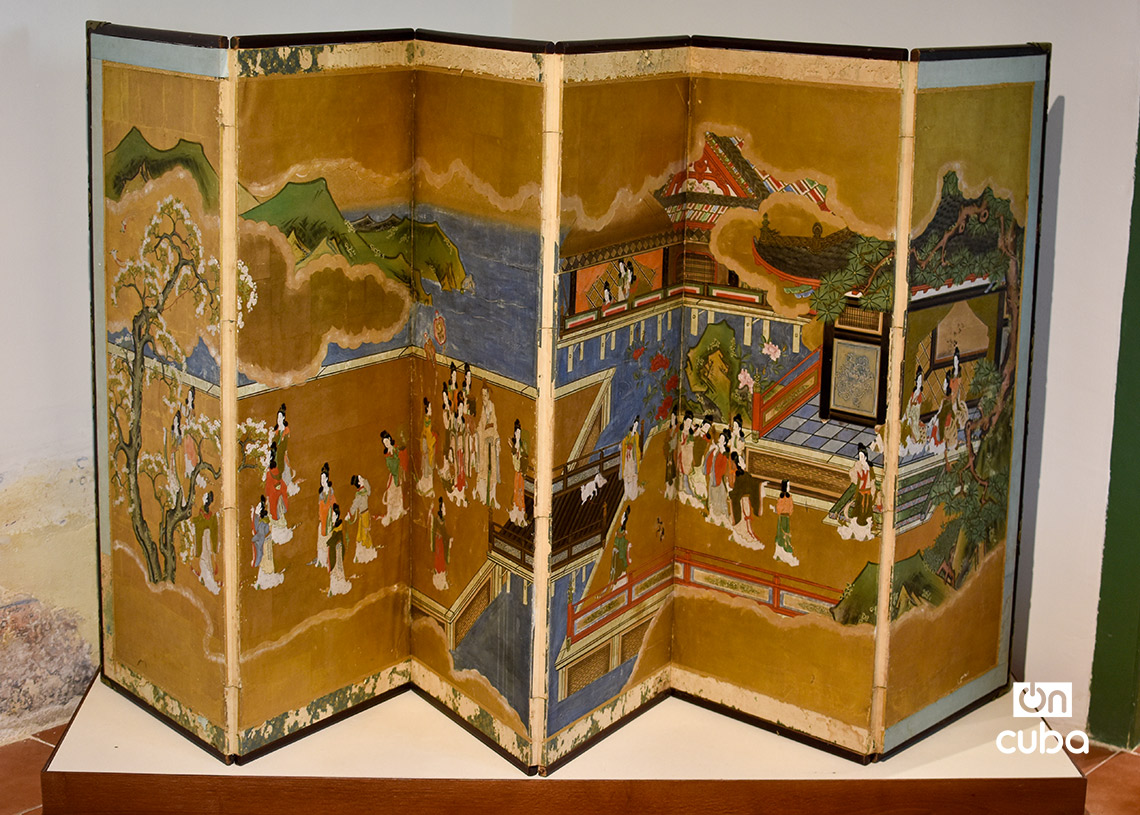 Part of the Japanese collection at the House of Asia in Havana. Photo: Otmaro Rodríguez.
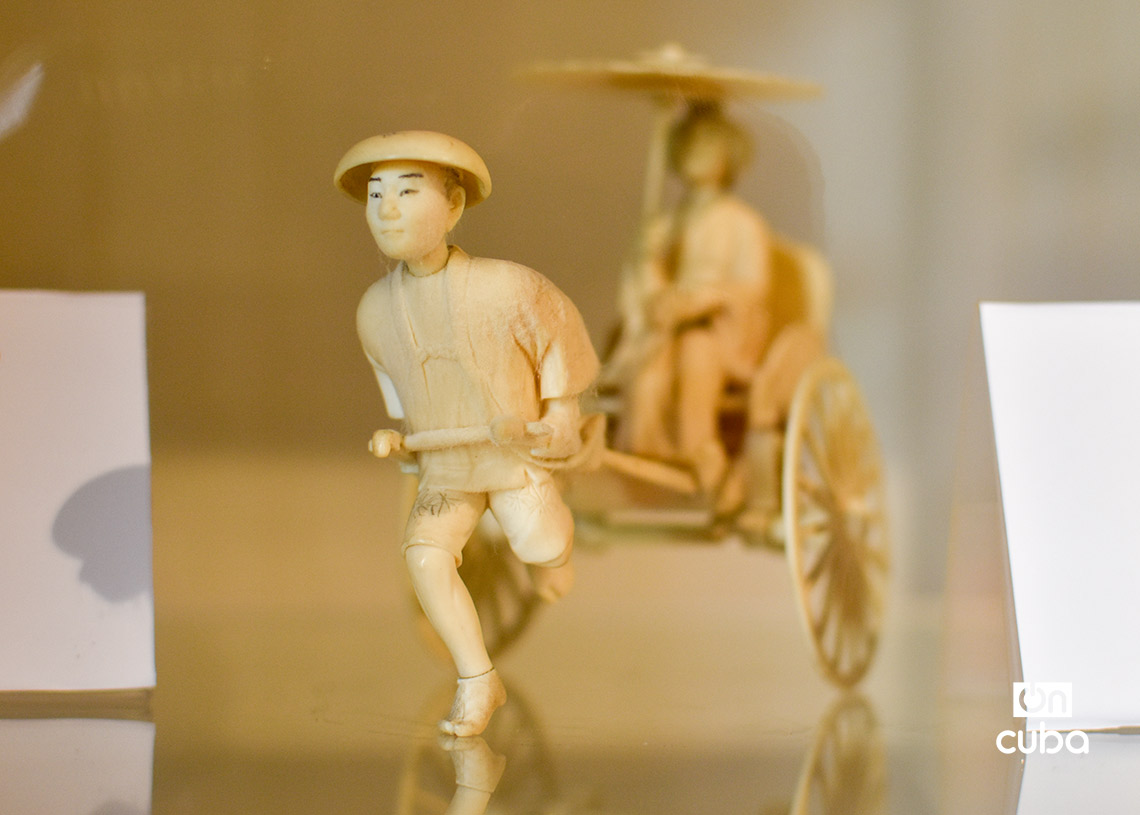 Part of the Japanese collection at the House of Asia in Havana. Photo: Otmaro Rodríguez.
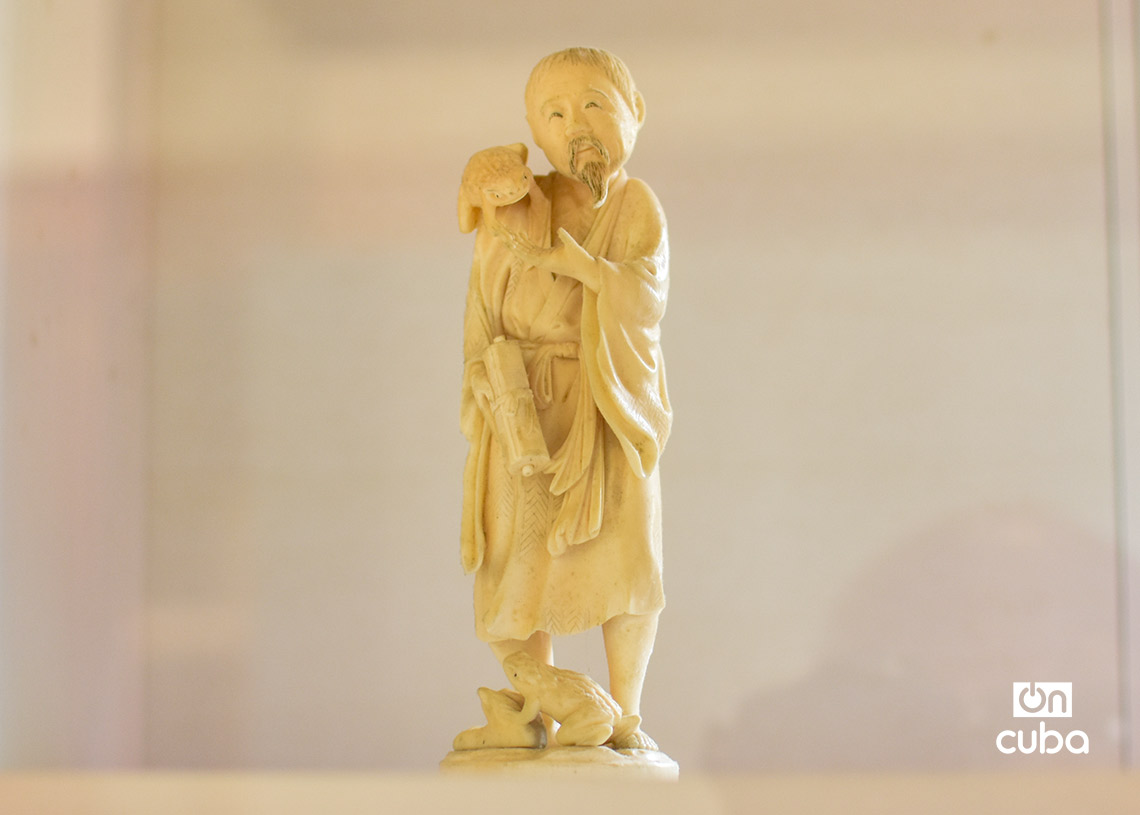 Part of the Japanese collection at the House of Asia in Havana. Photo: Otmaro Rodríguez.
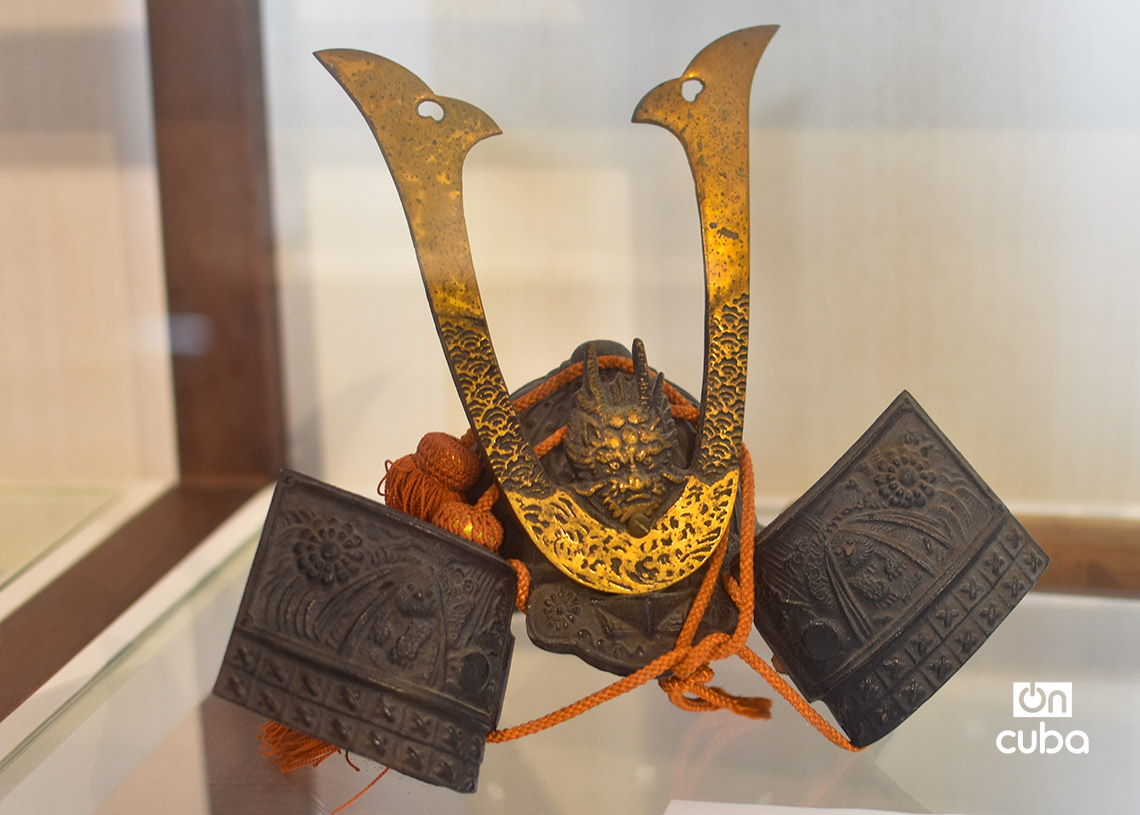 Part of the Japanese collection at the House of Asia in Havana. Photo: Otmaro Rodríguez.
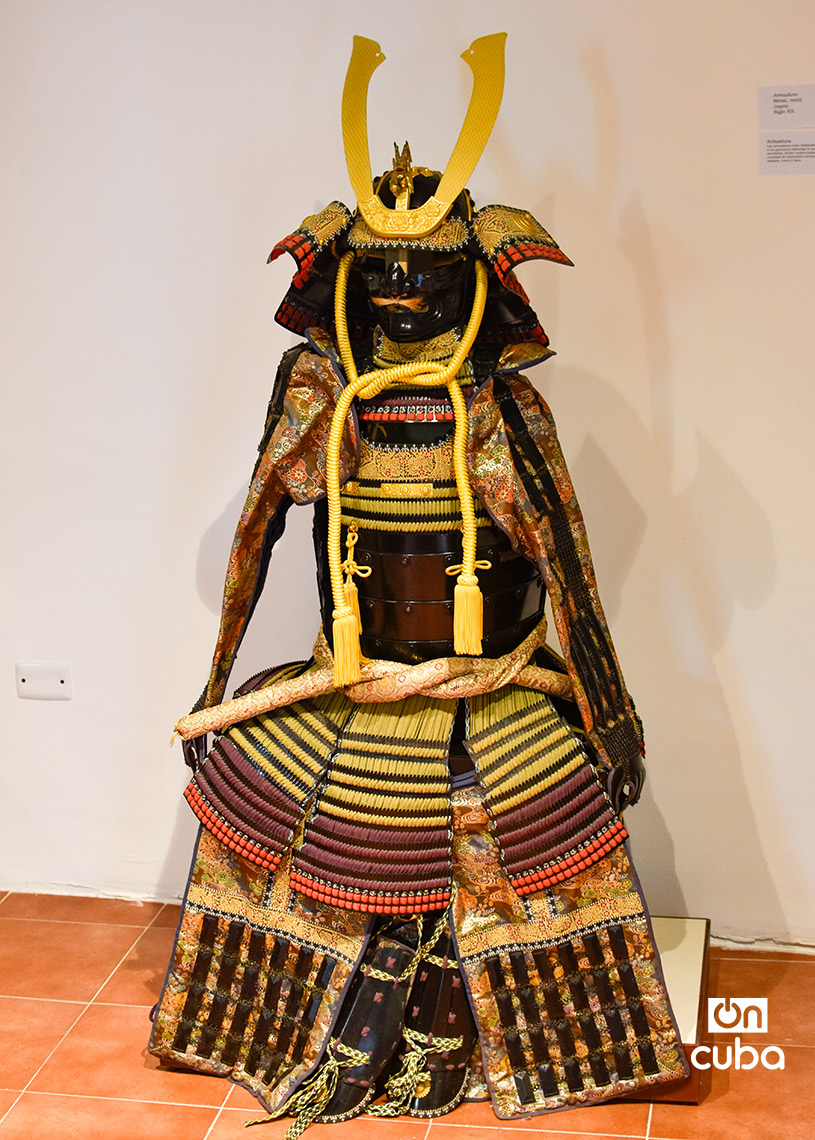 Part of the Japanese collection at the House of Asia in Havana. Photo: Otmaro Rodríguez.
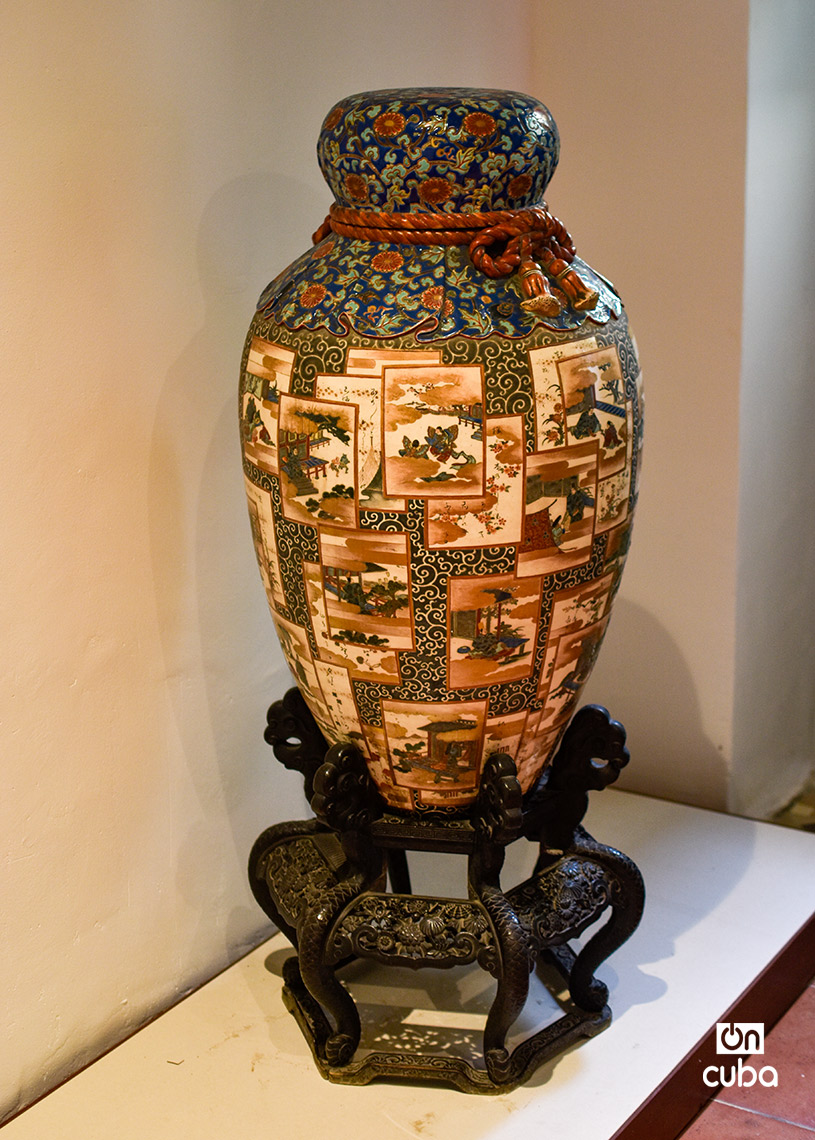 Part of the Japanese collection at the House of Asia in Havana. Photo: Otmaro Rodríguez.
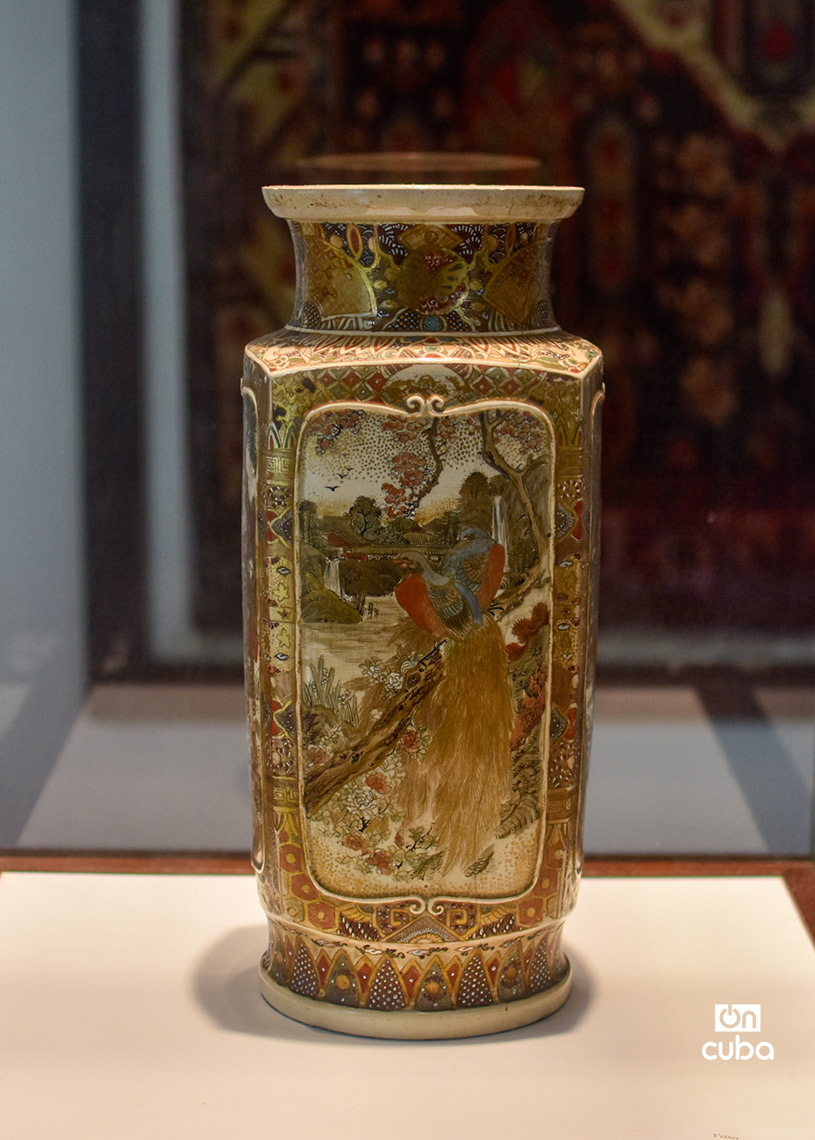 Part of the Japanese collection at the House of Asia in Havana. Photo: Otmaro Rodríguez.
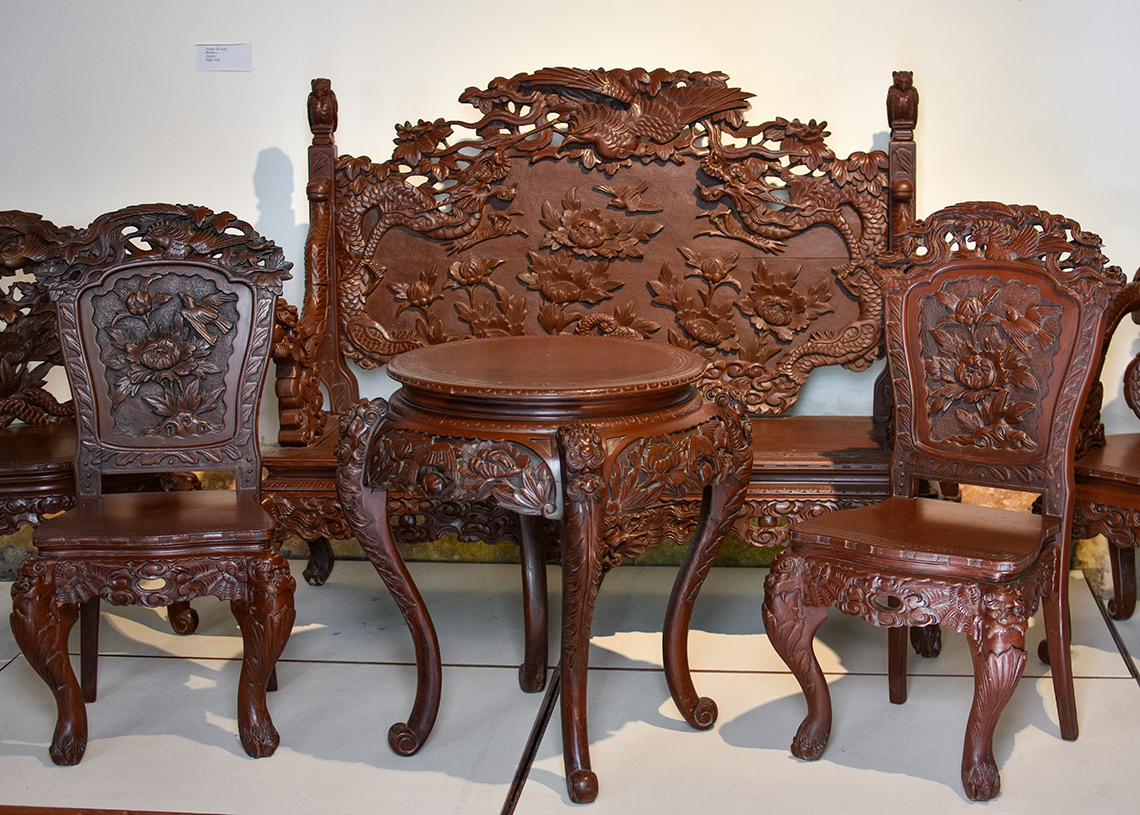 Part of the Japanese collection at the House of Asia in Havana. Photo: Otmaro Rodríguez.
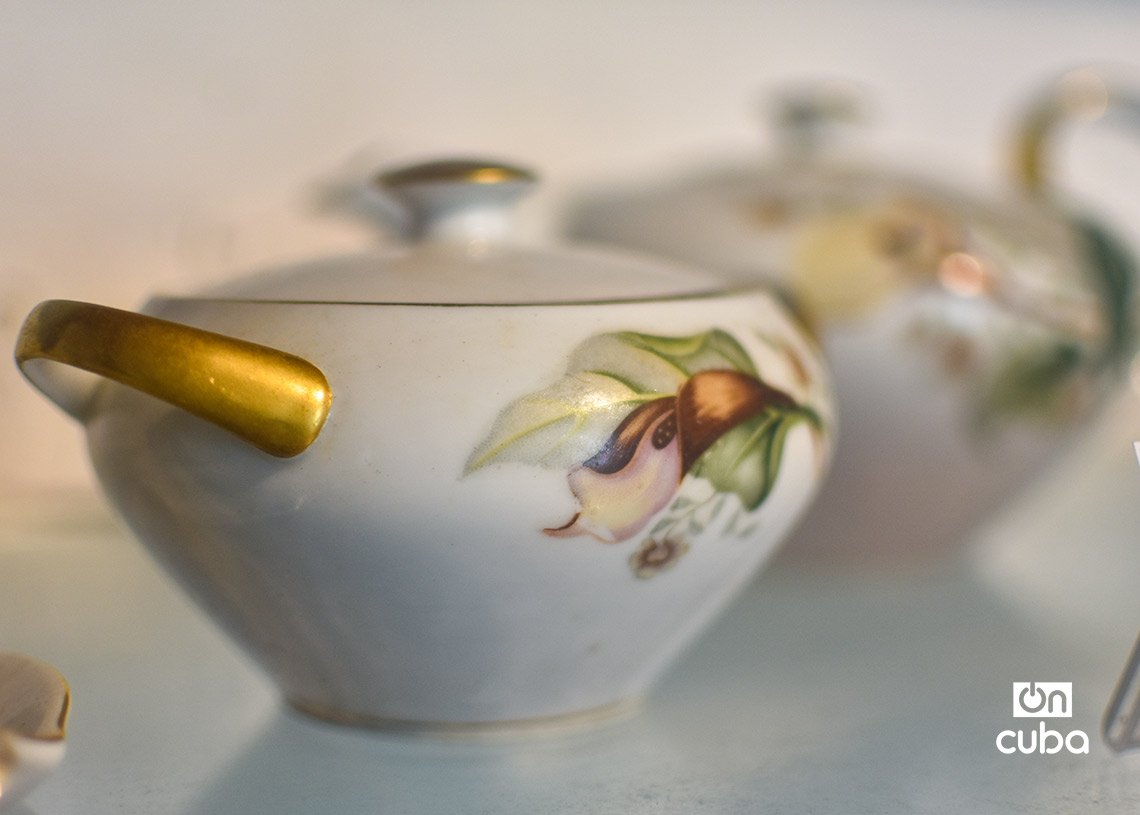 Part of the Japanese collection at the House of Asia in Havana. Photo: Otmaro Rodríguez.
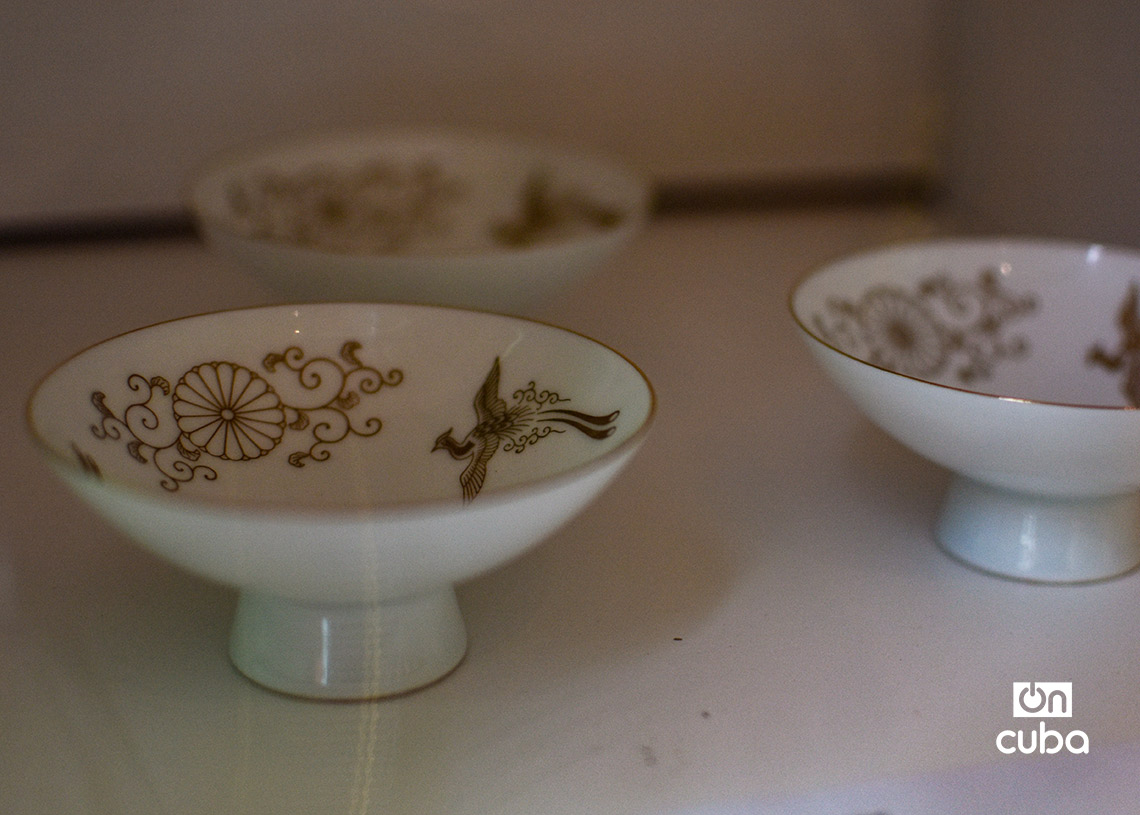 Part of the Japanese collection at the House of Asia in Havana. Photo: Otmaro Rodríguez.
AloJapan.com