
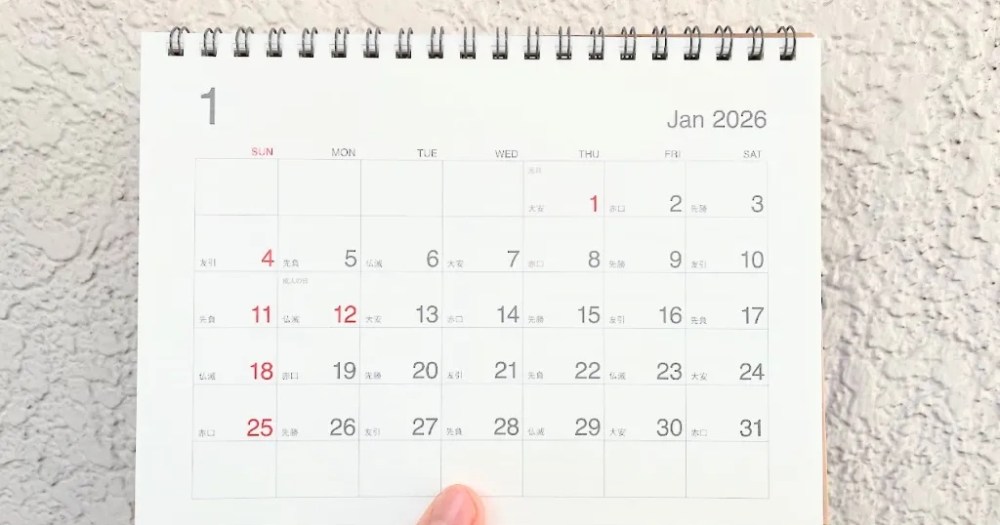
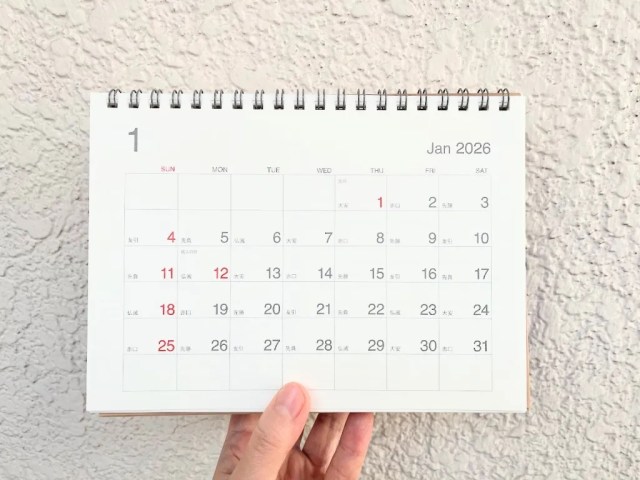
A list of Japan’s three-day weekends plus two vacation periods to dodge if you want to miss the crowds and high prices.
A lot of things in life are a matter of perspective, and that includes when the best and worst times to travel are. For example, if you’re working in a Japanese company or going to school in Japan, it’s probably going to be easiest to schedule your travel plans in a way that utilizes Japan’s public holidays and three-day weekends, since you won’t need to be in the office or in class on those extra days.
On the other hand, if you’re planning a trip to Japan from overseas, or if you’re working/studying in Japan with an organization that operates on a different nation’s schedule, you’re generally going to want to avoid traveling during Japan’s holidays and vacation times. Not only will competing with the local Japanese population mean you’ll be paying more for hotel rooms, plane tickets, and other travel-related expenses, even after opening your wallet extra-wide your reward is just going to be extra-crowded sightseeing spots.
So even if your bosses or teachers aren’t giving you those days off, it’s good to know what dates Japan’s vacation periods and three-day weekends are going to be falling on this year, so we’ve prepared the following list of them.
● January 10-12
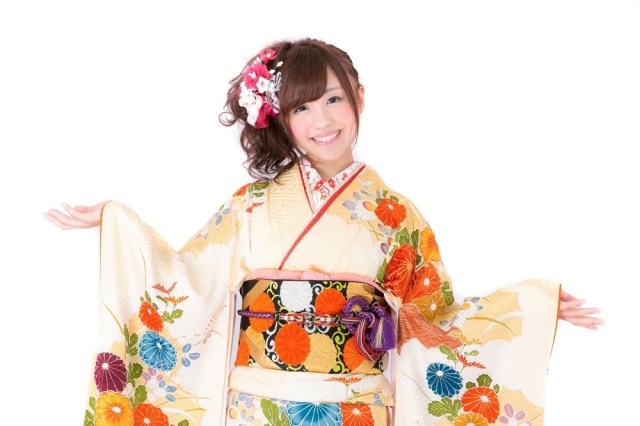
This is a three-day weekend with Seijinshiki, or Coming of Age Day, falling on January 12. On Seijinshiki, people who recently have or soon will be turning 20 years old dress up in kimono for celebratory ceremonies and group photos, and while the fashions and fun atmosphere can be enjoyable to be around, restaurants and pubs get very crowded, and since even those not turning 20 get the day off, there’s a spike in travel and leisure crowds over the weekend.
● February 21-23
The birthday of the current emperor is a holiday in Japan, and in the case of Emperor Naruhito that’s February 23. This year that date falls on a Monday, giving locals a three-day weekend, and without any particular obligations for how the emperor’s birthday is supposed to be spent, it’s sure to be another busy leisure travel time.
● March 20-22
The vernal/spring equinox is also a holiday in Japan. The exact date fluctuates between March 20 and 21, but this year it takes place on March 20, a Friday, creating a mid-March three-day weekend that’ll be coming right about the time the weather starts getting invitingly warm for travelers.
● May 2-6
Golden Week is a collection of holidays: Showa Day (April 29), Constitution Memorial Day (May 3), Greenery Day (May 4), and Children’s Day (May 5). Those are the traditional dates, anyway, but since May 3 is a Sunday this year, the day off for Constitution Memorial Day is being shifted to May 6, creating a five-day block of days off with the preceding weekend. There’s also a chance of some people taking April 30 and May 1 off from work, or May 7 and 8, to extend those weekends, so we can probably expect big travel crowds all the way from April 29 to May 10.
● July 18-20
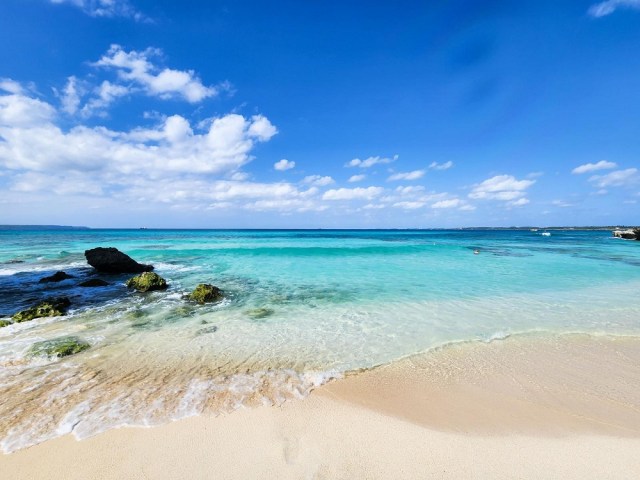
July 20 is Umi no Hi, meaning “Ocean Day” but also sometimes called Marine Day. A relatively modern addition to Japan’s list of holidays (it became an official one in 1995), it’s a popular day for going to the beach, so there’s always extra coastal congestion, and concerts are other entertainment events held on the day can make urban areas crowded too.
● August 13-16
This year Japan’s summer Obon vacation period runs from August 13 to 16, but we’ll probably see many people extending it on the starting end by taking vacation days on the 10th, 11th, and 12th if they can swing it. Traditionally, Obon was supposed to be spent going back to your hometown and reconnecting with extended family, but it’s also become a major leisure travel period.
● September 19-23
Golden Week, which we talked about above, happens every year. Sometimes, though, the Silver Week phenomenon occurs too, when the holidays of Respect for the Aged Day (the third Monday in September, this year September 21) and the Autumnal Equinox (this year September 23) fall close together and can connect to a weekend. When that happens, the day between the two pre-established holidays is also designated a holiday, which is what’s happening in 2026.
● October 10-12

The second Monday in October is Sports Day, or Health and Sports Day, as it was called until 2020. On this day, many public sports facilities, such as gyms and pools, can be used free of charge, and it’s also, of course, a day on which many sporting events are scheduled. It also makes a three-day weekend at arguably Japan’s most comfortable time of year, weather-wise, when the temperatures are neither hot nor cold and the humidity and chance of rainstorms are low, so it’s a big travel period too.
● November 21-23
November 23, which falls on a Monday in 2026, is Labor Thanksgiving Day. Similar to Sports Day, Labor Thanksgiving Day comes during a pocket of pretty agreeable weather in Japan, and it’s also during the fall color season, so with a day off a lot of people pack places famous for their foliage.
● Late December
And last, as in all years, there’ll be a spike in travel at the very end of the year. Though only January 1 is an official holiday, most offices are closed for the first three days of the year, and it’s not uncommon for companies or individuals to tack on an extra day or two off at the end of December too.
Again, the most important thing when making travel plans is personal preference, and if you’re the sort of person who thrives on the energy of huge crowds, you might not have any problems with your itinerary overlapping with the above dates. If you’d like to save some cash and dodge some crowds, though, the above dates are the ones to cross off on your calendar.
Top image ©SoraNews24
Insert images: Pakutaso (1, 2, 3)
● Want to hear about SoraNews24’s latest articles as soon as they’re published? Follow us on Facebook and Twitter!
[ Read in Japanese ]
Like this:
Like Loading…
AloJapan.com