
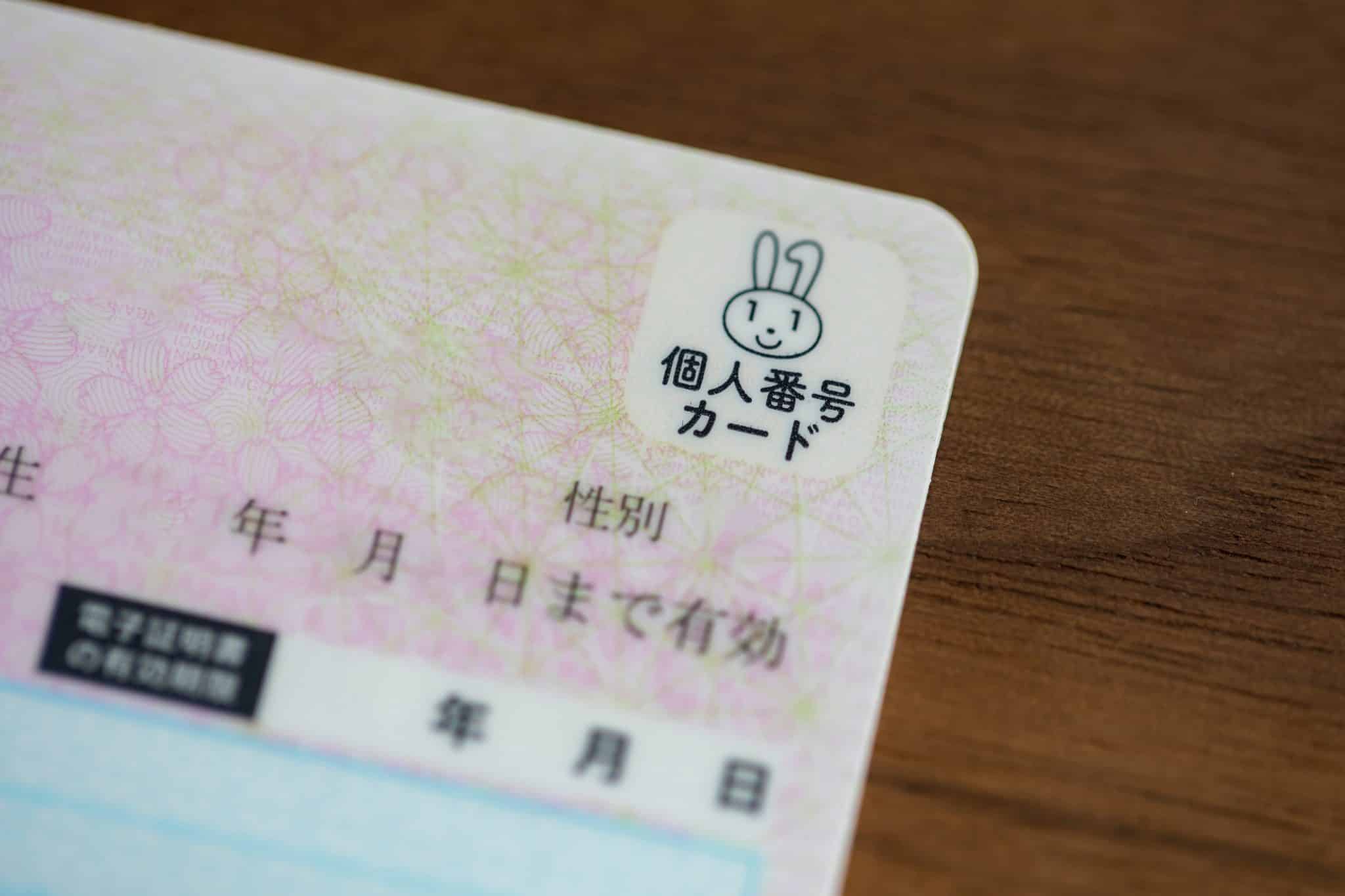
While perhaps quieter about it compared to others in its neighborhood, Japan is also engaged in digital transformation and its citizens were treated to a memo on Monday.
In a “New Year’s Reflection” the country’s Minister for Digital Transformation Matsumoto Hisashi shared achievements and plans.
Japan’s digital identity infrastructure has reached a milestone with more than 100 million My Number Cards issued. The card is used widely for administrative procedures, healthcare access and private‑sector services. These include bank account onboarding and cashless payments.
“With approximately 80 percent of the population now holding a My Number Card, the foundation for a digital society in Japan is considered firmly established,” according to the minister.
In 2026, the government plans to deepen Healthcare DX and Nursing Care DX, using the My Number Card as a health insurance credential. Emergency responders already have access to patient data through the My Number Emergency Service. The next phase includes nationwide rollout of electronic medical records, expanded secondary use of medical data and digitization of processes such as medical subsidies and maternal‑child health services.
The minister also highlighted progress on the delivery of welfare, mentioning the delays in benefit distribution during the Covid‑19 pandemic. Around 63 million accounts have been registered, and local authorities made 32 million queries last year to verify account information for benefit payments. The minister cited this as evidence that the system has become core infrastructure. The government will now push to increase registrations, including among pensioners.
Japan is also preparing digital infrastructure for a new tax credit system with direct benefits, announced by Prime Minister Takaichi. The Digital Agency will help design the system to ensure fast, reliable payments.
Local governments will continue transitioning their core systems to the Government Cloud with national support to manage costs and ensure secure, standardized operations. To address labour shortages and maintain service quality, the government will expand the use of generative AI in public administration. A secure environment called “Gennai” will allow civil servants to use AI tools safely, supported by improved access to government‑held data.
Broader digital transformation policies will focus on sustaining essential public services — healthcare, childcare, transport, water systems — despite demographic decline. The government will also build frameworks that enable AI data use while protecting personal information.
Finally, Matsumoto acknowledged public concerns about digitalization. He emphasized a commitment to human‑friendly digitalization and stressed the need for basic cybersecurity habits such as avoiding password reuse, keeping devices updated, and not opening suspicious messages. Improving digital literacy and information security awareness will remain a priority.
New app scheduled for 2026
In 2026, the Digital Agency will launch a new app, which is tentatively named “Myna App.” In addition, this year the My Number Card will become available on Android — following its launch on iOS in 2025 — and the digital ID will enable tax returns to be filed entirely on a smartphone.
Meanwhile, the total number of downloads for the digital identification app has reached 181,000. The number of private sector entities and institutions planning implementation is 182.
The total number of registrations for the gBizID (Government Business Identity) reached 1.25 million as of March 2025. The annual number for online procedures on e-Gov, the service for business procedures, was 30.43 million for financial year 2024.
The figures are taken from the “Activity Report and Future Plan of Digital Agency of Japan in 2025.”
Japan’s digital society strategy focuses on boosting national productivity through digitalization, expanding data‑driven services in key public sectors such as healthcare and education, and using digital tools to revitalize regional communities.
It aims to build an inclusive digital society where no one is left behind, strengthen the development of digital talent, and advance international cooperation through cross‑border data flows based on trust (DFFT).
As public communication and education is often cited as an important factor in the success of digital transformation, the Digital Agency released a video in September 2025. With the tagline of “Digitalization for everyone, in everyday life,” the short film showed numerous scenarios.
These included getting certificates at a convenience store, making payments at a cafe using My Number Card, taking advantage of personalized digital textbooks in school, and identity verification at a sports or music event.
Article Topics
digital government | digital ID | digital identity | digital inclusion | Japan | My Number | Myna App
Latest Biometrics News
Jan 7, 2026, 2:30 pm EST
A Department of Homeland Security (DHS) immigration enforcement agent told a federal court that the REAL ID–compliant driver’s licenses that…
Jan 7, 2026, 11:31 am EST
Most UK citizens do not understand what a digital identity wallet means: While some conflate it with Google and Apple…
Jan 7, 2026, 11:26 am EST
In a recent post discussing identity and access management (IAM), open source content collaboration platform Nextcloud raises questions about the…
Jan 7, 2026, 11:18 am EST
The U.S. Department of State’s Bureau of International Narcotics and Law Enforcement Affairs (INL) issued a Sources Sought Notice to…
Jan 7, 2026, 11:09 am EST
Socure has been invited to join the World Economic Forum’s Unicorn Community, an exclusive invite-only network of private, high‑growth companies…
Jan 7, 2026, 11:01 am EST
Ethiopia’s Government Communication Service (GCS) has underscored the role of the Fayda ID in the country’s 2030 digital strategy, which…
AloJapan.com