
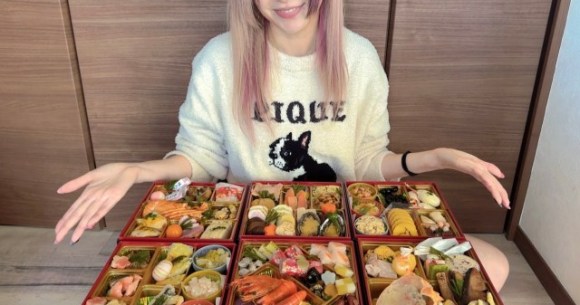
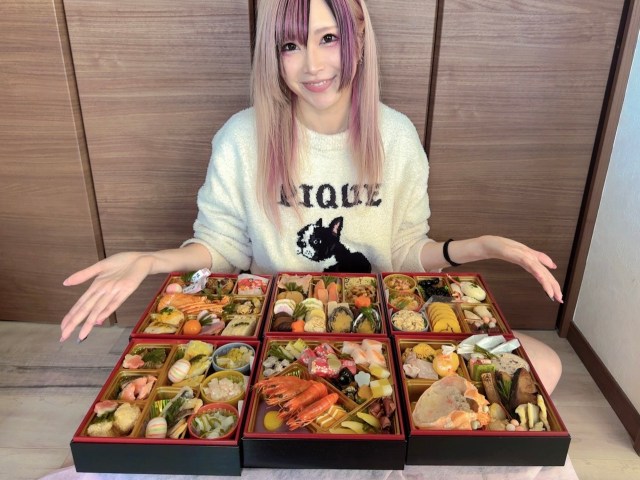
Will Ikuna go big or go home with her New Year’s feast this year?
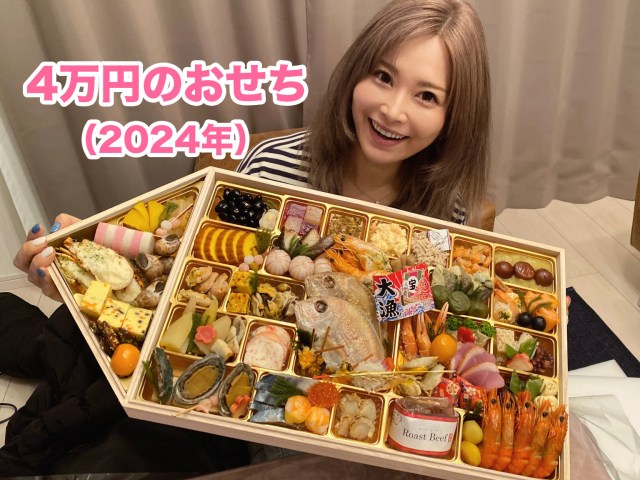
Our Japanese-language writer Ikuna Kamezawa has an annual custom of purchasing an osechi fukubukuro, or New Year’s feast lucky bag, from Rakuten. The price is fixed at a uniform 12,345 yen (US$79), which includes tax and the cost of shipping, but some entries out of the 58 total possibilities are worth more than others. This year, the cheapest one is worth 17,776 yen while the most expensive one is worth a whopping 600,000 yen. In other words, it’s still a good deal even if you were to receive the absolute cheapest one, but of course, everyone hopes to score the jackpot. Two years ago, Ikuna herself entered the big leagues by pulling in the sixth most expensive one valued at 40,000 yen.
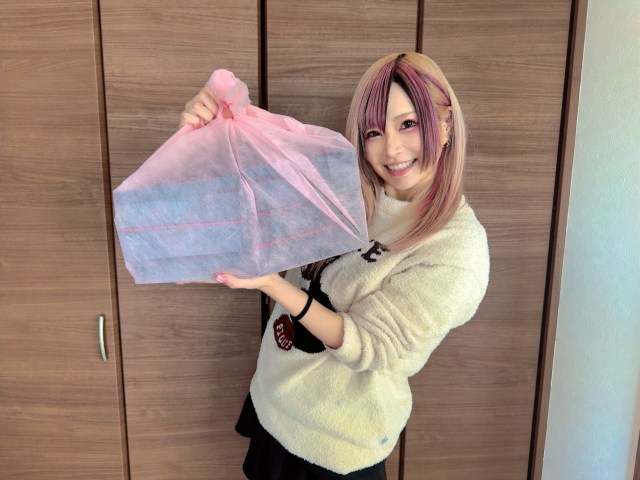
▼ Proudly posing with her winning osechi like men posing with their big bread
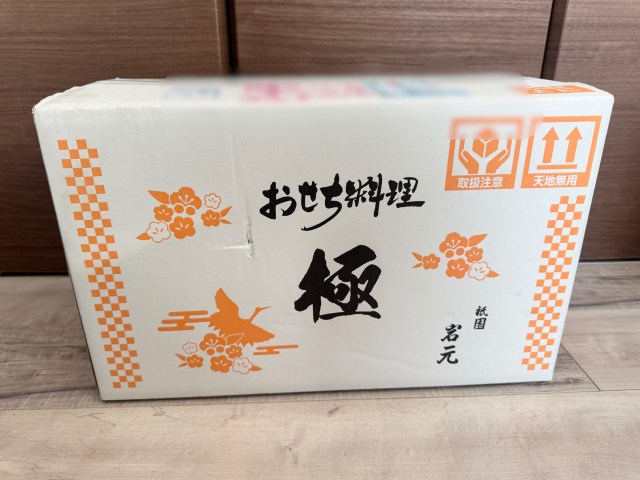
Ikuna’s 2026 osechi arrived on December 30. Her intuition from past experience told her that the fact that the manufacturer’s information was inscribed on the box was a good sign.
She opened the box and was greeted by the usual packs of chopsticks waiting at the top.
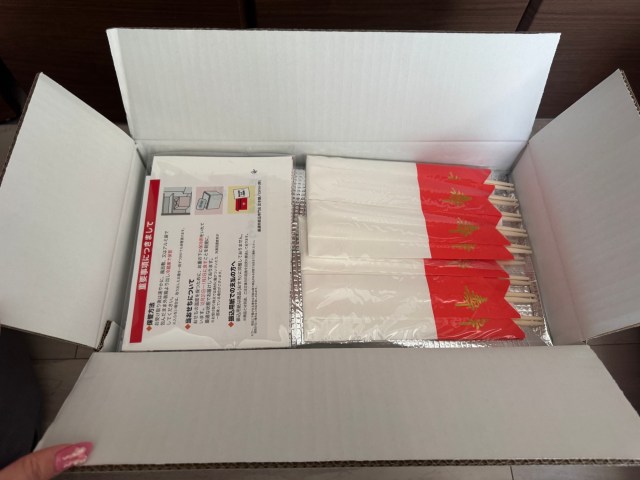
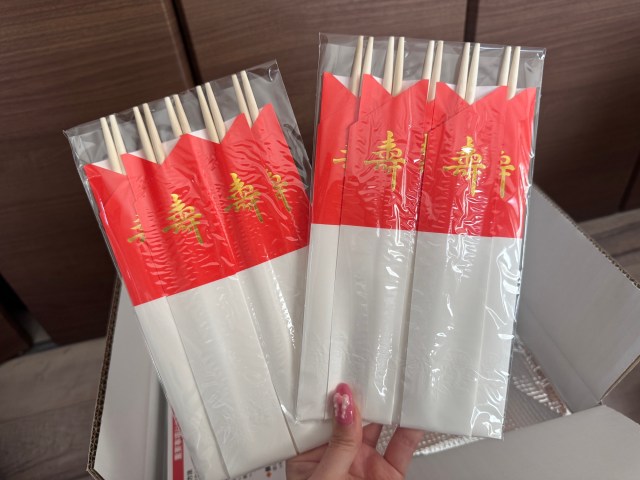
A trick that she’d picked up over the years was that the number of chopsticks in the box was more or less equivalent to the number of servings of the food. This one had 10 sets, which also seemed promising.
The contents were in a heavy three-tiered box…
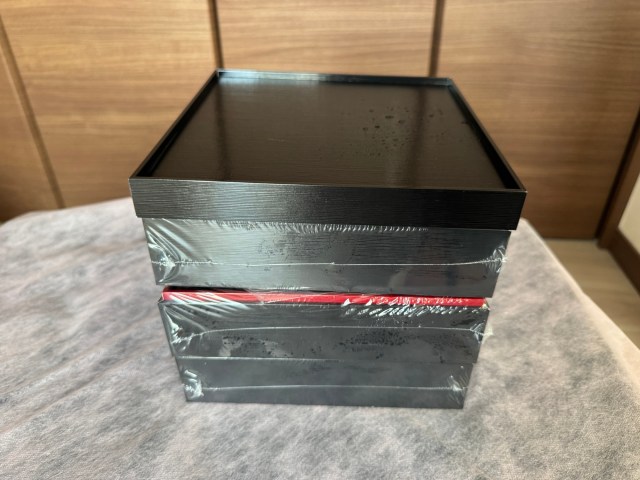
…doubled!
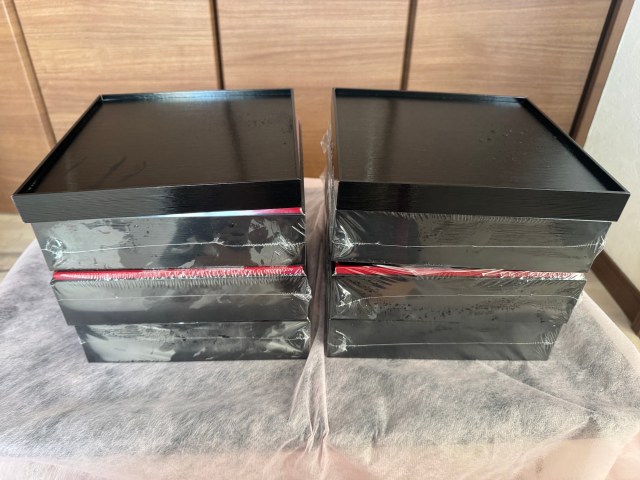
Ikuna was 99-percent sure that she had scored big at this point and couldn’t stop smiling.
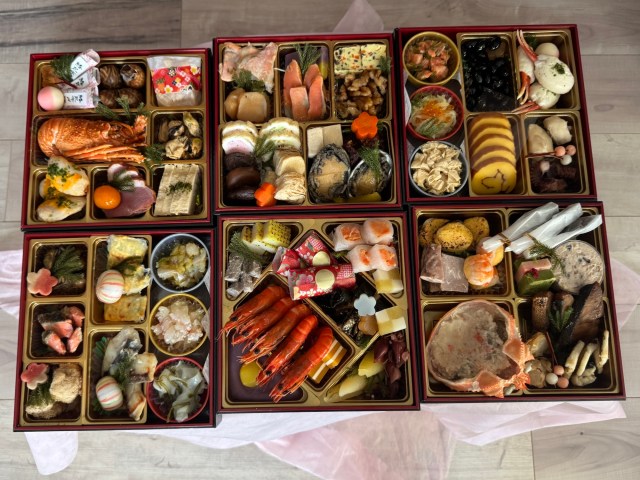
She opened the boxes up and laid them all out in front of her. It was an absolute feast.
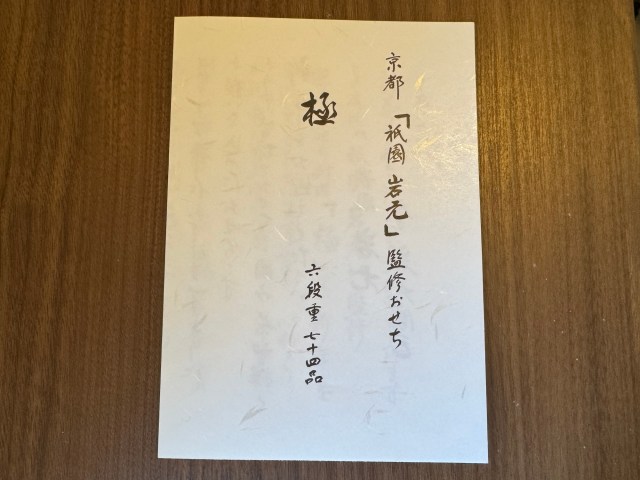
The full identity of the spread finally became apparent as well. It was from Gion Iwamoto, a Kyoto-based restaurant of traditional Japanese kaiseki multi-course meals. There were 74 individual dishes inside meant for seven to eight people. Valued at 38,800 yen, that made it the 11th-most expensive osechi out of the 58 possibilities. While Ikuna hadn’t beaten her record from 2024, she was more than pleased with the result.
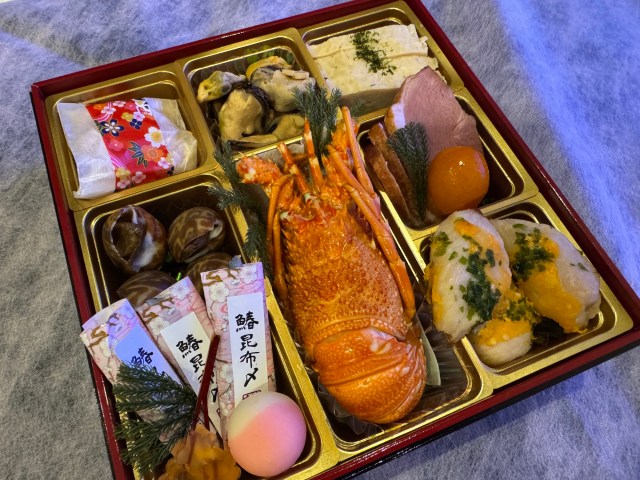
Inspecting the individual dishes more closely, she was blown away by their exquisite detail and color. The first box contained the visual centerpiece in the form of lobster.
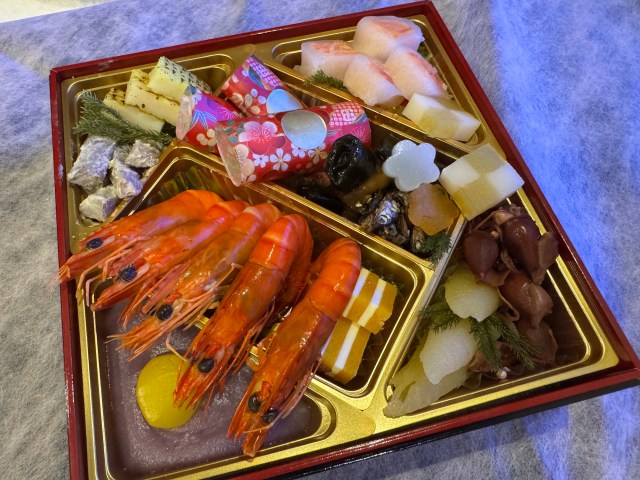
The second box displayed equally delectable shrimp and herring roe, but Ikuna was drawn to her personal favorites of broiled candied chestnuts and sweet potatoes.
The third box may have seemed less impressive at first glance, but almost everything in it contained seafood in some form. It was perfectly aligned with Ikuna’s tastes.
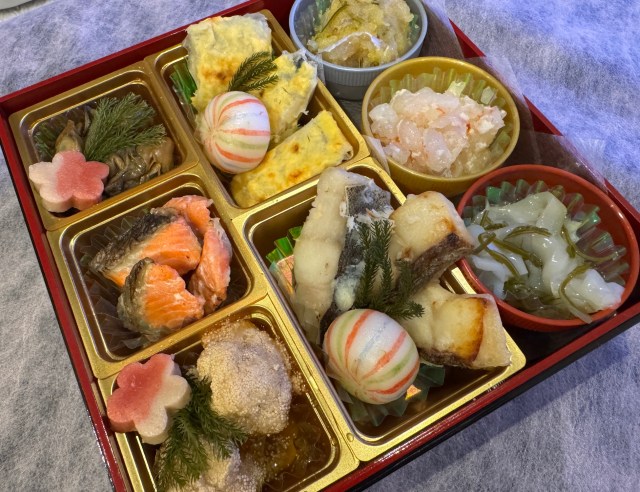
The fourth box held black soybeans, rolled omelet mixed with fish paste, and vinegar-seasoned raw fish and vegetables, among others.
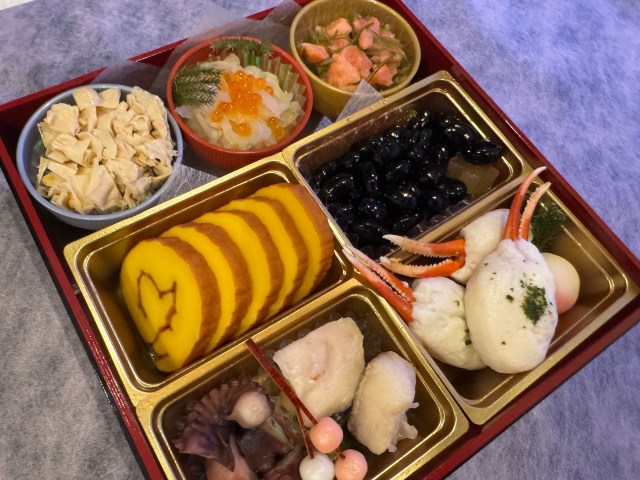
The fifth box contained another impressive array of seafood dishes including a baked crab dish inside of the shell, amberjack teriyaki, scallops, and conger eel.
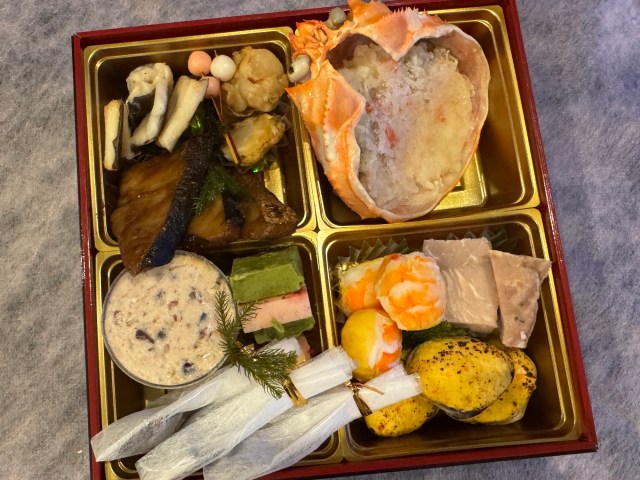
The sixth and final box centered on abalone, but Ikuna personally preferred the yuba tofu skin and caramelized walnuts.
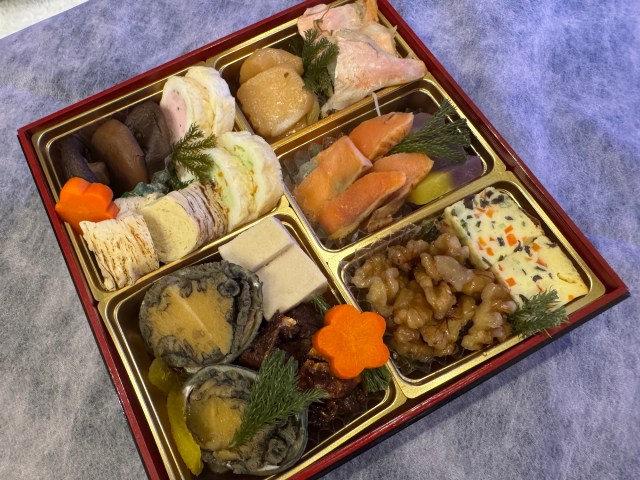
Here’s a bird’s-eye view of the whole spread!
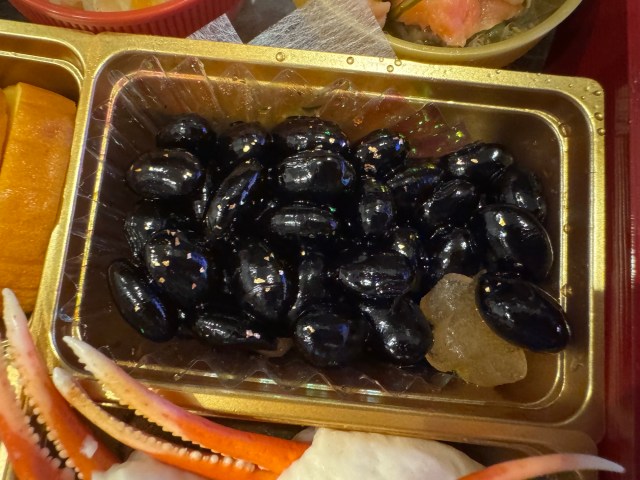
Ikuna decided to start her tasting with her usual selection of black soybeans, an important osechi standard that symbolizes prosperity. Actually, the same dish in her luxurious osechi two years ago was slightly coffee-flavored, which left lasting trauma in her mind. While that might be a fun, modern twist for certain diners, she prefers a good, old-fashioned version.
Thankfully, Gion Iwamoto’s version was so traditional that it reminded her of her own grandmother’s recipe. That was a good indicator that the rest of the dishes would be equally delicious.
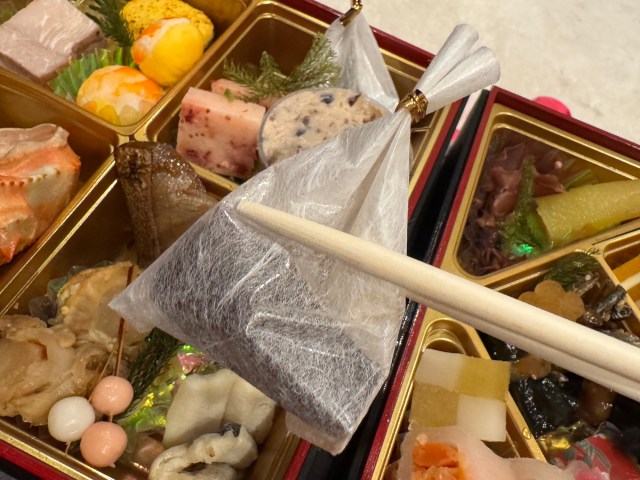
If she had to sum up this year’s osechi in one thought, it was that there were a surprising number of seafood dishes. For instance, this pouch resembling a teabag contained fish.
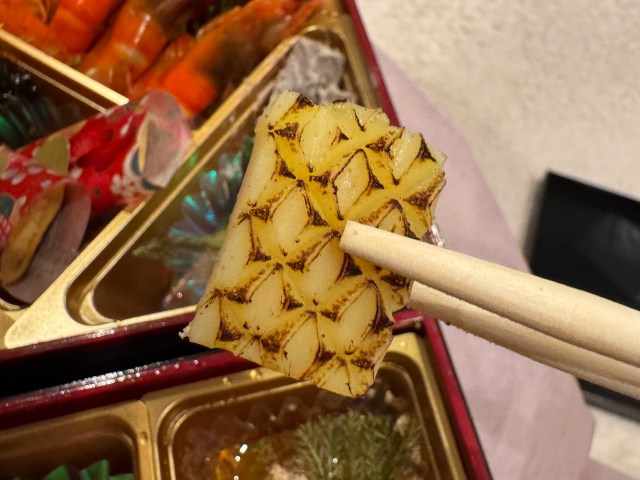
Meanwhile, this pineapple-looking thing was actually squid.
You might think that the below is tsukemono pickled vegetables, but it was actually shrimp.
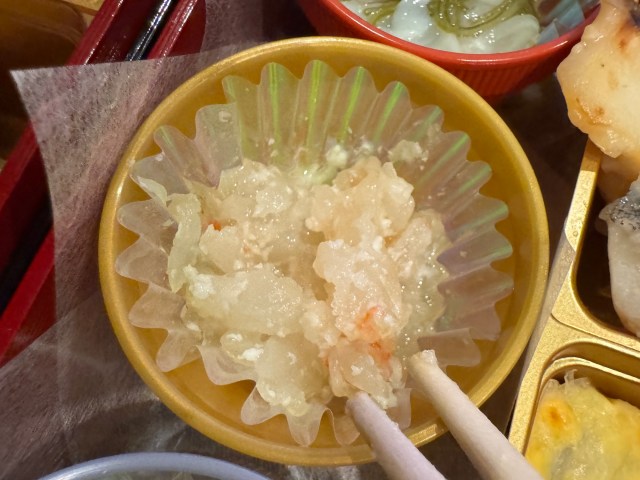
There were tons of other fish, shellfish, and crustacean-based dishes as well. It was truly the perfect assortment for someone like Ikuna who strongly prefers seafood over meat dishes.
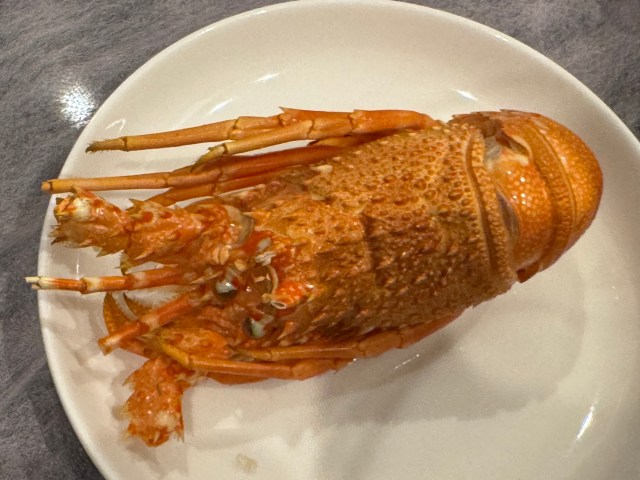
As to be expected at this point, the centerpiece lobster was superb.
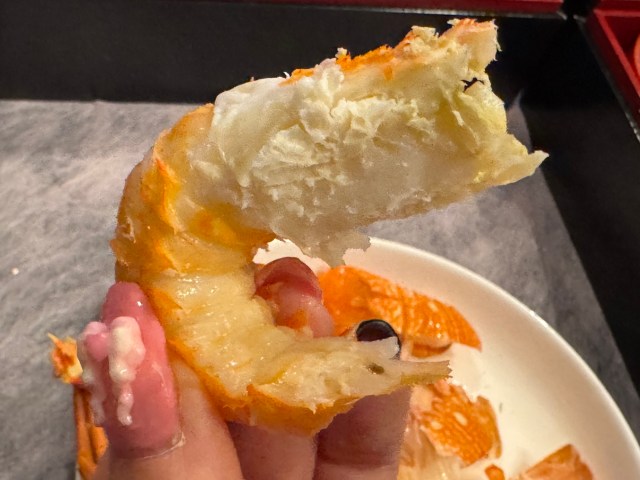
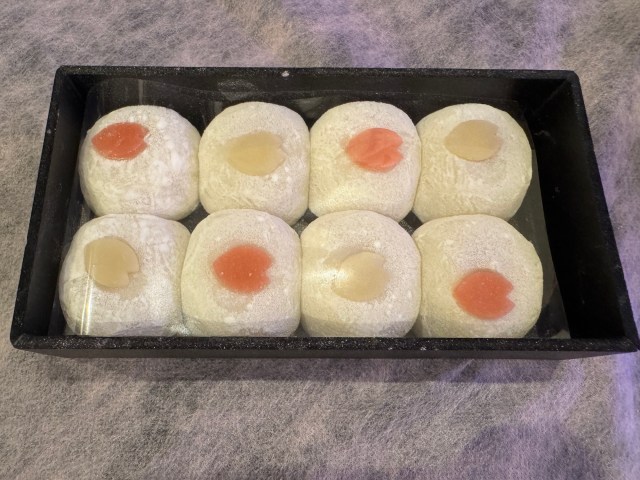
As a final perfect touch, the package also contained bonus beautifully shaped sakura daifuku sweets.
By the way, to end on a fun note, this is what the entire guide to all 74 individual dishes looked like.
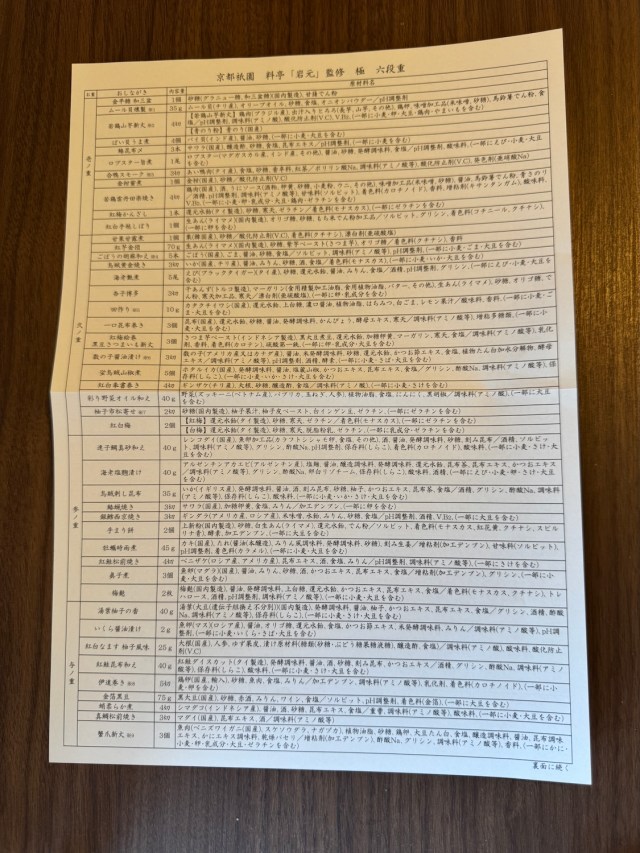
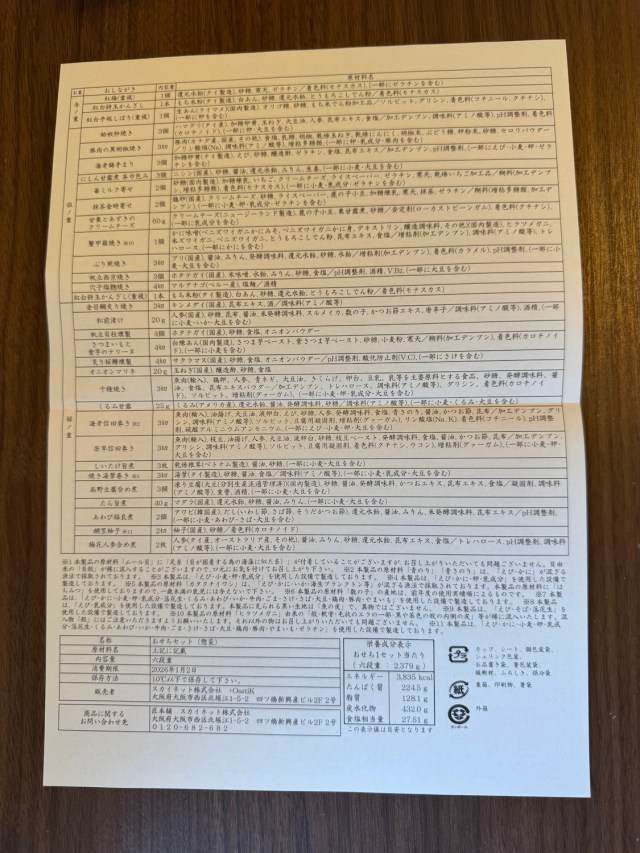
Yikes! Ikuna was more than happy to just enjoy the dishes without compromising her eyesight heading into the new year.
Usually, when it comes to osechi, the most popular dishes disappear quickly, leaving the unpopular ones. Without any exaggeration, this time Ikuna thought she could happily eat away at them all little by little. She even thought that she would be willing to pay the the list price for this one since it was so perfectly suited to her taste. Here’s to a happy and delicious 2026 to come–and hopes that she’ll score an equally impressive osechi next year as well!
All images © SoraNews24
● Want to hear about SoraNews24’s latest articles as soon as they’re published? Follow us on Facebook and Twitter!
[ Read in Japanese ]
Like this:
Like Loading…
AloJapan.com