
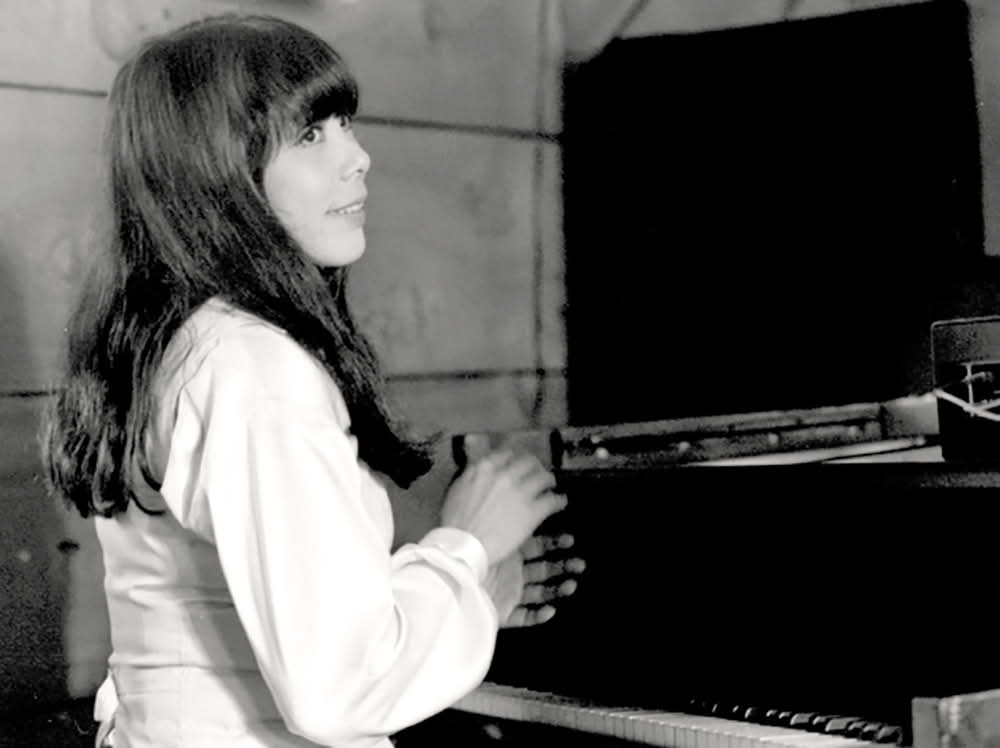
Toshiko Akiyoshi, a Japanese-American pianist, composer, and bandleader, has established one of the longest careers in jazz, still performing in her nineties. She’s been a pioneer for Asian women in jazz, breaking through in a musical world that was mostly male.
With her classical training as a foundation, her unique playing and composing style set a new standard. It’s a rare kind of longevity and influence; for most musicians, two or three active decades is considered a huge win. Akiyoshi’s seven-decade career, which includes 14 Grammy nominations, places her among a small group of once-in-a-lifetime talents. Her life and music show what it means to truly innovate within a global art form.
The Earliest Notes: From Manchuria to Berklee
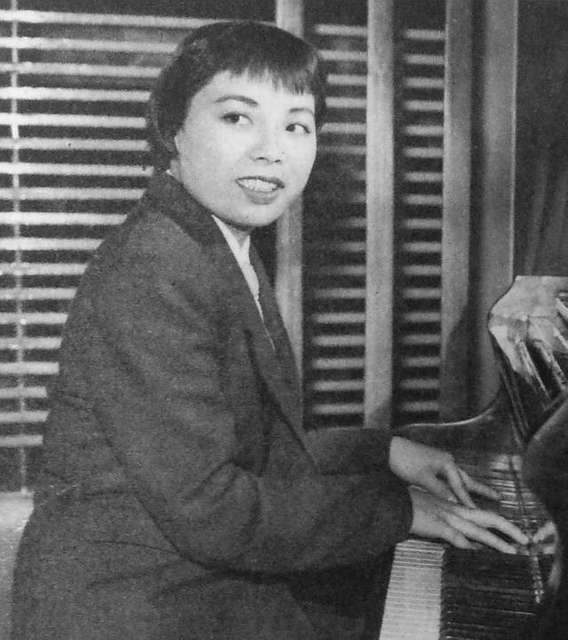
Akiyoshi was born in 1929 in Manchuria, China, to a Japanese family. She started playing piano at seven, learning classical music. That world changed drastically when her family returned to Japan, penniless, after World War II.
When she was sixteen, a local record collector introduced her to jazz, playing a recording of Teddy Wilson’s “Sweet Lorraine.” She loved the sound immediately. She spent her late teens transcribing jazz records to learn everything she could, eventually landing a gig playing in a big band in Fukuoka at seventeen.
In 1952, the legendary pianist Oscar Peterson heard her play in Tokyo. He was so impressed he helped arrange her first album, Toshiko’s Piano (1954). The album’s success led Lawrence Berk, founder of Berklee College of Music, to offer her a full scholarship. Akiyoshi became the first Japanese student to enroll at the school in Boston in 1956.
Read More: Diamond Diplomacy: How Baseball Became a Bridge Between America and Japan
The move to America brought a mix of attention and isolation. Akiyoshi once told the LA Times about the initial reaction: “In those days, a Japanese woman playing like Bud Powell was something very new. So all the press, the attention, wasn’t because I was authentic… It was because I was strange.” Despite this early “mixed reception,” her brilliance was undeniable, and she made a lasting impact on the genre.
Composing a Different Kind of Story
Akiyoshi’s Japanese background and classical roots are clear in her work, making it stand out. She integrated Japanese themes, harmonies, and even instruments into the core of American jazz, a sound rooted in the influences of greats like Duke Ellington, Charles Mingus, and Bud Powell.
“My music is mostly programmatic,” she explained. “Most of the big band writers were arrangers rather than composers, except for Ellington, of course – they played popular tunes and had a singer, and so on, but their music didn’t tell a story.”
She makes a clear distinction about her own creative goal. “In my mind, it’s very important to tell a story,” she said. “My music has to have a certain attitude, it must reflect my view of certain things. That’s what I like to bring into the music I write – a point of view. That’s the difference between a writer and an arranger.” This sense of purpose and point of view in her music truly separates her. By taking Japanese musical textures and fusing them with jazz forms, she created a space all her own.
Read More: Frank Soo: England’s First Asian Heritage Footballer Finally Honoured at Wembley
The Breadth of a Long Career
The sheer amount of music Akiyoshi has created is astonishing. Her discography spans 75 albums, from her 1954 debut to The Eternal Duo! in 2019. Over more than five decades, she averaged about one studio album release per year, constantly generating new work in different formations, from solo piano to her renowned big bands.
Her excellence has been consistently recognized. In 2007, she received the National Endowment for the Arts Jazz Master honour, America’s highest award for jazz musicians. She’s won the Jazz Album of the Year award from Stereo Review for her album Long Yellow Road and earned many other honors from music publications. In 2004, she was honored by Japan, receiving the Order of the Rising Sun for exceptional service.
Beyond the awards, Akiyoshi paved a new road for women in a male-dominated field, acting as an Asian woman bandleader in America. Her mastery of the piano and her polish as a composer helped establish a foothold not only for herself, but for all the women who followed.
Her family also reflects this musical legacy. She married saxophonists Charlie Mariano in 1959 and later Lew Tabackin in 1969. Her daughter with Mariano, Monday Michiru, is a singer-songwriter who also blends genres. You can find videos of them performing together, even when Akiyoshi was 92, a sign that this generational brilliance is still very much active.
AloJapan.com