
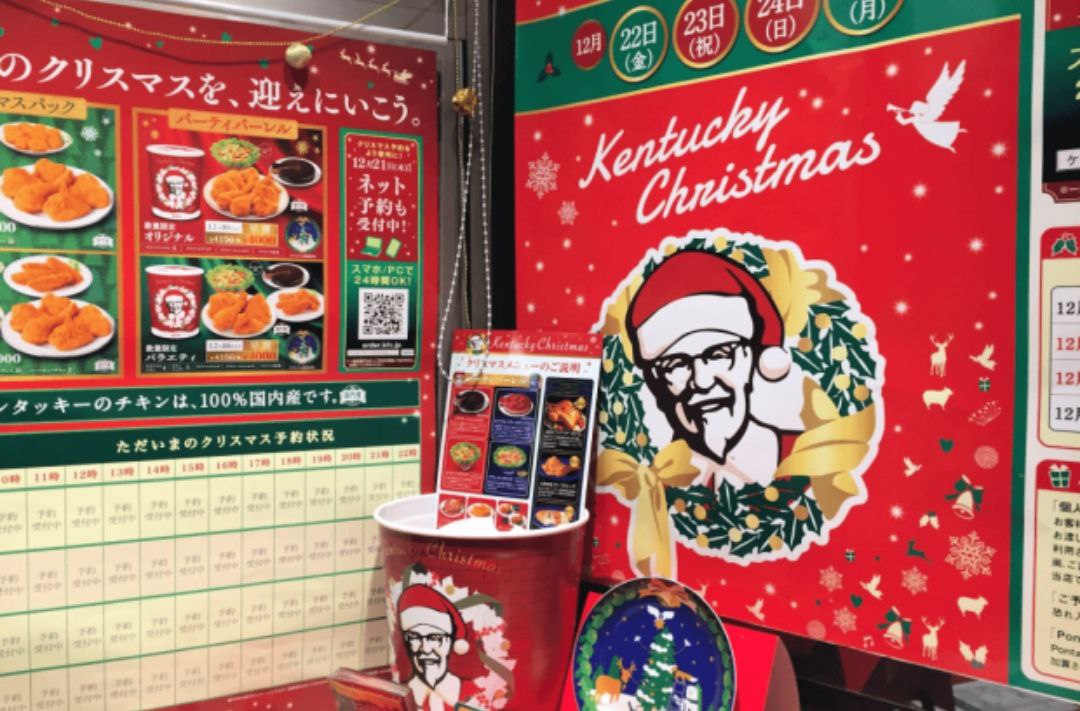
In the annals of marketing genius, few stories shine as brightly as KFC’s transformation of Christmas in Japan. What began as a clever workaround in the 1970s has evolved into a nationwide ritual: millions of Japanese families gathering around buckets of fried chicken on Christmas Eve.
 In a country where Christians make up less than 1% of the population (approximately 0.73% as of 2023, with around 300,000-2 million adherents depending on definitions), this secular, finger-lickin’ feast has become as iconic as strawberry shortcake or illuminations — proving that traditions can be manufactured, marketed, and wholeheartedly embraced.
The tale traces back to Japan’s post-war economic miracle. As the country rapidly modernized in the 1970s, Western brands flooded in, but adapting to local tastes proved challenging. KFC opened its first Japanese outlet in Nagoya in November 1970, managed by the ambitious Takeshi Okawara.
Initial sales struggled — fried chicken wasn’t exactly competing with everyday staples like katsudon or sushi.
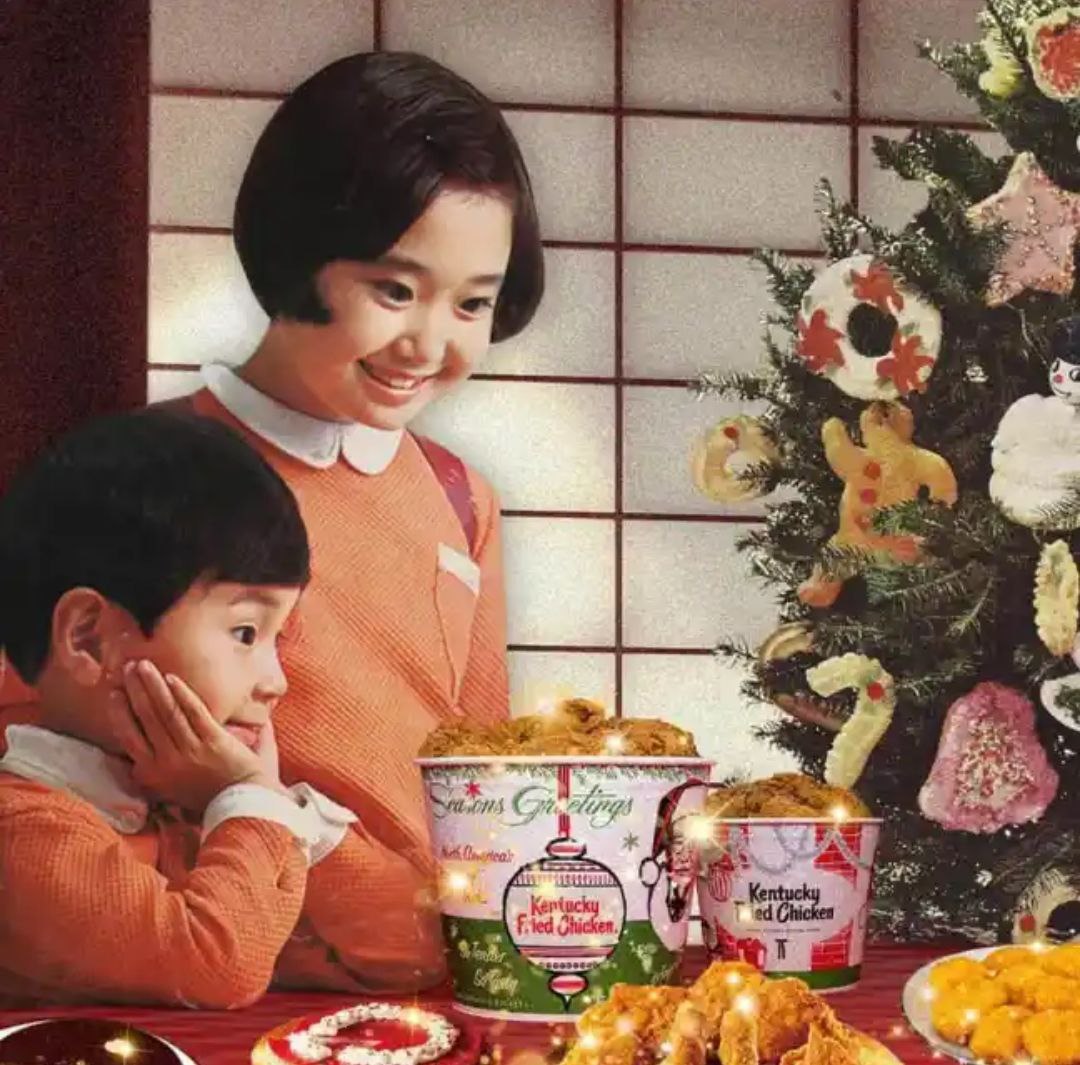
 The breakthrough came around Christmas 1970-1971. Legends vary slightly: some say Okawara overheard expatriates complaining about the scarcity of turkey for holiday dinners; others credit a kindergarten event where he delivered chicken dressed as Santa, delighting the children.
Whatever the spark, Okawara saw opportunity in Japan’s budding fascination with Western holidays. Christmas had gained traction post-war as a romantic, commercial event — think dates for couples and gifts — but lacked deep-rooted food traditions.
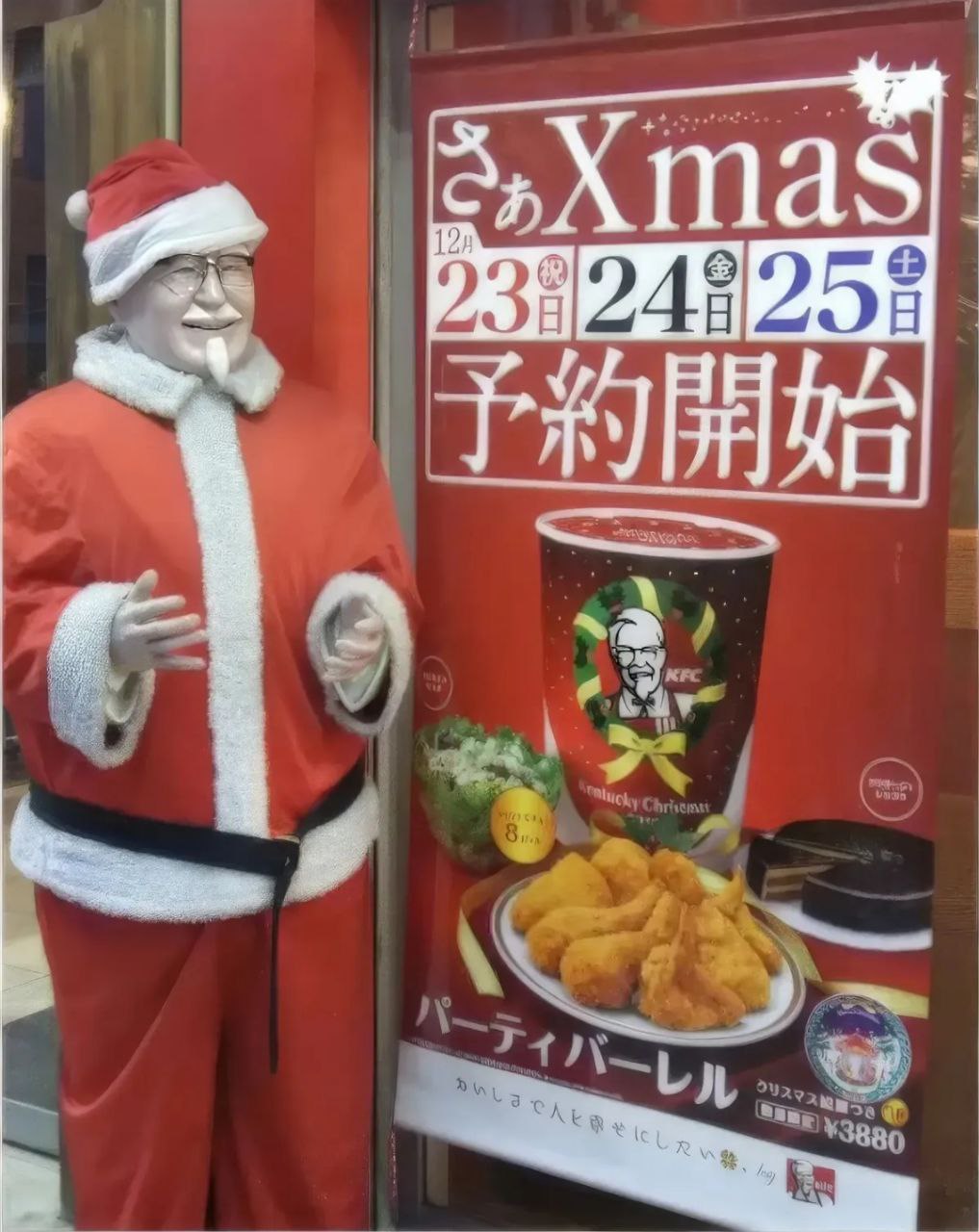
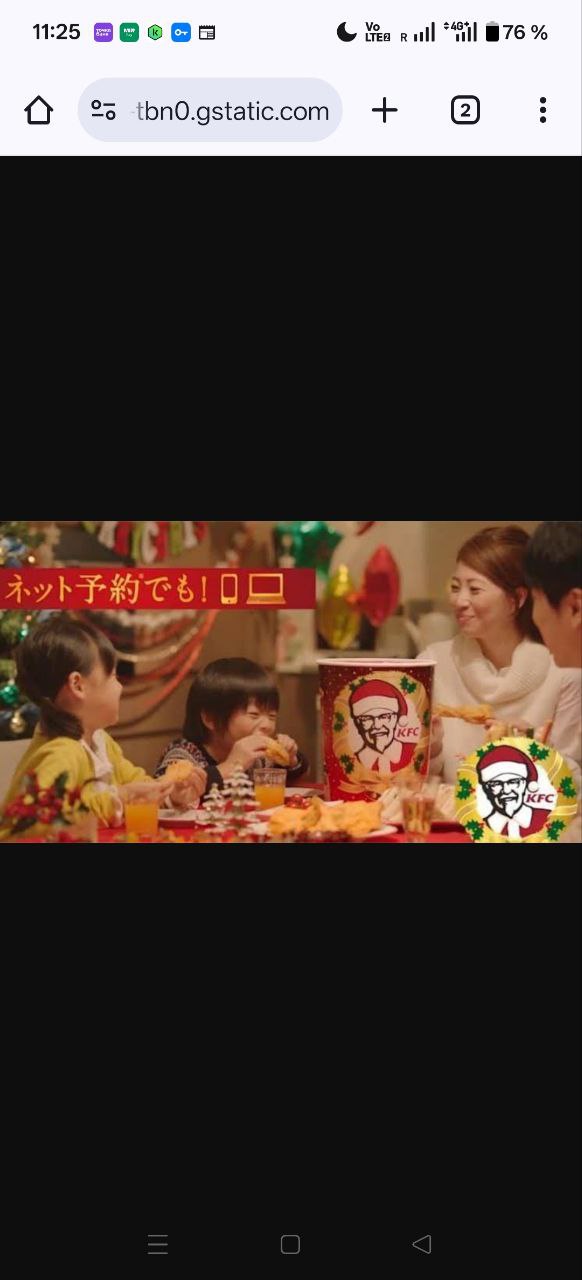
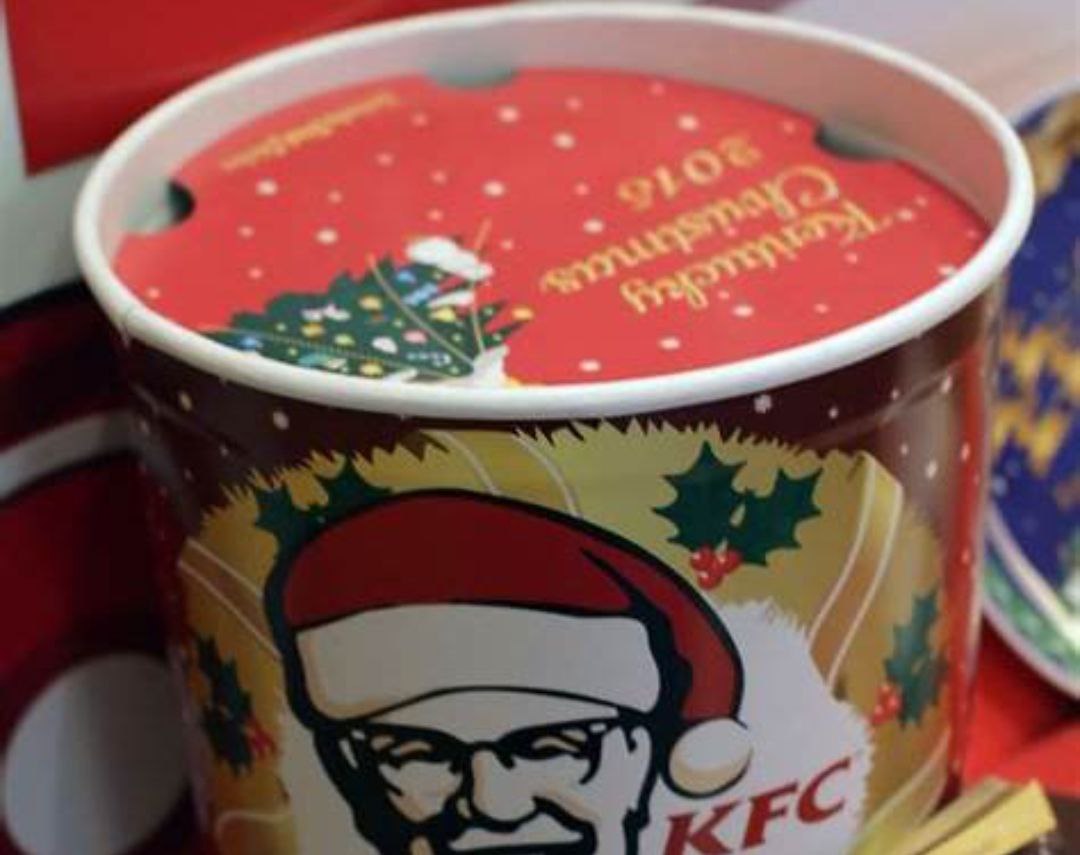
Okawara pitched “Party Barrels”: family-sized buckets of fried chicken positioned as a convenient alternative to hard-to-find turkey. He tested the idea locally, then in 1974, KFC Japan launched it nationwide with the unforgettable slogan “Kurisumasu ni wa Kentakkī”— literally “Kentucky for Christmas.” Ads depicted joyful families enjoying the meal, blending foreign allure with cozy familiarity. Colonel Sanders statues donned Santa suits, and the campaign leaned into the exotic: “This is how Americans celebrate!”
It worked spectacularly. Curious locals, intrigued by expats embracing the “gaijin tradition,” tried it. Without strong competing customs—and with Christianity minimal — KFC filled the void. They didn’t co-opt an existing ritual (unlike Coca-Cola’s Santa or Moët’s New Year’s champagne toasts); they created a playful parody that became authentic in its own right.
 The numbers speak volumes. Today, an estimated 3.6 million Japanese families order KFC for Christmas, with queues snaking around blocks and pre-orders starting as early as November (often with early-bird discounts until mid-December).
Sales spike dramatically: Christmas Eve is the chain’s busiest day, with traffic up to 10 times normal.
The holiday period (December 23-25) can generate billions of yen — records include ¥7 billion in 2023 — accounting for roughly one-third of KFC Japan’s annual revenue in many years (though precise figures vary, with some sources citing up to 40%).
Limited-edition buckets, collaborations, and premium sets (complete with cake, gratin, and wine) go viral on social media, sustaining the hype. Reservations are essential; walk-ins risk disappointment amid the frenzy.
 In a culture resistant to overt foreign religious imports, KFC’s stroke of brilliance was subtlety: framing fried chicken as fun, family-oriented, and effortlessly festive. No preaching, just delicious convenience. Okawara rose to CEO of KFC Japan (1984-2002), turning a struggling outpost into the chain’s third-largest market.
This isn’t just savvy advertising — it’s cultural engineering at its finest. KFC didn’t steal Christmas; they gifted Japan a new one, wrapped in red-and-white stripes. As we head into another holiday season, it’s a reminder: the best business hacks don’t force change— they spark it, one crispy drumstick at a time.
Also read:
Thank you!
AloJapan.com