
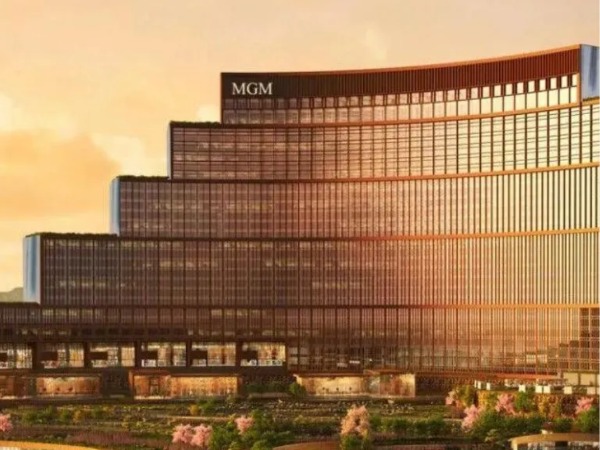
New architectural details have emerged related to MGM Osaka, the long-anticipated project destined to become Japan’s first integrated resort. The JPY1.51 trillion (US$9.63 billion) development will feature an expansive 23,293 square-meter casino floor that could accommodate approximately 470 tables and 6,400 slot machines, in line with numbers previously discussed by industry executives. The details were based on an architectural plan obtained by the media this week from the Osaka city government, providing the most detailed outline so far of the resort’s physical size.
A Landmark Collaboration
This will be one of the biggest partnerships between local authorities and major private players in the country. It has brought together Osaka city and prefectural governments, U.S.-based operator MGM Resorts International, Japan’s Orix Corp, and a consortium of other domestic investors. Opening at the end of 2030, it aspires to revolutionize the tourism landscape in this area. The magnitude of the investment gives an indication of the stakes at play as all stakeholders are striving to produce a world-class tourism destination with all facilities for entertainment, hospitality, and business integrated into a single district.
Drawing Inspiration from Las Vegas
It has been reported that the design for the main building takes its inspiration directly from one of the most iconic Las Vegas properties. The architectural plan allows the structure to take a shape similar to that of the Bellagio Resort & Casino, belonging to MGM Resorts in the United States. This will be a central 126-meter-high tower, going as high as 27 floors above ground and an additional level below ground.
The structure also consists of two hotels with 1,840 rooms in total. It will anchor the entertainment offers at the resort and is planned to serve as the focal point of the casino and the theater. The design is inspired by Bellagio in a way to channel the elegance of Las Vegas onto the Osaka waterfront, while having a concept that aligns with local culture and surroundings.
Diverse Hospitality and Event Spaces
Complementing the main tower, the second hotel-resort building will be designed to offer guests another experience. It stands 56 meters tall, with 13 above and one below ground, adding another 660 rooms to the inventory. The studio for guests to practice cultural activities, such as having a traditional Japanese tea ceremony also helps show the development in focusing on the integration of local tradition with modern luxury. The MICE segment would take up a large part of the development; this includes meetings, incentives, conferences, and exhibitions. The complex footprint will cover 16.7 hectares.
The MICE building itself will rise to a height of 27 meters over four storeys above the ground and one basement level. There are plans for two large halls, plus several meeting rooms aimed at receiving groups of all sizes. A large multi-storey parking complex will also be developed in support of resort visitors.
Infrastructure for a New Era
These recently announced architectural details signal that a project years in the making has reached a full-fledged stage of development. The exact dimensions of the casino, the capacity of hotels, and the scope of conference facilities give a tangible idea of what to expect. The approach to the opening date in 2030 will probably shift from strategy and planning to how all these fit into place as the consortium works to bring to life this ambitious vision of Japan’s first integrated resort.
Source: GGR Asia
AloJapan.com