
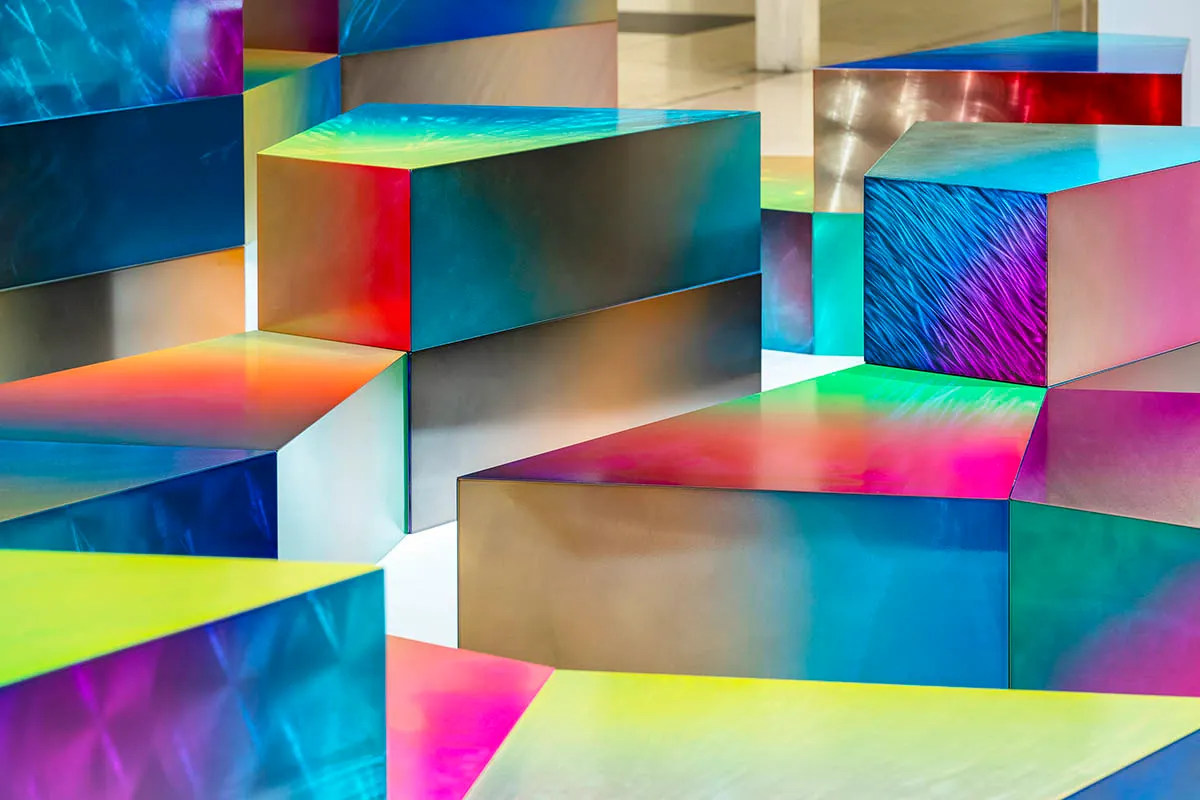
Designart Tokyo 2025, an event that redefined Japanese creative expression under the evocative and challenging theme “Brave, The Pursuit of Instinctive Beauty,” featured works by over 300 creators and brands. It transformed Tokyo’s mundane infrastructure into a high-density narrative of innovation and intuition.
Urban Integration: Tokyo as an Open-Air Museum
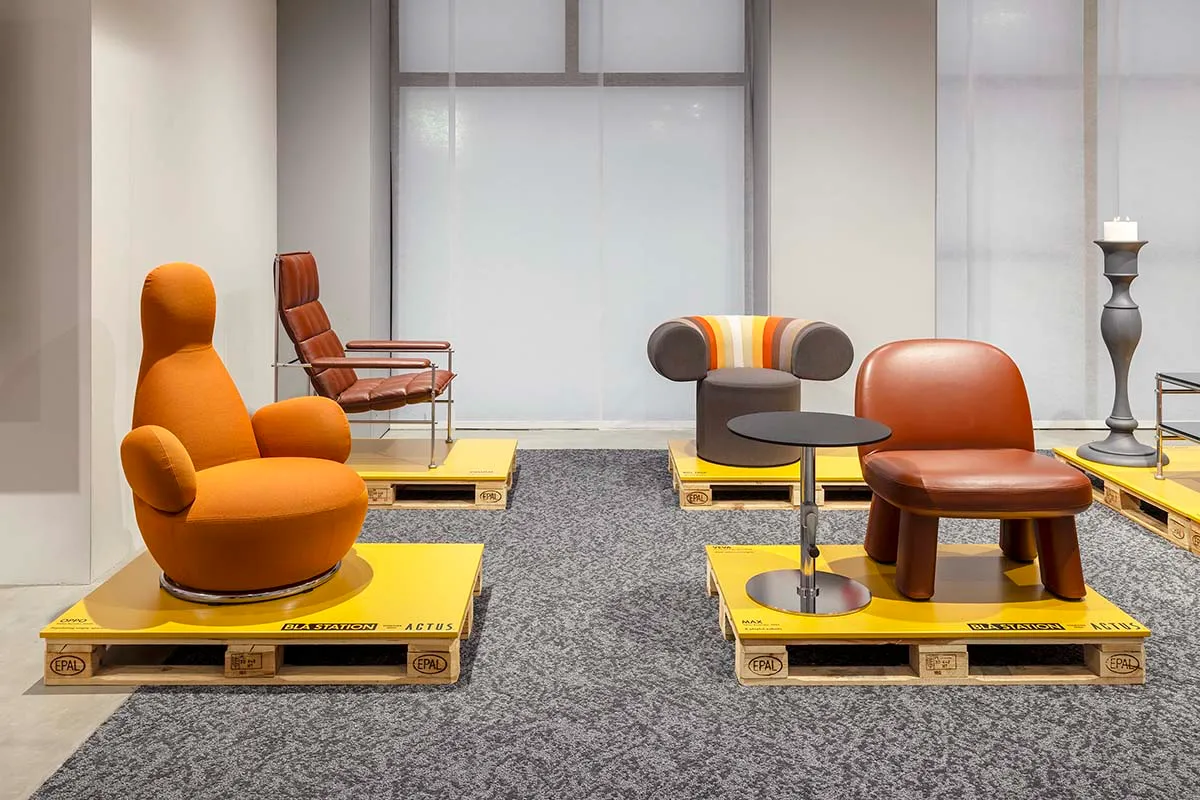
BLA STATION with ACTUS © Takuya Yamauchi
The theme “Brave—The Pursuit of Instinctive Beauty” challenged creators to move beyond rationality and embrace the art of emotional intelligence and material sensitivity. The word “brave” is defined as an effort to celebrate the courage required for artists and designers to honor the true identity of their personal intuitions and values. This approach strengthens the festival’s mission of “Into The Emotions,” which suggests that creativity should permeate every aspect of the daily environment to provoke, connect, and inspire.
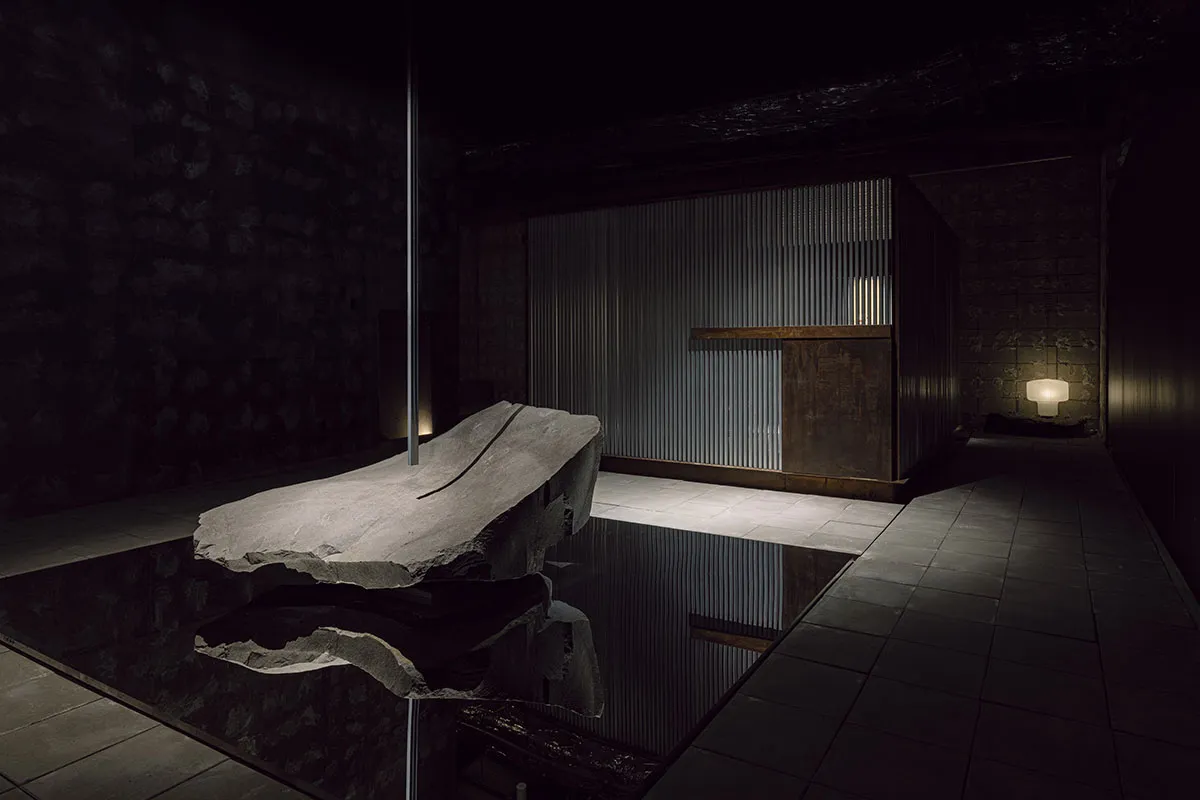
GRANDIR Inc. © Yuta Itagaki (Kiengi)
It shifted the focus from market-driven design to personalized functionality, emphasizing imperfection, intuition, and humanity. One of the most compelling aspects of Designart Tokyo 2025 was its integration into the city’s urban fabric, utilizing neighborhoods as a living, experiential gallery.
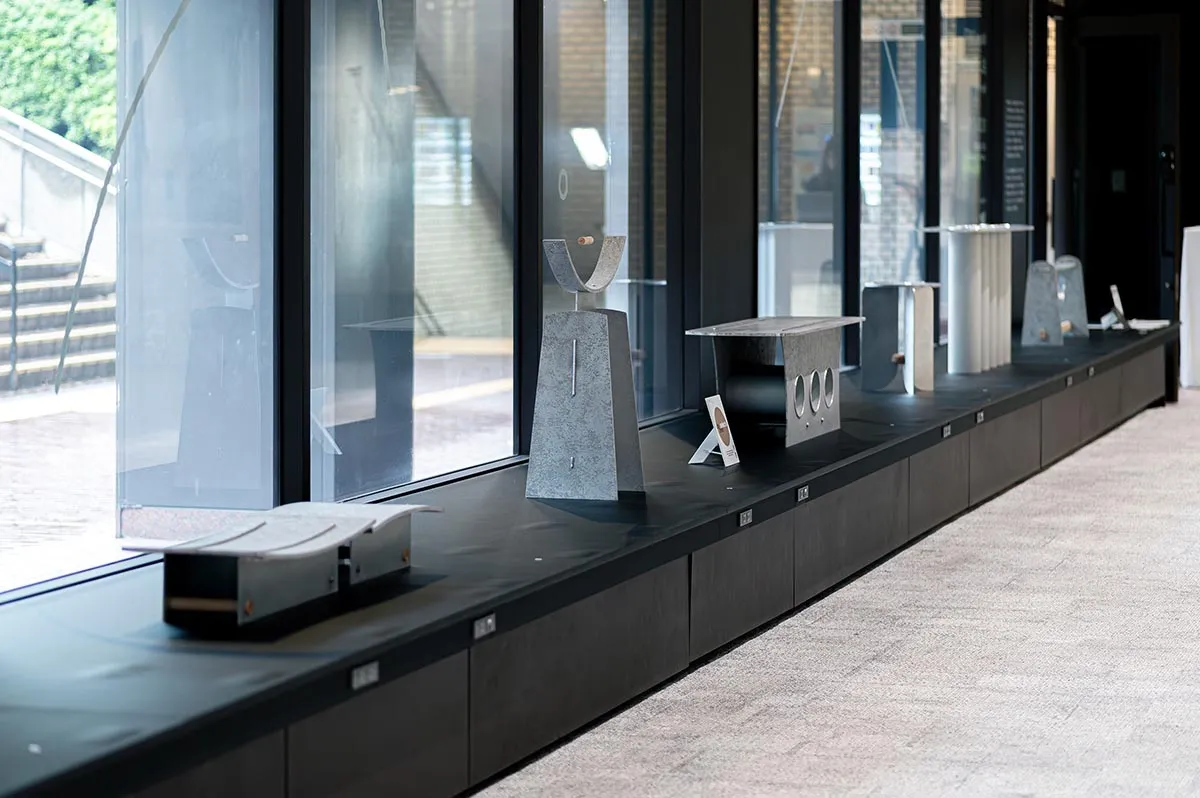
Kizashi – From Error to Mirror © Designart Tokyo
Spanning seven major districts—Shibuya, Omotesando, Gaienmae, Harajuku, Roppongi, Ginza, and the Tokyo Station area—each offered a distinct cultural tone and aesthetic rhythm. In Shibuya, the 1,145 square meter Designart gallery served as the central exhibition, designed by the Hong Kong-based architectural firm COLLECTIVE. It reinterpreted traditional shoji architecture using a reusable aluminum framework wrapped in non-woven fabric.

Azuma Plywood x Hakuten – Cooked Matter / Crafted Space © Takuya Yamauchi
The spatial design created a dynamic environment where modulated lighting, synchronized with the photography of artist ZEN, blurred the boundaries between the interior space and the chaotic urban energy of Shibuya outside. This vibrant hub presented 33 domestic and international presentations, showcasing a diverse array of work from Japan, France, the Netherlands, and Sweden.
The Under 30 Support Program

Itoki Design © Ooki Jingu
The Under 30 program supported the next generation of creative talent by providing a platform to showcase work at no cost, while facilitating meaningful connections with established brands and manufacturers.
Yoshiaki Kanamori
Jokei—Scene (or Memory), a project that explored the subtle phenomena of the Japanese cityscape by transforming functional architectural elements such as windows and stairs into lighting installations. It beautifies mundane objects and memories associated with them, aligning perfectly with the festival’s pursuit of instinctive value.
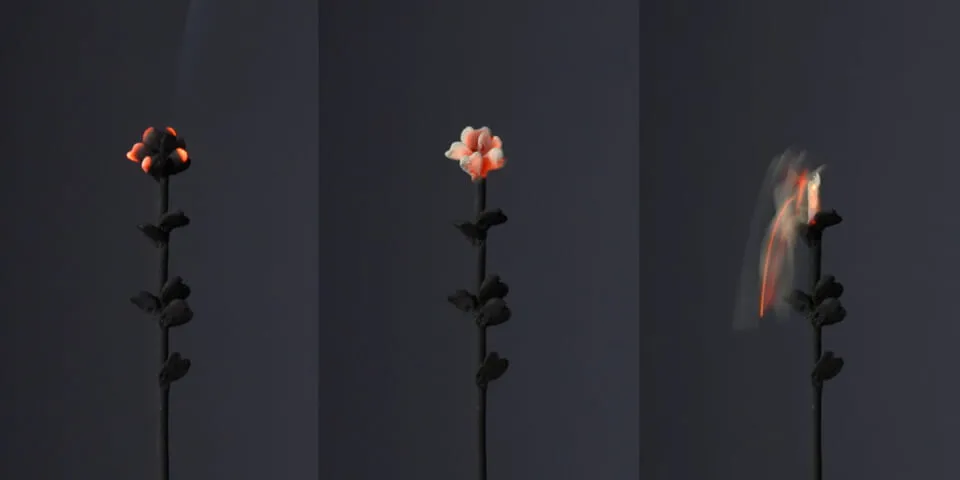
The present of time © Kaining He
Kaining He
He introduced a multidisciplinary perspective to product and graphic design, employing unconventional materials such as incense ash, which created the ephemeral nature of the physical world.
Nomadic (Shohei Kasamatsu, Itaru Shinagawa, Takumi Fukushima)
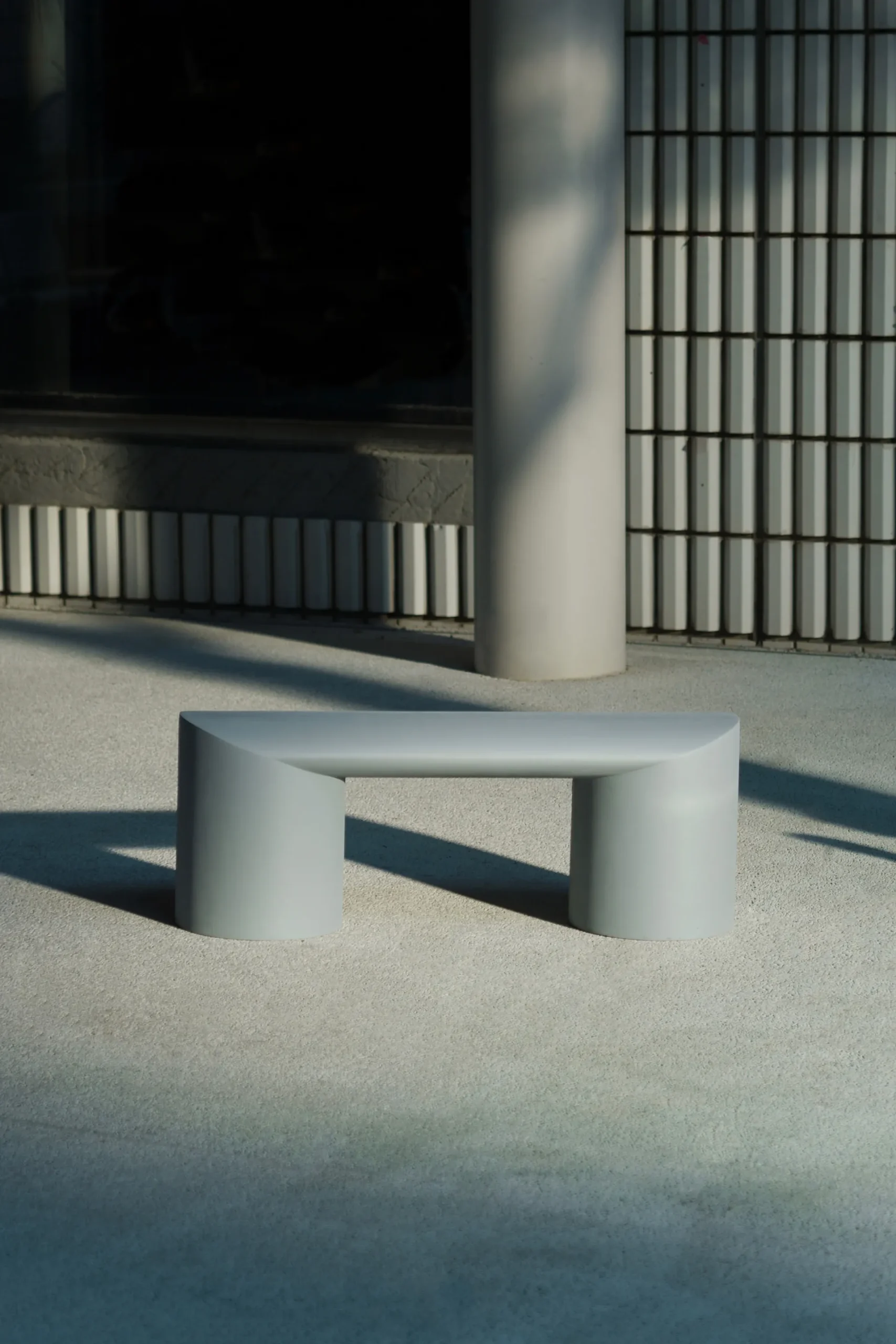
Tilt θ30.60 ©Takumi Fukushima
Through their exhibition “Buy Method, Keep Becoming,” the collective Studio questioned the traditional logistics of design. They presented not only storage containers, paper lamps, and benches, but also the packaging used for their transport. Cardboard scored with slits was designed to be reconfigured throughout the entire lifecycle of a design object, framing logistics itself as a creative act.
SEN (Kiichi Ueda, Hiroaki Onishi, Rikuo Takata, Ryoya Fukaji)
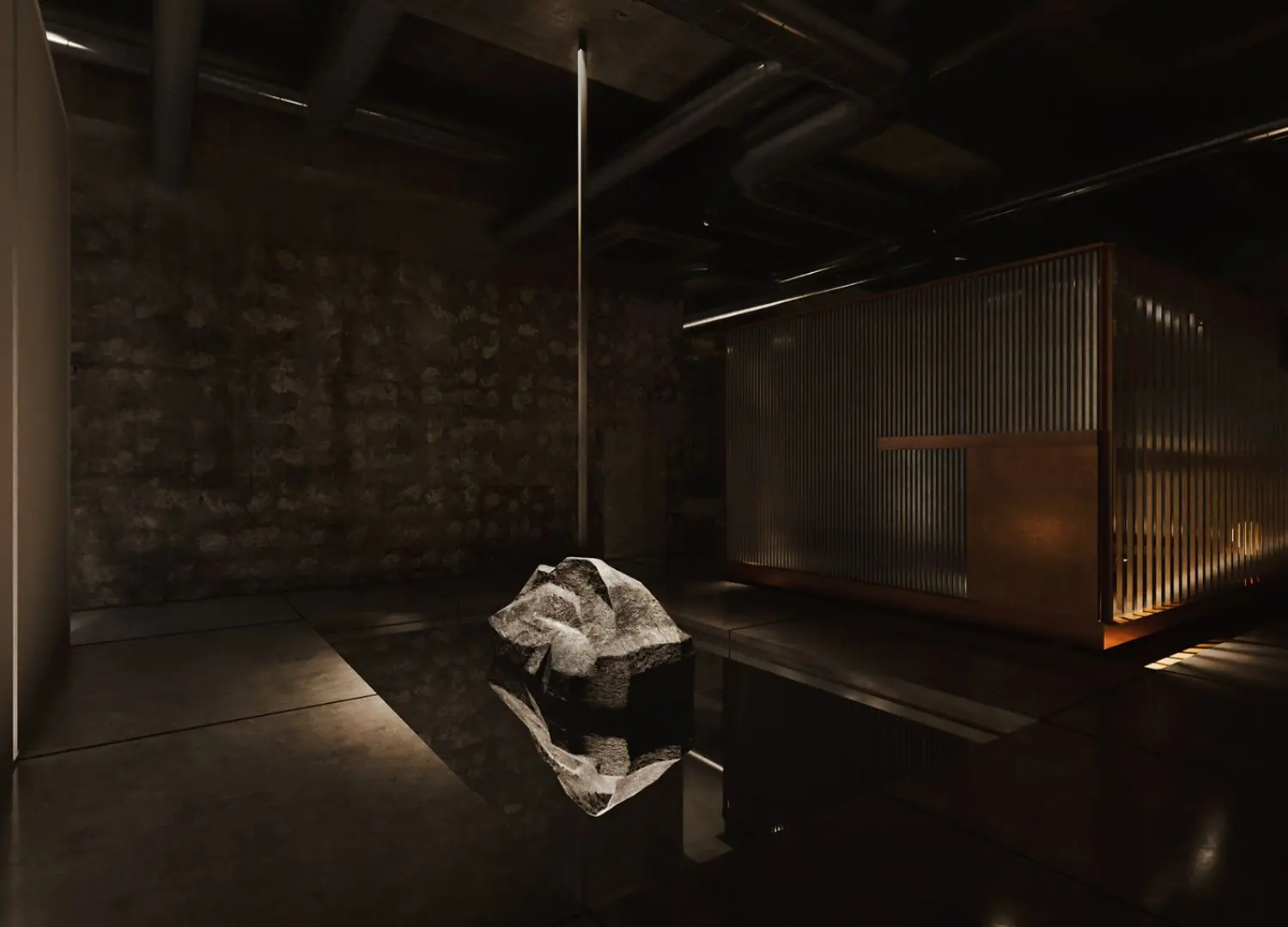
Within the Neighborhood © SEN
SEN focused on revitalizing traditional materials through contemporary design with their exhibition “Within the Neighborhood.” The project fostered dialogue between Echizen Washi (handmade paper) and modern aesthetics, demonstrating how regional crafts can find new relevance in a globalized design market.
TORQ DESIGN (Atsuhito Suese, Rin Kawashima, Yosuke Ito)

Pyro PLA Project © TORQ DESIGN
A striking synthesis of 3D printing and manual craft, the Pyro PLA Project demonstrated hand treatment of 3D-printed PLA plastic using an open flame to melt and blend its layers, creating organic, pottery-like textures on a synthetic material.
3D Printing and Digital Craft
While the festival celebrated intuition, it did not reject technology; instead, it sought to find a human-tech synergy.
Mitsubishi Electric Integrated Design Center
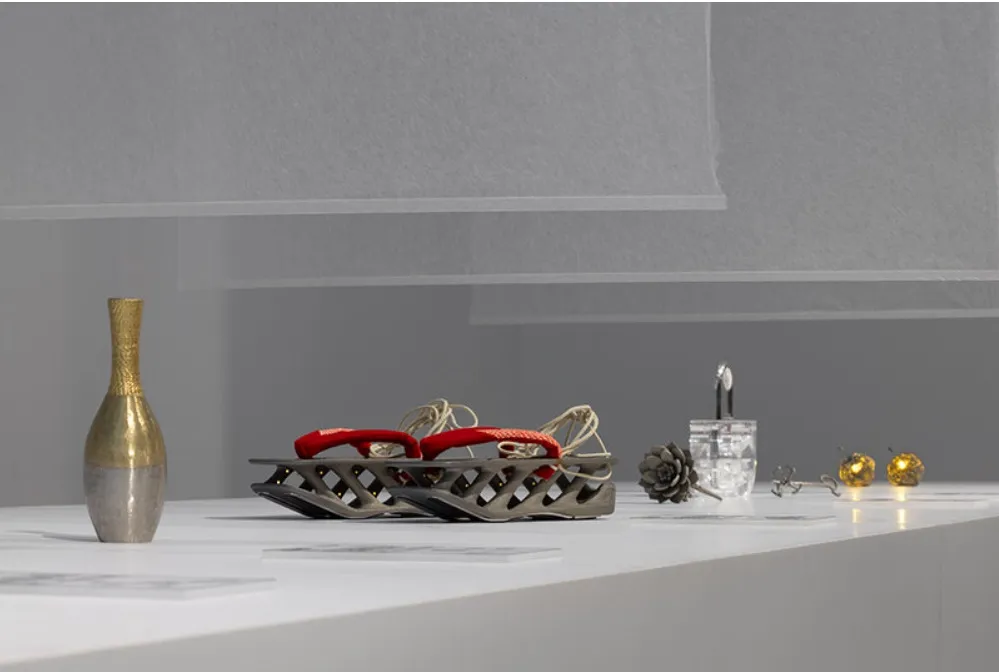
Mitsubishi Electric Integrated Design Center © Nacasa & Partners
The studio explored metal 3D printing technology to create organic forms previously unachievable without molds or cutting, resulting in a series of metallic objects that felt surprisingly warm and human, challenging conventional perceptions of industrial fabrication.
Kizashi (Natsumi Komoto)
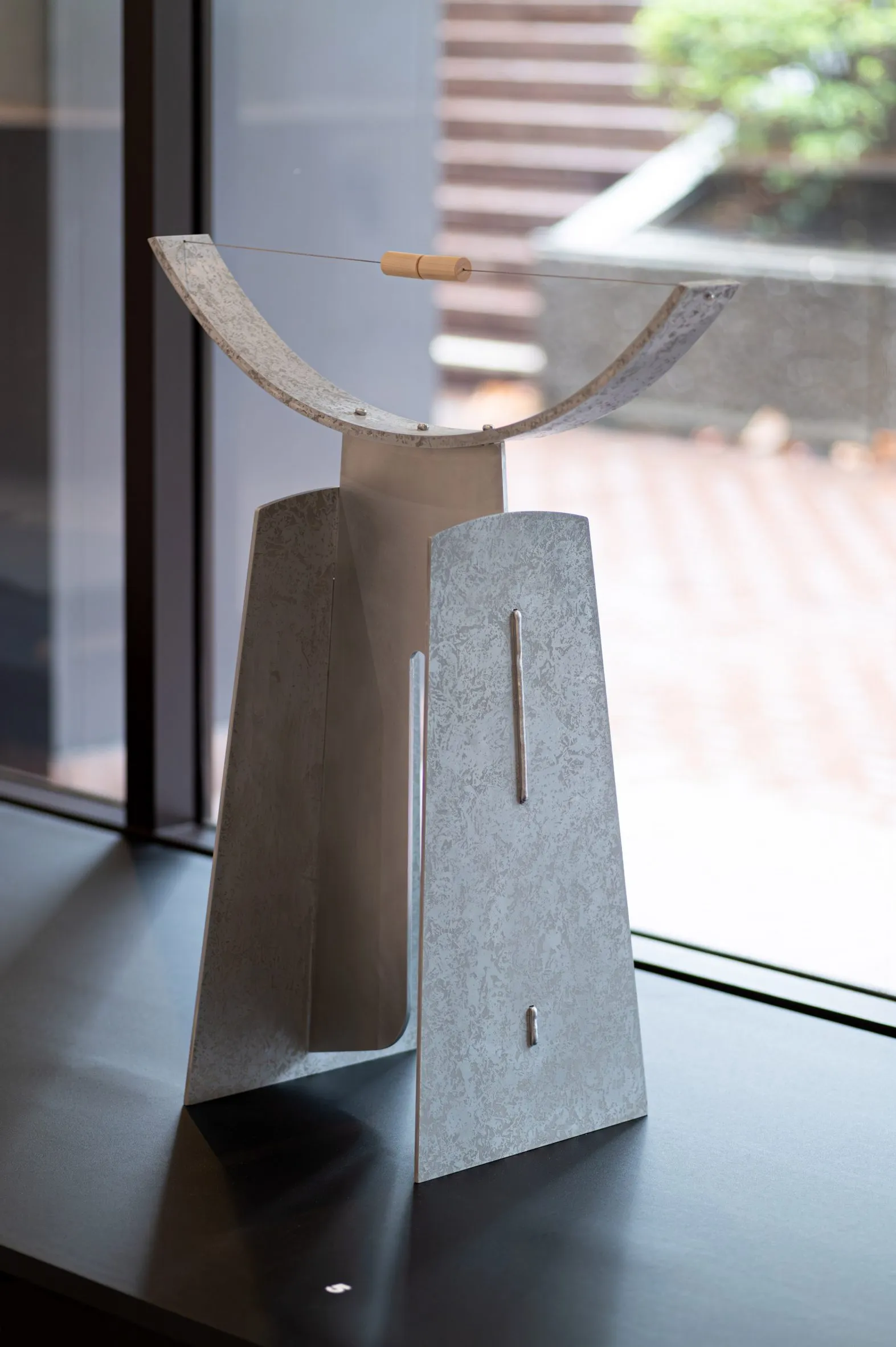
Embracing imperfection in the objects © Natsumi Komoto
Embracing imperfections, errors, and accidents, Komoto repurposed aluminum offcuts from industrial processes to create sculptural furniture paired with soft, playful furnishings, transforming waste material into expressive design statements.
AloJapan.com