
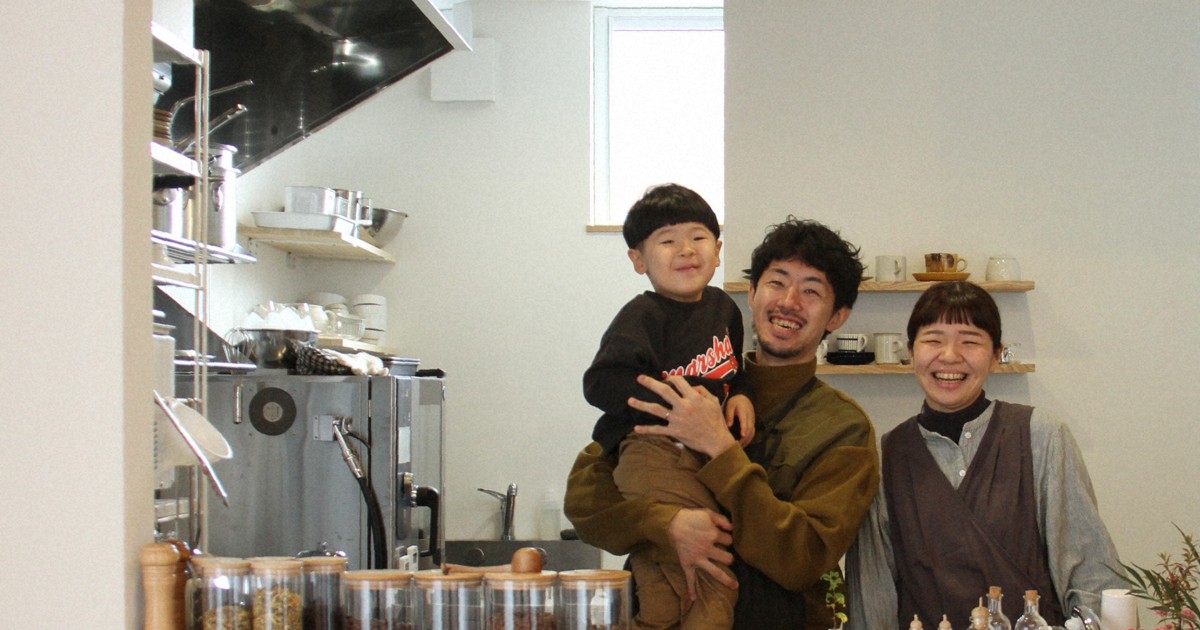
From right, Tsukinowa cafe owners Aoi and Yamato Tatsuki are pictured in Nanporo, Hokkaido, on Nov. 2, 2025. (Mainichi/Takumi Taniguchi)
NANPORO, Hokkaido — This farming town near Sapporo now boasts the highest population growth rate in Japan. Its aggressive policies to attract young families are drawing attention — and highlighting how the Sapporo area is starting to resemble the Tokyo metropolitan region in its housing trends.
Located about 40 minutes east of central Sapporo by car, the town of Nanporo is home to the “Nanporo New Town Midorino” residential area, where many recently built homes stand out. In fall 2025, a new cafe called Tsukinowa opened in the neighborhood.
With a wooden exterior and a softly lit interior, Tsukinowa offers weekly lunch specials like menchi katsu and grilled mackerel, seasonal tarts and baked sweets and lovingly brewed coffee.
Owners Aoi Tatsuki, 34, and her husband Yamato, 33, both worked in product development and pastry making at well-known shops in Sapporo. They quit their jobs at the end of August to open their own business, moving to Nanporo with their 4-year-old son and 5-year-old dog. The cafe opened on Oct. 27.
Why not open in the city, where there is better access and more people? “We chose Nanporo because of the generous subsidies for families with children, the size of the land we could secure and the quality of life,” Yamato explained.
Generous subsidies for families with children
To combat population decline, Nanporo has gone all-in on incentives for newcomers, especially families with children.
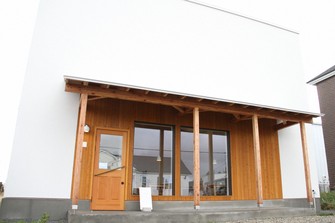
The Tsukinowa cafe is seen in Nanporo, Hokkaido, on Nov. 2, 2025. The establishment opened at the end of October. (Mainichi/Takumi Taniguchi)
According to the town’s community development division, since fiscal 2016, Nanporo has offered housing construction subsidies of 500,000 to 2 million yen (approx. $3,200-$12,800) to households with children up to junior high school age or couples under 40 who move in.
Support is especially generous for those moving into New Town, where development started in 1974 in the town center and which still had vacant lots. There, subsidies range from 1 million to 2 million yen, and buyers can purchase land — usually costing in the 4-million-yen range — for half price.
Initially, the town only saw a few applications each year, but as the program became better known from fiscal 2021, new resident numbers surged. Of the 687 lots in the New Town, about 80% have now been sold, with only 145 remaining as of Nov. 1, 2025. The subsidy program, extended twice, will continue through the end of fiscal 2026.
Another factor in Nanporo’s success is land prices. In the fiscal 2025 land price survey, Sapporo’s average residential land price rose 1.4% year-on-year to 108,400 yen (approx. $694) per square meter. Nanporo’s price also rose but remains a bargain at 5,600 yen ($36) per square meter, and the generous subsidies make it even more attractive.
There’s no train service, but with a car, access to Sapporo, Chitose and other nearby cities is easy, making the area popular.
The pattern of people avoiding expensive city centers and seeking homes in bedroom communities mirrors what’s happening in the Tokyo region.
“Sapporo doesn’t have many large plots available, and prices are high. We wanted good access and a place where our child could grow up with space, so we decided to open our shop here,” said Yamato.
The couple, who honed their culinary skills in Tokyo and Sapporo, were looking for land with enough space for a family home and guest parking when they discovered Nanporo and decided to build a combined residence and cafe.
Land of similar size in Sapporo would cost more than twice as much. While they worried about attracting customers in the suburbs, word spread on Instagram and other social media, and they now welcome visitors from inside and outside the city.
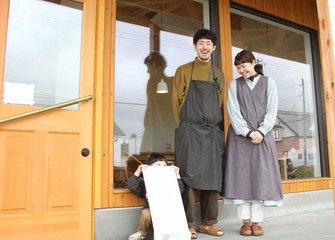
From right, Tsukinowa cafe owners Aoi and Yamato Tatsuki are pictured in Nanporo, Hokkaido, on Nov. 2, 2025. (Mainichi/Takumi Taniguchi)
A successful strategy for the town
Nanporo’s population, which was about 10,000 in 1998, fell below 7,400 in 2021. Since then, it has rebounded to 8,160 as of Nov. 1, 2025. According to the Ministry of Internal Affairs and Communications, Nanporo had the highest population growth rate for Japanese citizens in the country for two years running in 2023 and 2024. The town’s strategy has paid off.
Are newcomers and longtime residents getting along? “At first, I was nervous,” Aoi said, “but people in Nanporo are kind to newcomers. We’ve been warmly welcomed.” She said both old and new residents, young and old, stop by the cafe, ask about the shop and chat, with no hint of a divide.
A town official said they feel positive about both attracting people from the Sapporo area and fostering community harmony. Through cooperation at festivals and other events, residents are mixing well.
Even as the housing subsidy program nears its end, Nanporo continues to offer full medical subsidies for children through high school, half-price school lunches and rice handouts for families with kids — making it an attractive place for young families.
“We want to keep making Nanporo a comfortable place to live and encourage people to settle here,” the official said.
(Japanese original by Takumi Taniguchi, Hokkaido News Department)
AloJapan.com