
Set against the vibrant backdrop of Tokyo, a leading multicultural hub, Designart Tokyo stands as Japan’s largest design and art festival.
This year, the event showcased an impressive array of presentations across design, art, interiors, and fashion. This year’s compelling theme, Brave — In Pursuit of Instinctive Beauty, drew together creators and works from around the globe to present bold and instinct-driven pieces that challenge market trends and defy convention.
About 250,000 people attended events in 91 locations under the theme “Brave — In Pursuit of Instinctive Beauty.” A ten-day exhibition of works from throughout the world that are paving the way for the future.
As an official media partner of the event, World Architecture Community brings you the impressive highlights from these ten transformative days, during which Tokyo was unequivocally transformed into a dynamic museum.
Official exhibition – Designart Gallery

Designart gallery entrance. Image courtesy of Designart Tokyo
Media Department Tokyo, located in Shibuya, served as a vibrant hub for innovative creative expressions from various countries, including Japan and France, during Designart.
This year, Hong Kong-based COLLECTIVE showcased a striking installation that reimagined traditional shoji architecture using a reusable aluminum framework and fabric, enhancing the visitor experience with dynamic lighting.
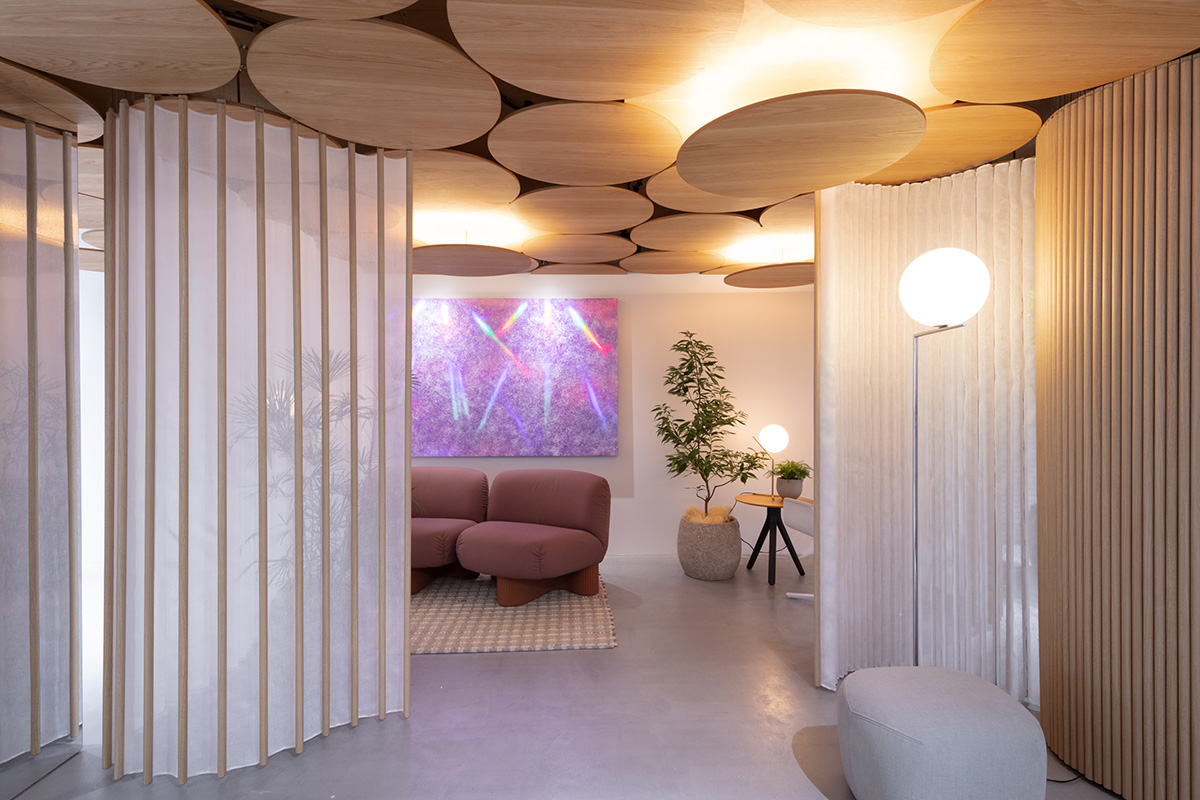
THE LIONS|Relation Wall – THE LIONS 2030 Project. Image ©︎ Takumi Ota
The ZEN Solo Exhibition ‘Urban Equivalence’ by renowned parkour athlete ZEN featured 18 unique artworks available for purchase, while Daikyo Inc. revealed its “Relation Wall” project in collaboration with architect Yuko Nagayama, aiming to redefine housing values by 2030.
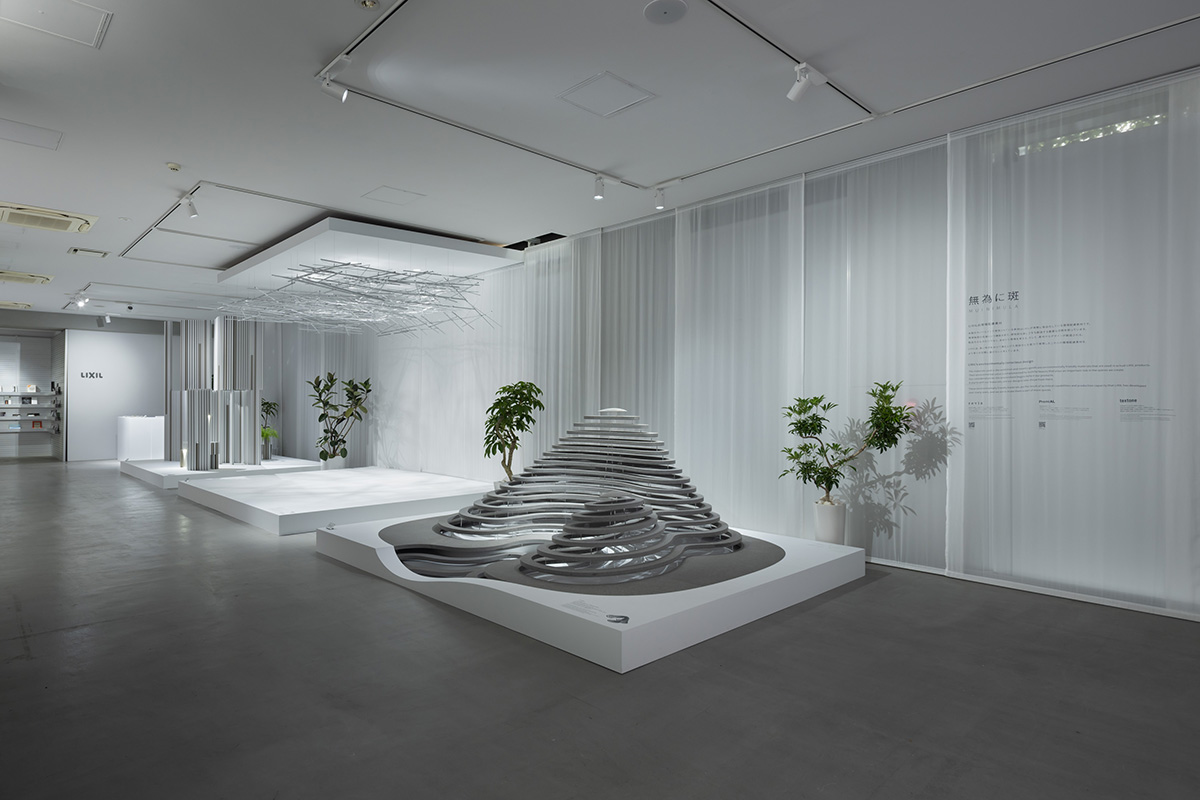
LIXIL – MUINIMULA ‐ Reconstruction of Spatial Components. Image © Nacasa & Partners
Additionally, LIXIL presented ‘MUINIMULA,’ an exploration of flooring, walls, and ceilings, promoting a deeper understanding of space through the concepts of MUI and MULA, representing both simplicity and individual diversity.
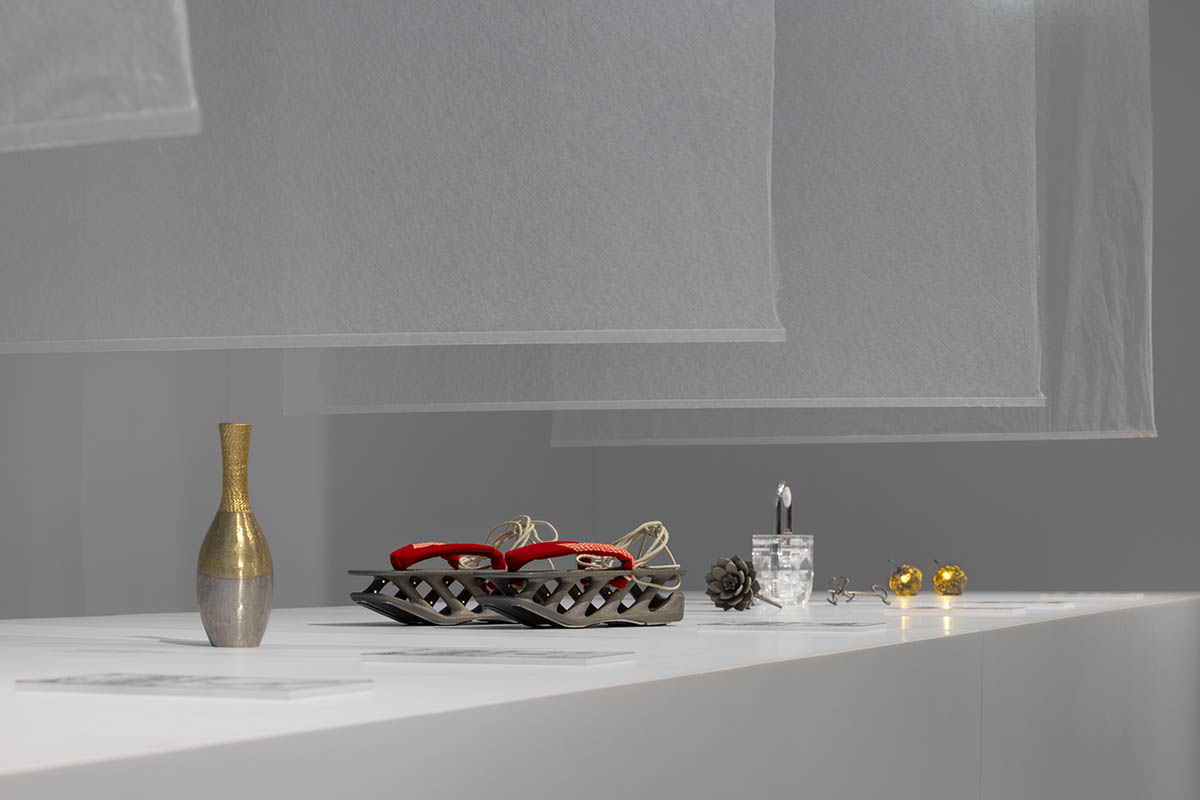
Mitsubishi Electric Integrated Design Center. Image courtesy of Designart Tokyo
The second floor featured a noteworthy collection of works spanning experimental initiatives to projects by emerging up‐ and‐coming talents. For example, Mitsubishi Electric Integrated Design Center showcases innovative designs using its metal 3D printer, which allows for unique shapes without molds or cutting.
The exhibition features diverse international projects, including the TOKYO EDITION by Luis Marie, Fenna van der Klei, and Patricio Nusselder, celebrating traditional Japanese colors.
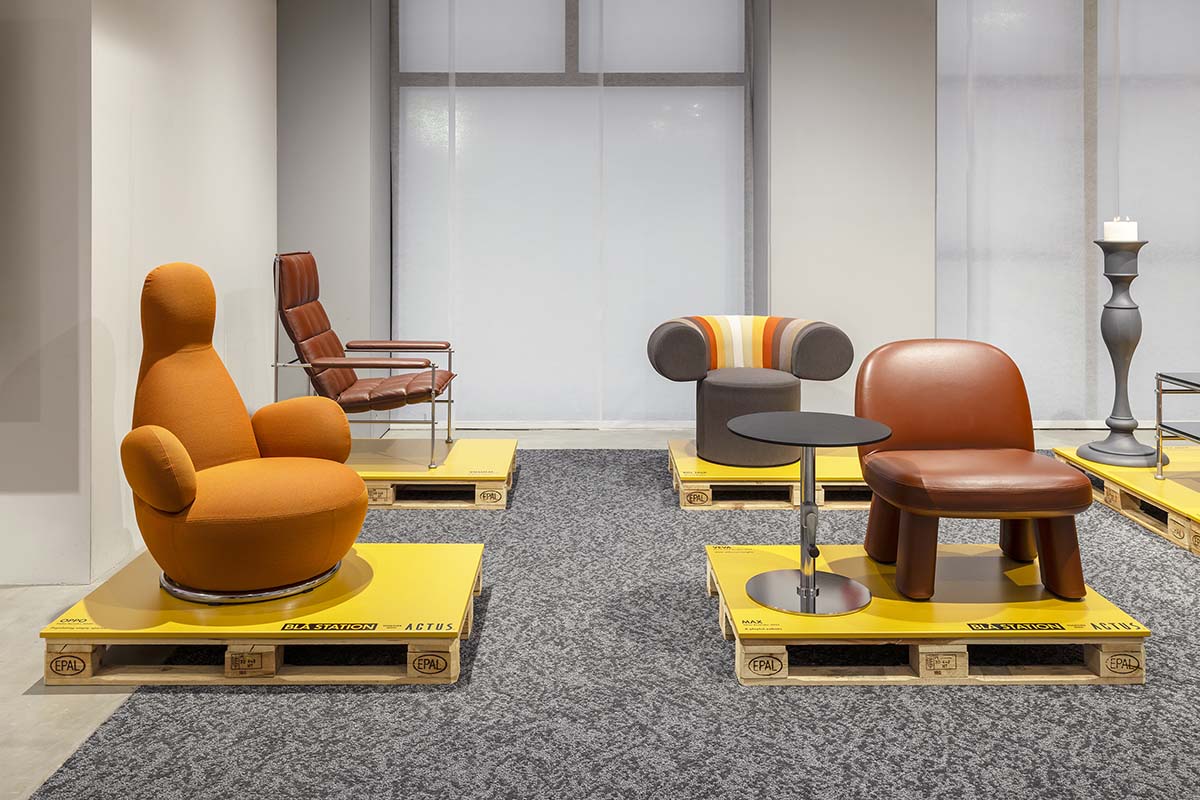
BLA STATION with ACTUS. Image © Takuya Yamauchi
Additionally, supported by the Institut français, the ‘French Design Focus at Designart Tokyo’ highlights works from Mathilde Brétillot and others, alongside Swedish furniture brand BLÅ STATION, marking their collaboration with Japanese interior shop ACTUS for their 25th anniversary.
Evolved upcycling – Design and ideas for cutting‐edge products
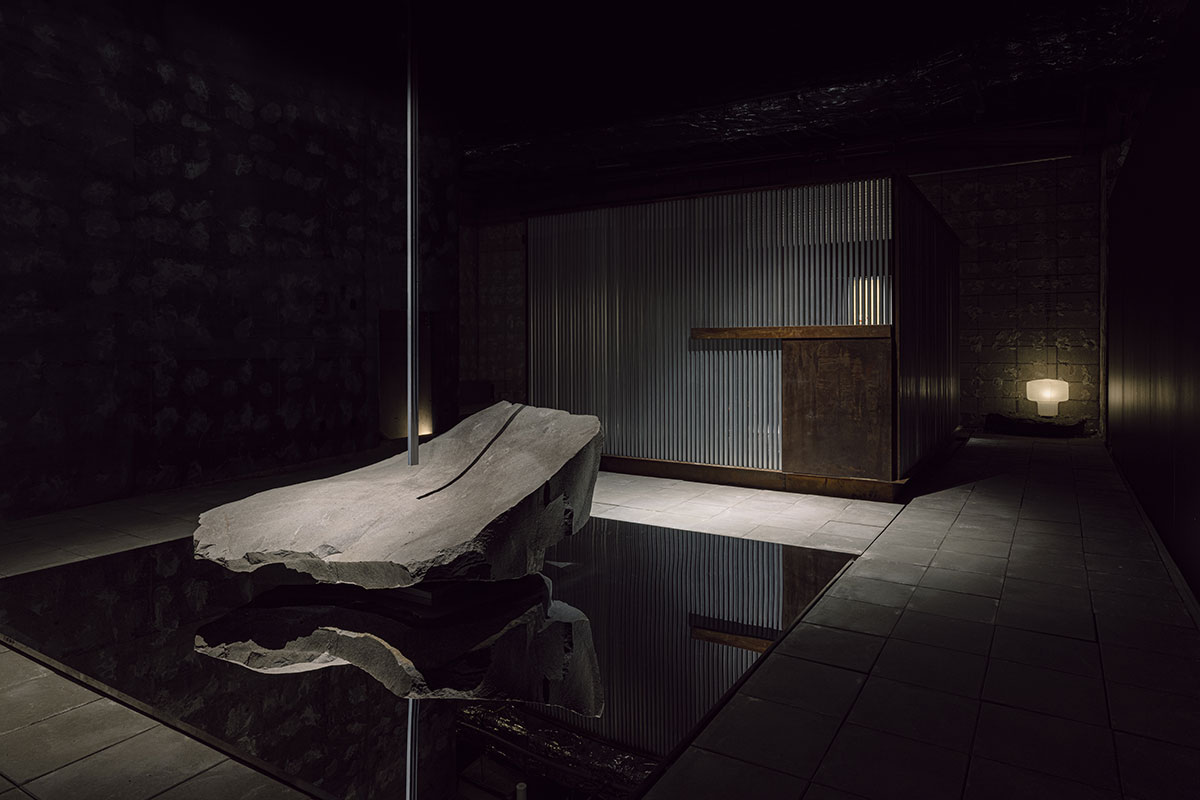
GRANDIR Inc. Image © Yuta Itagaki (Kiengi)
Although “sustainable” manufacturing has gained popularity recently, these projects go beyond simply repurposing waste and recyclable materials. In the end, producers created new values by introducing unexpected viewpoints and material transformations not found in typical commercial products through the addition of new levels of interpretation. The design of upcycled materials is changing.
In partnership with interior construction firm GRANDIR Inc., an exhibition titled “Jikou no Ma Ò SEN–AN” was staged at the AXIS Building in Roppongi. It is a spatial experiment that recreates the tea room’s traditional culture in a modern setting. It is intended as a tool for reexamining the essence through “time, space, and relationships” rather than through form.
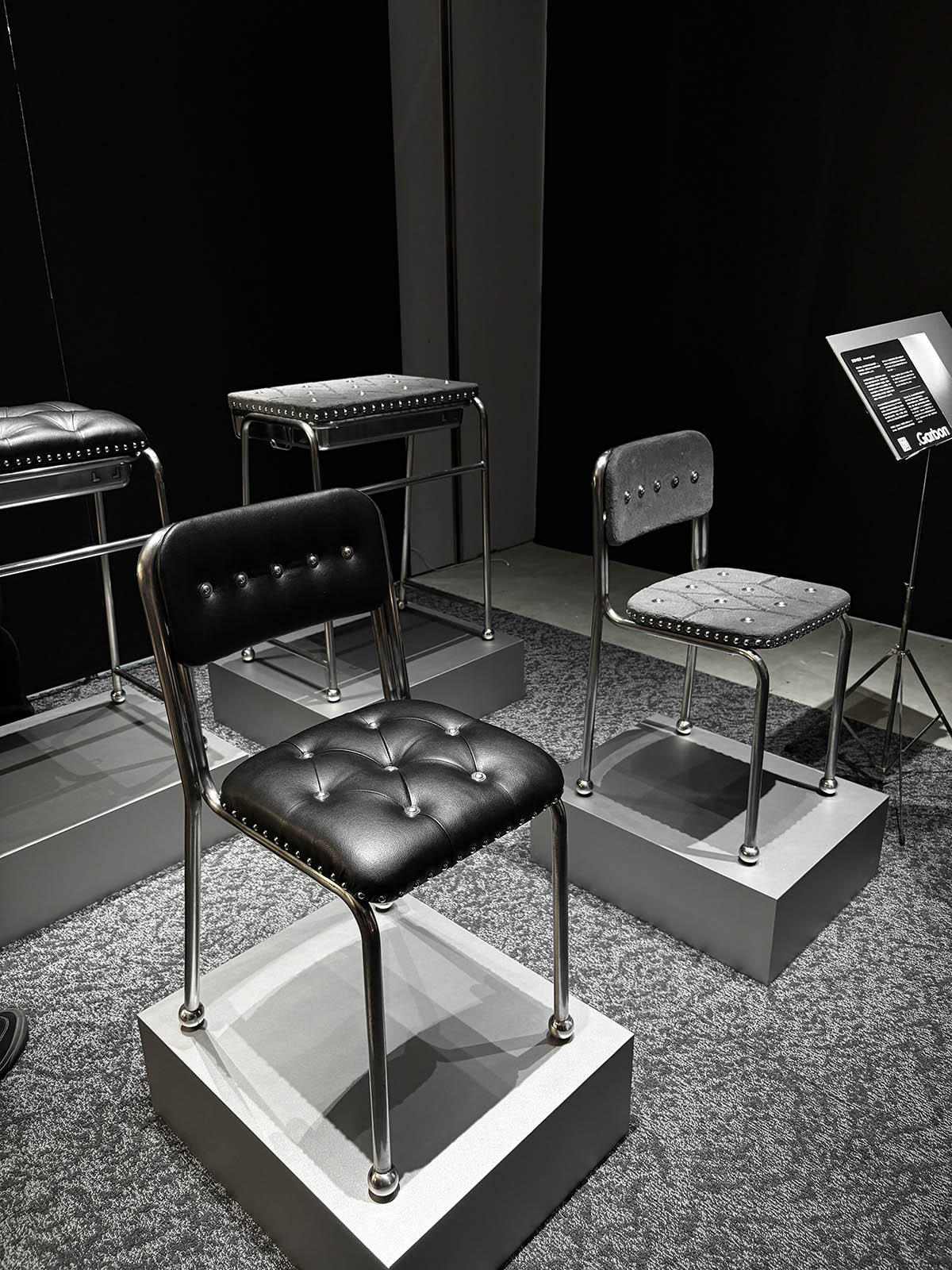
.Garbon | Will to Transform. Image courtesy of Designart Tokyo
Additionally, there is a method called “Garbon” that turns various organic materials into a homogenous carbon powder. In addition to recycling garbage, it is a versatile black pigment with advanced functions like deodorizing, antimicrobial, and far-infrared effects.
In order to transform symbols of function into statements of identity, they rebuilt old school desks and chairs using “Garbon” pieces.
Expanding the possibilities of product design through new perspectives
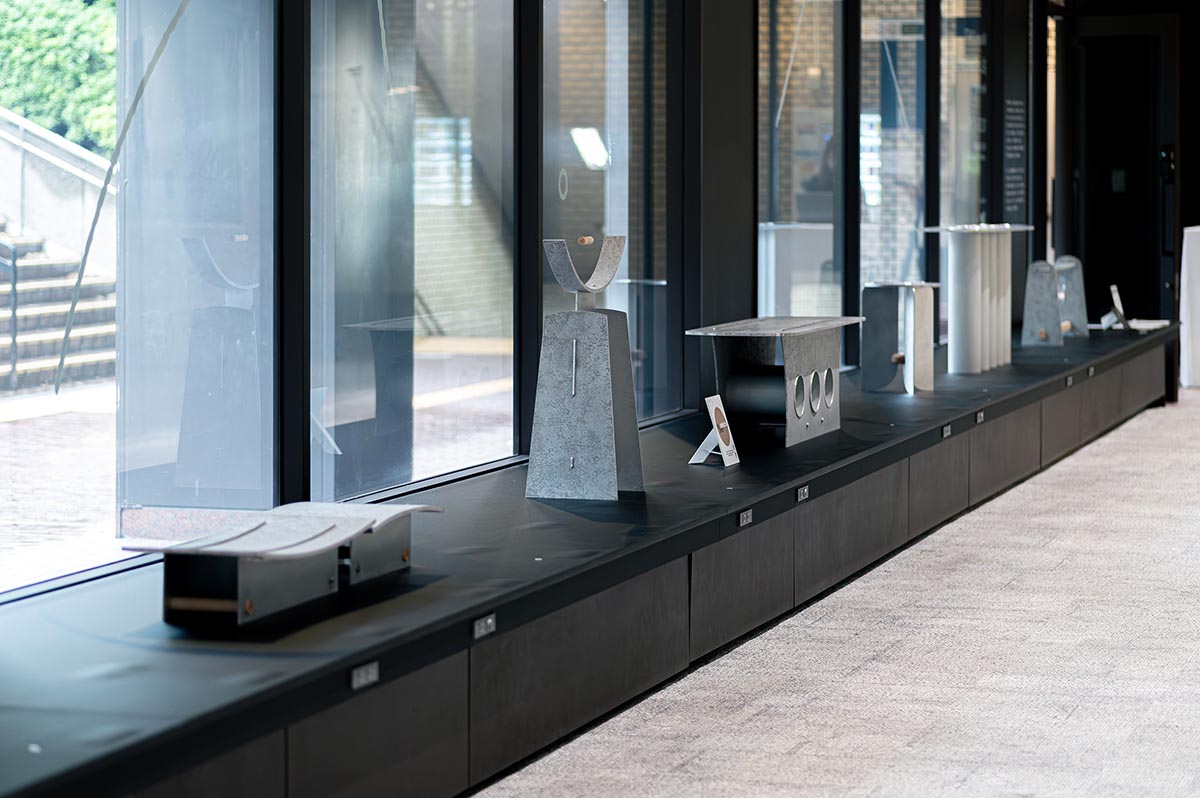
Kizashi – From Error to Mirror. Image courtesy of Designart Tokyo
Once more, this year saw the release of numerous pieces inspired by new viewpoints. In keeping with this year’s theme, “Brave,” they stand for daring attempts to bring hitherto unimagined concepts and ways of thinking to life.
“Kizashi – From Error to Mirror” was an exhibition hosted at “sync public,” a location connected to sync, Inc. that explored the possibilities of new techniques from diverse offcuts generated throughout the production process and reconstructed them as works. This collection collects works—and their records—that resulted from such unintentional failures. Through viewpoint shifting, Komoto’s works became ones that revealed potential.
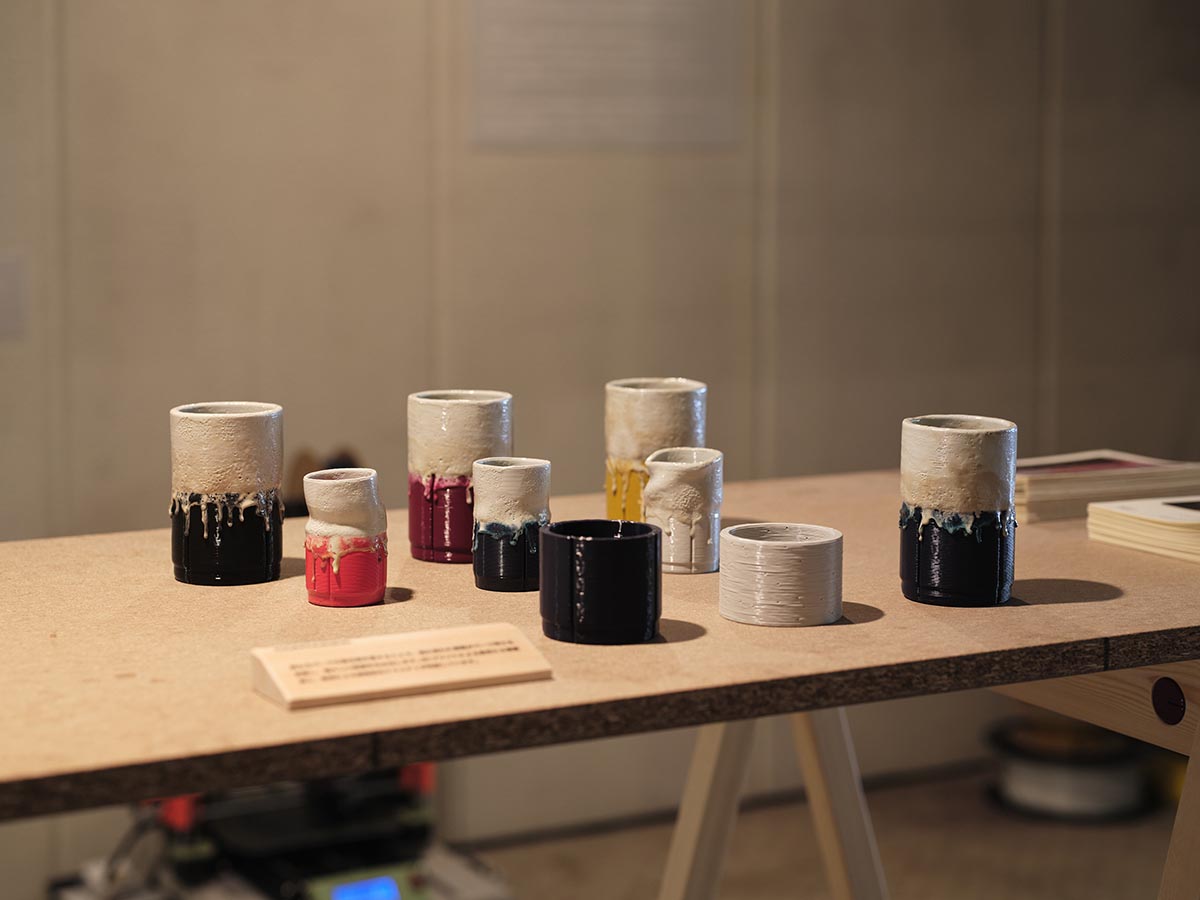
TORQ Design. Image © Kohei Yamamato
Pyro PLA Project, a product line from TORQ Design (Atsuhito Suese, Rin Kawashima, and Yosuke Ito), uses novel textures produced by directly heating the surface of 3D-printed products with an open flame, melting, and merging the layered traces.
Installation with Beautiful colors
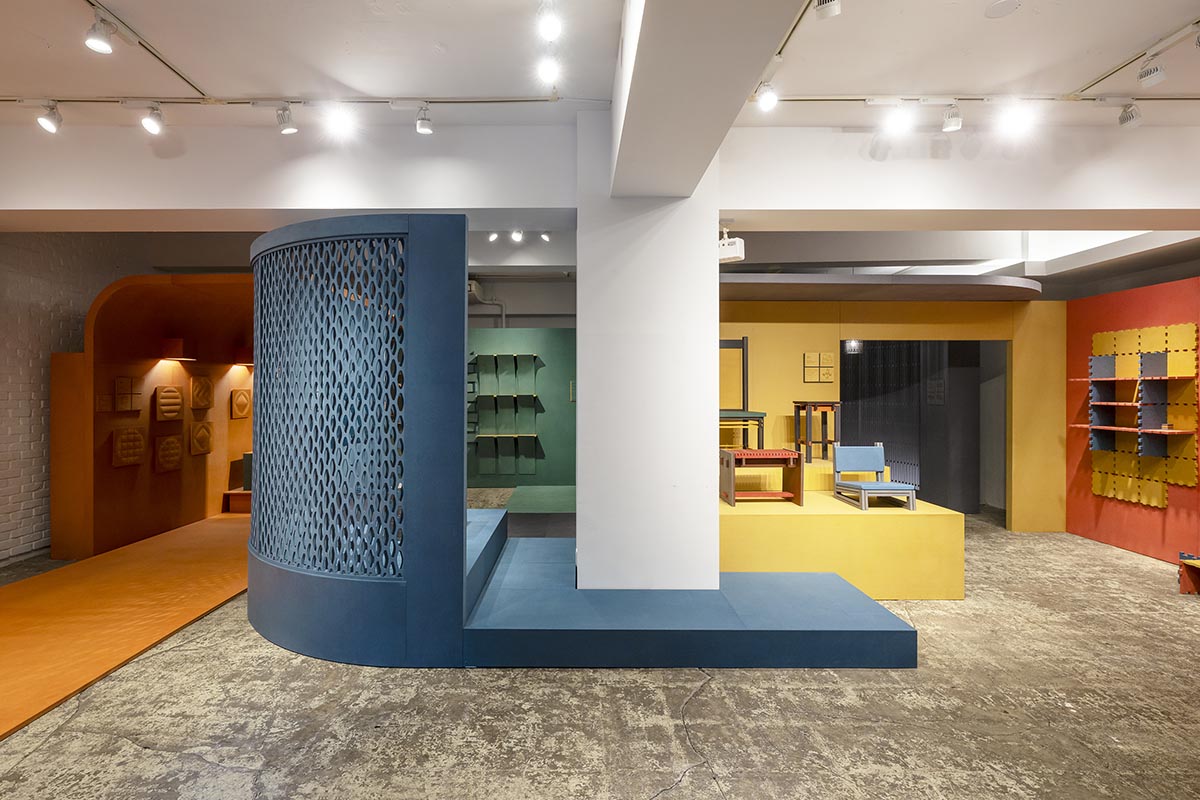
Azuma Plywood x Hakuten “Cooked Matter / Crafted Space”. Image © Takuya Yamauchi
The presentations this year included a wide range of topics, from installations bursting with color to exhibits highlighting the subtle, natural tones of materials. Among them, the exhibition presents a number of showcases that made a lasting effect on spectators by utilizing color to highlight novel possibilities in materials and presentation.
Cooked Matter / Crafted Space
This section highlights color MDF as an emerging material in Japan, gaining recognition for its aesthetic and functional potential. Produced by dyeing and molding wood fibers, it offers the warmth and workability of wood alongside a diverse palette of colors and rich surface qualities.
A project by Azuma Plywood and the creative team at Hakuten, themed “Constructing Space Through CMF (Color, Material, Finish),” sought to innovate the use of this material, resulting in a cohesive space where flooring, walls, ceilings, fixtures, and stools are all crafted from color MDF.
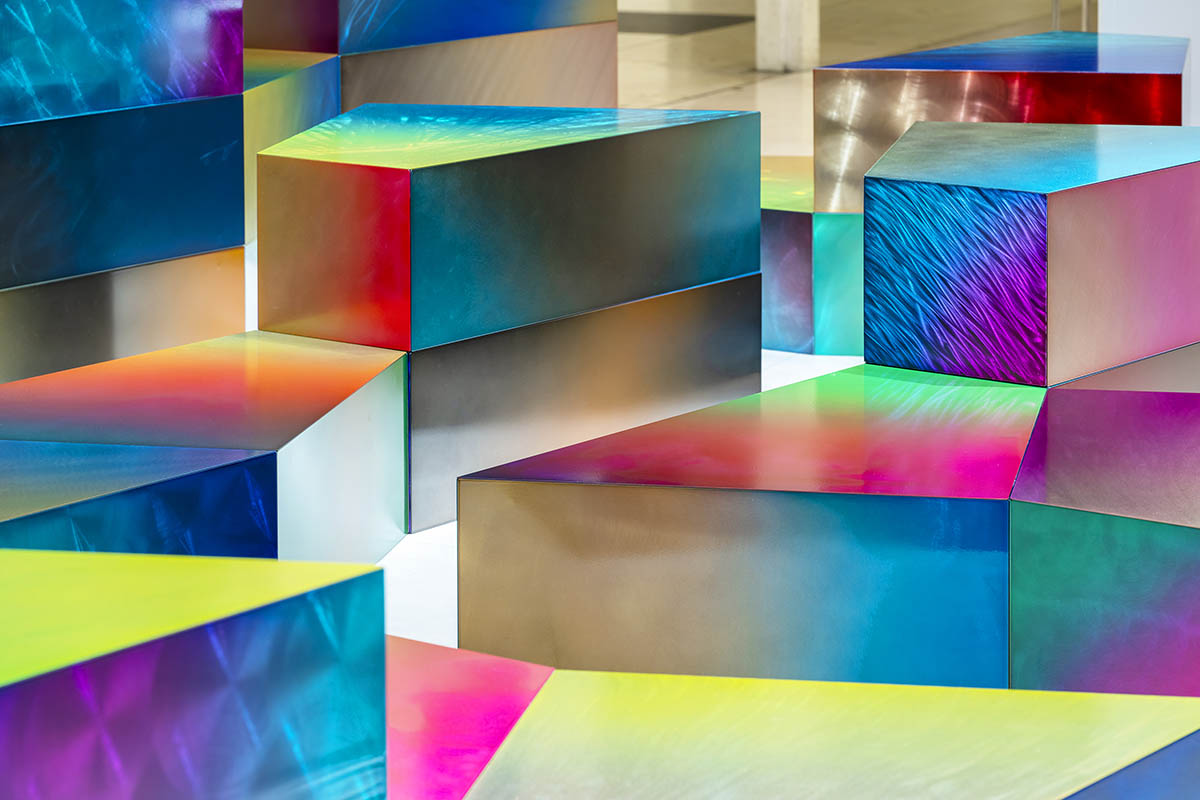
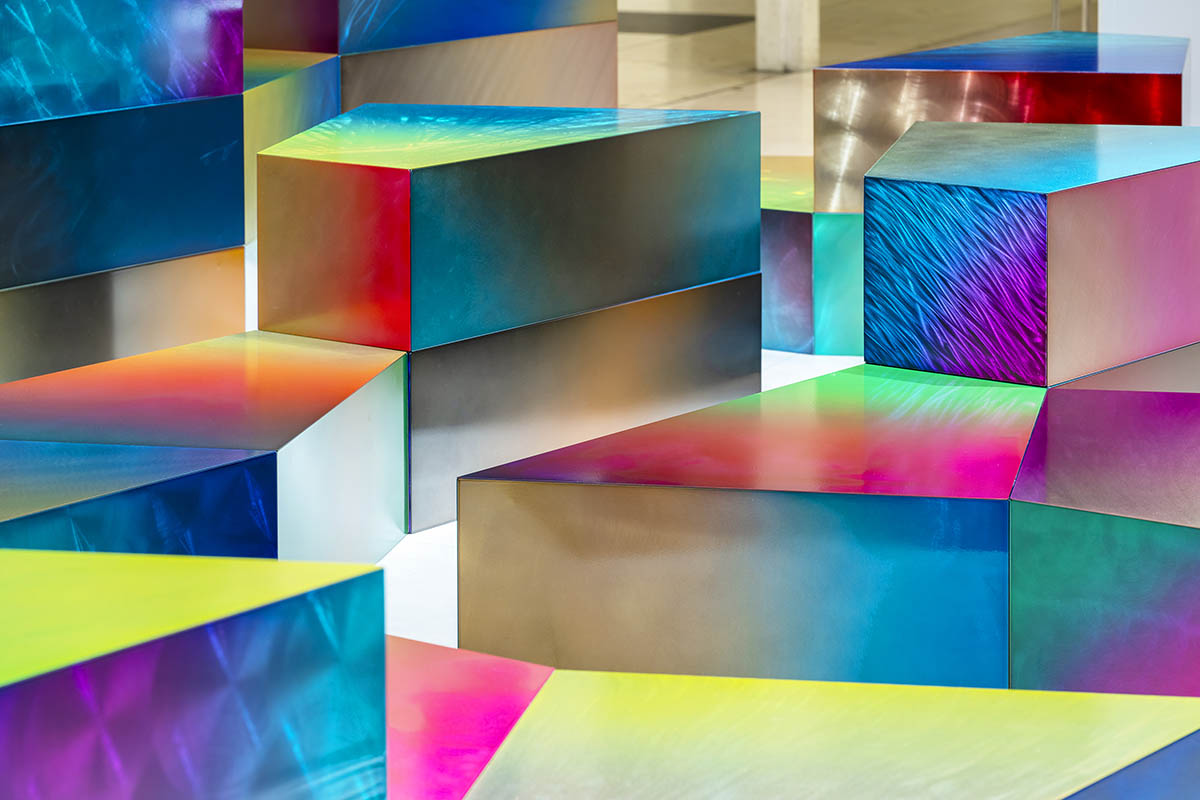
Cyuon + Moriyuki Ochiai Architects | Chromatic Symphony of Landscapes. Image © Takuya Yamauchi
Chromatic Symphony of Landscapes
Additionally, a collaboration between Cyuon and Moriyuki Ochiai Architects created furniture that resonates with the natural landscape of the tranquil Seto Inland Sea, drawing on the colors and textures of the surroundings to produce a vibrant and harmonious environment.
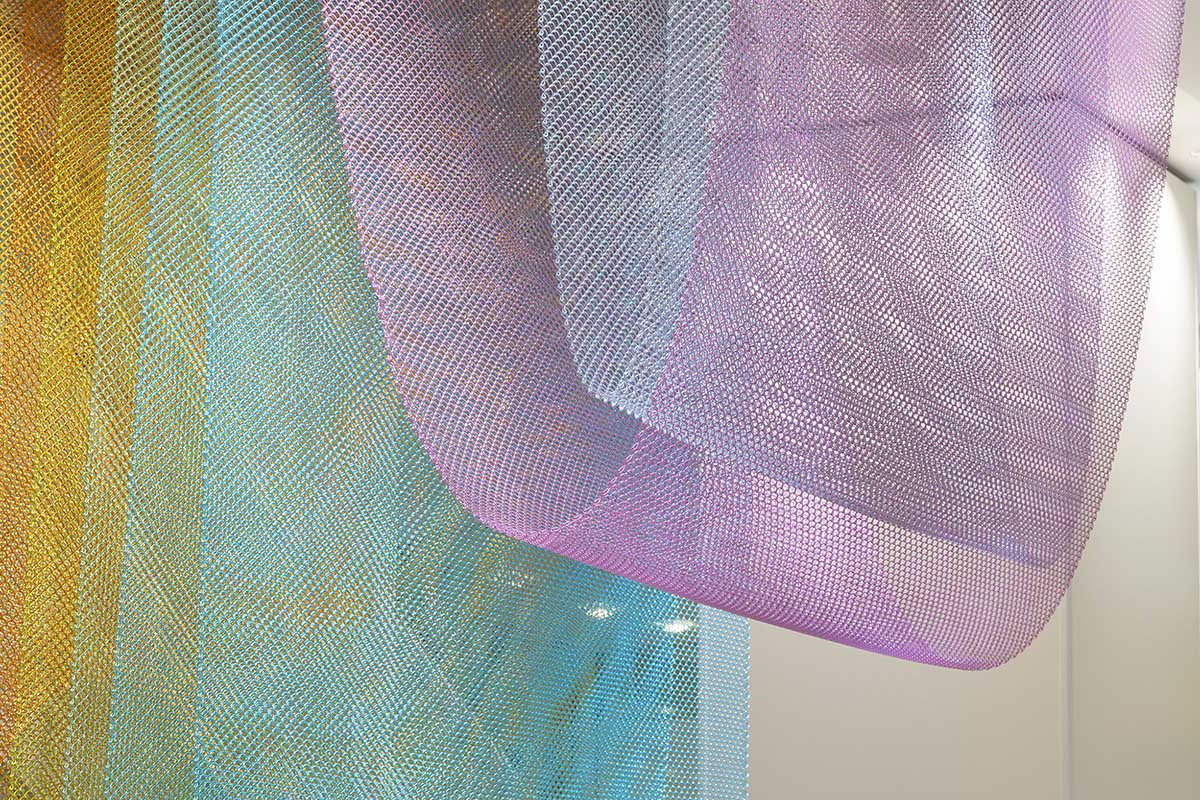
Kyowa-kogyo + Moriyuki Ochiai Architects. Image © Takuya Yamauchi
Wire‐Mesh TeaCeremony Room
Lastly, Kyowa Industries is a corporation that uses its technical skills to produce diamond mesh with highly stiff, high-strength qualities in order to continuously create and share new possibilities.
Using diamond-shaped wire mesh, an industrial material, they worked with Moriyuki Ochiai Architects to recreate the classic “Wire-Mesh Tea Ceremony Room.”
New works and concept announcements stood out with impressive presentations
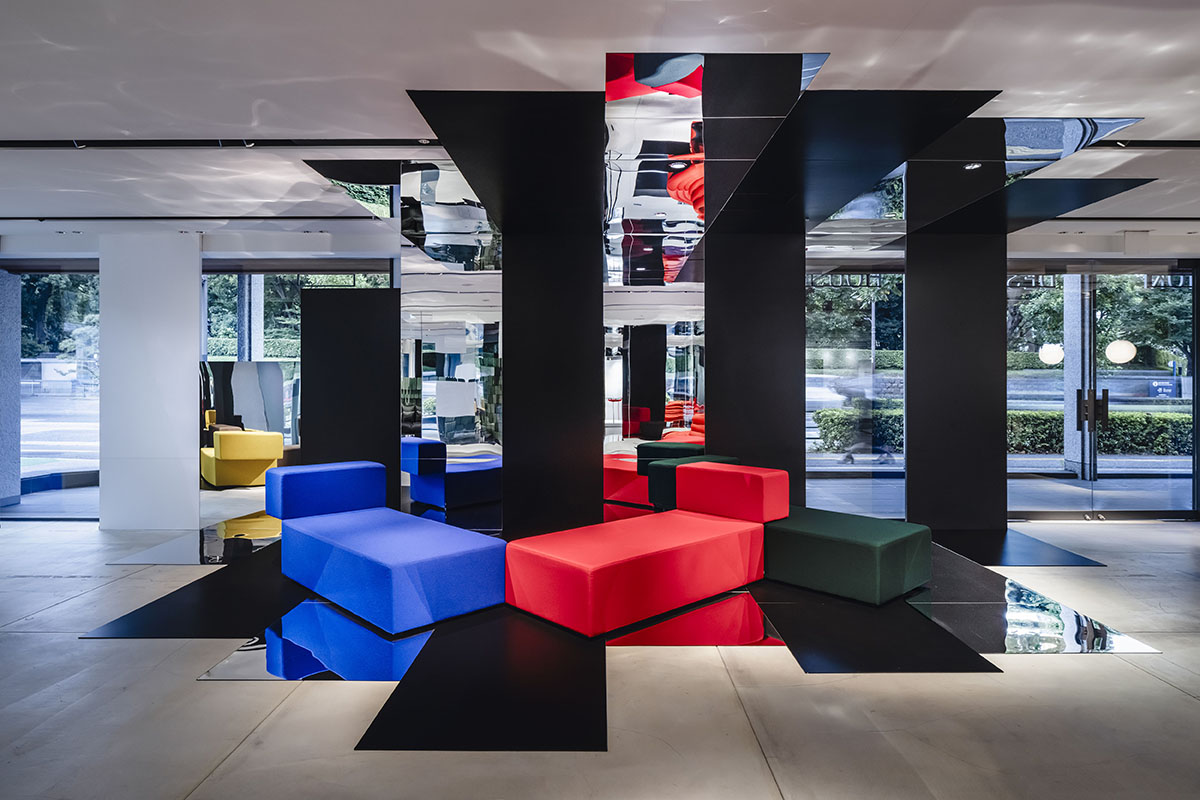
Itoki Design. Image © Ooki Jingu
Particularly noteworthy were exhibitions that presented new collections or used eye-catching installations to express distinctive brand visions.
NII sets the stage for energizing work
Itoki Design Houdse Aoyama, which debuted this autumn, hosted the NII’s inaugural collection by four designers (architecture practice AMDL CIRCLE, led by Michele De Lucchi, Todd Bracher, Rodolfo Agrella, and Jun Aizaki/CRE déME) for this exhibition titled “THE STAGE by NII.
“The venue was created in collaboration with SPREAD, a creative team that is well-known both domestically and abroad for their work that ranges from graphics to installations and is distinguished by color and concept.This produced a visually striking and powerful display.”
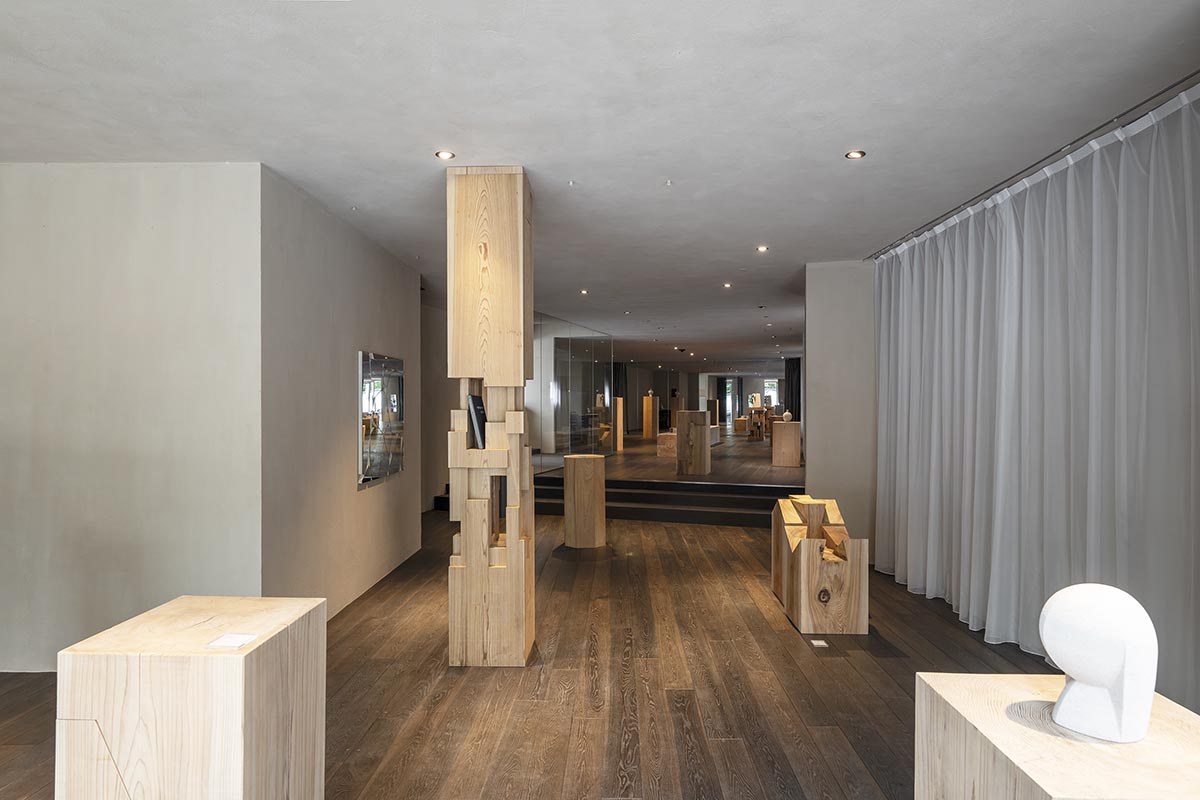
Pillars and Joints – Symbols. Image © Takuya Yamauchi
Time & Style Atmosphere – Pillars and Joints – Symbols Inheriting Japan’s Nature and Tradition
Symbols of Japan’s Nature and Tradition: Pillars and Joints Since ancient times, trees that thrive in the richness of natural forests have been valued as structural pillars in building.
They introduced new items that combine traditional joinery, sophisticated design, and contemporary practicality with wood log installations, drawing inspiration from Japan’s traditional architectural styles and the durability of these materials. Experiencing the passage of time and space in this magnificent environment was an amazing display.
Artworks That Transform Space

Windows by Dumb Type. Image © Nacasa & Partners
This year offered a variety of viewpoints on the changing art scene through a wide range of art interactions, including digital art, rare masterpieces by well-known artists, and the opening of new galleries.
On November 1, 2025, the first-floor office entry lobby of Kyobashi Museum Tower in Kyobashi hosted the sequel to the art piece Windows by Dumb Type, a trailblazing Japanese art collective. (Expected to remain on exhibit until Monday, August 31, 2026) An installation is recreated using its original algorithm by combining Windows, a collection of publicly accessible live photos from live cameras worldwide.
A world seen from a variety of perspectives on the Earth’s surface, where time and space are sorted and organized through programming, is represented by the different landscapes of the planet shown on the giant LED screen installed in the “Window.”
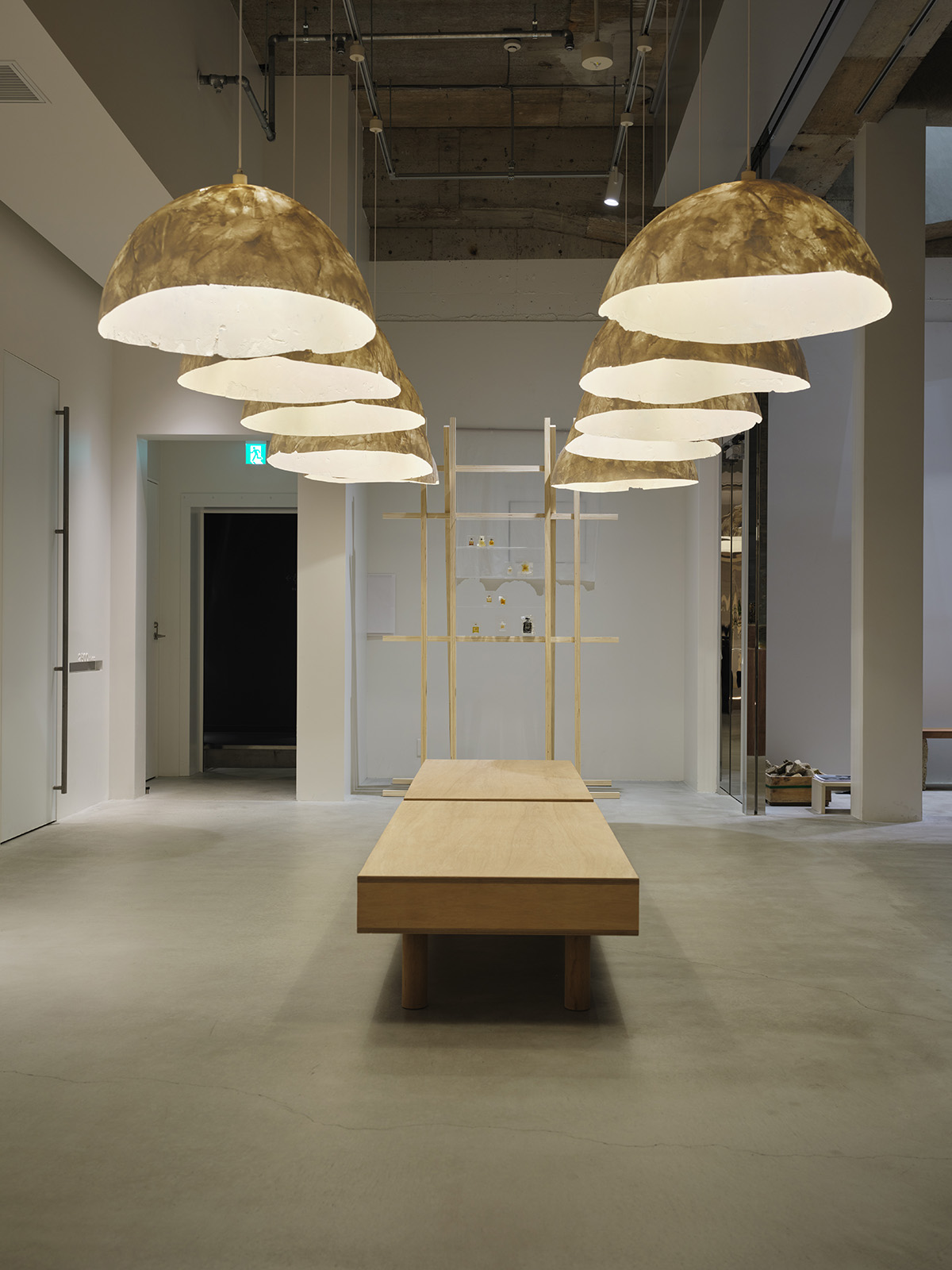
FONTE-Atelier matic. Image © Kohei Yamamato
Natural stone and terrazzo are frequently used in Atelier Matic’s artwork, which focuses on the dichotomy between man-made and natural objects. This exhibition, which was exhibited at Hakusuisha B1Gallery in Nihonbashi Kabutocho, used a slightly different strategy from their previous shows.
It included big lampshades that radiate gentle light and acrylic pieces with novel notions. Attention was drawn to Atelier Matic’s distinctive spatial presentation, as they are also experts in spatial and display design.
An exhibition that goes behind the scenes of design and manufacturing
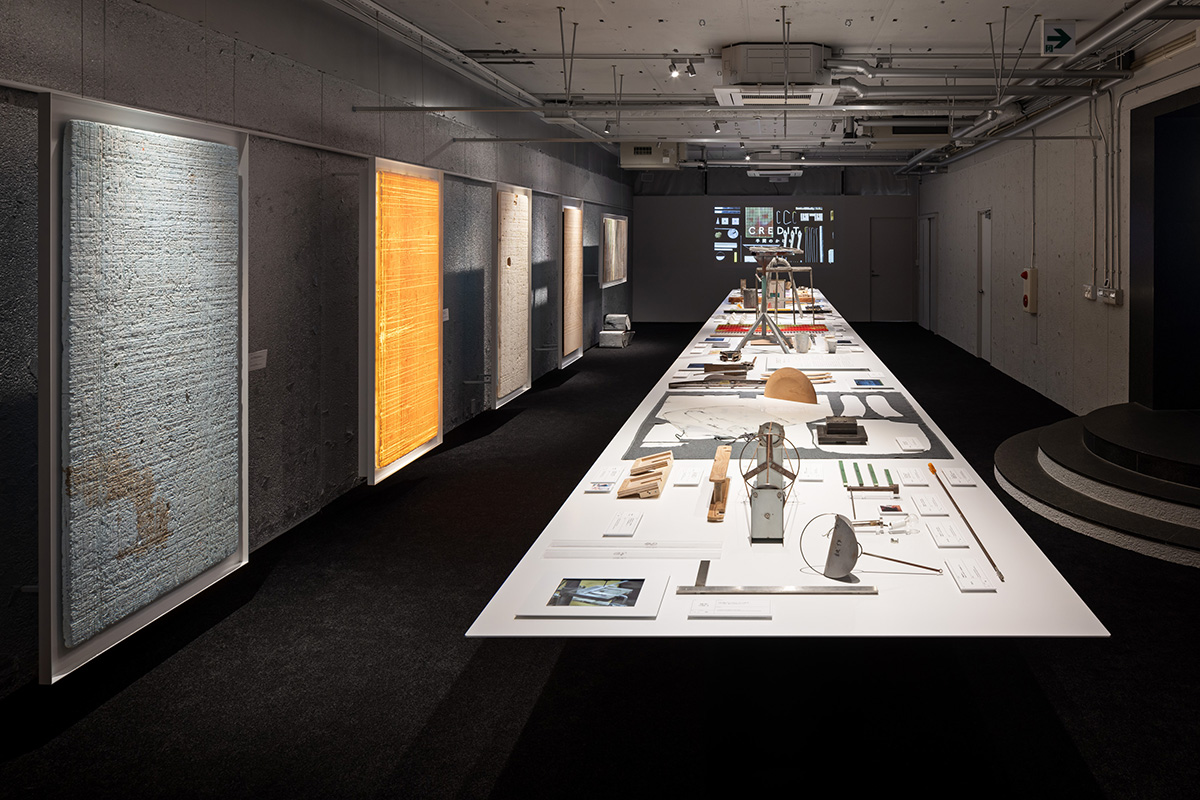
CREDIT – Fragments of Making. Image © Nacasa & Partners
Initiatives that disclose the inner workings of design and craftsmanship—sharing procedures to inspire fresh insights and discoveries—have been increasingly popular in recent years. In keeping with this pattern, the shows that followed attracted larger crowds and generated interest outside of the professional design community.
CREDIT – Fragments of Making
CREDIT – Fragments of Making, an exhibition by Nomura Company sheds light on the invisible processes that go into the places and goods that influence our day-to-day existence. In order to gather prototypes, rejected parts, and well-worn tools—traces of trial and error and inventiveness that are typically concealed from view—designers and production engineers traveled around Japan.
When presented in conjunction with narrative panels and videos, these snippets encourage visitors to reconsider their selection criteria by illuminating the breadth of work that goes into commonplace products and inspiring a fresh, more contemplative understanding of the production process. Understanding the maker’s intentions revealed new value and emphasized the significance of passing craft traditions forward, according to many visitors who voiced their newfound appreciation.

HaKU Design Studio | Ephemeral Echoes. Image © TakuyaYamauchi
HaKU Design Studio | Ephemeral Echoes
Product and CMF designers Haruna Tako and Kohei Shirai’s design team, HaKU Design Studio, showcased their creations under the heading “Ephemeral Echoes.”
They included an installation of ongoing CMF research [Color Traces] and [Oase], a tiny tray that tenderly embraces the changing moments of everyday life. The venue featured traces of beauty that appear when shape, color, substance, and texture come together.
Top image in the article: Cyuon + Moriyuki Ochiai Architects | Chromatic Symphony of Landscapes. Image © Takuya Yamauchi.
> via Designart Tokyo
art
craft
design
Designart Tokyo
installation
technology
AloJapan.com