
By YANG WANLI in Bangkok and PRIME SARMIENTO in Hong Kong |
China Daily Global |
Updated: 2025-12-30 09:39
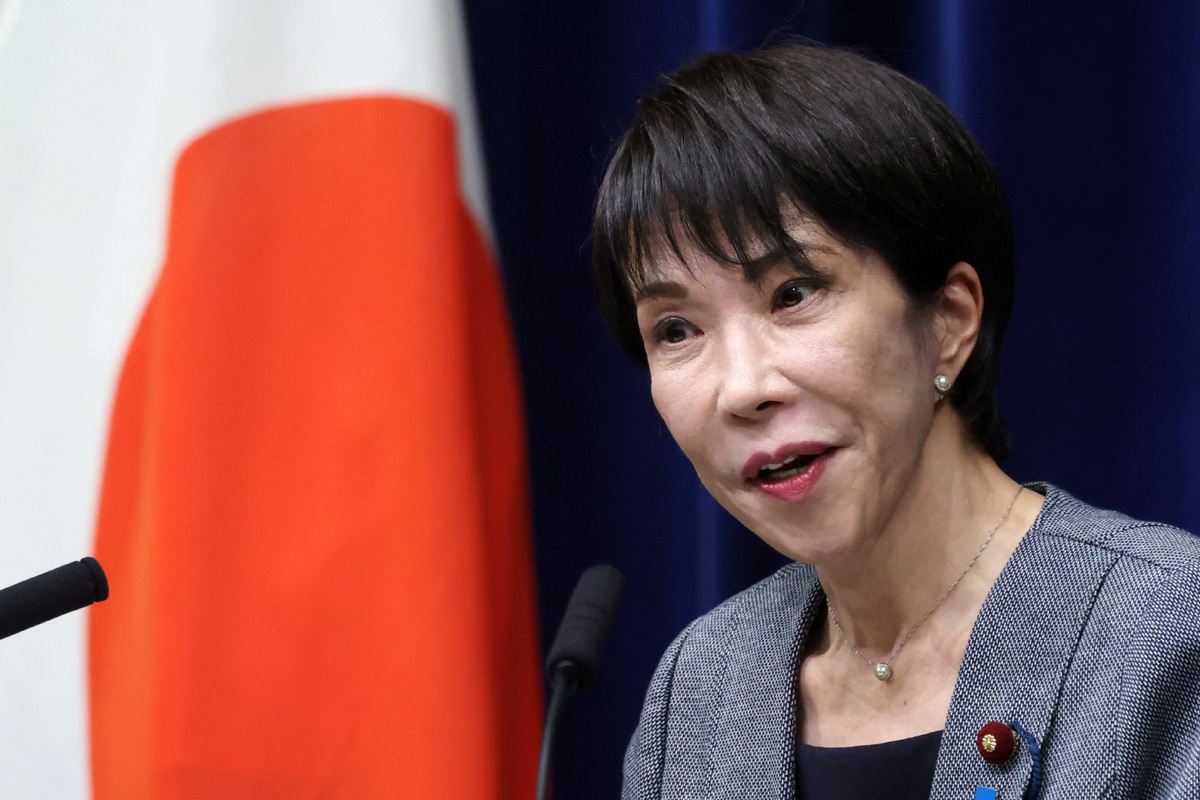
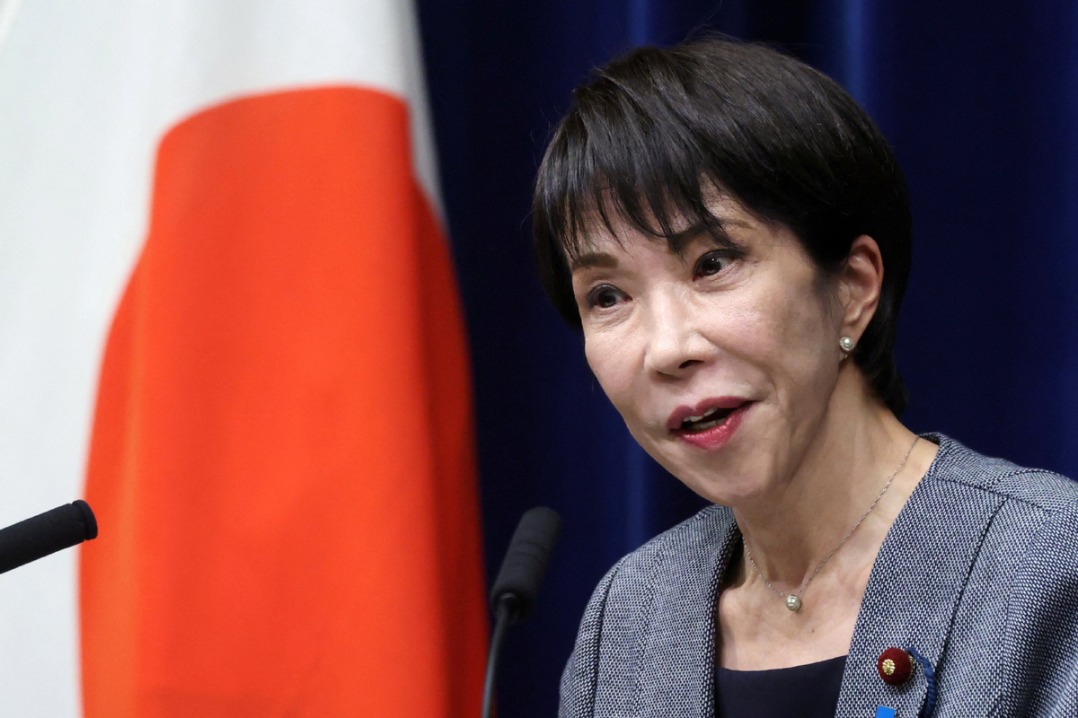
Sanae Takaichi, Japan’s prime minister, speaks during a press conference at the prime minister’s office in Tokyo, Japan, Dec 17, 2025. [Photo/Agencies]
Japan’s accelerated efforts of remilitarization may threaten regional stability in Southeast Asia amid current geopolitical challenges, experts say.
Since Prime Minister Sanae Takaichi took office in October, Japan has taken a series of controversial steps to reshape its postwar security policy. These include pushing forward the goal of defense spending reaching 2 percent of GDP two years ahead of schedule, which has triggered concerns at home and abroad.
Takaichi is also attempting to revise the Three Non-Nuclear Principles, signaling potential changes in Japan’s long-standing opposition to nuclear weapons. Meanwhile, Tokyo has proposed easing of restrictions on arms exports and hinted at the possibility of acquiring nuclear-powered submarines as part of its future military plans.
“An archconservative who has consistently downplayed Japan’s World War II atrocities, Takaichi embodies a right-wing ideology that seeks to champion a national vision reminiscent of a Japanese ‘MAGA’ movement — one that seeks to restore the imperial ‘strength’ of the pre-1945 era,” said Peter T.C.Chang, a research associate at the Malaysia-China Friendship Association in Kuala Lumpur, referring to the “Make America Great Again” movement in the United States.
This trajectory is particularly alarming for members of the Association of Southeast Asian Nations, he said. “ASEAN’s prolonged stability has been underpinned by a Japan that projects economic, not military, strength. A remilitarized Japan … threatens to alter not just its own pacifist posture but the delicate balance upon which regional security has long rested.”
James Gomez, regional director at the research institute Asia Centre in Bangkok, said Japan’s military buildup will heighten regional geopolitical tensions.
In addition to the adjustments in the fiscal year 2026 defense budget, Japanese media have reported an intensification of military deployments and increased spending on offensive equipment, such as long-range missiles stationed on the country’s southwestern islands — moves that analysts say carry clear offensive implications.
Japan’s evolving security role in Southeast Asia should be viewed with balance and caution, experts said, noting that its role can be a net positive if embedded within ASEAN-led frameworks.
“The real risk is whether Southeast Asia may lose its centrality and become an arena for major-power rivalry rather than a driver of regional stability,” said Awang Azman Awang Pawi, a professor at the Academy of Malay Studies at the University of Malaya.
He warned that a closer Japan-US security alignment may draw Southeast Asia into great-power competition, increasing pressure on ASEAN member states to choose sides.
Accelerated process
Japan has been shifting its defense focus toward Southeast Asia over the past decades, a process that has accelerated under the Takaichi administration.
Analysts said the rise of right-wing forces in Japanese politics, coupled with accelerating military deployments, has also raised concern within Japan itself.
Peerasit Kamnuansilpa, former dean of the College of Local Administration at Khon Kaen University in Thailand, said the key question is whether Tokyo can sustain this trajectory over the long term, given domestic constraints such as a rapidly aging population, a shrinking workforce and already high social spending on pensions and healthcare.
AloJapan.com