
By Daniel de Bomford, Cian O’Neill and Paul Mannion
From shredding snow-capped peaks on a board to floating down crystal-clear creeks flowing through gorges that seem straight out of myth, Japan is a land of contrasting experiences. Ancient villages that carry the weight of millennia of history are just a stone’s throw away from the futuristic metropolises. Regardless of the season, the weather or one’s preference for experiences, Japan offers something for all.
It is here, where centuries of tradition and culture intermingle with advanced technology, providing an entry for those curious enough to experience something new, something sacred or something beautiful. Perhaps even all three.
Japan, a Land of Contrasts and Culture
Kazuyoshi Shimojima, Director and COO of Polaris Holdings, the operating company of KOKO Hotels, says that Japan offers an extensive range of experiences, and the country’s relatively small size means everything remains close together. Each region has its unique culture, cuisine, and history, creating an environment where no two trips are identical. He says the diversity in culture, geography and climate is part of Japan’s appeal.
One thing shared across Japan is its culture of hospitality. “As a hotel company, we see Japanese hospitality as one of the country’s defining strengths,” Shimojima says. “It’s deeply rooted in our culture to be thoughtful and detail-oriented.” Omotenashi, as it is known in Japanese, is central to KOKO Hotels’ operations, where staff are encouraged to treat each guest as a member of their own family. “Our goal is to provide a warm, holistic hospitality experience that makes people feel comfortable, welcome, and genuinely cared for,” Shimojima says.
Polaris Has Something to Offer Everyone
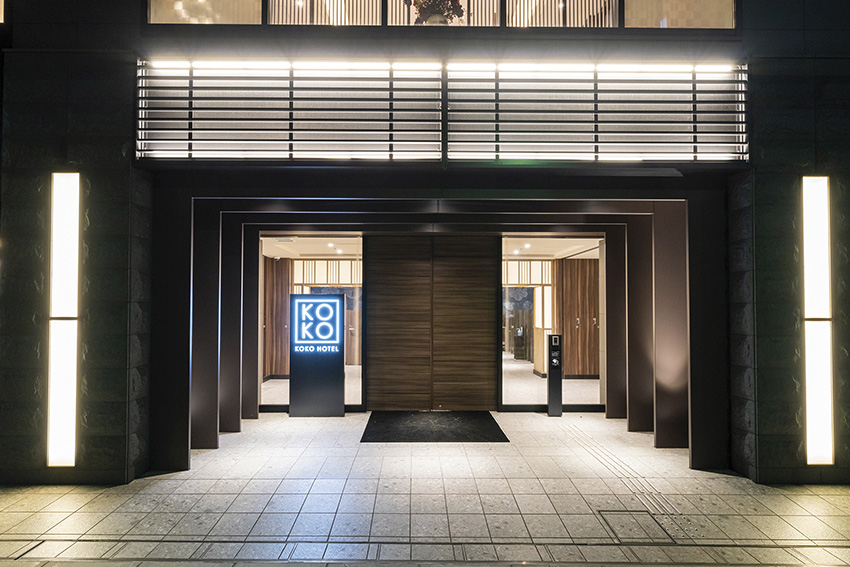
The company operates over 14,000 rooms across 93 hotels under different brands spread across the country, offering a variety of options suitable for all budgets. From economical stays in KOKO STAY and KOKO Hotel to more premium stays in KOKO Premier, the company is also investing in and acquiring new properties and larger rooms for longer-term stays and groups, such as families, under the brand KOKO Residence. The company is currently in negotiations for its expansion into ryokan-style inns, especially near hot springs and hopes to share more news soon.
Polaris is also exploring new types of hotels and services, such as staffless check-in and room access linked to smartphones, which would enable staff to act as service agents for customers. As Shimojima says, “Ultimately, by expanding and diversifying our offerings—from contactless hotels to premium group accommodations—we aim to appeal to a much broader range of customers across different travel needs and preferences.”
Contributing to Regional Revitalization
With Japan’s population shrinking and overcrowding in popular tourist spots due to the ever-increasing number of tourists, Polaris is stepping up to help reduce that burden and breathe new life into communities at risk of disappearing.
Shimojima says that while each region has its own unique culture, these local identities have not been effectively communicated to inbound tourists. “It is my firm belief, that once visitors are aware of the diverse experiences Japan offers, I’m confident many of them will choose to explore beyond the typical tourist path,” he says. Shimojima believes that hotels must play a key role in better promoting the richness of these regions through their deep connection to local communities.
Each KOKO Hotel property collects large amounts of content from these communities, translates it, and shares it on social media, focusing on visually compelling examples, such as cherry blossoms, scenic spots, and cultural highlights. The company also partners with less-visited local regions, such as Shizuoka and Higashi-Osaka, acting as a promotional partner. Shimojima describes the company as “almost like an advertising agency.”
However, there are challenges to promoting the regions. Shimojima points to Tohoku as an example of how visitors perceive it to lack convenient access and services. “Outside of major hubs like Tokyo, train stations often have signage only in Japanese, which can be quite confusing for travelers who don’t speak or read the language,” he says.
Citing food as one of the most accessible and effective ways to communicate cultural differences between regions, Shimojima says that hotels can act as gateways into Japanese culture. By serving curated menus that feature local dishes, guests can sample the region’s offerings and feel encouraged to stay curious and adventurous.
Promoting Sustainability Alongside Tourism
“At Polaris, we promote a sustainable tourism model that balances environmental responsibility with regional revitalization,” Shimojima says. The company prioritizes transparent supply chains for the food it serves, which fosters trust and promotes the unique offerings of each region. It maintains a variety of initiatives, including harvest visits, composting food waste, and supplying it to nearby growers. “It’s a small but meaningful way we’re contributing to a virtuous cycle—reducing waste, supporting local agriculture, and deepening our connection with the communities in which we operate,” he says.
Together with its partner companies, Polaris benefits from economies of scale and the group’s strengths in real estate and asset management, while bringing its own expertise in hotel management and deep connections to the regions. Shimojima aims to continue driving the company forward through enhanced branding and marketing. By connecting directly with guests through a membership program and influencer marketing, Shimojima seeks to make the brand recognizable to travelers worldwide.
With many travelers returning to Japan again and again, Polaris aims to become their partner for the curious and adventurous who are eager for new experiences beyond the well-trodden Golden Route.

AloJapan.com