
Japan is a country shaped by seasons and traditions. Each time of year offers a distinct set of experiences that influence not only what you see, but how you feel as you explore, from cherry blossoms in soft spring sunshine to fiery colors in autumn, snow festivals in winter, and lively summer celebrations. Knowing when to travel can transform your trip, whether you want mild weather, cultural festivals, fewer crowds, or better value.
Below is a seasonal breakdown designed to help travelers choose the best time based on what they want from their journey, including insights into weather patterns, notable festivals, typical crowd levels, and travel costs.
Sign up for our newsletter and get hidden gems, travel secrets, and stories like this delivered straight to your inbox!
Spring in Japan: cherry blossoms and new life
Spring in Japan is one of the most famous travel seasons in the world. Cherry blossoms, or sakura, typically bloom from mid‑March through mid‑April, beginning in the south and progressing northward into May. The Japan National Tourism Organization forecasts this annual event, with full bloom varying by region. For example, Tokyo and Kyoto often reach peak blossom in late March to early April, while northern areas like Hokkaido bloom later in April and early May.
The cultural tradition of hanami, or cherry blossom viewing, turns parks and riversides into vibrant gathering spots, with locals and visitors picnicking under flowering trees. Popular spots such as Ueno Park in Tokyo and Maruyama Park in Kyoto can be extremely crowded at peak bloom because of this beloved custom.
Travelers should prepare for higher accommodation and transportation costs during this period, as demand spikes with international and domestic visitors. Early bookings and flexible itineraries can help make spring travel more manageable.
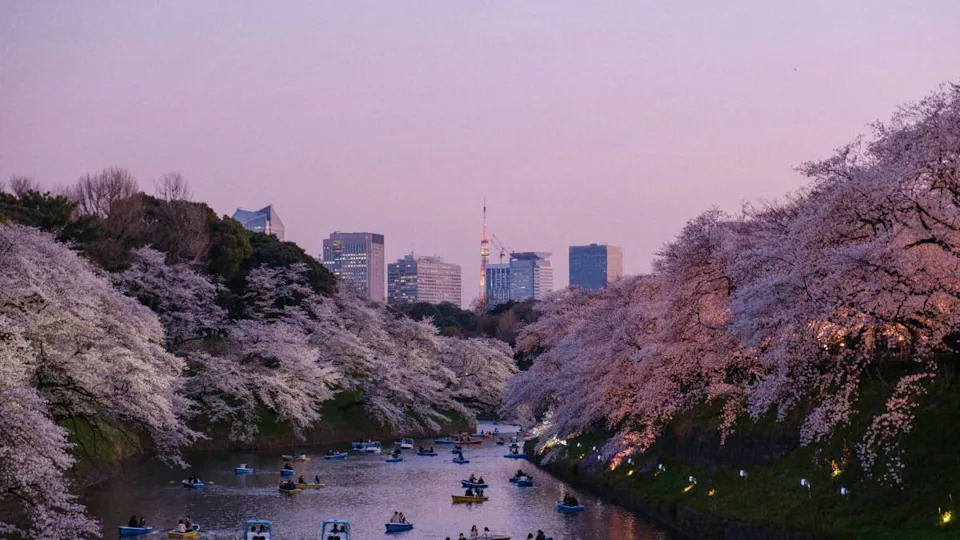
Kayakers glide along a peaceful river in Japan, surrounded by blooming cherry blossoms that frame the water in delicate pink petals.Photo by Yu Kato on Unsplash
Summer in Japan: festivals, fireworks, and warm weather
Summer in Japan spans from June through August and brings warm, humid weather with temperatures that often rise above 30°C or 86°F in many regions. June usually marks the rainy season in much of the country, with short bursts of rain and high humidity. Following the rainy period, July and August heat gives way to festival season.
Summer festivals are abundant throughout the country. Kyoto’s Gion Matsuri in July is one of Japan’s oldest festivals, featuring elaborate floats and street celebrations. Fireworks festivals take place in cities nationwide, with Tokyo’s Sumida River Fireworks attracting huge crowds enjoying dazzling pyrotechnics against summer skies. National holidays, such as the Obon festival in mid‑August, draw many Japanese travelers home for family festivities and can make travel busier, especially around coastal and countryside destinations.
While summer offers rich cultural experiences, it is also the peak travel season for families, so travelers seeking fewer crowds and lower accommodation costs might consider planning for early July or late August outside major holiday periods.
Related: Holland America’s Asia cruises showcase less-traveled Japan ports
Autumn in Japan: foliage and mild days
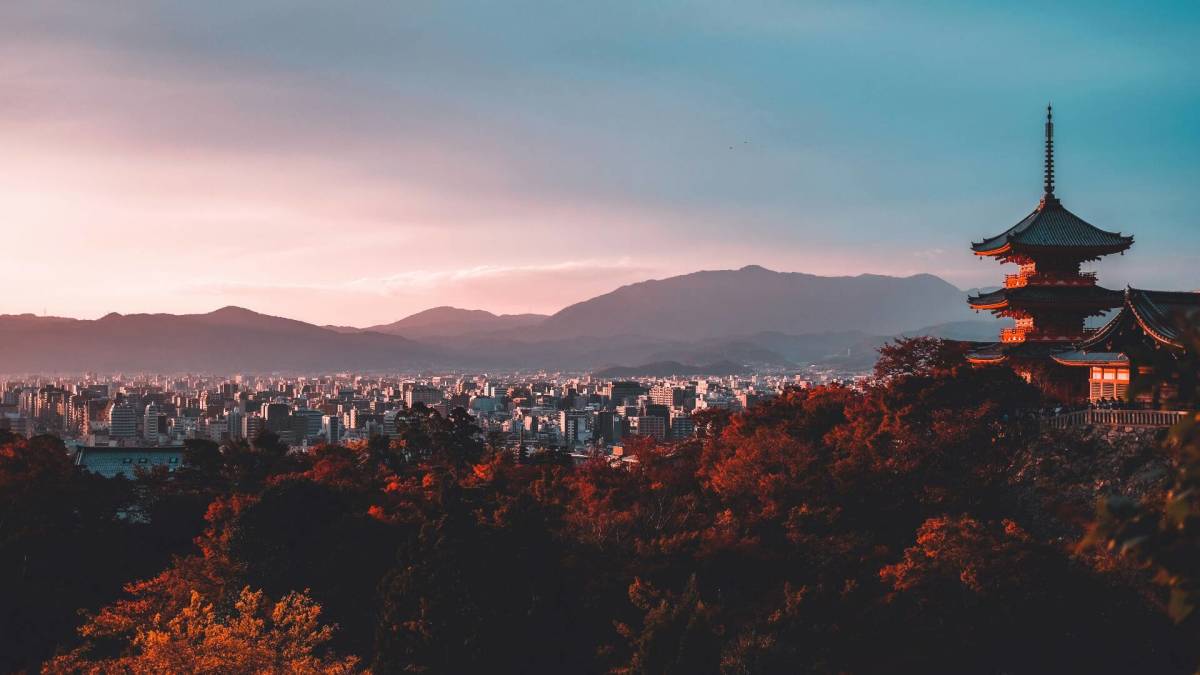
Autumn is often called Japan’s second prime season after spring. Autumn foliage typically peaks from late October through November in much of central and western Japan, turning landscapes into vibrant reds, oranges, and yellows. Regions such as Kyoto, Nikko, and the Japanese Alps become scenic highlights for leaf peepers and photographers alike.
Weather is generally mild, with crisp air and comfortable daytime temperatures making it ideal for sightseeing and hiking. Both domestic and international tourists travel during this period, so central Kyoto or Tokyo parks can still see heavy visitation, especially on weekends.
Travelers can find slightly lower prices on accommodation compared with spring, but costs may still be elevated in peak foliage hotspots. Visiting popular autumn spots during weekdays or exploring lesser‑known regions can offer a more relaxed experience.
Winter in Japan: snow, onsens, and cultural festivals
Winter in Japan varies by region, with snowy landscapes in northern and mountainous areas and milder conditions in cities like Tokyo and Kyoto. Hokkaido and northern Honshu receive heavy snow, making them excellent destinations for winter sports such as skiing and snowboarding. Sapporo’s Snow Festival in February features massive ice and snow sculptures and draws many international travelers.
Cities in central and southern Japan have generally clear and mild winters, perfect for urban exploration without heavy crowds. Visiting an onsen, or traditional hot spring, in winter is a quintessential Japanese experience. Even though temperatures can be cold, the warm baths and seasonal winter festivals make this a rich time to visit for those who enjoy cultural and outdoor winter activities.
Get the latest travel inspiration and news delivered straight to your inbox.
Crowds, holidays, and pricing
Peak tourist seasons in Japan include cherry blossom season, Golden Week in late April and early May, and autumn foliage months. During these times, crowd levels increase at major attractions, parks, and transport hubs. Hotel prices can rise significantly during peak demand, sometimes 150 to 200 percent higher than off‑peak rates. Booking accommodations and key transportation at least six months ahead is advisable for trips in these periods.
Golden Week, a cluster of national holidays typically at the end of April and early May, sees heavy domestic travel that can impact availability and price even outside major cities. Choosing alternative travel dates just before or after peak seasons can help travelers enjoy pleasant weather and scenic beauty with fewer crowds and lower costs. Weekday travel and early morning visits to popular destinations can also help avoid the busiest times during peak travel windows.
Related: This winter, head to Japan for Club Tourism’s curated tours of snow and scenic wonders
Seasonal festivals and highlights
Japan’s cultural calendar is full and varied:
Hanami (Cherry Blossom Viewing) in late March and early April brings parks and gardens to life with picnics and festivities.
Summer Matsuri and Fireworks in July and August celebrate communities with parades and night skies lit with color.
Autumn Foliage Viewing invites travelers to enjoy vibrant landscapes from October through November.
Snow Festivals and Onsens in winter offer artful ice sculptures and traditional hot spring relaxation.
Whether you plan around events, weather, or personal preferences for crowds and cost, Japan has something remarkable to offer year‑round. Choosing the best time to visit Japan depends on personal priorities for weather, activities, and cultural experiences. Spring and autumn offer iconic natural spectacles, summer brings lively festivals and fireworks, and winter provides peaceful snow and onsen experiences. Thoughtful planning helps you enjoy Japan’s rich seasonal rhythms while navigating crowds and costs effectively.
This story was originally published by TravelHost on Dec 29, 2025, where it first appeared in the Attractions section. Add TravelHost as a Preferred Source by clicking here.
AloJapan.com