
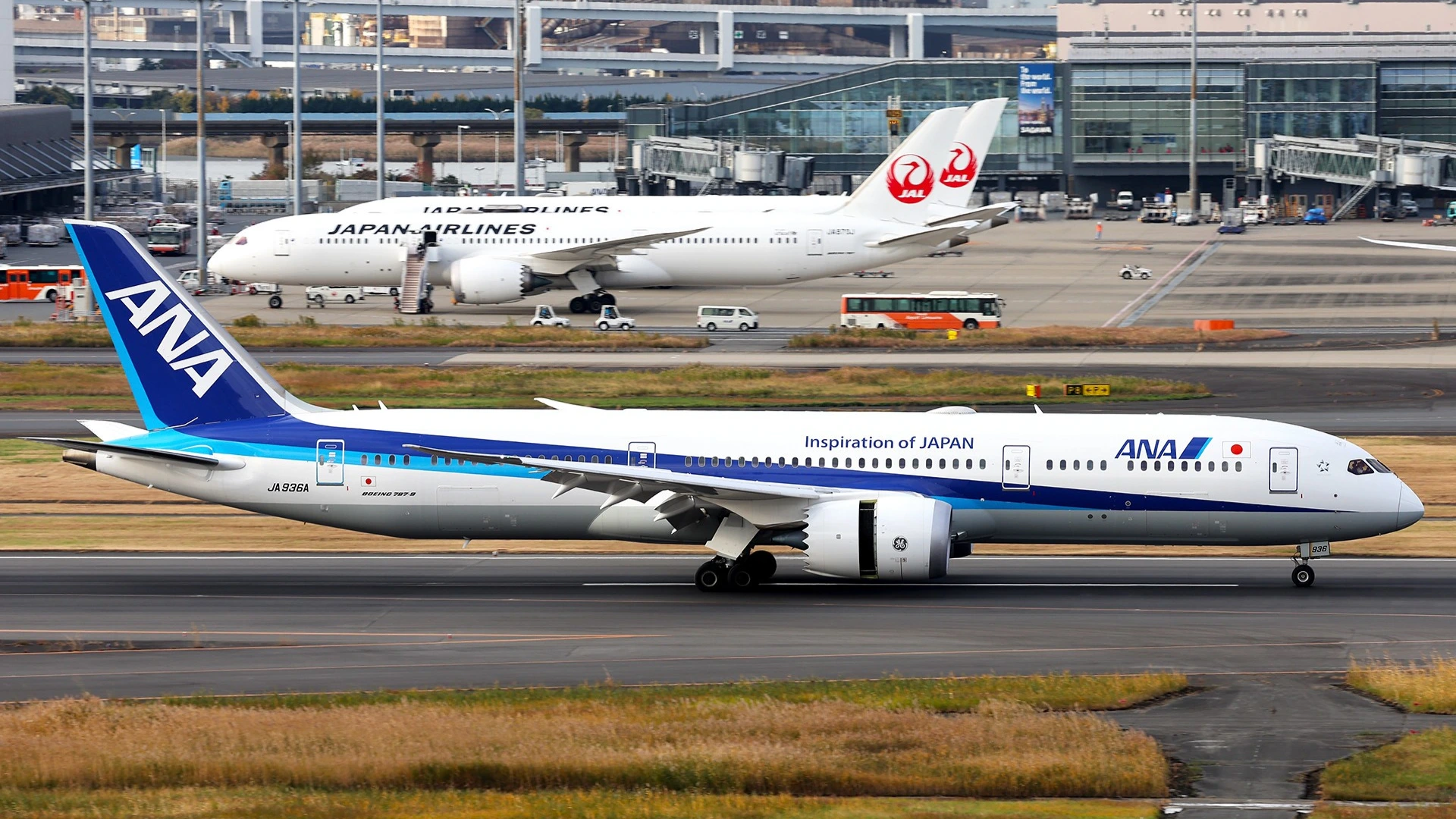
Boeing once envisioned the Boeing 787‑3 Dreamliner, a tailored aircraft for high‑density domestic routes in Japan. The variant was intended to serve routes between airports such as Tokyo Haneda (HND) and Sapporo (CTS) with greater efficiency and capacity than existing jets could provide.
The 787‑3 drew strong interest from major Japanese carriers, including All Nippon Airways (NH) and Japan Airlines (JL), because of its potential to improve fleet productivity and reduce operating costs. Despite confirmed orders and clear market demand, Boeing never built this Dreamliner version.
 Photo: Clément Alloing
Untold Story of Boeing 787-3 for Japan
Boeing marketed the 787‑3 as a solution for airports with limited gate space and heavy passenger loads.
Its smaller wingspan and blended winglets were designed to allow operations at tighter regional gates while carrying roughly 290‑330 passengers.
This design aimed to bridge the gap between traditional narrow‑body jets and long‑range wide‑bodies like the Boeing 767 and 787‑8.
Japan’s busiest domestic corridors — such as Tokyo (HND) to Fukuoka (FUK) — required intense frequency and capacity, often forcing airlines to use larger wide‑body jets despite inefficiencies in short flights.
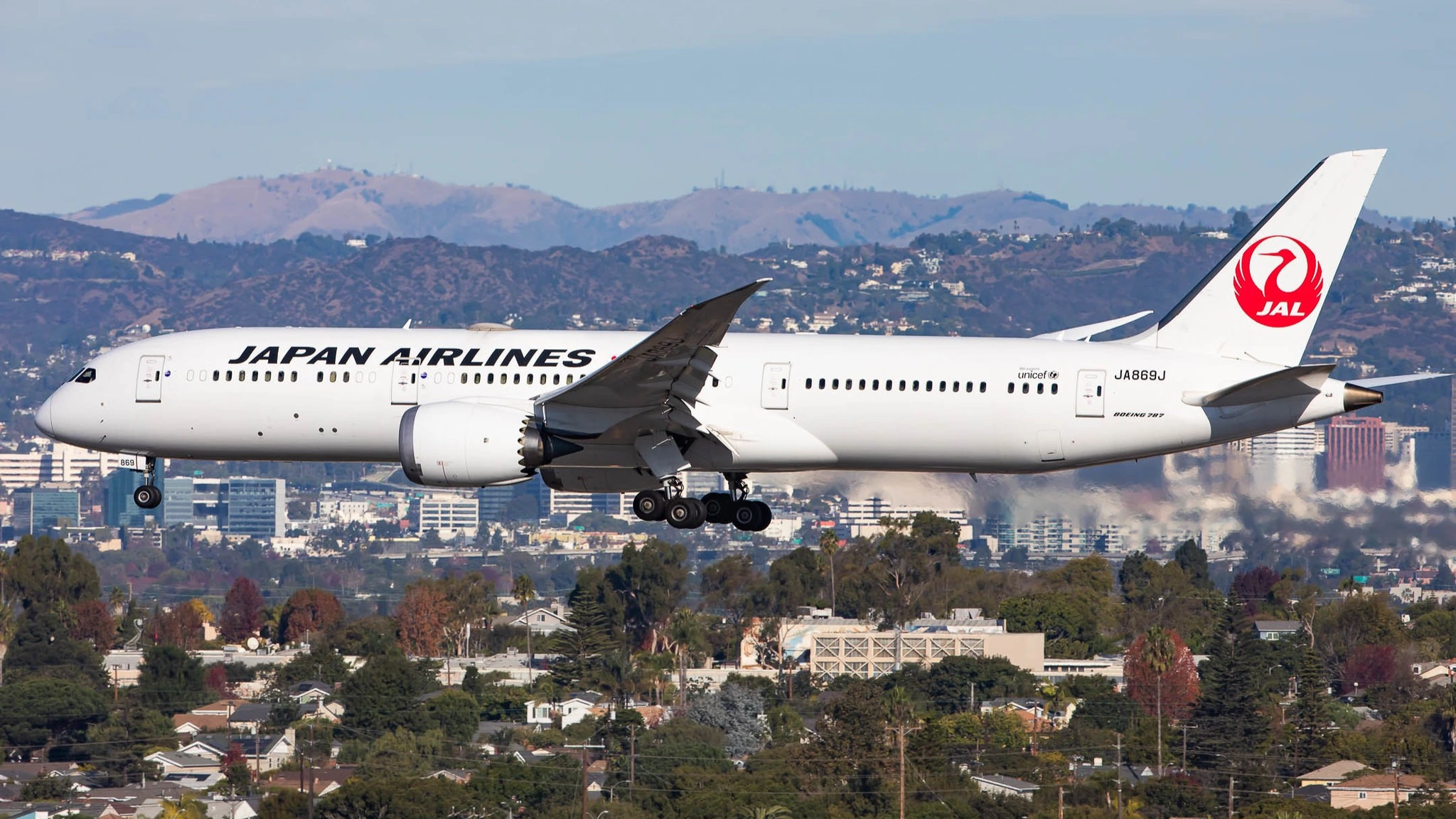 Photo: Clément Alloing
Tailored design concept
The Boeing 787‑3 shared its fuselage length with the smallest Dreamliner variant, the 787‑8, but had a reduced wingspan of 51.9 meters to fit local airport infrastructure.
With a maximum take‑off weight of approximately 165 tons, the aircraft could cover 2,500‑3,050 nautical miles, sufficient for Japan’s domestic hops.
The aircraft’s carbon-fiber fuselage and modern engines promised improved fuel efficiency and reduced maintenance costs compared to older types.
The 787‑3 was positioned as a next-generation solution for airlines managing high-frequency short-haul flights, combining capacity and economy in a single aircraft.
 Photo: Kwok Ho Eddie Wong | Flickr
Orders and cancellation
Both All Nippon Airways (NH) and Japan Airlines (JL) placed orders for the 787‑3, with ANA originally committing to 30 aircraft.
However, the entire 787 program faced significant delays caused by supply chain issues, quality challenges, and scheduling setbacks. Boeing diverted resources to complete the 787‑8 variant, which was urgently needed to satisfy customer demand.
As deliveries slipped, ANA and JAL switched their orders to the 787‑8, which, while not optimized for short-haul operations, provided immediate fleet modernization and operational reliability over aging Boeing 767s.
Without these key orders, Boeing lacked the economic justification to continue developing the 787‑3.
In 2011, the Boeing 787‑3 was officially discontinued. The variant remains largely forgotten, despite its potential to reshape Japan’s domestic aviation market and serve as a model for the “middle of the market” sector.
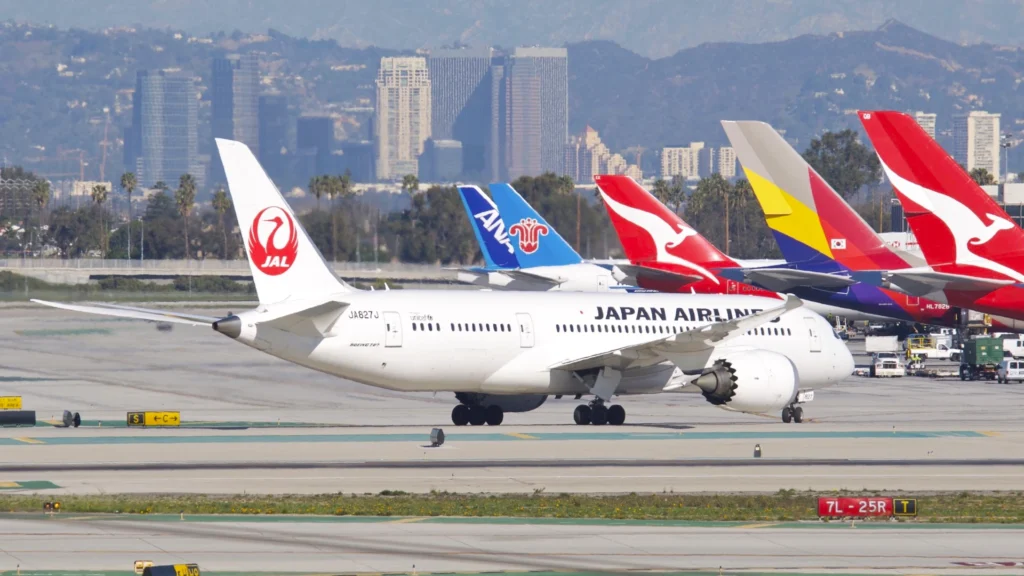 Photo: Aero Icarus | Flickr
Bottom line
The Boeing 787‑3 Dreamliner stands as a notable example of how production timing, supply chain challenges, and airline strategy can determine an aircraft’s fate.
While innovative and tailored for Japan’s busiest domestic routes, the 787‑3 never moved beyond the drawing board.
Its cancellation illustrates the delicate balance between market demand and program execution in the aviation industry.
Stay tuned with us. Further, follow us on social media for the latest updates.
Join us on Telegram Group for the Latest Aviation Updates. Subsequently, follow us on Google News
AloJapan.com