
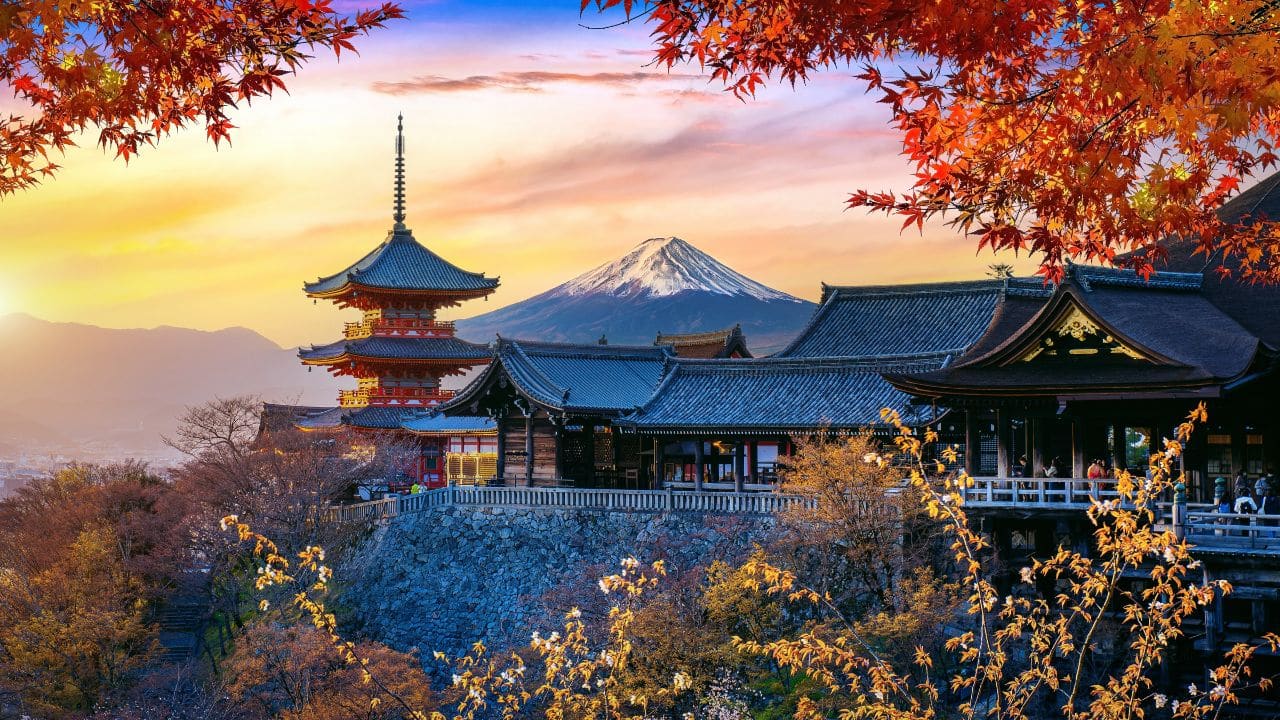
Kyoto’s iconic Gion district holds secrets that only emerge when the sun sets, and most tourists head back to their hotels. While thousands flood these historic streets during daylight hours, snapping photos and hunting for glimpses of geisha, something magical happens when the clock strikes 10 p.m. The very soul of this ancient entertainment quarter transforms, revealing layers of atmosphere that daylight visitors never experience.
This shift isn’t just about fewer crowds or better photo opportunities. It’s about witnessing a district return to its authentic roots as a living, breathing entertainment quarter where tradition mingles with modern nightlife in ways that feel both timeless and utterly contemporary.
The Great Tourist Exodus Creates Breathing Room Image Credit: Shutterstock
Once it becomes nighttime, there are fewer people in the usually very lively Gion. Kyoto is packed with a lot of visitors, but did you know it’s relatively empty at night? You can enjoy a different atmosphere from the daytime. The Kyoto municipal government conducts an annual study to track tourism trends in the city, and as expected, there was a huge increase in foreign travelers between 2023 and 2024.
The transformation begins around 8 p.m. when tour groups start dispersing, but by 10 p.m., the district undergoes a complete metamorphosis. Its illuminated streets and tea houses create an enchanting setting, though some suggest visiting early to avoid crowds. Located centrally, Gion is easily accessible and ideal for walking, dining, and shopping. The cacophonous energy of daytime photography sessions gives way to hushed conversations and the gentle click of wooden sandals on stone pathways.
What emerges is remarkable: you can actually hear the sounds that define Gion’s character. You can hear the sounds of nature that are muffled during the day. The gentle flow of the Shirakawa River, the rustle of bamboo, and distant conversations from traditional establishments become audible for the first time.
Transportation Challenges Thin the Crowds Further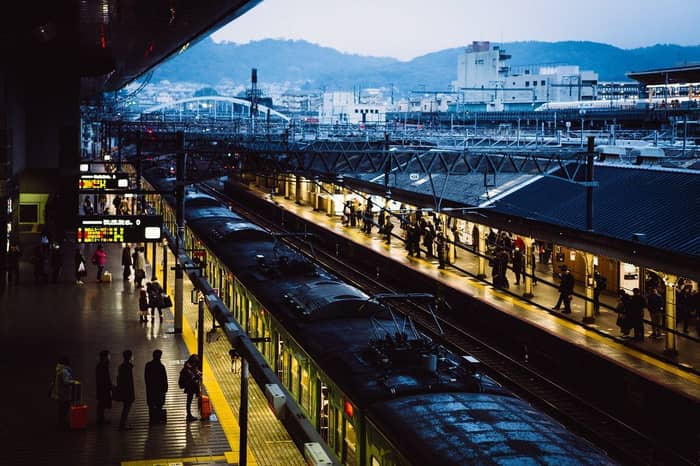 Transportation Challenges Thin the Crowds Further (Image Credits: Flickr)
Most trains and subways stop running between 11:30 PM to midnight. JR Kyoto Station and Gion Shijo Station: last trains often by 23:30–00:00. This transportation reality creates a natural barrier that keeps casual visitors away after 10 p.m., but also presents opportunities for those willing to plan.
Limited night bus services operate in some areas during peak seasons, though availability and schedules vary. The city has actually created special night bus services, recognizing the importance of late-night access to these entertainment districts. However, the station building shuts down, but taxis wait outside. Longer rides mean extra cost, but safety matters.
The transportation logistics mean that after 10 p.m., you’re primarily sharing the streets with locals, dedicated culture enthusiasts, and those who’ve specifically planned to experience Gion’s nocturnal personality. This filtering effect is part of what makes the late-night atmosphere so dramatically different.
The Lantern Magic Hour Transforms the Visual Experience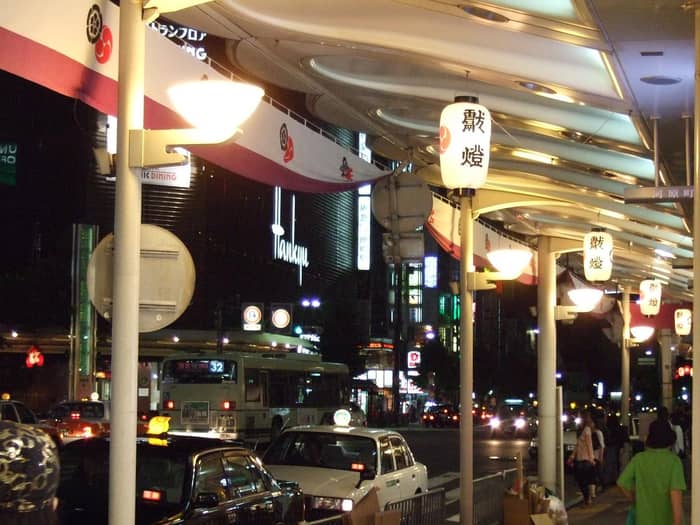 The Lantern Magic Hour Transforms the Visual Experience (Image Credits: Wikimedia)
Lanterns that are dimly lit create a dreamy scenery that spreads out ahead of you; it is an entirely different Gion from that of the day. Gion lights up at night, when the ancient-looking streets glow with lanterns along the river, where weeping willows catch the starlight and the air is warmed with conversation.
The transformation isn’t just about illumination – it’s about the quality of light itself. During the day, harsh sunlight washes out the subtle details of traditional architecture and creates sharp shadows that fragment the visual experience. But after 10 p.m., the dreamy traditional architecture and myriad lanterns serve to transport you back in time to the height of geisha and samurai activity.
At night, Gion transforms with its illuminated historic alleys and serene atmosphere. It’s a unique opportunity to discover the nocturnal beauty of Kyoto, with its lit pagodas and traditional architecture, away from the daytime bustle. The warm glow of paper lanterns creates pools of amber light that seem to bend time itself, making the district feel like a living museum where past and present coexist seamlessly.
Authentic Geisha Culture Emerges from the Shadows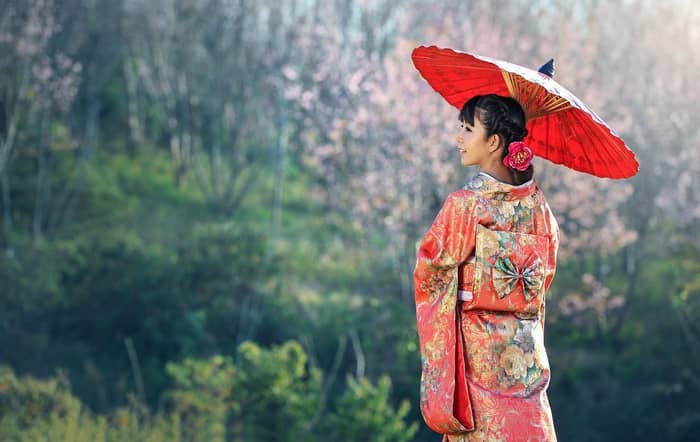 Authentic Geisha Culture Emerges from the Shadows (Image Credits: Pixabay)
In the preserved streets, the lanterns are lit on the teahouses and maiko, or apprentice geisha, can be seen hurrying to their appointments. Daytime visits are ideal for exploring the historic streets and architecture, while evenings offer the chance to spot geisha and maiko on their way to appointments, with lantern-lit streets creating a magical atmosphere.
The reality is that genuine geisha and maiko activity primarily occurs in the evening hours when they travel between appointments. Packed with bars, restaurants, and traditional teahouses, Gion is at its most atmospheric in the early evening, when the lanterns are lit, and apprentice geisha will flit about the back streets on their way to their appointments. While daytime visitors might catch the occasional staged photo opportunity, the authentic culture of this district happens after dark.
They often move through the quiet alleys, adding a touch of mystery and elegance to the nocturnal experience of Gion. These aren’t performances for tourists – they’re working professionals going about their business, and this authenticity is what makes night-time Gion feel so different from its daytime tourist persona.
The Entertainment Quarter Returns to Its Historic Purpose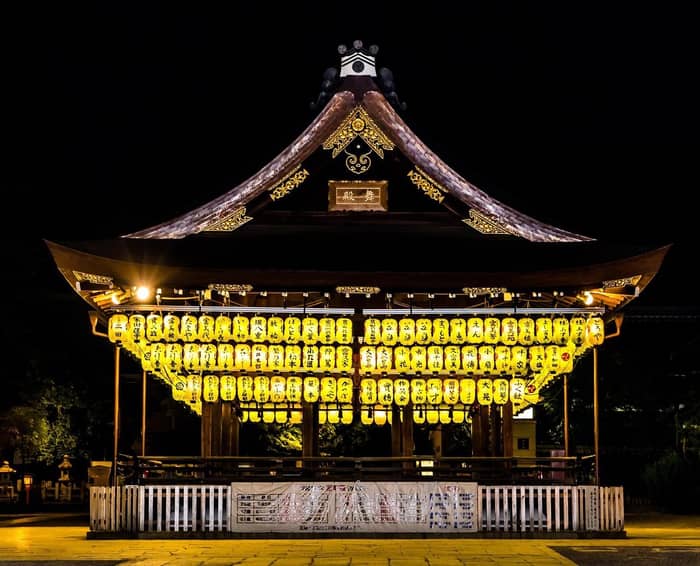 The Entertainment Quarter Returns to Its Historic Purpose (Image Credits: Pixabay)
When people talk about “the floating world” (the ephemeral world of nighttime pleasures to be had in Japan’s entertainment districts), they’re talking about places like Gion. This tightly packed district of hostess bars, elite restaurants, geisha houses, and members-only bars is where the nightly drama of lust and commerce is played out.
After 10 p.m., Gion stops being a museum and returns to being what it was designed to be: an entertainment district. Groups pass through to populate the restaurants and bars along the riverfront, but Gion still manages to be a mostly quiet district, due in large part to limited automotive traffic through many of its streets. Gion is a wonderful place to indulge in Kyoto’s local and customary cuisines, and is best enjoyed after dark.
The district’s layout, with its narrow alleys and intimate spaces, starts to make sense when you experience it as it was intended. Things spring to life here at 5:00 pm with the turning on of the lanterns and the rolling up of the shutters. But the real transformation happens later, when the tourist crowds disperse, and the neighborhood can function as a living entertainment quarter rather than an outdoor museum.
Safety and Solitude Create Unexpected Peace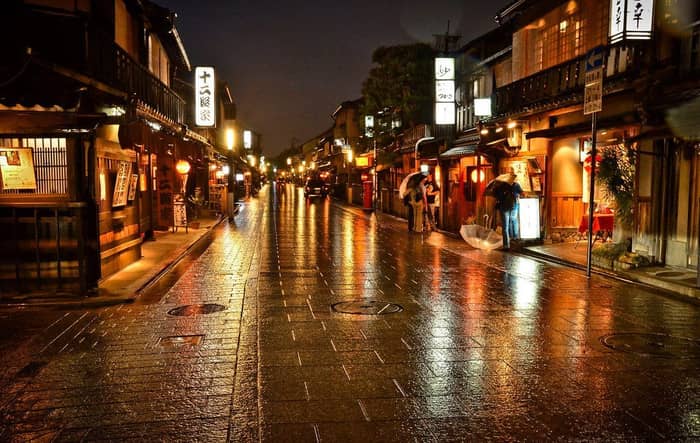 Safety and Solitude Create Unexpected Peace (Image Credits: Flickr)
So is it safe to walk around Kyoto at night? Yes! The night safety index is extremely high, perfect for a night tour! Kyoto is known for being one of Japan’s safest cities, with well-lit streets and a calm atmosphere. Whether you’re in Central Kyoto or along the Kamogawa River, walking at night is both comfortable and safe for solo travelers and groups alike.
The combination of safety and solitude creates something remarkable: the opportunity to experience one of the world’s most famous cultural districts in relative peace. A stroll through this part of town is equal parts calming and exciting. The usual pressure of crowds, the constant need to navigate around other tourists, and the performance aspect of being in a heavily photographed location all disappear.
Wander through the quiet alleyways and enjoy the tranquil beauty of Kyoto, as soft lighting illuminates the ancient streets. The local atmosphere becomes enchanting at night, providing a peaceful and great experience for anyone wanting to explore Kyoto’s historic charm. This tranquility reveals details that get lost in the daytime chaos – the texture of weathered wood, the sound of water flowing through channels beneath the streets, and the subtle architectural details that define traditional Japanese design.
The profound difference between Gion’s day and night personas reflects something deeper about how we experience cultural heritage. During peak hours, the district becomes a stage set for tourism, but after 10 p.m., it returns to being a lived-in neighborhood where tradition continues to evolve. This transformation reminds us that the most authentic cultural experiences often happen when we’re willing to venture beyond the standard touring hours and discover places as they were meant to be experienced.
What do you think draws people to seek out these quieter, more authentic moments in famous destinations? Tell us in the comments.

Matthias a curious globetrotter who collects moments from night markets, coastlines, and tiny mountain villages. Plans trips around local food, scenic trains, and the best views at golden hour. If there is a hidden cafe or a weird little museum, you’ll find them there first.
AloJapan.com