
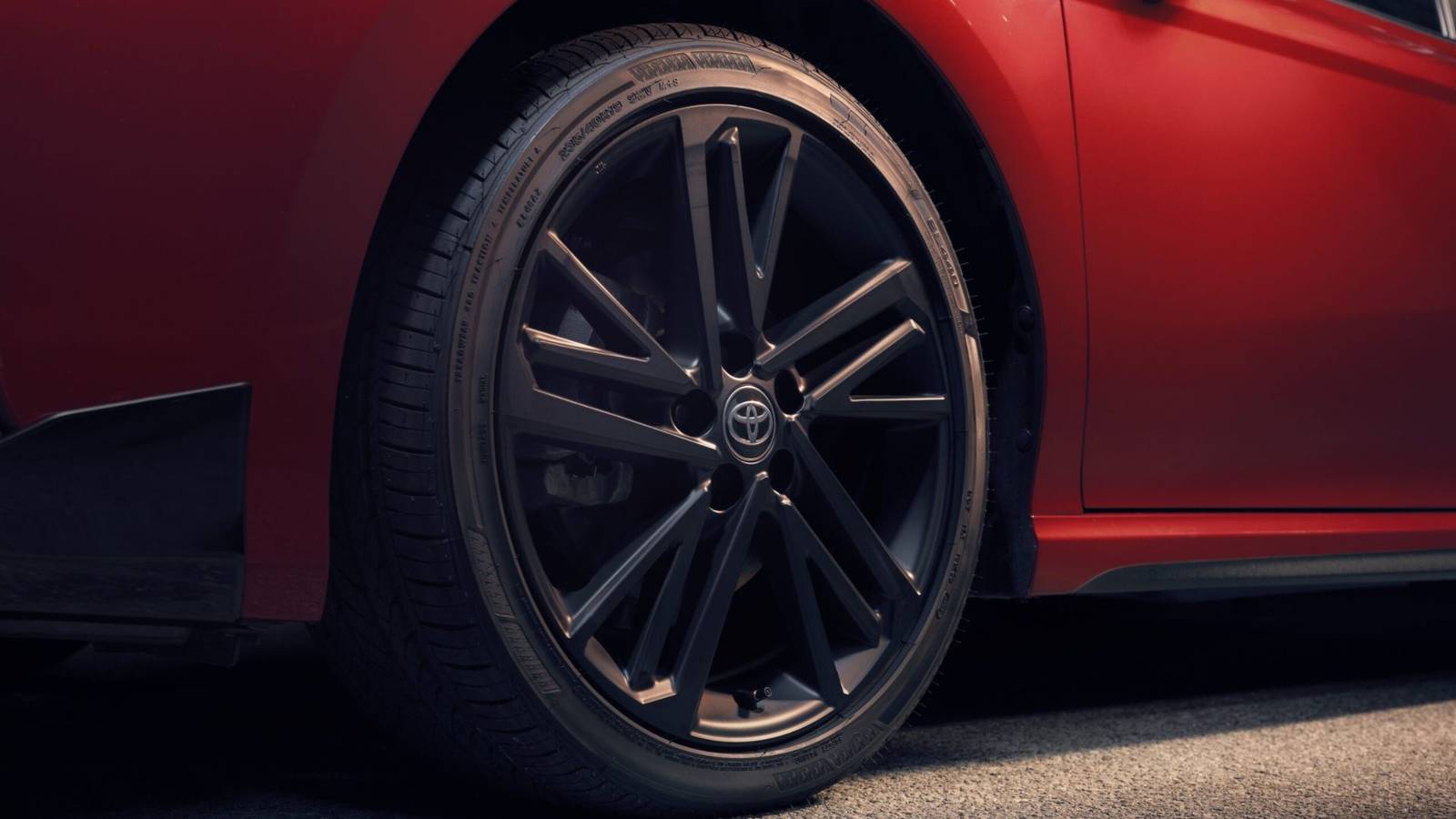
The Camry’s rapid rise as Toyota’s best-selling hybrid caught a lot of people off guard—especially with the RAV4 being as popular as it is. Turns out, plenty of buyers still want a good old-fashioned sedan, even with no shortage of shiny SUVs on the lot.
A big part of the Camry’s appeal is that it sticks to what Toyota does best: solid reliability and great fuel economy. It’s roomy enough for family duty, cheap to run, and doesn’t skimp on features—especially if you step up to the higher trims.
As gas prices keep climbing, hybrids are having a moment, and Toyota’s decades of experience are paying off. Making the Camry hybrid-only was a bold move, but judging by sales, it’s one that’s clearly working.
Related
Toyota’s 2026 Camry: Now With 100 Percent More Sass and Attitude
The 2026 Toyota Camry surprises with bold styling, hidden upgrades, and one trim that might just change how you see this sedan.
The 2026 Toyota Camry nails reliability
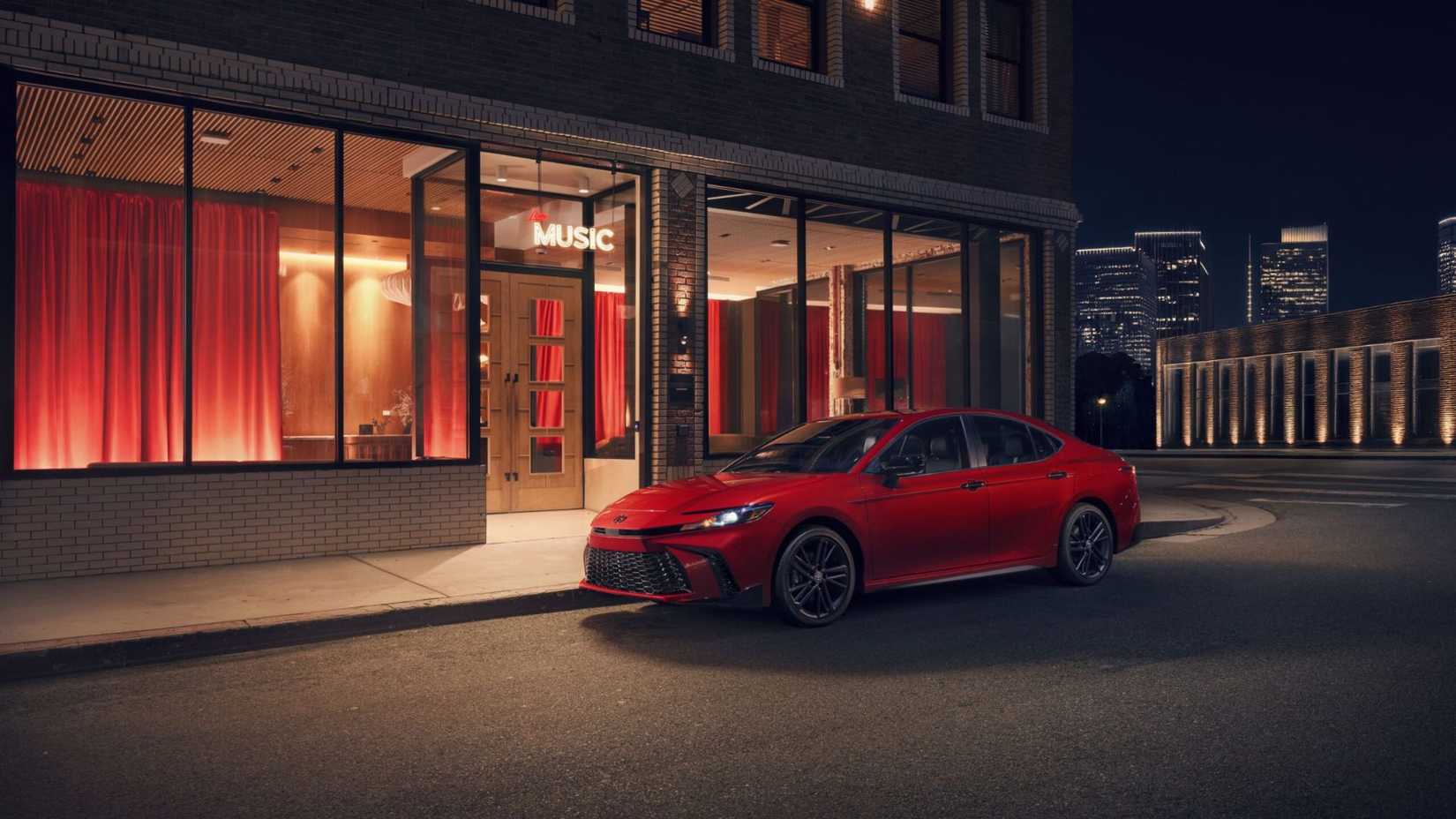
Credit: Toyota
If you’re shopping for a hybrid sedan and reliability is at the top of your list, the 2026 Camry is tough to beat. It earns that reputation thanks to consistently strong owner feedback and proven hardware that carries over from the previous generation.
The Camry’s reliability streak isn’t new, either. Even as SUVs dominate the market, it keeps showing why it’s still a smart, dependable choice for everyday driving.
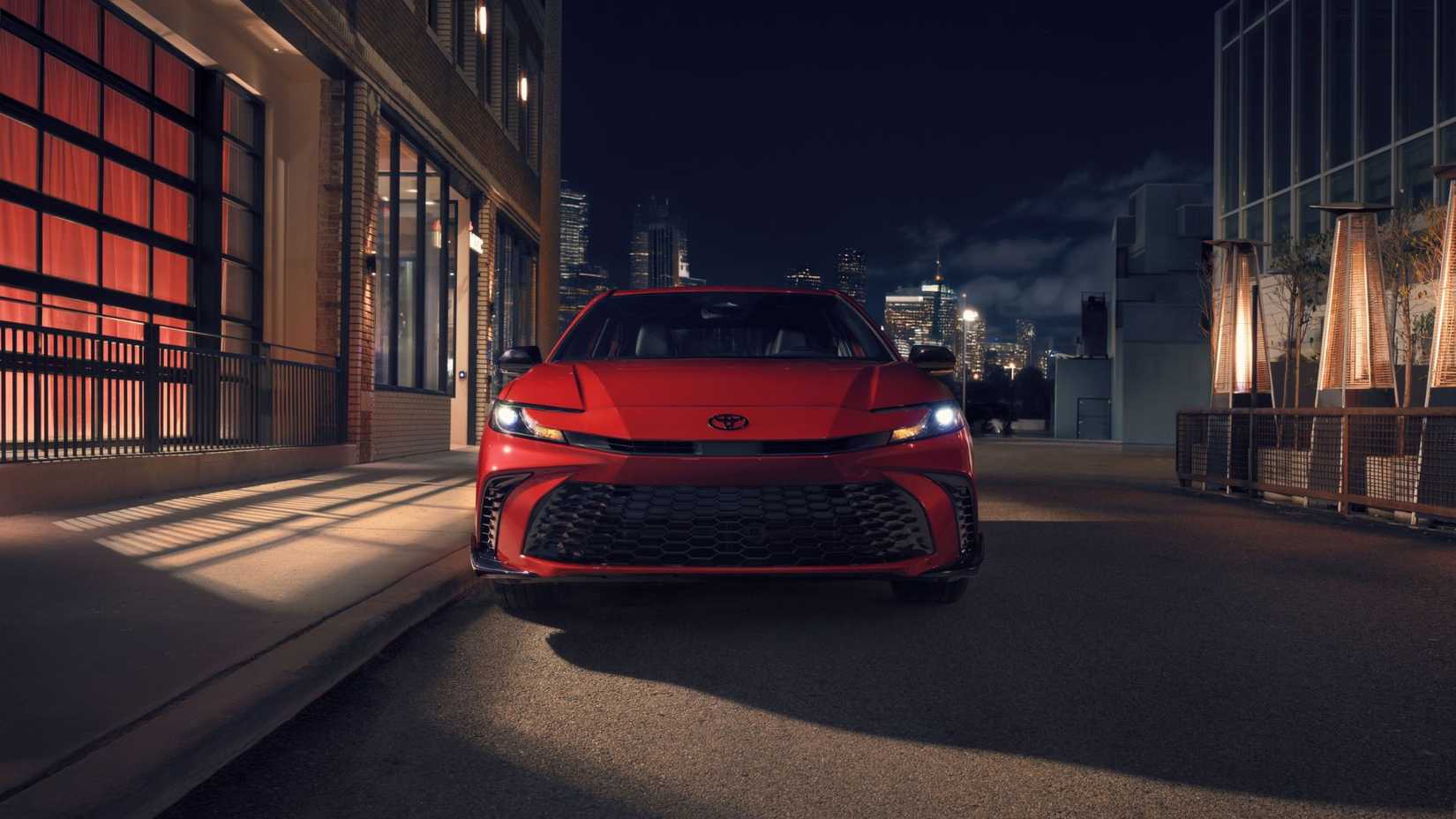
Credit: Toyota
iSeeCars gives the Camry an impressive 8.6 out of 10 overall, with strong marks across the board—including an 8.0 for reliability, 9.0 for safety, and 8.8 for value retention. It’s also expected to last about 13.1 years or 171,785 miles, with nearly a one-in-three chance of hitting 200,000 miles, while depreciation comes in well below average at 37.7 percent over five years.
J.D. Power backs that up with an 82 out of 100 overall score for the 2026 Camry. Highlights include solid quality and reliability scores, excellent resale value, and above-average marks for the overall driving experience.
The true cost of owning a 2026 Toyota Camry
Year 1
Year 2
Year 3
Year 4
Year 5
Total
Insurance
$1,423
$1,473
$1,524
$1,578
$1,633
$7,631
Maintenance
$36
$482
$350
$904
$1,441
$3,213
Repairs
$0
$0
$111
$269
$393
$773
Taxes and fees
$2,724
$245
$232
$220
$206
$3,627
Financing
$1,948
$1,572
$1,168
$733
$266
$5,687
Depreciation
$2,587
$1,998
$1,891
$2,218
$2,101
$10,795
Fuel
$1,361
$1,402
$1,444
$1,487
$1,532
$7,226
True cost to own
$10,079
$7,172
$6,720
$7,409
$7,572
$38,952
According to Edmunds’ True Cost to Own calculator, a new base 2025 Toyota Camry LE will set you back about $38,952 over five years. That total includes $10,795 in depreciation, not counting the $29,000 MSRP.
Insurance comes in around $7,631, maintenance at $3,213, and repairs are surprisingly low at just $773. Taxes and fees are also minimal, totaling roughly $3,627.
If you finance the Camry, add about $5,687 to your costs, and fuel will run around $7,226 based on average U.S. driving. All in, it’s a solid mix of affordability and reliability over the long haul.
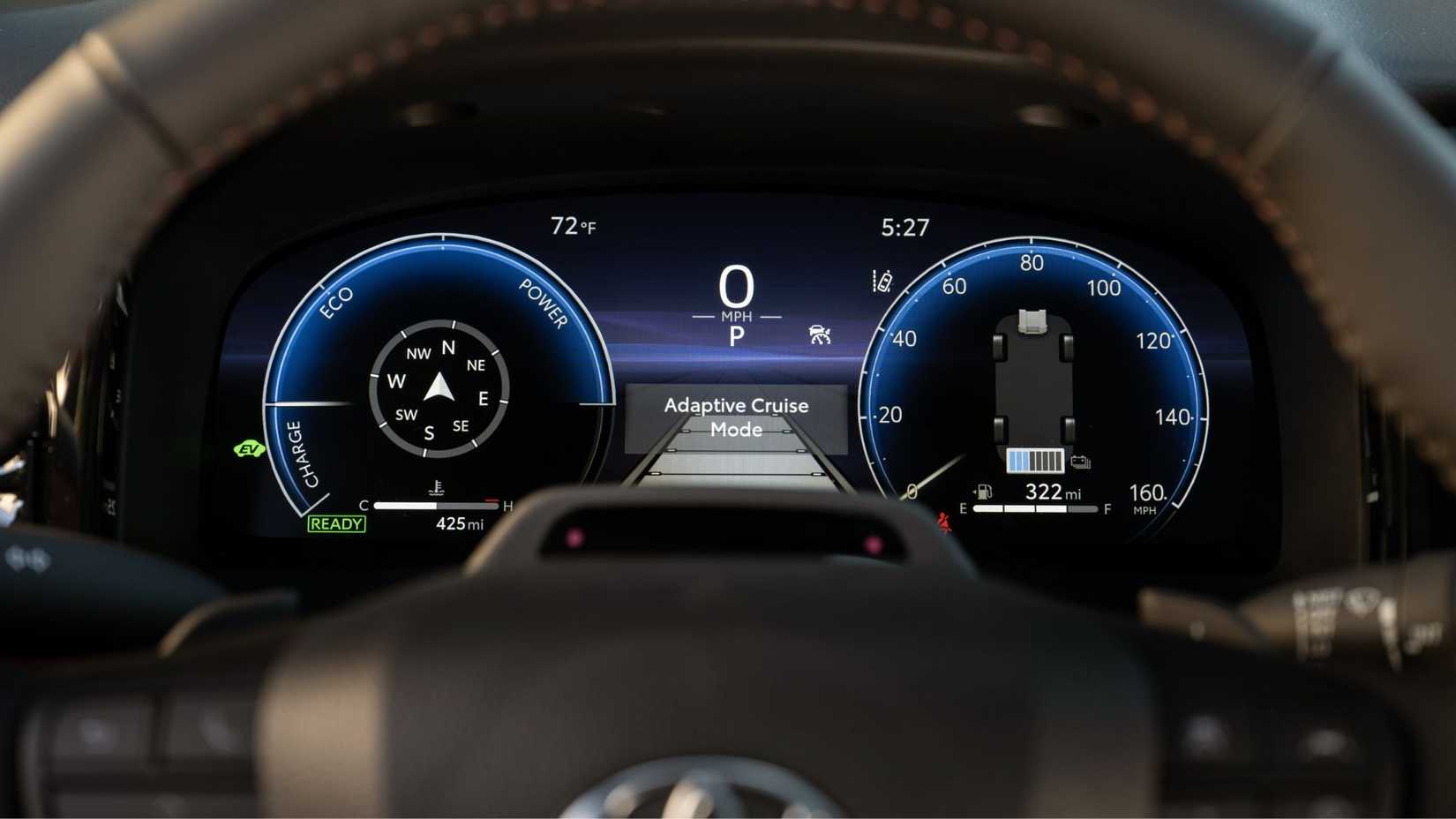
Credit: Toyota
CarEdge estimates owning a Toyota Camry over five years will cost about $36,432. Depreciation takes the biggest bite at $14,274, followed by $10,060 for insurance, $4,530 for fuel, $6,056 for interest, and $1,512 for routine maintenance.
Kelley Blue Book breaks down maintenance for the 2026 Camry at $4,437 over the same period. That covers the usual stuff—oil changes, tire rotations, and filter swaps at the recommended intervals.

Related
10 Reasons Why the Toyota Camry Hybrid Outsells the Corolla Hybrid
The Toyota Camry Hybrid outsells the Corolla Hybrid with more power, space, and comfort—making it the better choice for most buyers.
Fuel savings that really add up
Credit: Toyota
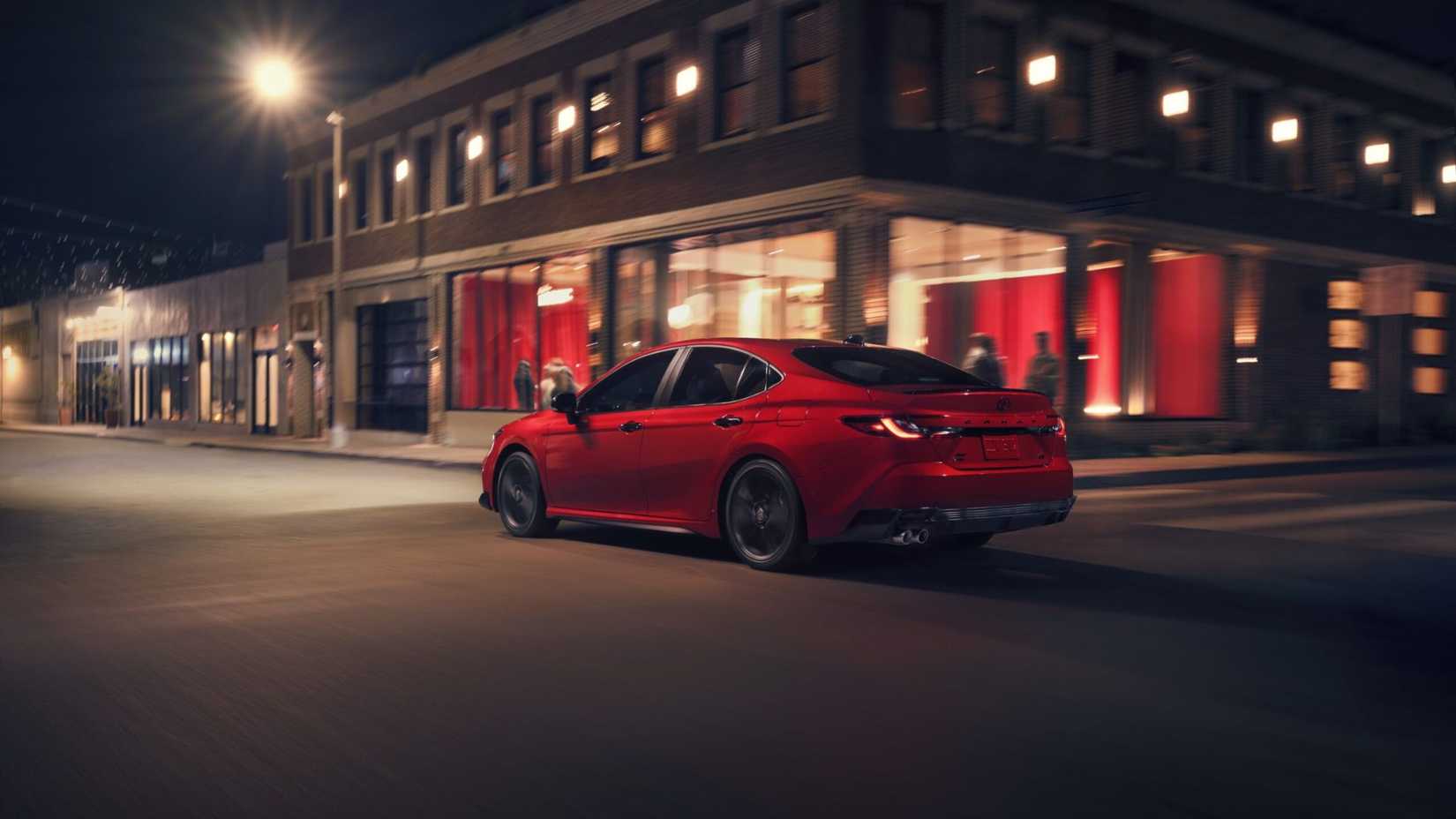
EPA fuel estimates for the 2025 Toyota Camry line up closely with Edmunds’ numbers. The front-wheel-drive LE stands out as the most wallet-friendly, costing about $950 a year in fuel, while the all-wheel-drive XSE runs just a bit higher at $1,050 annually.
The LE delivers impressive efficiency, hitting 52/49/51 mpg city/highway/combined, with a 663-mile range from its 13-gallon tank. That works out to roughly $1.59 per 25 miles and could save you around $4,000 in fuel over five years.
The AWD XSE isn’t far behind, posting 43/43/43 mpg and a 572-mile range. It’s estimated to save about $3,250 over five years, costing $1.84 per 25 miles, with a full 13-gallon tank topping off at roughly $41—pretty reasonable for a performance-oriented trim.
Related
The Ultimate Bang For Your Buck Hybrid in 2025
This 2025 hybrid delivers top-tier fuel efficiency, advanced tech, and reliability—all at a price that makes it the ultimate value choice.
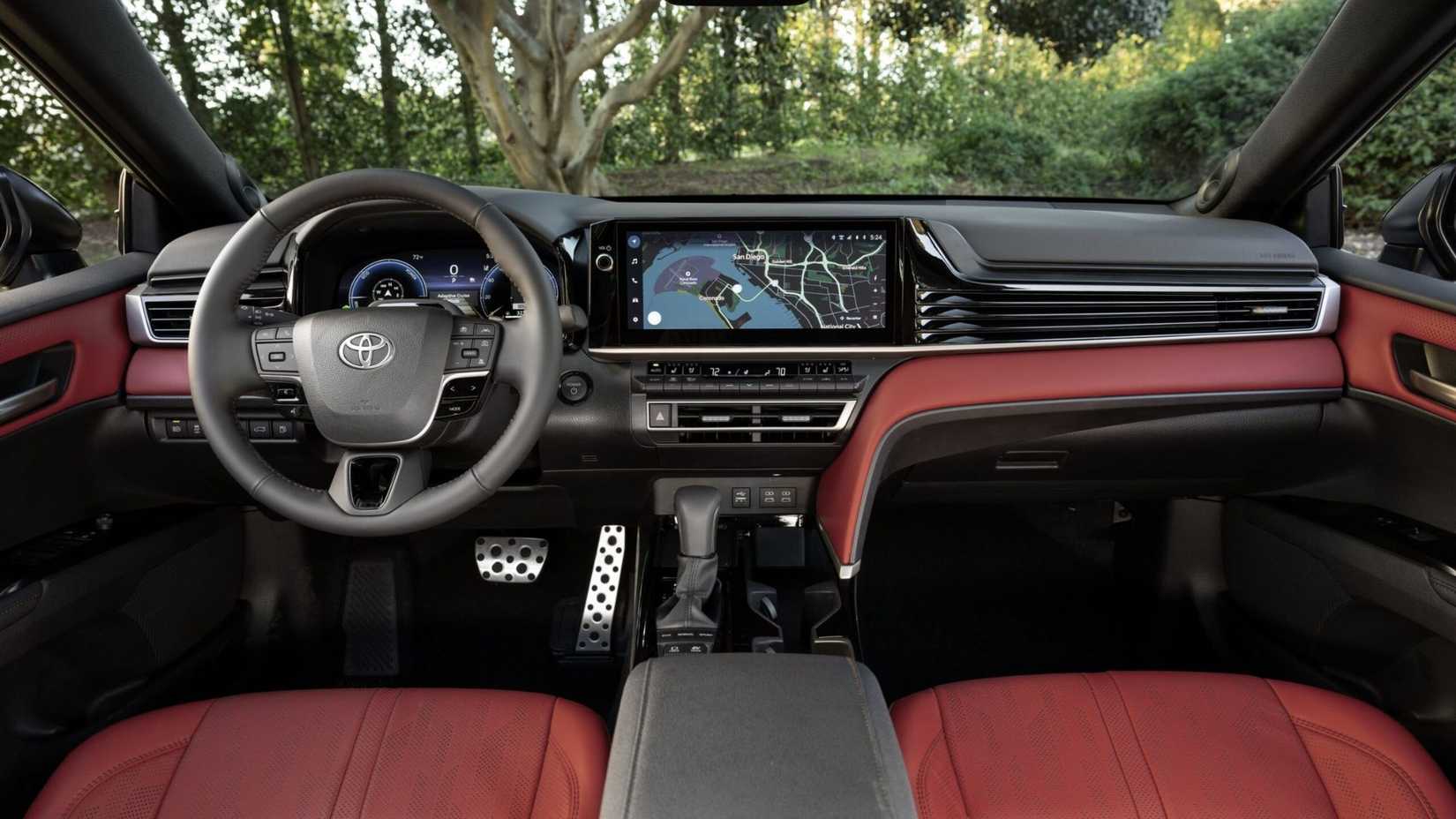
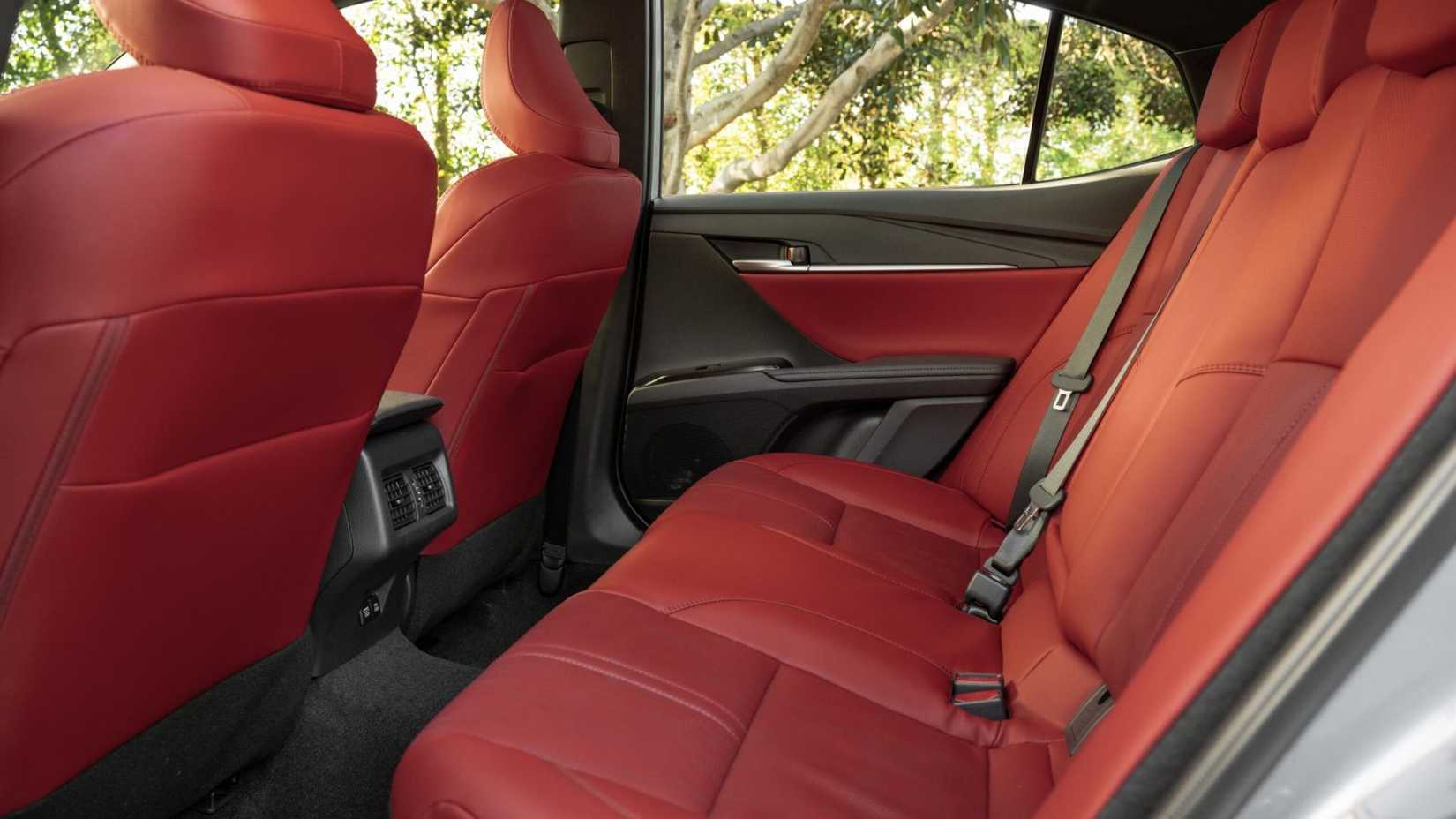
A well-equipped cabin no matter the trim
Credit: Toyota
The Camry lineup starts at $29,000 for the base LE front-wheel-drive model, making it one of the most affordable hybrids in its segment. A lower starting price is always a smart move, and Toyota’s sales numbers show it’s paying off.
At the top end, the XSE starts at $35,200, with all-wheel drive available across all trims for an extra $1,525. Prices don’t include the $1,195 destination fee, and while a few optional extras exist, Toyota sticks to a clean five-trim strategy rather than overwhelming buyers with choices.
Credit: Toyota
The Toyota Camry has always been a solid value, perfect for families who want space and reliability without compromising on build quality. Even the lower trims in the new generation are better equipped than ever, offering more features than previous models.
That said, the 2026 Camry starts about $5,000 higher than the 2021 model, marking a noticeable price jump. It’s not just Toyota—rising production costs are pushing prices up across the auto industry.
As much as 232 horsepower under the hood
Credit: Toyota
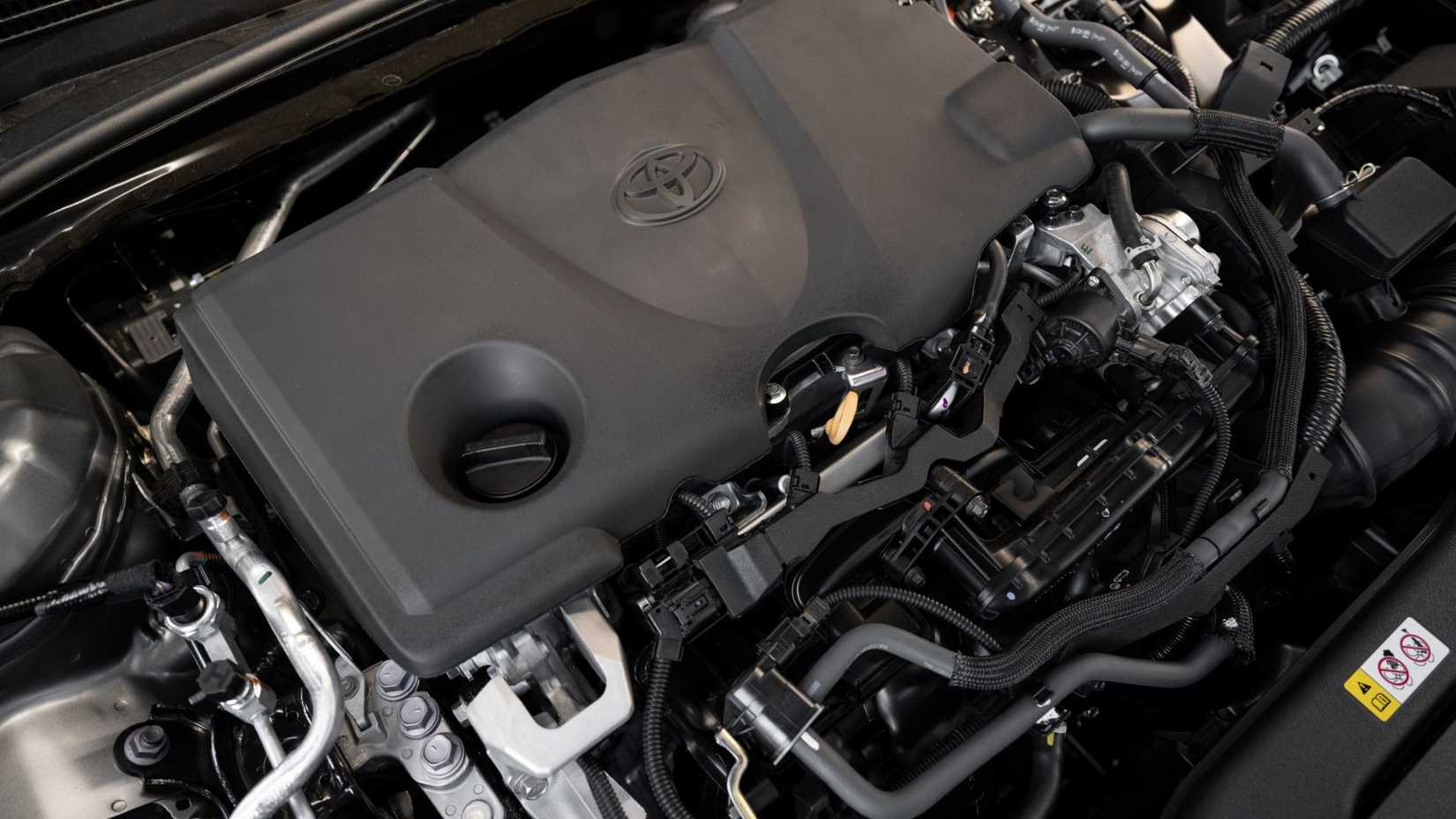
The current Camry sticks with the tried-and-true naturally aspirated 2.5-liter four-cylinder Atkinson engine, delivering 184 horsepower and 163 lb-ft of torque on its own.
The front-wheel-drive hybrid pairs this engine with two electric motors, generating a combined 134 horsepower and 153 lb-ft. Toyota doesn’t publish a total torque figure but caps peak power at 225 horsepower.
Add the all-wheel-drive system, which tacks on a third electric motor at the rear producing 40 horsepower and 62 lb-ft, and the Camry hits a total of 232 horsepower.
2026 Toyota Camry specs
Front-wheel drive
All-wheel drive
Powertrain
2.5-liter four-cylinder and two permanent-magnet motors
2.5-liter four-cylinder and three permanent-magnet motors
Horsepower
225 hp
232 hp
Torque
163 lb-ft
163 lb-ft
Transmission
Direct drive eCVT
Direct drive eCVT
Top speed
117 mph
117 mph
Toyota doesn’t officially release performance specs, so exact numbers are hard to come by. That said, Edmunds reports the front-wheel-drive Camry hits 0 to 60 mph in about 7.8 seconds—just a touch quicker than its rivals—while MotorTrend clocks the all-wheel-drive model at a brisk 6.8 seconds.
AloJapan.com