
For decades, Bali topped the list of overseas destinations for Australian holidaymakers, News.Az reports.
Affordable resorts, short flights, and relaxed beach culture made it a reliable favorite. Yet in recent years, another destination has been steadily gaining ground: Japan. From bustling neon cities to snow-covered mountains and quiet temples, Japan is now one of the most sought-after travel hotspots for Australians, attracting visitors across age groups and travel styles. The shift reflects changing consumer preferences, economic factors, and the evolving identity of travel in the Asia-Pacific region.
At first glance, the appeal of Japan is easy to understand. It offers cultural depth, modern infrastructure, strong safety records, and world-class cuisine. But the growth in Australian tourism to Japan is driven by more than aesthetics. Several structural trends have converged to make the country increasingly accessible and attractive.
One of the biggest drivers has been currency dynamics. In recent years, the Japanese yen has remained relatively weak compared to the Australian dollar. For travelers, this translates to better value for accommodation, dining, shopping, and experiences than was previously the case. What once felt like a premium destination has, at times, become comparable in cost to traditional Australian favorites in Southeast Asia. This shift has reshaped perceptions of affordability, particularly for families and younger travelers who are increasingly value-sensitive.
Air connectivity has also expanded significantly. Major Australian carriers and Japanese airlines now operate frequent direct flights between cities such as Sydney, Melbourne, Brisbane, Perth, and key Japanese hubs including Tokyo, Osaka, and Sapporo. The introduction of low-cost or competitively priced fares has further reduced barriers to entry. In practical terms, Japan is now as easy to reach as many other regional destinations, with flight times typically ranging from nine to ten hours – long enough to feel like a “journey,” but short enough to remain convenient.
Another factor fueling demand is Japan’s remarkable ability to appeal to multiple travel motivations at once. For winter sports enthusiasts, Japan’s powder-rich ski fields in Hokkaido and Nagano have become legendary. Friendly ski towns, relatively affordable passes, and consistently high-quality snow have drawn Australians who might previously have traveled to Europe or North America. Meanwhile, urban explorers gravitate toward Tokyo, Osaka, and Kyoto for shopping, nightlife, and world-famous street food culture.
Families and older travelers are attracted by safety, efficient transport systems, and cleanliness. Japan’s public transportation network – especially its shinkansen bullet trains – allows visitors to move between cities easily without the stress of car rentals or complex logistics. English-language signage has improved markedly in tourist corridors, making independent travel more accessible.
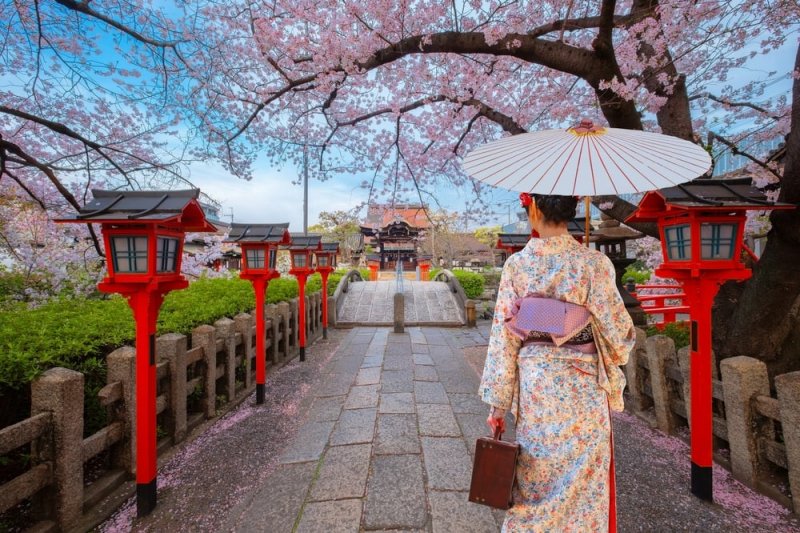
Cultural tourism has played perhaps the largest role of all. Australians increasingly seek immersive, meaningful travel experiences. In Japan, these range from tea ceremonies and cherry blossom viewing to temple stays and traditional markets. Heritage towns like Kanazawa, Takayama, and Nara have become popular stopovers for those wanting to step beyond big-city tourism. The country’s reputation for politeness and hospitality also reassures travelers who might otherwise feel uncertain about navigating a foreign culture.
Media and pop-culture exposure have reinforced the trend. Japanese cuisine is now deeply integrated into Australian urban life, from ramen lanes to sushi trains and izakaya bars. Anime, gaming, fashion, and technology have created cultural familiarity, especially among younger demographics. Social media, meanwhile, showcases Japan’s striking landscapes and urban scenery in visually compelling ways – snow-covered shrines, neon alleyways, and spring cherry blossoms appear endlessly in travel feeds. This visual culture shapes aspiration, sometimes even before travelers begin formal planning.
Another important element is seasonality. Unlike many tourist destinations whose appeal peaks at one time of year, Japan offers distinct experiences every season: cherry blossoms in spring, festivals and hiking in summer, foliage in autumn, and skiing in winter. This cyclical variety encourages repeat visits and supports year-round tourism rather than seasonal spikes.
Yet the rise of Japan also signals broader changes in Australian travel behavior. Post-pandemic travelers tend to prioritize destinations that feel organized, predictable, and medically safe. Japan’s reputation for high public-health standards and orderliness reassures risk-aware travelers. Meanwhile, work-from-anywhere flexibility has enabled longer trips and “slow travel,” with some Australians spending weeks exploring regional Japan rather than limiting themselves to a single city.
Economic pressures are another underlying influence. High domestic travel costs within Australia have made international travel surprisingly competitive. When accommodation, food, and entertainment in Japan can cost less than in some Australian cities, the psychological barrier to overseas travel weakens. In addition, package deals and rail passes can further stretch budgets.
Local Japanese tourism authorities have responded strategically to this influx. Many regions now run targeted marketing campaigns in Australia, highlighting nature tourism, adventure travel, and family-friendly itineraries beyond Tokyo and Kyoto. English-language visitor centers, signage, and concierge support have increased. This infrastructure reinforces positive word-of-mouth – still one of the most powerful drivers of travel choices.
Of course, the trend is not without challenges. Rising visitor numbers create pressure on popular sites such as Kyoto’s historic districts or Tokyo’s city centers. Japan, like many countries, continues to balance economic benefits from tourism with the need to preserve cultural heritage and quality of life for residents. Sustainable-tourism initiatives, such as encouraging travel to lesser-known regions, are increasingly prominent in national planning.
For Australian travelers, there are practical considerations as well. While Japan is broadly accessible, the language barrier can still pose occasional complications outside major cities. Cultural norms – such as etiquette in temples, bathhouses, and public transport – require awareness and respect. Weather extremes, from humid summers to snowy winters, mean seasonal planning is important. Yet many travelers report that these cultural adjustments enrich rather than detract from the experience.
The rise in Australia–Japan tourism also reflects strengthening bilateral ties. Trade, education exchanges, and business links between the two nations have grown steadily over decades. Travel deepens these people-to-people connections, building familiarity and mutual cultural understanding. In some ways, tourism is the most visible everyday expression of this regional partnership.
Looking ahead, industry analysts expect Japan’s popularity among Australians to remain strong. Continued investment in transport links, the appeal of seasonal tourism, and sustained currency advantages are likely to support long-term demand. Younger generations who discover Japan early in their travel lives often become repeat visitors, evolving from first-time explorers to seasoned cultural travelers.
At the same time, the competitive landscape is shifting. Other destinations, including South Korea, Vietnam, and parts of Europe, are also targeting Australian markets with improved connectivity and tailored experiences. The global tourism industry remains highly dynamic, influenced by geopolitics, exchange rates, technology, and environmental considerations.
Yet Japan’s combination of culture, safety, efficiency, and variety gives it a uniquely durable appeal. It offers both the comfort of modern infrastructure and the intrigue of a deeply rooted cultural tradition. For Australians seeking discovery without chaos – and difference without discomfort – this formula has proven compelling.
Ultimately, the story of Australians favoring Japan is not just about one country rising in popularity. It reflects a broader transformation in how travelers define value: not simply in terms of price, but in terms of experience, meaning, and authenticity. As tastes evolve, destinations that can deliver depth as well as convenience are best positioned to thrive.
Japan, with its temples and trains, cuisine and culture, powder snow and neon skylines, has managed to capture that balance. And for many Australians, that combination makes it not just a trend, but a destination they return to – again and again.
News.Az
AloJapan.com