
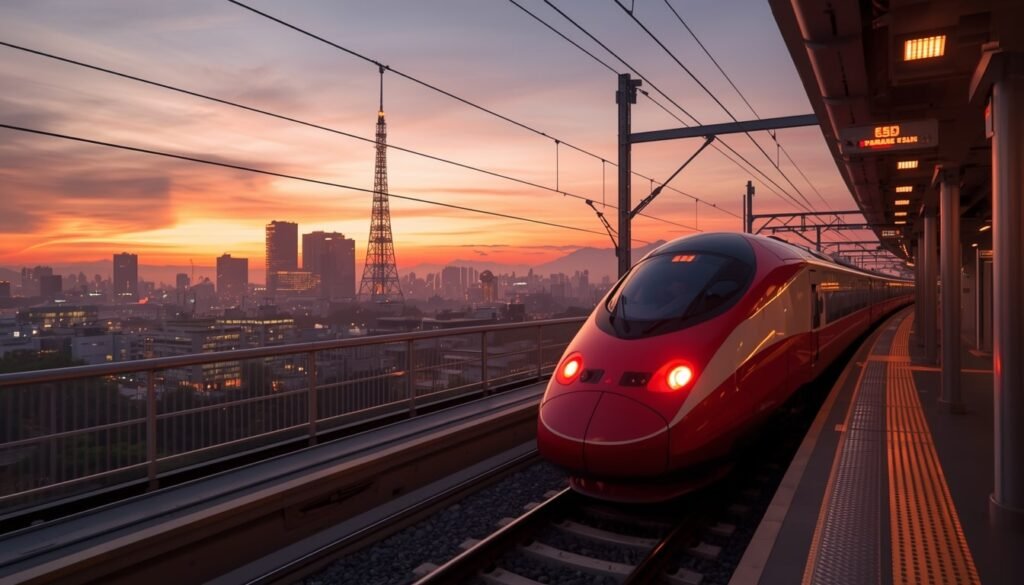
Japan has introduced a new midnight bullet train service along the Tokyo-Osaka corridor, in an unprecedented attempt to revive night travel and boost tourism in Japan. Proclaimed today by JR Central, the project will serve night owls, low-end travellers, and international travellers looking to spend the night without the inconvenience of flights or hotels, and to have an efficient night journey. This service, which will start operating on some weekends beginning in January 2026, is bound to change how people enjoy the bright cities of Japan in the dark.
Reinventing Late-Night Connections
The Shinkansen Midnight train, also known as Moonlight Nozomi leaves Tokyo Station at 1215 am and comes into Shin-Osaka at 3.45 am and the 515km distance between Tokyo and Shin-Osaka is completed in less than four hours.
The train has improved comfort features, such as reclining seats, quiet zones, and onboard Wi-Fi, which allow the traveller to rest or work during the journey. According to JR Central officials, this addition will respond to skyrocketing demand for flexible travel, particularly among young workers and families who do not want to be caught on the trains during peak hours.
The service was inspired by the night trains in Europe, which means it is designed as part of the local transport system. When they arrive in Osaka, the commuters can board early-morning subways or buses, allowing them to have a full day to explore it. On the other hand, the trip back would have Shin-Osaka at 1:00 A.M., and Tokyo at 4:30 A.M. in time to beat the morning rush.
Travelling and Economic Advantage
This new service will help revive the spirit of overnight tourism. Tourists can now use up all their itineraries, spending nights in Tokyo with the neon lights of districts such as Shibuya or Akihabara, before hurrying to Osaka and its culinary nexus, such as Dotonbori, for breakfast. Observers estimate a 20% increase in inter-city travel, especially during festivals and the cherry blossom season.
The midnight runs will benefit local businesses economically. Both cities expect more short-term hotel reservations, and restaurants and entertainment spots extend their hours to accommodate late-night checkouts.
The project coincides with the tourism sector’s revival in Japan, attributed to the post-pandemic period, with 60 million international visitors targeted by 2030. Less use of air travel also supports more environmentally friendly solutions, which reduces carbon emissions in the short run compared to short-haul flights.
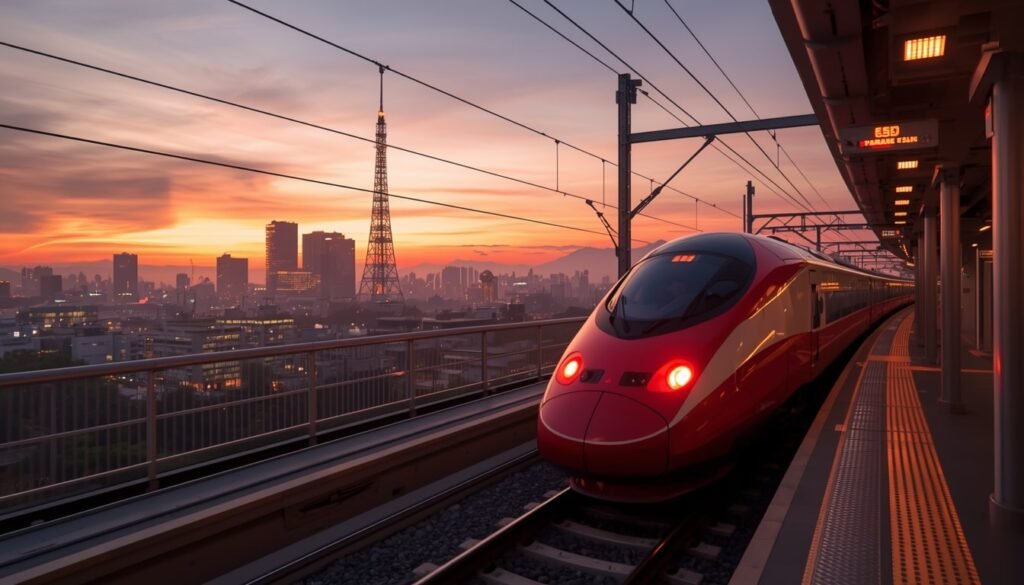 Passengers arrive in Osaka at dawn via the new midnight service, unlocking new tourism opportunities and boosting local business
Challenges and Future Plans
Although there is excitement, there are still obstacles. The safety measures involve more employees and AI-controlled carriages to guarantee passenger safety even when no one is operating the car. The ticket price is initially ¥15,000 one way, with a booking discount that makes it competitive with low-cost airlines.
JR Central intends to make the service daily by summer 2026, possibly including Kyoto and Nagoya in its stops. Cooperation with tourism boards will also offer package tours that include attraction tickets and tours. With Japan still introducing new technologies in high-speed rail, this night service would serve as an example to other urban corridors around the world, integrating speed, convenience, and sustainability.
The Tokyo-Osaka route will have a new chapter with this launch, and the travellers can enjoy the magic of night trips in the heartland of Japan.
AloJapan.com