
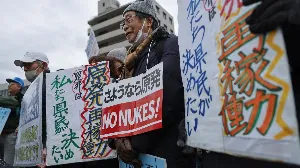
Japan has taken a significant step toward restarting the Kashiwazaki-Kariwa nuclear power plant, marking a pivotal moment in its energy policy.
Japan has officially moved closer to restarting the Kashiwazaki-Kariwa nuclear power plant, the largest of its kind globally, following a regional vote that took place today. This decision is significant as it signals a major step in Japan’s return to nuclear energy, nearly 15 years after the catastrophic Fukushima disaster.
The Kashiwazaki-Kariwa facility, located in Niigata Prefecture, was one of 54 reactors that were taken offline after the devastating earthquake and tsunami struck in March 2011. The incident led to the Fukushima Daiichi nuclear power plant crisis, which was the worst nuclear accident since the Chernobyl disaster in 1986.
Since the Fukushima incident, Japan has gradually restarted 14 of the 33 reactors that remain capable of operation. The Japanese government is keen to lessen its dependence on imported fossil fuels, which have dominated its energy mix in the years following the crisis.
Tokyo Electric Power Company (TEPCO), which operated the Fukushima plant, will manage the Kashiwazaki-Kariwa facility upon its restart. This has raised concerns among some residents and environmental groups regarding the safety of nuclear energy in the wake of past failures.
The Niigata Prefectural Assembly expressed its support for the plant’s restart by passing a vote of confidence in Governor Hideyo Hanazumi, who had previously endorsed the initiative last month. This vote effectively clears the way for the nuclear power plant to resume operations, pending final regulatory approvals.
Governor Hanazumi stated, “We must ensure that safety measures are prioritised to regain public trust in nuclear energy.” His remarks highlight the ongoing dialogue about nuclear safety in Japan, as the country seeks to balance energy needs with public concerns.
The restart of the Kashiwazaki-Kariwa plant is part of Japan’s broader strategy to enhance energy security and transition to a more sustainable energy framework. Environmental groups, however, continue to voice their concerns over the potential risks associated with nuclear power, urging the government to invest more heavily in renewable energy sources.
As Japan navigates its energy policy, the restart of the Kashiwazaki-Kariwa facility may have significant implications for the nation’s energy landscape and its commitments to reducing carbon emissions. The move is being closely monitored by global observers as it reflects Japan’s evolving stance on nuclear energy in the context of climate change and energy independence.
AloJapan.com