

The muted green palette. The cloud-brushing glass atrium. The intimate calm of the library. Dark woods and veined marble. Late-night martinis and lingering jazz notes. And the timeless unfolding of cinematic Tokyo views, Mount Fuji hovering beyond the skyscrapers. Some things never change, even at Park Hyatt Tokyo.
One of the most iconic hotels on Tokyo’s urban skyline – and forever celebrated as ‘that hotel’ from Lost in Translation – Park Hyatt Tokyo has reopened following a meticulous 19-month renovation.
Tour the refreshed Park Hyatt Tokyo
(Image credit: Courtesy of Hyatt)
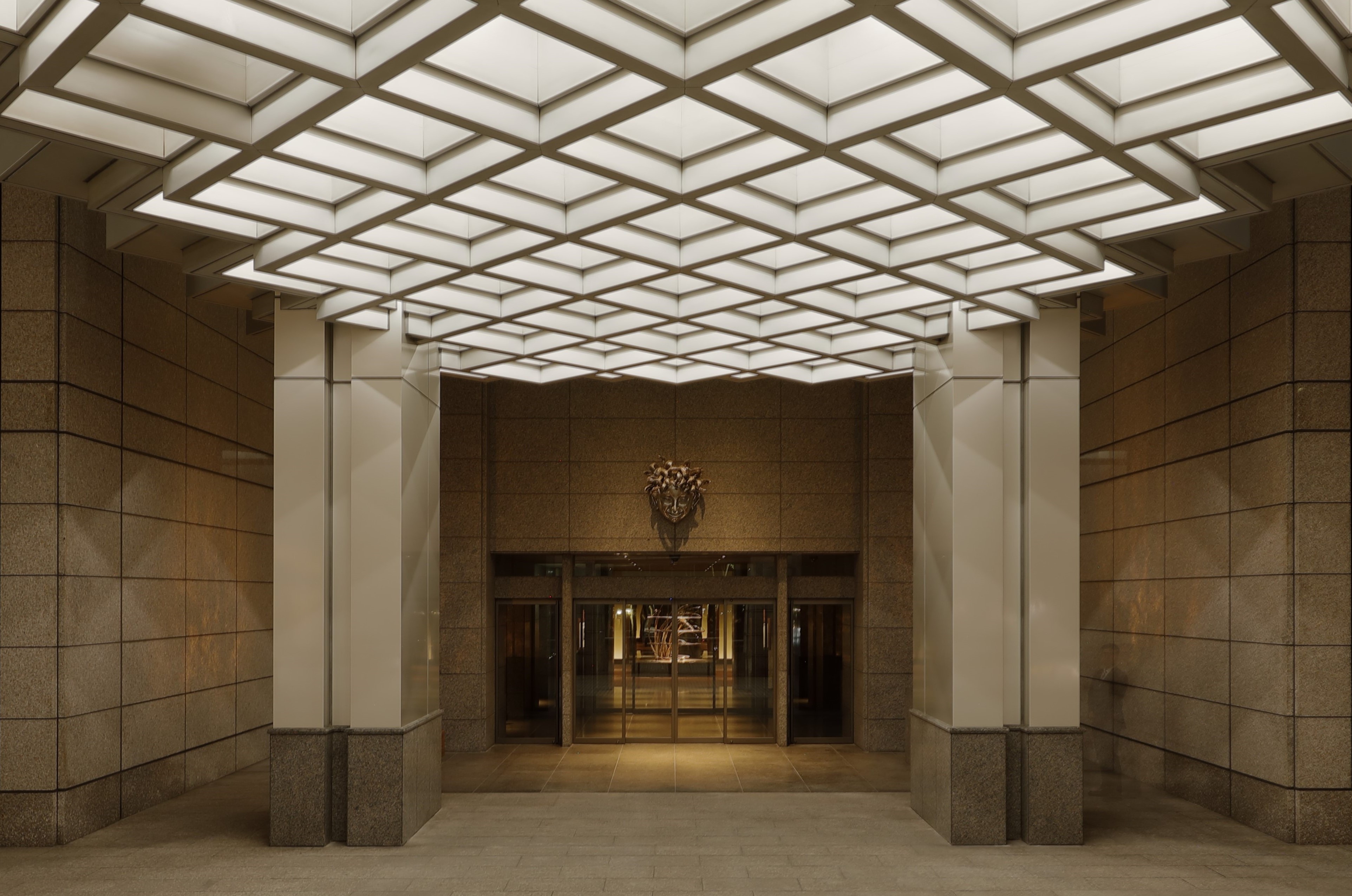
Park Hyatt Tokyo is more than a mere luxury sanctuary. When it opened in 1994 as Asia’s first Park Hyatt, it rewrote the rules of city hospitality as one of the earliest skyscraper hotels, a new expression of vertical living spanning the dynamic apex of Kenzo Tange’s Shinjuku Park Tower. Balancing Tange’s steel lines and soaring atriums was an interior no less distinctive: designer John Morford evoked the atmosphere of a private residence through an intimate sequence of spaces, using an elegant material palette of dark woods, solid stone and signature green.
Fast-forward to December 2025 and Park Hyatt Tokyo is beginning its second chapter; or, in the language of the hotel, it’s been ‘refreshed’, ‘refined’ and ‘evolved’. Paris-based Studio Jouin Manku helmed a top-to-toe renovation following four years of planning, exploring a sensitive ‘tightrope’ between original essence and contemporary touch.
(Image credit: Courtesy of Hyatt)
‘The hotel is only 30 years old, but it’s precious,’ Patrick Jouin tells Wallpaper. ‘This was the first modern hotel in Japan, and it became even more mythical with the movie. People always ask us to be careful with the DNA, the charm, and the presence of a place. Here, they asked us to keep the soul.’
Sanjit Manku adds: ‘Throughout our career, we’ve converted a listed horse stable into a brasserie, a monastery into a hotel, put a new restaurant into the Eiffel Tower. There is always a question: what is the essence or DNA? What is the next chapter in the life story of that project?’ The next chapter for Park Hyatt Tokyo is subtle yet defining – and something of a spot-the-difference guessing game, as Wallpaper discovered upon checking in.

(Image credit: Photography by Yongjoon Choi. Courtesy of Park Hyatt Tokyo and Jouin Manku)
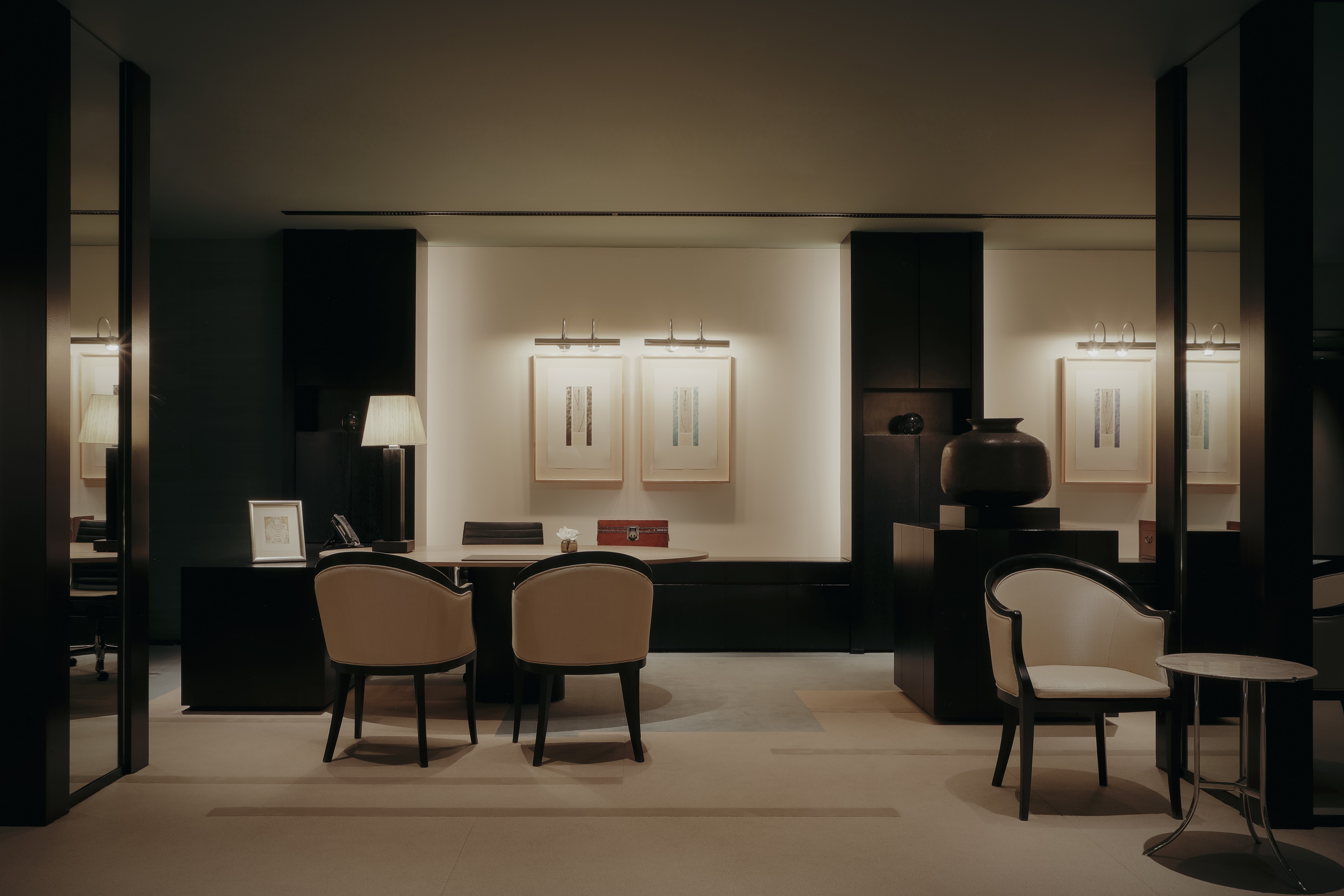
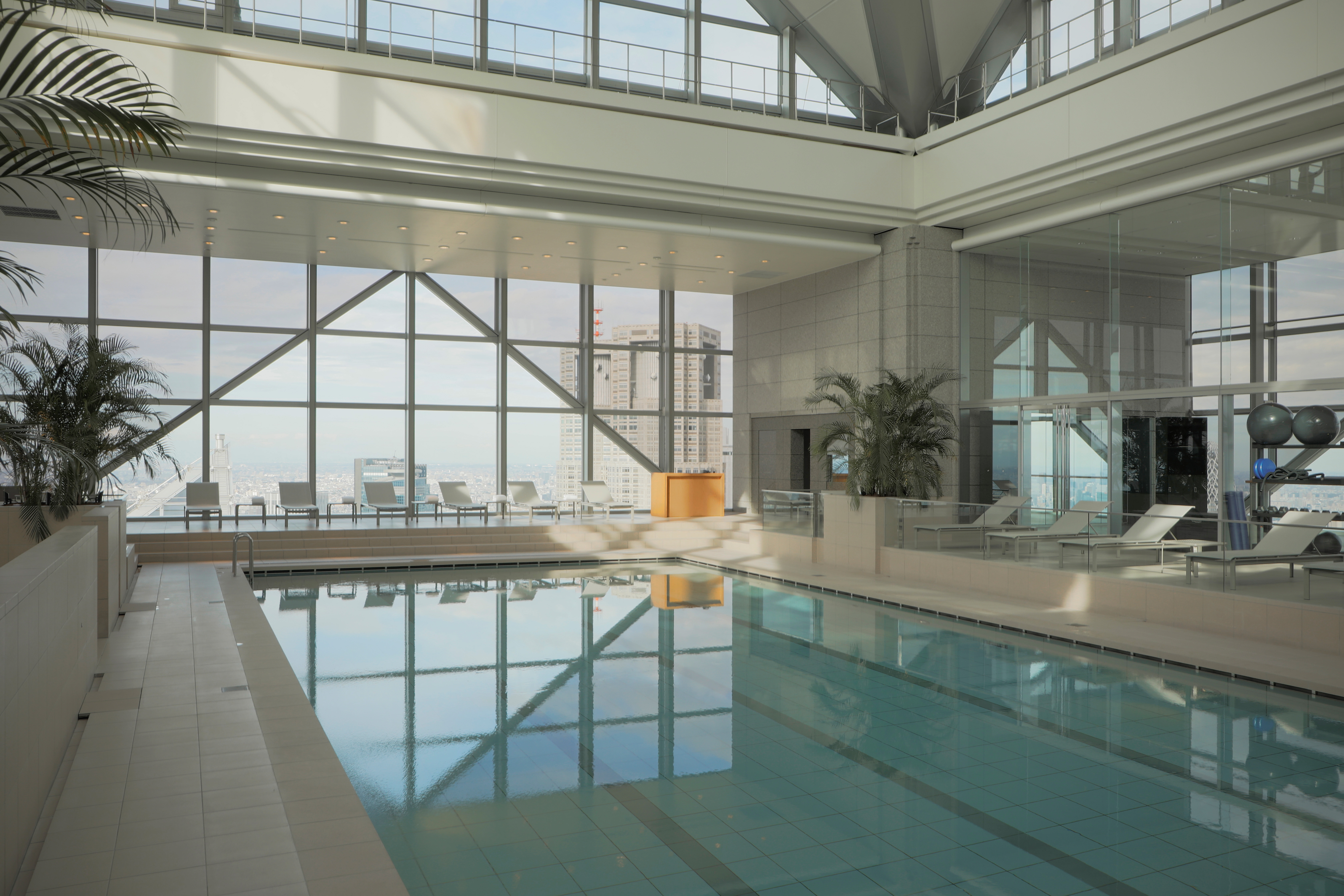
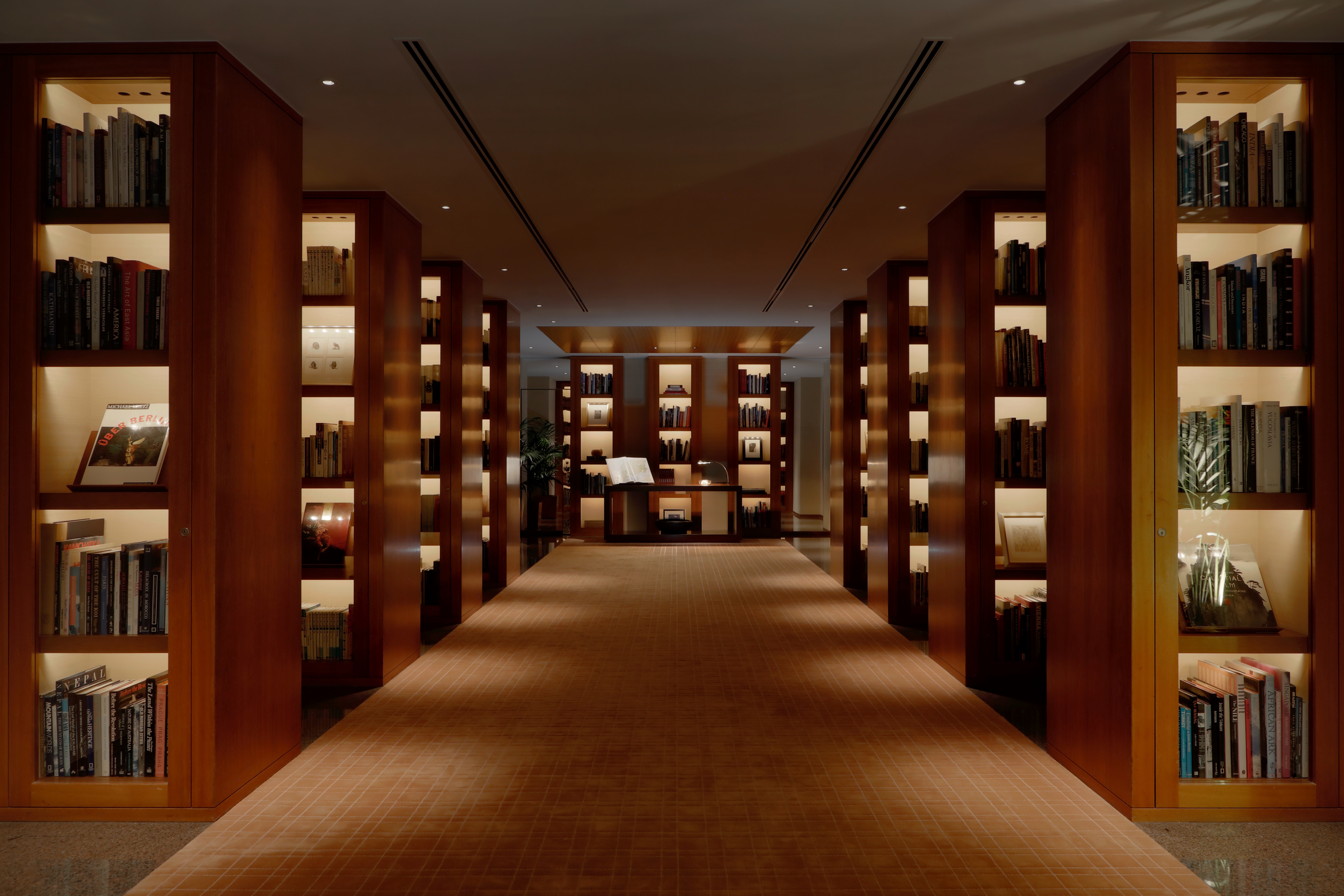
Many details are carefully maintained and appear almost identical at first sight: the drama of arriving at The Peak Lounge & Bar, with its sunlit bamboo garden and jaw-dropping 41st-floor views; the library (each book exactly as Morford curated it); Club on the Park’s cathedral-like pool space, solid green marble baths and minimalist steel-and-black-leather chairs; and the New York Grill and Bar, with its bold Valerio Adami murals and singular buzz.

(Image credit: Courtesy of Hyatt)
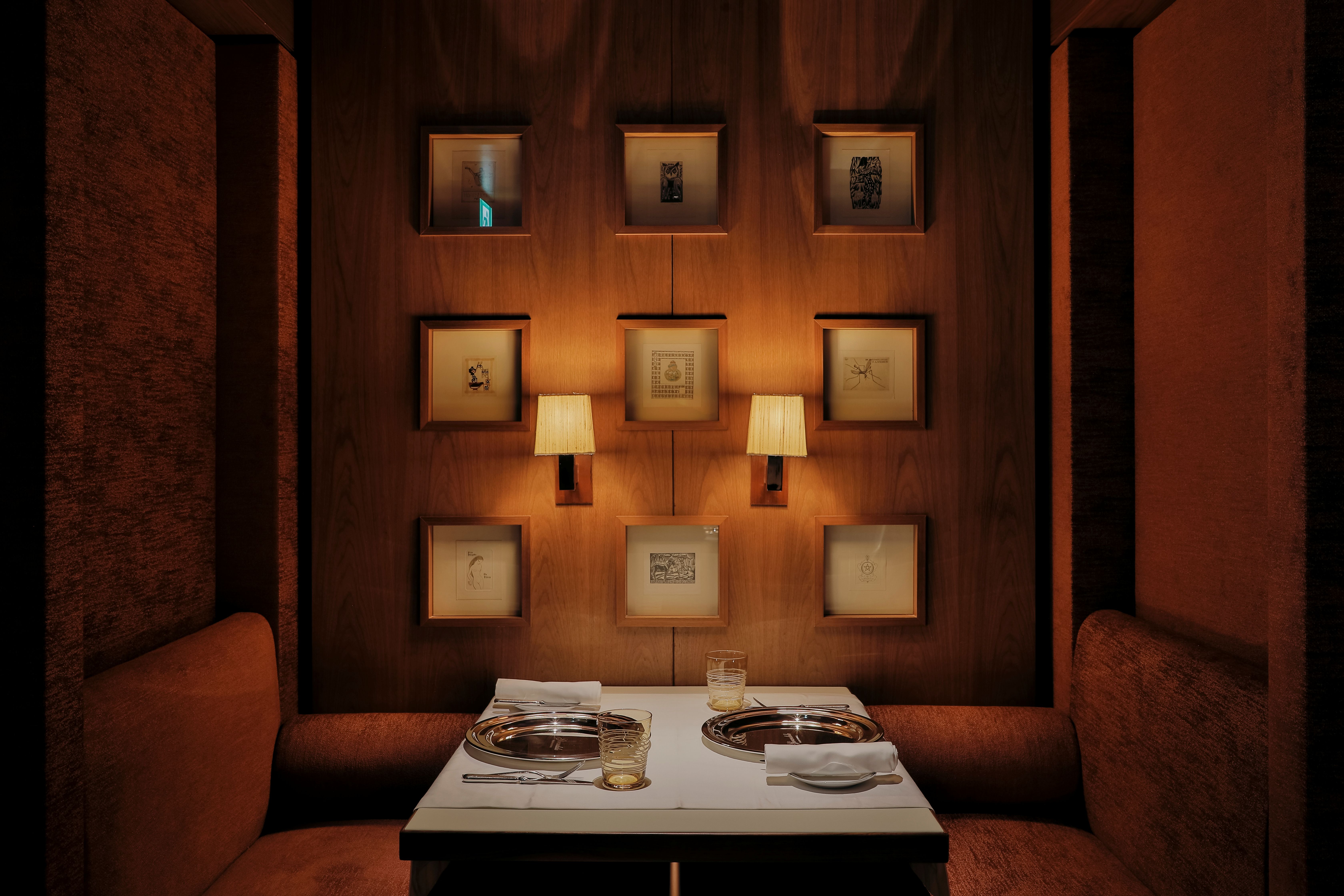
However, with most materials replaced and updated, new touches slowly shift into focus, subtly softening and warming the spatial experience – from circular patterns cast by Cristallerie Saint-Louis lights on Peak Lounge tables, to the veined burgundy of a new Rosso Levanto marble counter at Girandole by Alain Ducasse. Even the hotel’s signature green, in corridors and guestrooms, has been updated with Tai Ping carpets. ‘It used to be a bit dusty, silvery,’ explains Manku, with Jouin adding: ‘We warmed it up, softened it and desaturated it.’

Girandole by Alain Ducasse
(Image credit: Photography by Yongjoon Choi. Courtesy of Park Hyatt Tokyo and Jouin Manku)
Girandole by Alain Ducasse
(Image credit: Courtesy of Hyatt)
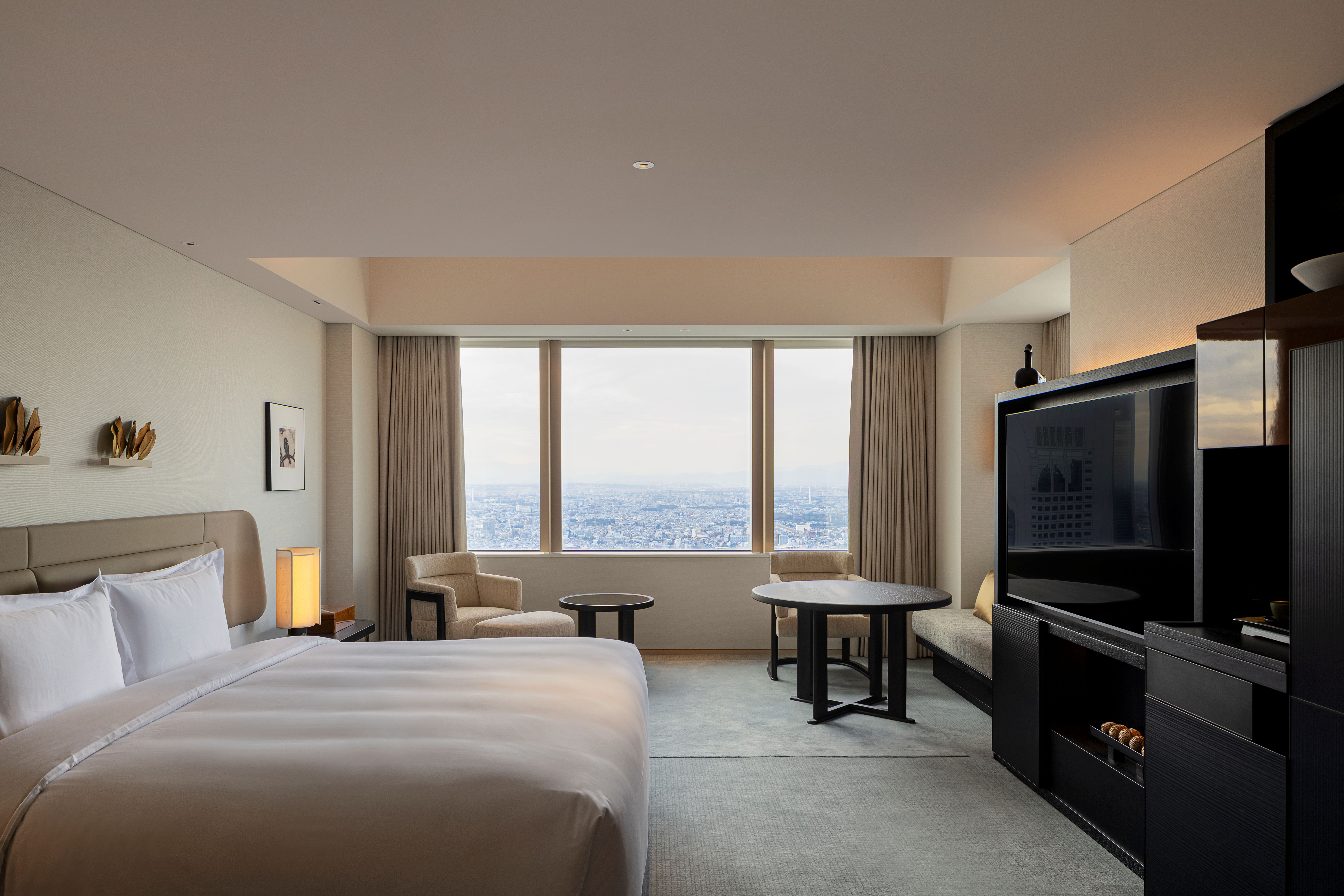
It is inside the guest rooms – 171 spanning floors 42 to 51 – that the most significant interventions are found, with the strong lines of Morford’s design visibly softened, the material palette warmed, and the luxury quotient recalibrated. ‘Generosity’ is a keyword the designers use while showing Wallpaper around Deluxe Room 4514, where Manku was staying. A defining detail is a new black cabinet, a modern riff on an original Morford piece.
Straight lines have been replaced with the architectural presence of smooth curves and concealed layers, creating a new home for the television, minibar, coffee machine and lacquered red niches hiding drawers of porcelain and glassware. ‘It is function, material and ritual,’ says Jouin.
A softly curved leather headboard – with original magnolia leaf artworks positioned just above – flows around the bed and extends into side tables, seamlessly integrating technology with floating tubular lanterns: hovering coils of light-filtering white textile. Bathrooms, meanwhile, have evolved into a single wet zone, with bathtub and shower united in an onsen-inspired layout, complete with a blown-glass ‘moon’ lamp on the wall and double vanities carved from a single piece of Serpe stone.
(Image credit: Photography by Yongjoon Choi. Courtesy of Park Hyatt Tokyo and Jouin Manku)

(Image credit: Photography by Yongjoon Choi. Courtesy of Park Hyatt Tokyo and Jouin Manku)
‘Before, it was a bit stiff, cold, a little run-down, technologically out of time,’ says Jouin. ‘It was very pure and modern, but the level of luxury has risen in everything around us. We introduced warmth, centrality, colour, refinement – a sense of pleasure. We kept things clean, minimal, pure and beautifully proportioned, but with details you can touch through objects and openings.’ Manku adds: ‘This is our take on a recipe that was already written. It’s always connected to the original recipe, but adds a different flavour – renewed with new energy.’
After reopening, Wallpaper* spied countless guests – from impeccably chic elderly Japanese couples (clearly long-time devotees) to young families and businessmen – with around 70 per cent of staff returning from pre-closure. ‘The very first guest to check in was the last to check out before the renovation,’ says Manku.
(Image credit: Courtesy of Hyatt)
With visitors clearly returning to see what has changed – and what has stayed the same – one constant remains the glue in Park Hyatt Tokyo’s DNA: the sweeping views, still among the city’s most breathtaking, whether it’s late-afternoon sun sinking into peach-tinged skies or a nocturnal sea of lights.
And this iconic outlook will continue to shape the spirit of Park Hyatt Tokyo, both old and new – as Manku puts it: ‘It feels like we’re in a Zeppelin floating over the city. We see these little cars below but don’t feel any pressure – everything becomes a sense of wonder, looking out at the city, seeing Mount Fuji and the twinkling lights.
(Image credit: Courtesy of Hyatt)
‘What can you do with this view? You can’t battle it or obscure it, so you work with it. That feeling is so strong when you’re here.’
Park Hyatt Tokyo is located at 2, 3 Chome-7-1 Nishishinjuku, Shinjuku City, Tokyo 163-1055, Japan
AloJapan.com