
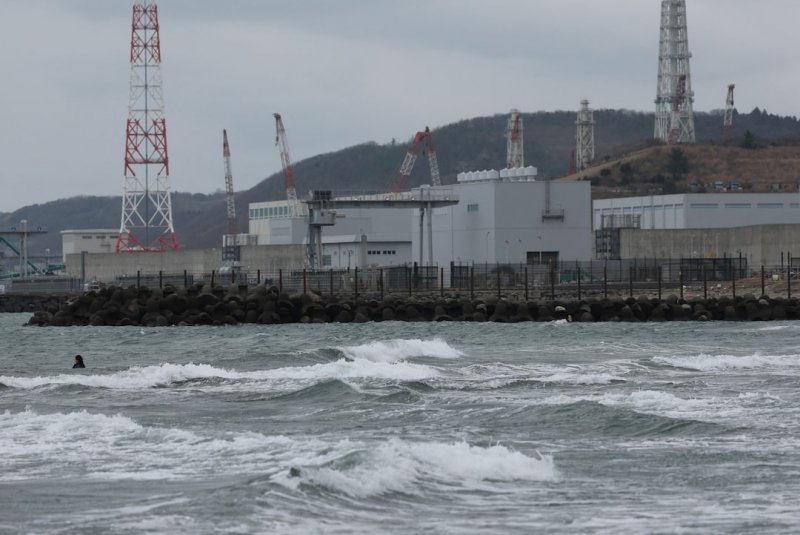
Japan has taken a decisive step toward restarting the world’s largest nuclear power plant, nearly 15 years after the Fukushima disaster, after the Niigata region voted on Monday to allow operations to resume — a milestone in the country’s gradual return to nuclear energy.
On Monday, Niigata’s prefectural assembly passed a vote of confidence in Governor Hideyo Hanazumi, who endorsed the restart last month, effectively clearing the way for the plant to resume operations, News.Az reports, citing Reuters.
The Kashiwazaki-Kariwa plant, located about 220 kilometers (136 miles) northwest of Tokyo, was among 54 reactors shut down following the 2011 earthquake and tsunami that triggered meltdowns at the Fukushima Daiichi plant, the worst nuclear accident since Chernobyl.
Since then, Japan has restarted 14 of the 33 reactors that remain operable as it seeks to reduce its dependence on imported fossil fuels. Kashiwazaki-Kariwa will be the first reactor complex operated by Tokyo Electric Power Co (TEPCO), the utility that also ran the Fukushima plant.
Ahead of the vote, about 300 protesters — mostly elderly — gathered outside the prefectural assembly in temperatures of around 6 degrees Celsius (42.8 degrees Fahrenheit). Holding banners reading “No Nukes,” “We oppose the restart of Kashiwazaki-Kariwa,” and “Support Fukushima,” the crowd sang “Furusato,” a national song expressing ties to one’s homeland.
“Is TEPCO qualified to run Kashiwazaki-Kariwa?” one protester asked through a microphone, prompting the crowd to respond in unison: “No!”
Public broadcaster NHK reported that TEPCO is considering restarting the first of the plant’s seven reactors on January 20. TEPCO spokesperson Masakatsu Takata said the company remains committed to preventing any repeat of past disasters and ensuring the safety of Niigata residents, but declined to comment on timing.
Earlier this year, TEPCO pledged to invest 100 billion yen ($641 million) in the prefecture over the next decade in an effort to secure local support. Despite this, public concern remains strong.
A prefectural survey released in October showed that 60% of residents believed conditions for the restart had not been met, while nearly 70% expressed concerns about TEPCO operating the facility.
Among the protesters was Ayako Oga, 52, who moved to Niigata after fleeing the Fukushima area in 2011 along with about 160,000 evacuees. Her former home lay within the 20-kilometer radiation exclusion zone.
Now a farmer and anti-nuclear activist, Oga says her firsthand experience of the disaster has left lasting scars. “We know the risks of a nuclear accident and cannot ignore them,” she said, adding that she continues to struggle with trauma linked to Fukushima.
Even Governor Hanazumi has said he hopes Japan will eventually reduce its reliance on nuclear power. “I want to see an era where we don’t have to depend on energy sources that create anxiety,” he said.
News.Az
AloJapan.com