Avoid These Tourist Traps: Travel Tips That Save You Money and Stress
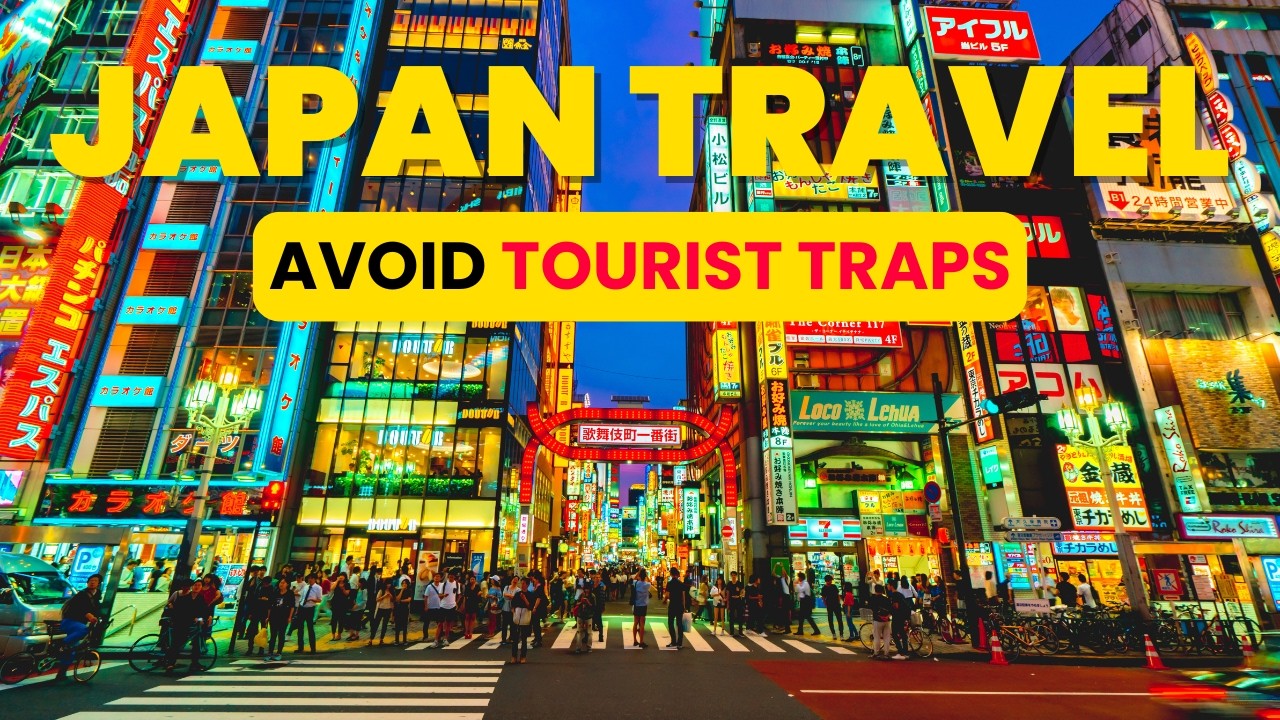
Many people worry about tourist traps in Japan before they even arrive. They imagine scams, fake smiles, or places designed to trick visitors into spending money. The truth is much calmer and more interesting. In Japan, tourist traps are rarely about cheating people. They are usually about crowds, hype, and convenience. When too many visitors go to the same place, prices go up. Experiences become rushed. What looked magical online can feel noisy and stressful in real life. Nothing illegal happens. Nothing dishonest either. But the value you receive may feel smaller than what you paid for. Japan is still one of the safest and most honest countries in the world. Shops follow rules. Prices are clear. Staff are polite. The problem starts when travelers follow famous names without asking a simple question. Is this place good for me or is it just popular? This video is not about avoiding Japan’s famous places. It is about learning how to choose wisely so your time, energy, and money create memories, not regrets. Section one, shopping and food traps. Shopping and eating are often the highlights of a trip to Japan. The food looks perfect, the souvenirs are cute, everything feels clean and trustworthy. This is exactly why shopping and food tourist traps in Japan are easy to fall into, especially for firsttime visitors. Let’s start with souvenirs. Many travelers wait until the last day to buy gifts at the airport or near major attractions. It feels safe and convenient, but this is where prices quietly rise. The products are usually the same snacks, cosmetics, or keychains you can find anywhere else in Japan. The difference is not quality, it is location. Airports and famous streets charge more because they know tourists are in a hurry. What will surprise you most was learning that Japan actually has very stable pricing. The same chocolate box or skincare item often costs less just a few train stops away. Local supermarkets, drugstores, and doniote shops sell identical products at better prices. When you start buying souvenirs during normal shopping time instead of the last day, you’ll save money and felt less rushed. This small change made the trip feel calmer. Food traps work in a similar way, but emotions play a bigger role. Festival food is a good example. Matsuri stalls look exciting. The smells are strong. The crowds are happy. Many tourists expect amazing local flavors. In reality, festival food is about atmosphere, not quality. Portions are small, prices are high. The food is often simple because it must be cooked fast. This does not mean festival food is bad. It just means expectations should be realistic. One of the best strategies is to eat something light from a convenience store first, then choose one or two special festival items to try. you still enjoy the moment without feeling disappointed or hungry afterward. Understanding this helps you enjoy Japanese festivals without feeling tricked. One of the most famous food related tourist traps in Japan is Tukiji Outer Market. Many people still believe Tsukiji is the heart of Tokyo’s fish trade. That was true in the past. Today, the real wholesale market has moved to Toyosu. Zukiji Outer Market is now a tourist focused area. The food is not fake. The vendors are real, but the experience has changed. Zuki today is busy, loud, and designed for short visits. It is good for quick snacks, street food, and photos. It is not the quiet working fish market many people imagine. When first visiting, you may expect something traditional and deeply local. Instead, you find long lines and similar menus everywhere. Once you accept Sukajuji for what it is today, you can enjoy it more. The disappointment often comes from old expectations, not from the place itself. This is a common pattern with tourist traps in Japan. The issue is not honesty. It is outdated information. If you know what you are walking into, you can still enjoy these places. If you expect something deeper or more authentic, you may leave feeling confused. Shopping and food in Japan are wonderful when you step slightly away from the busiest paths. Often the best meal is one street away from the famous spot. And the best souvenir is bought on a normal weekday, not at the airport. Section two, location and experience traps. Some places in Japan are famous for a reason. They are beautiful, unique, and appear in travel videos and guide books again and again. But popularity has a cost. Many location and experienced tourist traps in Japan begin the moment too many people arrive at the same time with the same expectations. A clear example is the Arashyama Bamboo Grove in Kyoto. Photos online show a quiet green path, soft light, and a peaceful walk through nature. In reality, during most of the day, the grove is crowded. People stop to take pictures. Voices echo. It becomes hard to move, let alone relax. The bamboo is still beautiful, but the feeling is very different from what many travelers imagine. The mistake is not visiting Arishyama. The mistake is visiting it at the wrong time or believing it is the only place worth seeing. Early morning changes everything. Going before 8:00 a.m. can turn the experience into something calm and memorable. Another option is choosing smaller temples or bamboo areas nearby. Kyoto is full of quiet corners, but they rarely go viral online. The same pattern appears with themed cafes. Places like character cafes or animal cafes are heavily promoted on social media. They promise fun, cuteness, and something you cannot find at home. In practice, many visitors feel unsure after they leave. Prices are high, time slots are short. Instructions are often given only in Japanese. In animal cafes, there are also serious concerns about animal welfare, which makes some travelers uncomfortable once they understand the situation. This does not mean themed cafes are always bad. It means they are optional experiences, not essential ones. If you love a character and understand what you are paying for, you may enjoy it. But many firsttime visitors go simply because it feels like something they should do. That pressure often leads to disappointment. Views from above create another type of tourist trap. Tokyo Tower and Tokyo Skytree are famous observation decks. The city looks impressive from the top, but tickets are expensive and lines can be long. What many people do not realize is that Tokyo also offers free viewpoints. The Tokyo Metropolitan Government Building provides a wide city view at no cost. There is no ticket stress, no heavy crowds. Sometimes standing quietly and looking out feels more powerful than rushing through a paid attraction. Transportation choices can also quietly drain your travel budget. Many visitors use the Shinkansen even for short trips such as Osaka to Kyoto. It sounds efficient, but the time saved is small while the cost is much higher. Regular or express trains often take only a little longer and cost far less. When switching to local trains for short distances, you’ll feel more connected to daily life in Japan. The journey became part of the experience, not just a transfer. Location and experience traps in Japan often come from copying other travelers without thinking. Famous does not always mean better. Paid does not always mean more meaningful. When you slow down and choose places that match your pace and interests, Japan opens up in quieter, richer ways. Section three, scams and safety traps. Japan has a strong reputation for safety and that reputation is welld deserved. Violent crime is rare. Pickpocketing is uncommon. Most visitors feel comfortable walking alone even at night. Because of this, many travelers lower their guard too much. This is where scams and safety related tourist traps in Japan can appear even if they are limited to a few areas. The most common issue involves nightlife touts. These are people standing on the street, usually in entertainment districts like Kabuko in Shinjuku or parts of Rapongi. They speak English, smile, and offer deals that sound harmless. A free drink, a special price. A quiet bar just around the corner. The invitation feels friendly, but following them is risky. Some visitors later face extremely high bills, unclear service charges, or pressure to pay by credit card. The problem is not that every bar is bad. The problem is agreeing to enter a place without clear information or reviews. The safest rule is simple and effective. Never follow someone who approaches you on the street. In Japan, good businesses do not need to chase customers. Bars and restaurants that are worth visiting usually have clear signs, menus, and online reviews. If a deal sounds too good to be true, it usually is. Another experience that surprises many visitors is made cafes. These cafes are legal and popular with a specific audience. However, many international travelers feel uncomfortable once they arrive. Prices rise quickly with games, photos, and special interactions. Language barriers can make instructions confusing. What seems playful online can feel awkward in person. Made cafes are not scams, but they are niche experiences. If you do not understand the culture or do not feel curious about it, skipping them often leads to a better day overall. Safety traps in Japan are not about fear. They are about awareness. Staying in control of where you go and who you follow keeps your trip smooth and stress-free. Section four, the mental trap. Traveling with the wrong mindset. Not all tourist traps in Japan are physical places. Some exist only in the mind of the traveler. One of the most common mental traps is turning travel into a checklist. Gwin collecting is a good example. Gwin are beautiful stamps given at temples and shrines. They were created as a spiritual record, not a souvenir race. Many visitors, however, plan days around collecting as many stamps as possible. They rush from shrine to shrine, pay multiple fees, and leave without understanding where they were. I once tried to visit too many temples in one day. By the afternoon, everything felt the same. The silence that should have felt peaceful became tiring. That was when I realized I was collecting proof, not experiences. Japan rewards slow travel. Choosing fewer places allows deeper connection. Sitting quietly at one temple can leave a stronger memory than visiting 10 in a hurry. When the goal changes from seeing everything to feeling something, travel becomes meaningful again. The biggest travel trap is not missing a famous place. It is missing the moment because you are already thinking about the next stop. Section five. How to avoid tourist traps. Core principles. Avoiding tourist traps in Japan does not require secret knowledge or complex planning. It requires a few clear habits and the confidence to slow down. The first principle is shopping smart. Prices in Japan are fair, but location matters. Buying souvenirs in normal neighborhoods, supermarkets, or drugstores often gives you the same products for less. Avoid rushing to buy everything at airports or near major attractions. The second principle is eating smart. Very crowded places rarely offer the best meals. When a restaurant has a long line only because it is famous, expectations rise faster than quality. Some of the most satisfying meals in Japan might came from small restaurants with no English signs and no social media fame. Convenience stores also play a bigger role than many people expect. They are reliable, affordable, and everywhere. The third principle is researching free alternatives. Many cities in Japan offer free viewpoints, parks, and cultural spaces that feel more relaxed than paid attractions. Looking for these options often leads to quieter and more personal experiences. The fourth principle is staying aware. Never follow street promoters. Choose places with clear information and real reviews. Staying in control keeps travel enjoyable. The final principle is choosing meaning over quantity. Fewer places, more time, less rushing, more presence. This mindset protects you from most tourist traps before they even appear. Tourist traps in Japan do not exist because Japanese people are dishonest. They exist because travelers often follow crowds without enough information or reflection. When you slow down, ask better questions, and choose experiences that match your values, Japan becomes more than a destination. it becomes a feeling. The goal is not to avoid famous places but to understand them. Travel is most rewarding when it is intentional, not rushed. If you travel with curiosity instead of pressure, Japan will meet you with quiet moments, honest warmth, and memories that stay long after the trip ends. If this perspective helped you see Japan more clearly, consider subscribing to Stories of Japan for deeper travel insights that go beyond the guide books.
Tourist Traps in Japan That Look Good but Feel Disappointing
Many travelers worry about tourist traps in Japan, but most don’t understand what they really are. Japan is safe, honest, and welcoming — yet many visitors still leave feeling tired, disappointed, or overspending. This video explains why that happens and how you can avoid it.
This Japan travel guide breaks down common tourist traps in Japan, from overpriced souvenirs and overhyped food markets to crowded landmarks and unnecessary expenses. These are not scams. They are mistakes caused by crowds, hype, and outdated expectations.
You’ll learn simple Japan travel tips to shop smarter, eat better, choose meaningful experiences, and avoid common travel mindset traps. Whether it’s Tsukiji Market, themed cafés, Shinkansen travel, or famous viewpoints, this guide helps you decide what is truly worth your time.
If you’re planning your first trip or returning to Japan with deeper curiosity, this video will help you travel slower, spend wiser, and enjoy Japan beyond the guidebooks.
Subscribe for more honest travel insights and real Japan travel experiences.
#japan #japanese #travel

AloJapan.com