
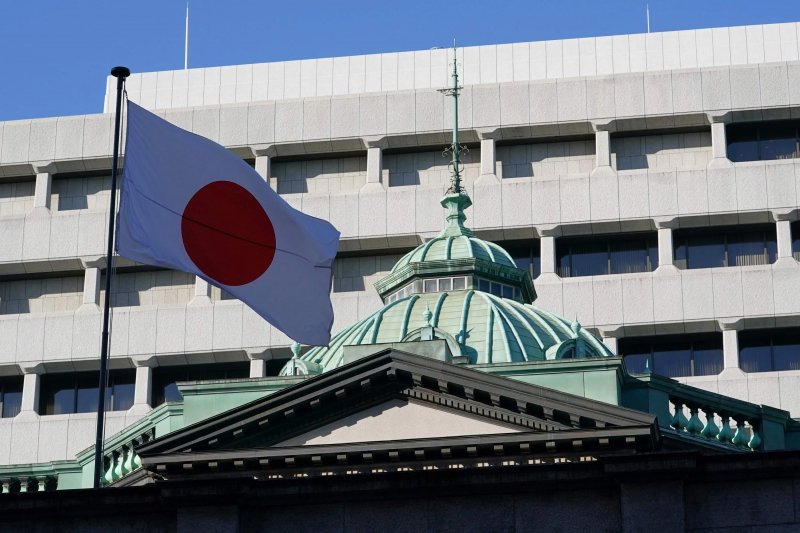
The central bank’s first rate increase since January came amid expectations that the momentum for wage hikes will continue into next year. The rate decision was the first under the government of Prime Minister Sanae Takaichi, a proponent of monetary easing, News.Az reports, citing Kyodo.
At the end of its two-day meeting, all nine BOJ Policy Board members, including Governor Kazuo Ueda, voted for the increase.
In a statement released after the meeting, the BOJ said the likelihood of realizing its baseline inflation scenario has been rising — a prerequisite for further hikes.
Although the BOJ stood pat for the sixth consecutive meeting through October to assess the impact of higher U.S. tariffs, the statement said “uncertainties have declined.”
The rate increase reflects the central bank’s drive to normalize policy following more than a decade of unorthodox monetary easing, as the country emerges from deflation.
Japan’s core consumer prices have remained at or above the central bank’s 2 percent inflation target for more than three and a half years.
The BOJ said it judged it “appropriate” to adjust the degree of monetary accommodation to achieve its inflation goal, adding that it will continue to raise its policy rate depending on economic and price developments as monetary conditions are still accommodative despite the latest interest rate increase.
AloJapan.com