
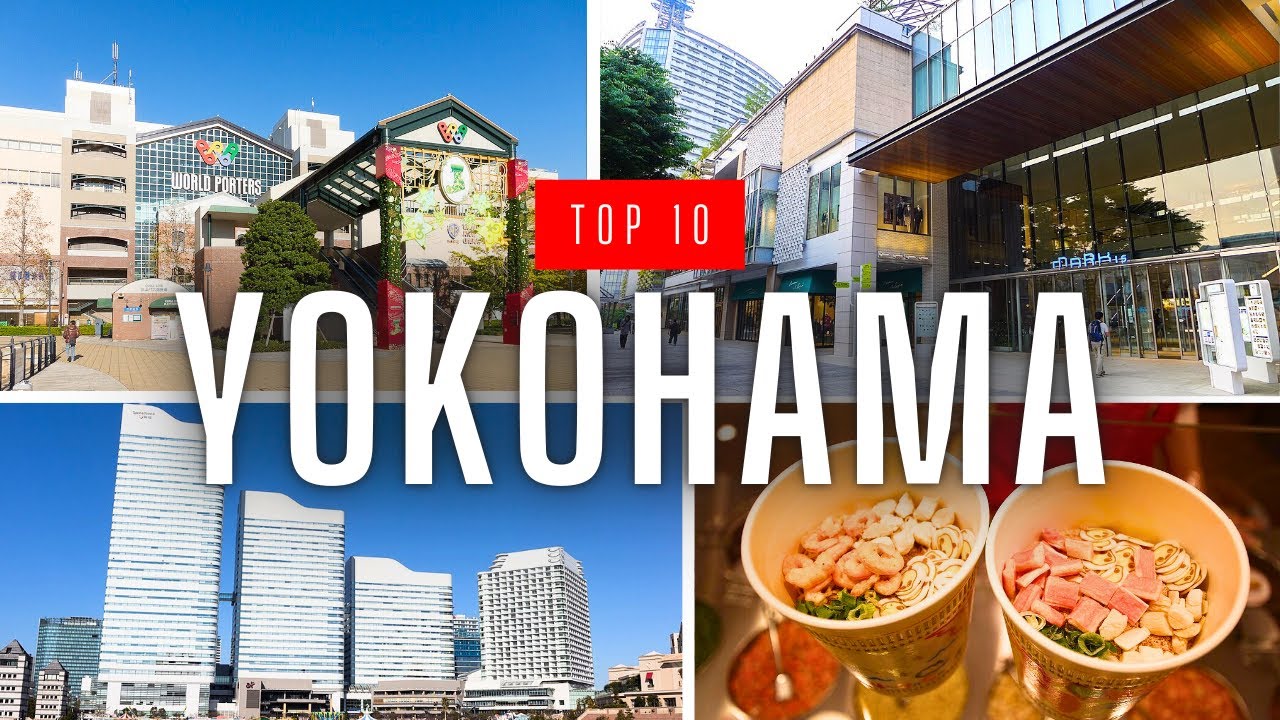
Top 10 Best Places To Visit In Yokohama, Japan
I just spent 3 days exploring Yokohama and let me tell you something that completely blew my mind. This city has 10 incredible spots that most tourists completely miss because they’re too busy rushing around Tokyo. I’m talking about places where you can create your own instant noodles, wander through Japan’s largest Chinatown, and discover gardens so beautiful they’ll make you forget you’re in a major city. Today, I’m breaking down the exact 10 places you need to hit in Yokohama in [music] the perfect order to maximize your time. Starting our list with the Cup Noodles Museum, where most people think instant noodles just appeared in grocery stores. But there’s actually a wild story behind how one man changed the way the entire world eats. This isn’t just another boring museum. It’s the birthplace of a food revolution that happened right here in Yokohama. And you can actually create your own custom cup noodles. Mama Fuku Ando invented instant ramen in 1958 with his chicken ramen, then revolutionize it again with cup noodles. The interactive My Cup Noodles factory workshop lets you design your own packaging and choose from different soup flavors and toppings for just 500 yen. Visit in the morning around 10:00 a.m. when it opens. Spend 90 minutes minimum and book the workshop in advance since it sells out on busy days. The real payoff is holding your personalized cup noodles creation while learning how this simple invention feeds millions of people worldwide every single day. This Japanese innovation connects perfectly to the international flavors waiting at our next stop. Second on our list is Yokohama Chinatown. And you might think you’ve seen Chinatowns before, but Yokohama’s version is the largest in Japan with over 600 shops and restaurants packed into a maze of colorful streets. The real challenge isn’t finding good food here. It’s choosing from the overwhelming number of options while navigating the crowds that pack these narrow streets. Four ornate gates mark the entrances, each with guardian deities protecting trade and prosperity. The east gate brings prosperity through the Azure dragon god, while the bright red south gate offers protection from disaster. Head to Kaiibio Temple for business prosperity prayers, [music] where you’ll find stunning red and gold architecture with intricate wood carvings dedicated to Guan Yu. Arrive for lunch around 11:30 a.m. before peak crowds. Spend 2 hours minimum and focus on the main Chukagai Dory Street for the best concentration of authentic restaurants. Try steamed pork buns, yaki sharampo, and egg tarts from the street vendors. The payoff hits when you’re sitting in a bustling restaurant surrounded by the sounds and smells of authentic Chinese cuisine. Realizing this cultural enclave offers experiences you simply can’t find anywhere else in Japan. This international flavor leads perfectly into modern shopping experiences nearby. Third on our list is Yokohama World Porters, where most shopping centers just focus on retail, but World Porters combines serious shopping with some of the best harbor views you’ll find in Yokohama. The building might look ordinary from the outside, but inside you’ll find everything from Hawaiian goods to rooftop gardens, plus dining options that take full advantage of those waterfront views. The first floor Hawaiian Town section brings tropical vibes to Japan with authentic island food and merchandise. Fashion and miscellaneous goods fill floors two and three, while the fourth floor offers interior design and amusement options. The fifth floor restaurants feature panoramic windows overlooking the bay, plus cinema and entertainment facilities. Visit in the afternoon around 2:00 p.m. after Chinatown lunch. Spend 60 to 90 minutes and head to the upper floors for the best views and photo opportunities. The real win is combining practical shopping with those Instagram worthy harbor shots, especially from the restaurant floors where you can see the entire Minato Mi skyline. These harbor views are just a preview of the elevated perspectives coming next. Fourth on our list is Harbor View Park, where sometimes the best views in a city come from places most tourists walk right past. And Harborview Park sits on a hill that gives you commanding views over Yokohama Bay. This isn’t just about pretty scenery. This park sits in the historic Yamite district where foreign diplomats once lived. And the views tell the story of how this port city connected Japan to the world. The park was established in 1962 on the site of a former British army barracks and consulate. You’ll see panoramic vistas over the harbor, historic westernstyle houses nearby, including the diplomat’s house and barrack hall. And on clear days, you can spot Mount Fuji beyond the urban skyline. Visit in late afternoon around 400 p.m. for optimal lighting. Spend 45 minutes and bring a camera for elevated shots. The payoff comes when you’re seeing Yokohama the way those early foreign residents did, as a gateway between traditional Japan and the international world. Fifth on our list is Mark is Minatimarai where when Japanese developers want to showcase the future of retail and entertainment, they create places like Mark is Minata Marai, a massive complex that redefineses what a shopping center can be. With over 175 stores spread across six floors above ground and four underground, plus restaurants, entertainment, and even rooftop spaces, the real challenge is navigating this retail maze efficiently. The complex spans multiple floors with Japanese and international brands, a fourthfloor food court with harbor views, the Orbee Yokohama Nature Experience Museum, and the rooftop Minia Garden with over 20 varieties of citrus fruits and vegetables. Arrive around 5:00 p.m. as afternoon transitions to evening. Plan 90 minutes minimum and prioritize the upper floors for dining with views as the city lights begin to appear. The magic happens when you’re on the rooftop as Yokohama transforms from daylight to the glittering harbor city that made this destination [music] famous. Sixth on our list is Yamashida Park where every great port city needs a waterfront prominade where locals and visitors can connect with the water. And Yamashida Park delivers 750 m of perfectly designed harbor side walking. This might look like just another city park, but it’s actually built on reclaimed land using rubble from the great Kanto earthquake, and it houses the historic Hikawa Maru ocean liner turned museum. The future rose garden features dozens of rose varieties with winding paved pathways and rose arches. The Hikawa Maru Museum ship, built in 1930, once sailed the Yokohama Vancouver line, hosting the Imperial family and Charlie Chaplain. Benches are perfectly positioned for harbor gazing with views across to the Manado Mai skyline that change dramatically as day turns to night. Arrive around 6:00 p.m. as the sun begins to set. Spend 60 minutes walking the full length and position yourself for photos as the city lights reflect on the water. The payoff is that perfect moment when you’re sitting on a harboride bench watching the lights come alive across the water. understanding why this park has been Yokohama’s romantic heart for decades. This waterfront experience leads naturally to the shopping and dining options just inland. Seventh on our list is Queen Square, Yokohama. Connected directly to Yokohama’s tallest building, where Queen Square represents the luxury end of the city’s shopping scene with direct access to the Landmark Tower’s famous Sky Garden Observatory. The challenge here isn’t just the upscale shopping. It’s deciding whether to explore the retail floors first or head straight up to the 69th floor for those legendary panoramic views. Over 200 high-end boutiques fill the three wave motif towers, while the Landmark Tower Connection gives you access to the Sky Garden Observatory with its 40 elevator ride to 273 [music] m. The 360° views can include Mount Fuji on clear days. Spend 90 minutes total with at least 30 minutes in the sky garden and book observatory tickets in advance during peak seasons. The real thrill comes in that incredibly fast elevator ride followed by stepping out onto an observation deck that puts the entire Tokyo Bay region at your feet. These elevated views reveal the traditional shopping districts and entertainment areas still waiting to be explored. Eighth on our list is Yokohama Moto Machi Shopping Street. Where long before Tokyo became Japan’s fashion capital, Motoachi Shopping Street was setting trends and defining style, creating the Hamura fashion movement that influenced Japanese culture. This historic shopping street maintains its reputation for high-end fashion and unique boutiques, but finding the right shops among the mix of luxury flagships and local designers takes some insider knowledge. >> [music] >> The covered arcade atmosphere protects you from weather while you explore over 230 stores. Historic boutiques like Hidamura, operating since 1882, and Mihama Shoes from 1923, launched Japanese fashion trends. The charming sales in February and September offer major discounts on high-end products. European influence architecture reflects Yokohama’s international heritage throughout the street. Spend 60 minutes browsing and look for flagship stores that help define Japanese fashion. The satisfaction comes from shopping where Japanese fashion history was made. Surrounded by elegant atmosphere that attracted style conscious shoppers for over a century. This sophisticated shopping leads to entertainment and natural beauty completing the Yokohama experience. Ninth on our list is Yokohama Cosmo World, where as night falls over Yokohama, Cosmo World transforms into a glittering wonderland anchored by the massive Cosmo clock 21 ferris wheel that doubles as the world’s largest clock. This isn’t your typical amusement park. With free admission and individual ride pricing, you can focus on the experiences that matter most, especially that iconic ferris wheel ride with harbor views. The park divides into three zones. Kids Carnival Zone, Barono Street Zone, and Wonder Amuse Zone. The Cosmo Clock 21 features 60 gondilas accommodating eight passengers each. Every 15 minutes, the wheel presents spectacular LED light shows with constantly changing patterns. [music] Spend 90 minutes with at least one ferris wheel ride, timing it for maximum citylight views. The magic peaks during that 15-minute rotation when you’re suspended above the harbor with the entire illuminated city spread below, creating memories capturing Yokohama’s unique blend of tradition and modernity. Last on our list for first-time visitors is Sanan Garden where after all the modern attractions and harbor views, Sanan Garden offers something completely different. A traditional Japanese garden where historic buildings from across Japan were relocated to create a living museum. This isn’t just another pretty garden. It contains 17 structures designated as important cultural properties, including a three-story pagota from Kyoto, creating a journey through Japanese architectural history. Silk merchant Sankh Hara created this garden in 1906, bringing the three-story Pagota from Kyoto in 1457 [music] and the Reinshankaku from the Key House of Tokugawa. You’ll find tea houses, the former Yanahara House with its original hearth and kitchen, and peaceful walking paths winding through different landscape styles. Visit in the morning around 10:00 a.m. for the best light and fewer crowds. Allow 2 hours minimum to see all the historic structures, and check seasonal schedules for cherry blossoms and autumn foliage displays. The profound satisfaction comes from discovering this oasis where centuries old architecture creates a timeless experience connecting you to Japan’s cultural heritage. This garden perfectly represents what makes Yokohama special, the seamless blend of international modernity with deep Japanese tradition. These 10 destinations showcase Yokohama’s unique identity as Japan’s most successful fusion of international culture and traditional heritage, offering experiences impossible to find anywhere else. You can plan your Yokohama adventure using this exact sequence. [music] And the timing and order maximize both efficiency and experience quality. Start with the Cup Noodles Museum in the morning. Work through Chinatown for lunch, then hit the shopping and views before ending with gardens. Yokohama proves Japan’s greatest treasures often lie just beyond the obvious tourist destinations, waiting for travelers bold enough to explore beyond Tokyo. Drop a like if this helped you plan your trip. Subscribe for more Japan travel guides and comment below with which Yokohama spot you’re most excited to visit.
Planning a trip to Japan and looking for more than just Tokyo? In **“Top 10 Best Places To Visit In Yokohama, Japan”**, you’ll discover the best spots in this beautiful port city, all in one easy travel guide. 🌏🇯🇵
After spending three days exploring Yokohama, this video takes you through **10 must-visit places** in the perfect order, so you can make the most of your time. You’ll see fun museums, colorful streets, peaceful gardens, and epic harbor views, plus get simple tips on when to go, how long to stay, and what to look out for at each stop. This is your **Yokohama travel guide**, great for first-time visitors, day trips from Tokyo, or anyone planning a Japan itinerary.
🌟 **What’s inside this Yokohama travel guide?**
We start at the **Cup Noodles Museum**, where you learn the surprising story behind instant ramen and even design your own custom cup noodles. Then we dive into **Yokohama Chinatown**, the largest in Japan, packed with temples, street food, and over 600 shops and restaurants to explore.
From there, we head to **Yokohama World Porters** for shopping with harbor views, then climb up to **Harbor View Park** for classic views over Yokohama Bay and the historic Yamate district. Next, we step into the future at **MARK IS Minatomirai**, a giant modern mall with rooftop gardens and city views as the lights come on at night.
As evening approaches, we stroll along **Yamashita Park**, a beautiful waterfront promenade with rose gardens, the historic Hikawa Maru ship, and some of the best sunset views in Yokohama. Just a short walk away is **Queen’s Square Yokohama**, where luxury shopping meets the **Landmark Tower Sky Garden** observatory, giving you sweeping views over Tokyo Bay and even Mount Fuji on clear days.
We then slow things down at **Yokohama Motomachi Shopping Street**, a stylish historic street known for fashion and European-style architecture. After dark, it’s time for fun at **Yokohama Cosmo World**, home to the famous Cosmo Clock 21 Ferris wheel, where you can see the whole city lit up from above. Finally, we end in peace and quiet at **Sankeien Garden**, a traditional Japanese garden filled with historic buildings, tea houses, and seasonal beauty that makes you forget you’re still in the city.
If you’re planning a **Yokohama itinerary**, a **day trip from Tokyo**, or a longer **Japan travel** adventure, this video will help you see the best of the city without wasting time.
👍 If this Yokohama travel guide helps you plan your trip, don’t forget to **like the video**, **subscribe to the channel** for more Japan travel tips, and **comment below**: which Yokohama spot are you most excited to visit?
AloJapan.com