
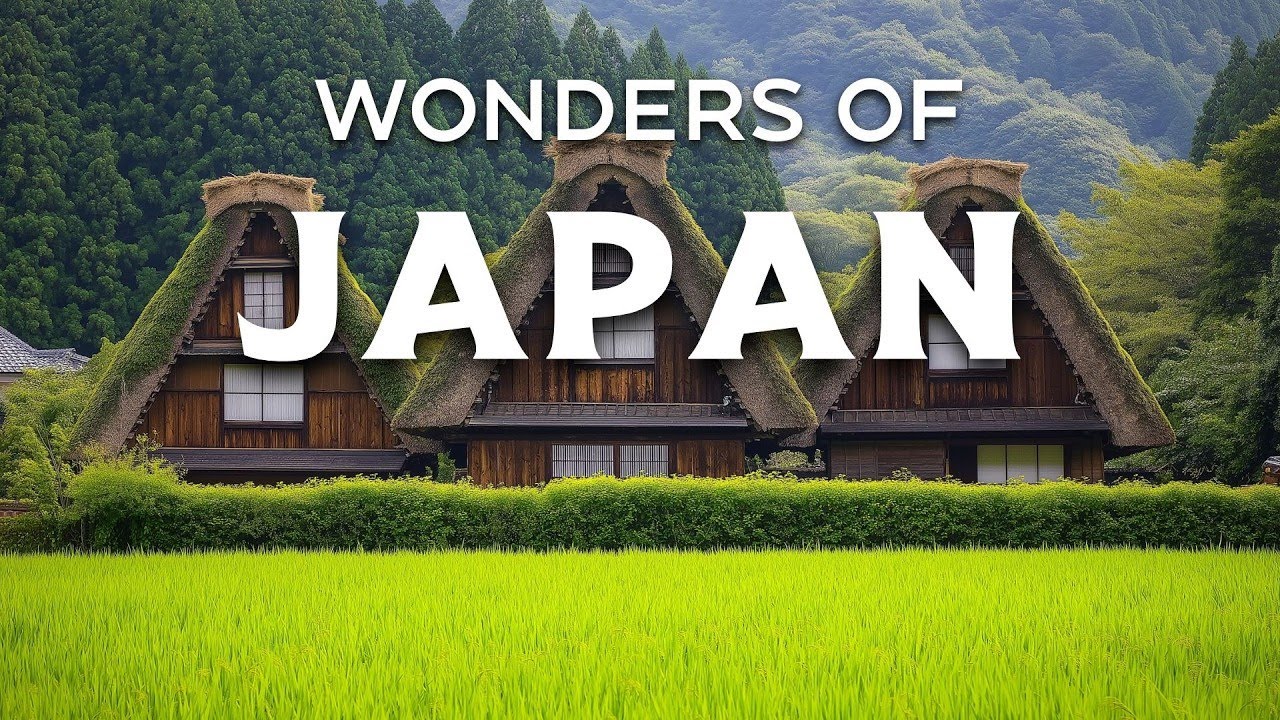
Wonders of Japan | The Most Amazing Places in Japan | Travel Video 4K
Hello and welcome. Today we embark on a breathtaking journey through Japan, a land where ancient tradition and natural beauty exist in perfect harmony. From snowcapped mountains to sunlit southern shores, Japan’s wonders have inspired awe for centuries. This film invites you to pause, step away from the everyday, and immerse yourself in moments of serenity and spectacle. Each frame is designed to transport you to feel the mountain air, hear the bamboos whisper, and witness waves on sacred shores. Let the sights and sounds of Japan wash over you. Simply be present and enjoy the journey. Let us begin. Our journey begins with Mount Fuji, the soul of Japan. More than a mountain, Fuji is a muse, a guardian, and a symbol of national spirit. Its nearperfect volcanic cone rises above the plains, often crowned with snow or shrouded in clouds. At dawn, the mountain glows with shifting hues, purple, pink, and gold. Artists like Hokasai have tried to capture its essence, but Fuji’s true character must be experienced. Pilgrims ascend its trails, passing through forests to barren rock, seeking not just the view, but the spiritual journey. Shinto shrines at its base honor Konohana Sakuyah, goddess of the mountain and cherry blossoms, a reminder of life’s fleeting beauty. Here, the earthly and divine merge. Standing before Fuji, you sense the echoes of ancient prayers and the awe of generations. It commands respect through sheer magnificence. As Fuji’s reflection shimmers in Lake Kawaguchiko, we’re reminded some wonders must be felt, not just seen. Mount Fuji is not just a destination, it’s an inspiration. We move from mountain majesty to the intimate beauty of Arashyama Bamboo Grove on Kyoto’s edge. Here, towering bamboo forms a living cathedral, filtering sunlight into a soft green glow. The gentle rustling of leaves is a soundsscape officially recognized for its calming effect. Walking the path, you’re enveloped by vertical lines and shifting light, the air cool and fresh. This is cultivated nature. Moso bamboo harvested for centuries, blending natural wonder with cultural heritage. Each season transforms the grove springs renewal. Summer shade, autumn’s color, winter’s silent white. The grove’s simplicity quiets the mind, encouraging mindfulness and a slower pace. Just steps from the city, it feels like another world. The bamboo’s elegant resilience is a living work of art. Here, nature speaks and whispers, inviting us to listen. Arashiamyama is a meditation in green. Next, we arrive at Fushimi Inari Shrine, where spirituality and color intertwine. Thousands of Vermillion Tory gates form a memerizing tunnel up the sacred mountain, each a prayer for fortune. Donor’s names and wishes are inscribed on every gate, creating a living tapestry of hope. Fox statues, messengers of Inari guard the paths, adding to the shrine’s mystical aura. As you ascend, the crowds thin, the air cools, and tranquility deepens. Weathered gates higher up remind us of faith’s endurance through time. The path winds past subshrines, ponds, and panoramic views of Kyoto. It’s a pilgrimage, spiritual and physical, where getting lost is part of the experience. The density of gates becomes hypnotic, drawing you deeper into tradition. In the quiet upper trails, surrounded by foxes and endless tory, you feel Japan’s spiritual heart. Fushimi Inari is more than a landmark. It’s a living place of worship. Here, faith and beauty are one. We journey to Miaima Island where the Itsukushima shrines Tory gate appears to float on the Stoland Sea. This iconic gate marks the boundary between the secular and the sacred. Built on peers, the shrine allows visitors to approach by boat, preserving the island’s sanctity. At high tide, the shrine hovers above shimmering water. At low tide, you can walk to the gates base and feel its enduring strength. The shrine’s high in architecture flows with the tides dedicated to the daughters of the storm god. Sacred deer roam freely adding to the mystical atmosphere. As sunset bathes the shrine in gold, the boundary between worlds feels thin. Itsukushima is a harmony of faith, nature, and art. A floating palace from another age. Here the divine is found in the rhythm of the sea. It is a place of quiet wonder. Deep in the mountains lies Shirakawa Go, a fairy tale village of steep thatched farmhouses called designed to shed heavy snow. These homes resemble hands in prayer. Both beautiful and practical. In winter, the village glows under a blanket of snow, smoke curling from chimneys, creating a scene of magical peace. These are living homes maintained by generations through communal effort. The spirit of cooperation or is the vill’s foundation. Walking narrow lanes past rice patties and gardens, you step back in time. Houses are built without nails using ingenious joinery and natural materials. Inside, smoke blackened beams and central hearts tell stories of centuries past. Shirakawa Go is a testament to resilience, community, and harmony with nature. It offers a glimpse of a slower, more grounded way of life. Rising above Himi City is the White Heron Castle, Japan’s most spectacular and best preserved feudal fortress. Its brilliant white walls and elegant roofs evoke a heron in flight, blending strength with grace. Built in the 17th century, Himi Castle is a masterpiece of defensive design, labyrinthine paths, hidden passages, and fortified gates. Yet, its beauty is undeniable. Over 80 buildings, tiered roofs, and fireresistant plaster create an unforgettable silhouette. The castle has survived war and earthquakes, standing as a symbol of endurance and craftsmanship. Inside, steep staircases and ancient wood remind us of its warrior past. From the top, sweeping views connect feudal history to the modern city below. Kimei Castle is more than a relic. It’s a cultural treasure. It embodies the Japanese aesthetic. Formidable yet refined. The white heron soarses poised and resilient. Here, history lives on. For our final chapter, we travel south to Okinawa, a subtropical paradise of white sands and turquoise seas. Life here moves to the rhythm of the tides surrounded by vibrant coral reefs and abundant marine life. Snorkeling reveals a kaleidoscope of fish, sea turtles, and intricate coral. An ecosystem both vital and fragile. Okinawa’s unique culture shaped by its Ryuku heritage is alive in music, textiles, and deep respect for elders. The sea is central provider, playground, and calming presence. The Okanowan spirit embraces life’s flow and resilience. Remarkable longevity is rooted in diet, activity, and strong community bonds. As the sun sets over the East China Sea, the islands glow with peace and beauty. Okinawa offers a different Japanese wonder, nature, warmth, and vibrant life. It is an invitation to relax and simply be. Our journey through Japan ends, but its wonders linger. From Fuji silence to Okinawa’s shores, we’ve explored a land of beauty and spirit. Thank you for joining me. Your support makes these journeys possible. I hope you carry a piece of this experience with you and continue exploring the world with curiosity and respect. The journey never truly ends. Until we meet again, travel well.
Wonders of Japan | The Most Amazing Places in Japan | Travel Video 4K
00:00 Welcome to Japan
05:38 Tokyo
07:39 Shibuya Crossing
09:33 Saitama
11:23 Yamanashi*
12:57 Mount Fuji
15:11 Yokohama
17:05 Osaka
18:49 Osaka Castle
20:52 Ishigaki Islands
22:48 Kabira bay
24:20 Hiroshima
26:02 Hiroshima Peace Memorial Park
27:38 Itshukushima Shrine
29:17 Kamakura
31:30 Hakone
33:38 Sensoji
35:15 Kyoto*
37:16 Arashiyama
39:13 Fushimi Inari Taisha Church
41:14 Nara
43:17 Hokkaido
45:07 Sapporo
46:24 Mount Myoko
48:09 Shirakawa-go*
50:07 Nagano
52:10 Miyakojima
53:45 Kashikojima
56:00 Outro
#japantravel
#japanplaces
#japanplacestovisit
AloJapan.com