
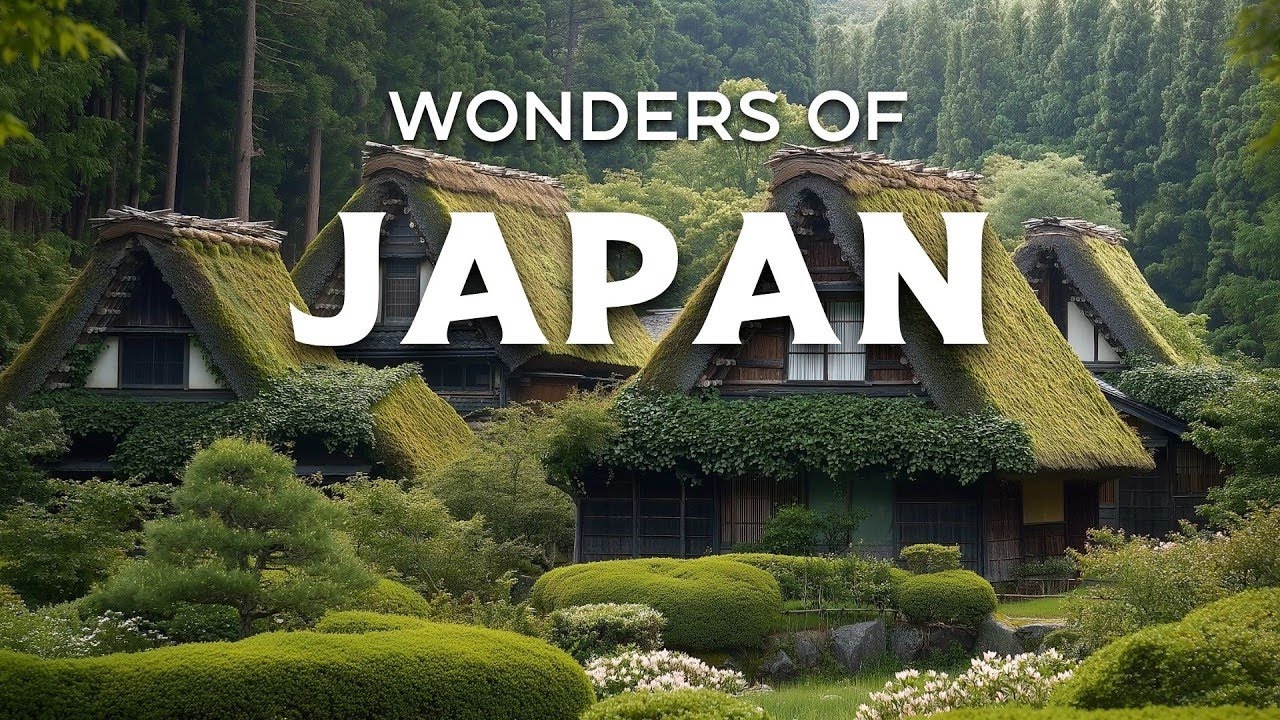
Wonders of Japan | The Hidden Places No One Talks About! | Travel Video 4K
Let’s go somewhere amazing. Hello everybody. It’s me Kay and I’m thrilled you’re here. Today we’re heading to Japan, but not the usual tourist spots. We’re diving deep off the beaten path to places that truly capture the spirit of this country. These hidden gems left me speechless, and I want you to feel that same wonder. So, get comfy, maybe grab a snack, and get ready to explore Japan’s most enchanting, lesserknown destinations. We filmed it all in stunning 4K Ultra HD. So, you’ll feel like you’re right here with me. Ready? Let’s go. Our first stop is a place that completely blew my mind, the Toto Sand Dunes. I never imagined I’d find a desert landscape in Japan, but here it is, stretching out for miles and miles right along the coast. It’s one of those places that makes you question everything you thought you knew about a country. When you think of Japan, you probably picture cherry blossoms or neon cities. But a desert, most people don’t even realize this place exists. It’s a side of Japan that rarely makes it into the travel brochures. And that’s exactly what makes it so special. The Tori sandunes are a vast rolling expanse of sand right by the Sea of Japan. The contrast between the golden dunes and the deep blue water is absolutely breathtaking. And it almost feels like you’ve stepped into another world. It’s like stumbling onto a slice of the Sahara with endless dunes sculpted by the wind. The patterns in the sand shift every day, creating a landscape that’s always changing, always new. Climbing these dunes is a workout, but the view from the top is absolutely worth it. Your legs will burn, but as you reach the summit, you’re rewarded with a panorama that’s nothing short of spectacular. You see the deep blue sea on one side, endless sand on the other. The wind whips around you, and for a moment, you feel like you’re standing at the edge of the world. People sandboard down the slopes, and yes, there are even camels. It’s a surreal mix of adventure and novelty, and it’s impossible not to smile as you watch people try something totally unexpected in Japan. I found a quiet spot, listened to the wind, and just soaked in the peace. There’s a kind of meditative calm here, far from the crowds and noise of the cities. The light here is magical, especially as the sun sets and the dunes glow gold. The shadows stretch long and the whole landscape transforms into something almost otherworldly. It’s a place that makes you appreciate the unexpected beauty of nature. Every grain of sand, every ripple tells a story shaped by wind and time. Families fly kites, couples stroll, and everyone shares this sense of awe. It’s a gathering place for people seeking something different, a memory you’ll carry long after you leave. And the food, try the sanjune grown scallions and the famous local pears. Delicious surprises in a seemingly barren place. The flavors are fresh, unique, and a testament to how life thrives, even in the most unlikely environments. The totter sand dunes are a reminder to always look beyond the obvious. There’s so much more to discover if you’re willing to explore off the beaten path. If you ever get the chance, you have to see this little bit of magic for yourself. Trust me, it’s an experience that will change the way you see Japan and maybe even the world. Next, we journey to Uchiuku, a remarkable time capsule nestled in the mountains of Fukushima. This post town, perfectly preserved from the Edeto period, once served as a vital stop for travelers and samurai making their way along the Aizunishi Kaido road. Today, it stands as a living window into Japan’s feudal past, where history and daily life blend seamlessly. As you stroll down the main street flanked by rows of thatched roof houses, it truly feels like you’ve wandered onto the set of a samurai film. The air is filled with a sense of nostalgia, and every step takes you deeper into a world untouched by modernity. But this isn’t a museum frozen in time. Aijuku is alive. Residents still live and work here, carrying on traditions passed down through generations. You’ll see locals tending to their homes, chatting with neighbors, and welcoming visitors with warm smiles. There are no power lines or neon signs to break the illusion. Instead, a wide, unpaved street stretches before you, lined with wooden buildings that have stood for centuries, their architecture unchanged. The gentle sound of a clear stream running alongside the road adds to the peaceful atmosphere. These waterways once provided fresh water for travelers and still flow today, reflecting the sky and the thatched rooftops above. Local shops invite you to sample handmade crafts and regional treats. Be sure to try the chewy tomochi rice cakes and don’t miss the famous soba noodles. Here you eat them with a leak instead of chopsticks, a quirky tradition unique to Achiuku. Life here moves at a gentle pace. People stroll leisurely, pausing to chat or admire the scenery. There’s no rush, just a shared appreciation for the moment and the beauty all around. Achiuku offers a rare lesson in slowing down and being present. Visitors and locals alike find themselves drawn into a slower rhythm, savoring the sights, sounds, and stories that linger in the air. For a breathtaking perspective, climb the hill at the end of town. From the temple above, you’ll see the entire valley spread out before you. The thatched roofs forming a patchwork of history against the green mountains. The craftsmanship here is extraordinary. Artisans and community members work side by side to maintain the thatched roofs and wooden structures, preserving their heritage with pride and dedication. As dusk falls, lanterns begin to glow softly along the street, casting a warm golden light. The town takes on a magical quality, as if the past and present are gently woven together. Achi Juku is more than just a beautiful destination. It’s a soulful embrace of Japan’s living history, inviting you to pause, reflect, and connect with a timeless spirit. Now, we venture into the Wilda Valley on Shikoku Island. A true hidden wilderness tucked away from the modern world. This remote region is often called Japan’s lost world, a place where time seems to slow down and nature reigns supreme. The journey here is an adventure in itself. Narrow, winding roads snake through dramatic gorgees and dense forests, making every turn feel like a discovery. The landscape is wild and untamed with towering cliffs and lush greenery enveloping you at every moment. The valley is famous for its ancient vine bridges woven by hand from mountain vines and suspended over deep canyons. These bridges are living relics of the past, once used by samurai and villagers to cross the treacherous terrain. Crossing one is both thrilling and terrifying. You can see the river rushing far below, and every step makes the bridge sway gently. It’s an experience that tests your courage and rewards you with breathtaking views. The experience connects you to the ingenuity and courage of those who built them, reminding you of the resourcefulness required to survive in such a rugged landscape. In the village of Oi, traditional farm houses cling to steep mountain sides and terrace fields create stunning patterns across the hills. These centuries old homes with their thatched roofs are a window into rural Japanese life. The valley is a testament to human resilience and harmony with nature. Here, people have learned to adapt to the land, working with the mountains rather than against them. Don’t miss the quirky peeing boy statue perched on a cliff. A symbol of local bravery and a playful reminder of the valley’s adventurous spirit. Hiking along the river, you’re surrounded by the sounds of birds, rushing water, and the scent of the forest. The emerald green Aya River winds through the valley, inviting you to pause and soak in the tranquility. The Aya Valley isn’t easy to reach, but that’s part of its magic. Its remoteness has preserved its beauty and kept it untouched by mass tourism. It rewards those who make the journey with solitude, adventure, and a deep connection to a wilder, more authentic side of Japan. A place where nature and tradition still thrive together. Next, we’re off to Shushima in the Sedo Inland Sea, home to the Shotoshima Olive Park, olive groves, a white Greek windmill, and sparkling blue sea. Am I in Japan or the Mediterranean? The climate here is perfect for olives, and the park celebrates over a century of cultivation. Walking among the shimmering olive trees, is instantly relaxing. The iconic windmill, a gift from Greece, overlooks the groves and sea, a favorite photo spot, especially for fans of Kiki’s delivery service. You can even borrow a broom for a fun photo op. Try the local olive oil, pickled olives, and even olive ice cream. It’s surprisingly delicious. The park also has a herb garden and a hot spring bath house with views of the groves. Search for a heart-shaped olive leaf for a little extra happiness. Shoshima Olive Park is a gentle sundrenched escape, a blend of Japanese and Mediterranean charm. Get ready for cuteness overload. We’re heading to Okunoshima, better known as Rabbit Island. The moment you step off the ferry, you’re greeted by hundreds of friendly wild rabbits. They’ll hop right up to you hoping for snacks, and it’s pure joy to feed them. People of all ages come here, and everyone leaves with a smile. But Okonoshima also has a dark past. It was once a secret chemical weapons site during Wu Dupo. The ruins are still here, and there’s a museum that tells the island’s sobering history. The contrast between the island’s past and its fluffy present is profound. Theories about the rabbit’s origins vary, but they’ve transformed the island into a place of healing. Walk the island’s trails, enjoy the coastal views, and let the rabbits remind you of the resilience of life. Okonoshima is a place of joy, reflection, and hope. Now, we journey to Takatomi Island in Okinawa’s Yayyama Islands, a place where time slows down. The streets are made of soft white coral sand and water buffalo carts are the main transport. The village is a maze of coral stone walls, red tiled houses, and guardian shiza statues on every roof. Strict rules preserve the island’s traditional look, and the community’s pride is palpable. Rent a bike and explore sandy roads, vibrant houses, and stunning beaches. Kondoy Beach offers turquoise water and powdery sand, while Kaiji Beach is famous for its star-shaped grains. Life here is slow and mindful. No big resorts, no 24/7 stores. As the sun sets, the island becomes peaceful and magical. Dakatomi is a sanctuary, a reminder to reconnect with simple pleasures and the beauty of tradition. >> For our final hidden gem, we ascend Mount Koa, the heart of Shinggon Buddhism. The journey up by train and cable car feels like entering another world. Towering cedars, ancient temples, and chanting monks create an atmosphere of deep peace. Stay overnight in a temple lodging. Eat exquisite vegetarian cuisine and join the monks for morning prayers. The Okonoin cemetery is the soul of Koasan, a mystical forest of mosscovered tombstones and towering trees. Walking the path, you feel centuries of prayers and history. The mausoleum of Kobodaiishi, founder of Shingon Buddhism, is believed to be his eternal meditation place. The Hall of Lanterns glows with thousands of eternal flames. A breathtaking sight. Coyasan is more than a destination. It’s an experience that calms the mind and opens the heart. It’s the perfect place to end our journey. Quiet, spiritual, and deeply moving. And just like that, our journey through Japan’s hidden wonders comes to an end. From sand dunes to sacred mountains, we’ve explored a side of Japan full of surprise and beauty. Thank you for joining me. These are the experiences that stay with you. If you enjoyed this adventure, please subscribe so we can explore more together. What was your favorite spot? Share in the comments below. Until next time, stay curious and keep seeking new adventures. Bye, everybody.
Wonders of Japan | The Hidden Places No One Talks About! | Travel Video 4K
00:00 Welcome to Japan
01:52 Mount Fuji
05:20 Tokyo
07:29 Fushimi Inari Shrine
11:11 Shirakawa-go
13:33 Kiyomizu-dera Temple
15:40 Ishigaki Islands
18:03 Itsukushima Shrine
20:33 Chureito Pagoda
22:31 Hakone Shrine
25:13 Otaru
27:27 Koyasan
29:55 Jigokudani Monkey Park
32:56 Arashiyama Bamboo Forest
34:59 Kyoto
37:56 Mount Myoko
40:43 Hokkaido
42:48 Osaka
44:54 Takato Jo Castle
47:02 Okinawa
49:56 Nikko
52:20 Lake Ashi
54:07 Hiroshima
56:55 Yokohama
59:24 Takayama
1:01:02 Shikoku
1:03:14 Hakone
1:05:46 Matsumoto
1:07:04 Nagoya
1:08:17 Niseko
1:10:38 Kamakura
1:13:44 Kabira Bay
1:15:32 Sensoji Temple
1:17:39 Matsumoto Castle
1:19:43 Matsuyama
1:21:47 Shibuya Crossing
1:24:33 Kanazawa
1:26:46 Arashiyama
1:28:34 Kobe
1:30:47 Nagano
1:32:36 Kashikojima
1:34:06 Sapporo
1:36:14 Kawaguchiko
1:38:03 Wakayama
1:40:32 Hiroshima Peace Memorial Park
1:41:50 Outro
#travel
#travelvideo
#japantravel
AloJapan.com