
Arab News Japan
TOKYO: Tokyo has risen to second place in the annual Global Power City Index 2025 announced by the Mori Memorial Foundation’s Institute for Urban Strategies on Wednesday. Dubai, ranked ninth, was the sole Middle Eastern city in the top 30. Although it slipped one spot, the city made notable gains in cultural vibrancy, international conferences, and accessibility.
This year’s report spotlights the remarkable ascent of East Asian cities and the stagnation of many Western counterparts, revealing how global challenges like political strife and inflation are reshaping the world’s urban landscape.
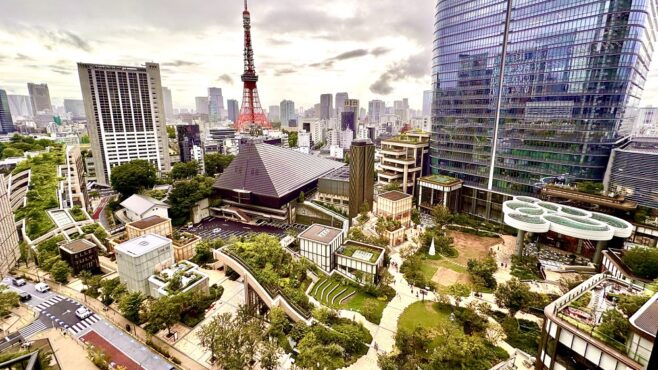
Tokyo soared to its highest-ever ranking, propelled by strides in livability, vibrant cultural exchanges, and enhanced urban amenities.
Other East Asian cities also surged in the rankings: Seoul climbed to sixth, Shanghai to eighth, Beijing to 12th, and Taipei to 24th. These cities thrived thanks to improved transportation, expanded tourist offerings, and richer cultural experiences.
Meanwhile, many Western cities grappled with soaring costs and dwindling global ties. London held onto first place for the 14th consecutive year, though its score dipped. New York slipped to third, while Paris and Amsterdam wrestled with steep expenses and challenges in drawing diverse talent.
The findings reveal that surging prices and shifting tourism trends are redrawing the map of urban competition. East Asian cities are seizing opportunities through tourism booms and new developments, while Western cities contend with financial headwinds and global upheaval.
Dubai, ranked ninth, was the sole Middle Eastern city in the top 30. Although it slipped one spot, the city made notable gains in cultural vibrancy, international conferences, and accessibility.
The GPCI evaluates the urban competitiveness of 48 major cities worldwide and is published by the Mori Memorial Foundation’s Institute for Urban Strategies, a research body established by Mori Building, one of Tokyo’s leading developers. The GPCI assesses cities using 72 indicators across six core urban functions: Economy, R&D, Cultural Interaction, Livability, Environment, and Accessibility.
AloJapan.com