
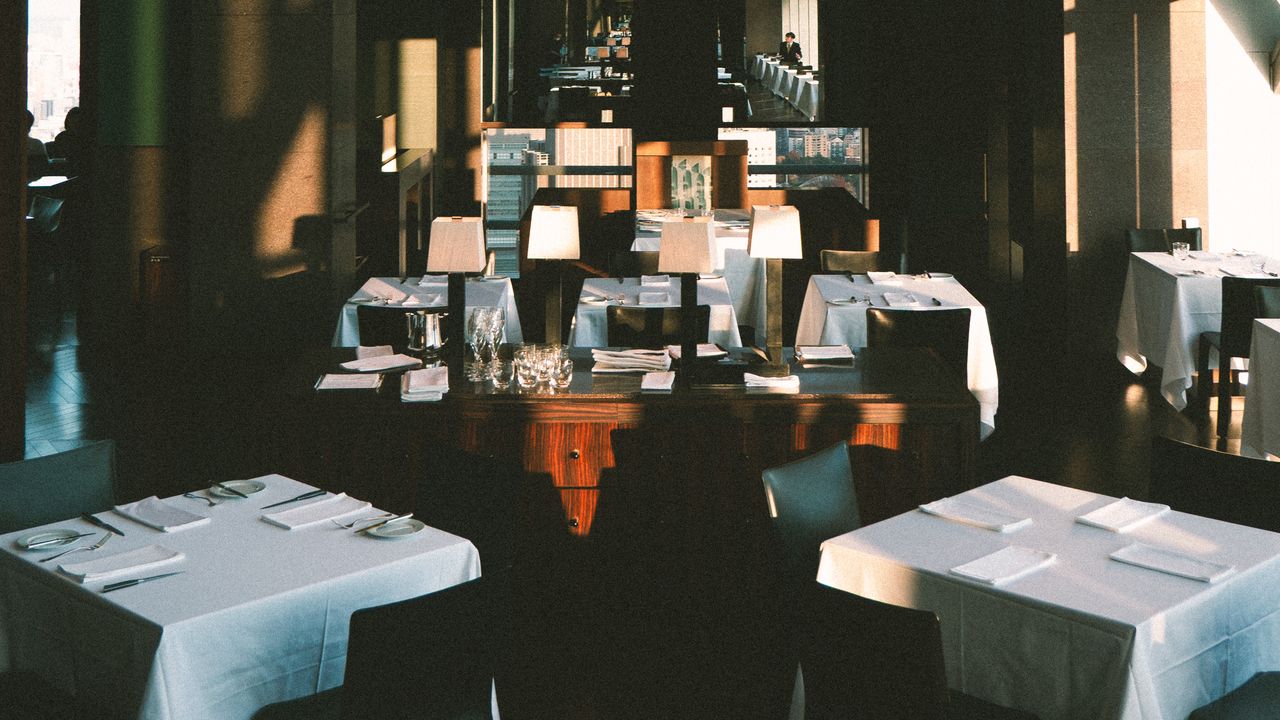
“Many people bring up that movie, and Tokyo, and the Park Hyatt to me,” says Coppola in a written note. “It’s a place I love, so I’m glad I could share it, and I will always appreciate how helpful they were to me during filming.” (Fautt, who has worked at the hotel since its pre-opening days, remembers that the Lost In Translation crew could film only in the afterhours—something like 1 a.m. to 5 a.m.—and that he’d often find Bill Murray resting on a settee on the 41st floor lobby).
Coppola added a separate but key point in our email conversation: “I was hoping they didn’t change the look of [the hotel during the renovation.] It has a quiet sophistication to me. When I went in the 1990s, I had never seen a place like that. It feels like an elegant blend of the East and the West.”

Photo: Yongjoon Choi
She and the hotel’s legions of other fans (myself included) can rest assured that very little feels immediately different. This was essential to the team; Fautt even goes so far as to say the update is more of a soft “renewal” versus a major overhaul. In public spaces, carpet colors remain similar to how they were before, including a famous cool-toned green—selected by the hotel’s first designer John Morford—that has become one of the property’s visual hallmarks. As is the woodwork, the art (some of it has been shifted to different locations), and the overall low-lit anterooms and hallways that give way to cinematic light-filled squares and pyramidical atriums, with windows overlooking the dense urban sprawl below, all the way out to the majestic Mount Fuji.
“For a project like this, the design challenge [was] like walking a tightrope,” said Patrick Jouin of Studio Jouin Manku, the firm tasked with the Park Hyatt Tokyo’s update, in a statement. “Do too much, and you risk disrespecting the past.”
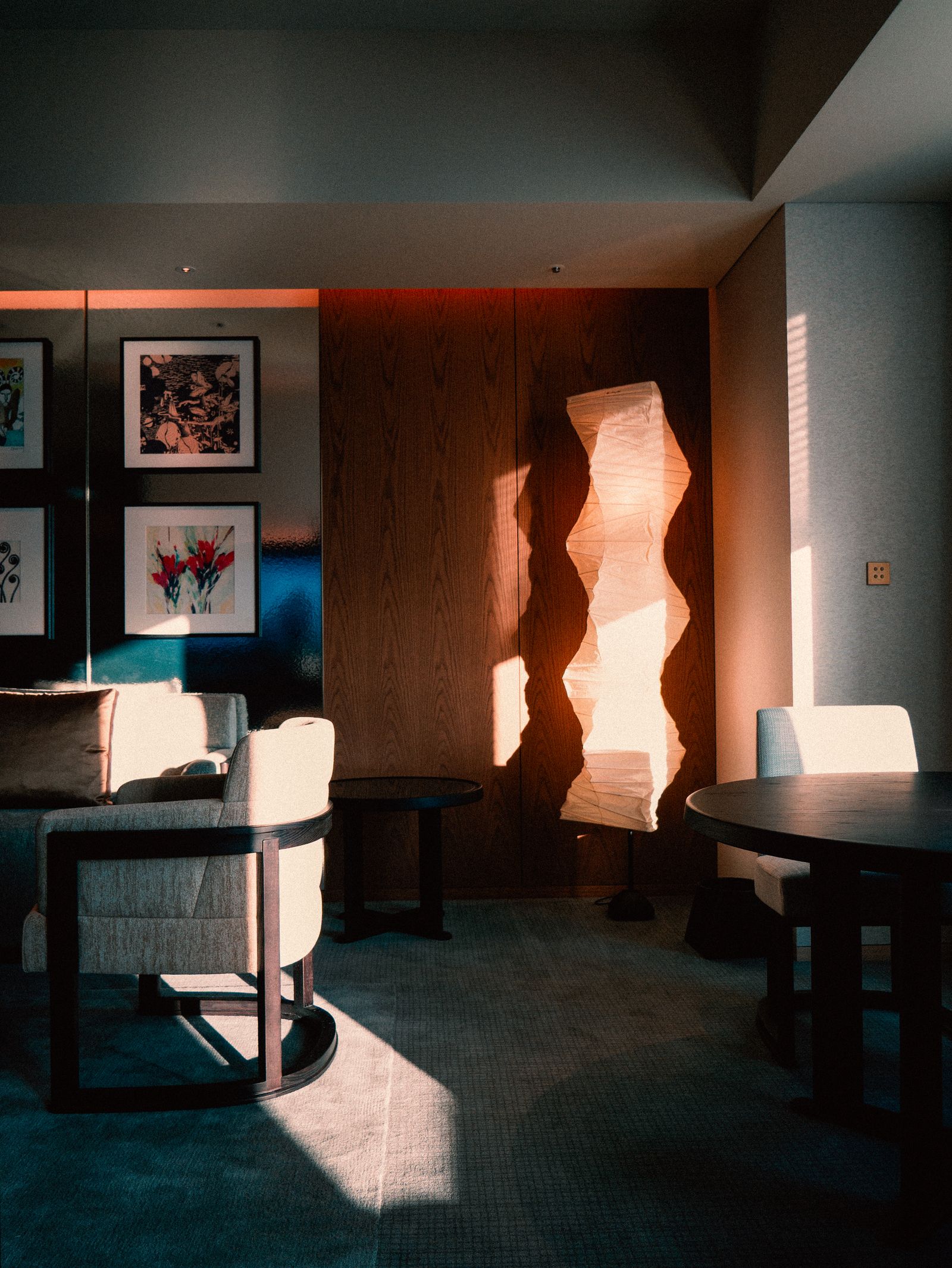
Photo: Nick Remsen
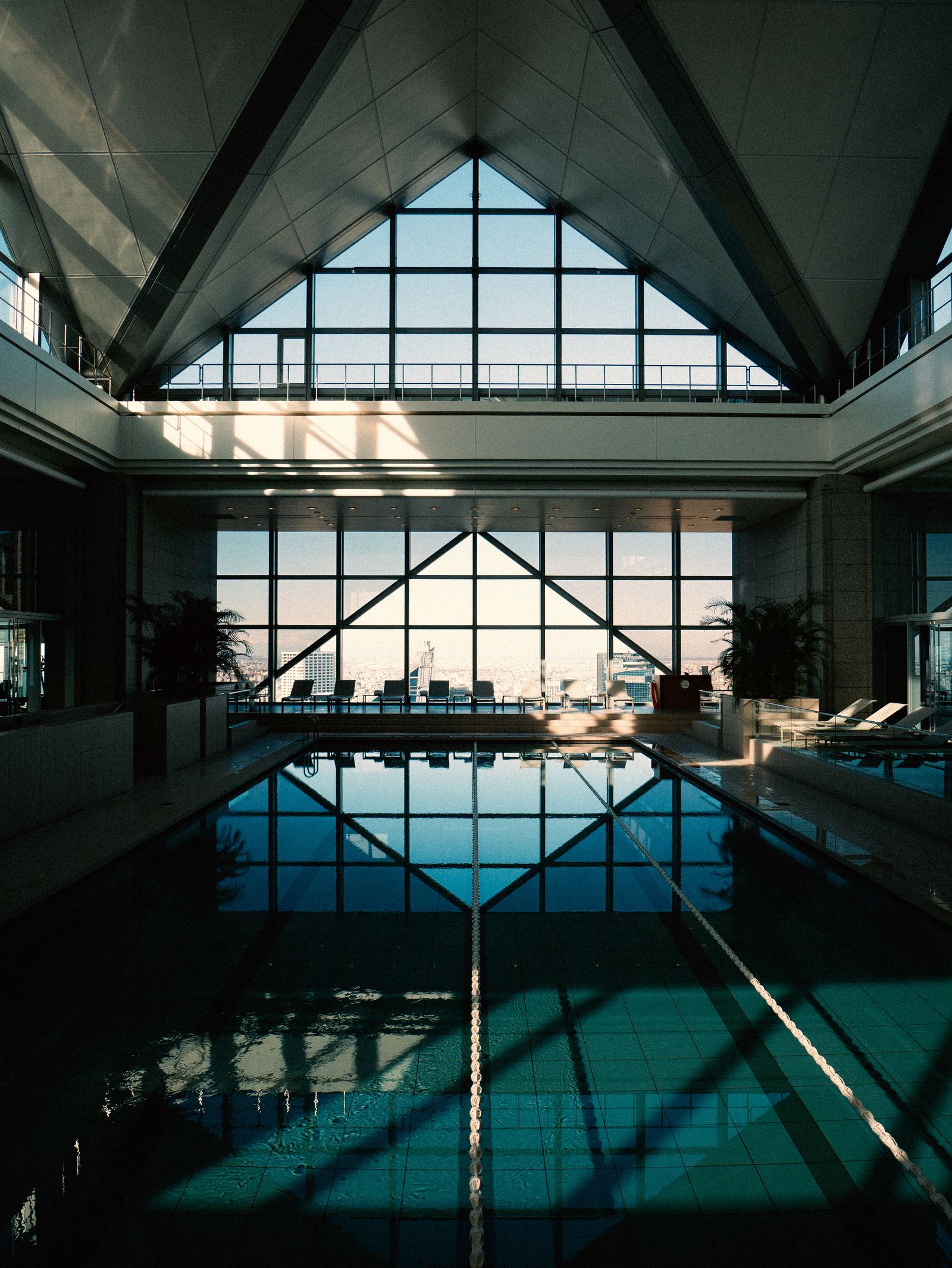
Photo: Nick Remsen
The biggest differences lie in the rooms themselves. Where once there were freestanding bathtubs and mostly right-angled finishes, lines have been smoothed and curved, bathrooms self-contained, and headboards lengthened and updated with a kind of clay-hued leather. The restraint and understatement are still very present, though. Sanjit Manku, Jouin’s professional partner, echos Coppola’s sentiment: “In a city as vibrant as Tokyo, silence itself can be a form of luxury. The hotel has always embodied a quiet strength. Our goal was to rekindle its warmth… while preserving its iconic character for the next 30 years.”
AloJapan.com