
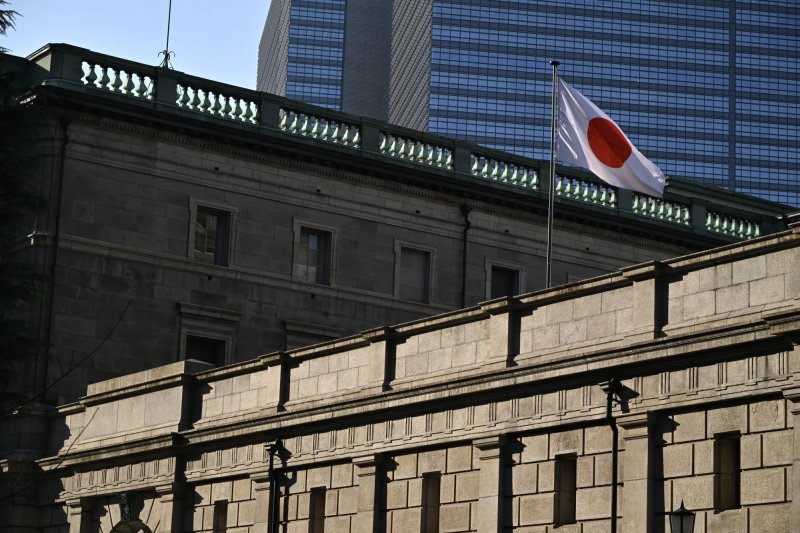
The Bank of Japan is widely expected to raise interest rates on Friday for the first time since January, taking them to their highest level in 30 years and potentially increasing volatility in debt markets.
Yields on Japanese government bonds have risen in recent weeks amid concerns over Prime Minister Sanae Takaichi’s budget discipline, while the yen has weakened. Higher BoJ rates make Japanese bonds more attractive, which lowers bond prices but drives yields—moving inversely—higher, News.Az reports, citing foreign media.
“So far, U.S. corporates have absorbed the burden of tariffs without fully passing them on to consumer prices,” BoJ Governor Ueda told the Financial Times.
Inflation in Japan has been above the central bank’s two-percent target for some time, with core consumer prices rising 3.0 percent in October.
“The urgency stems from policymakers’ recognition that the window for hiking will close once external headwinds intensify,” said BMI (Fitch Solutions) in a recent note.
The BoJ only began raising rates from below zero in March 2024. The US Federal Reserve is now going in the other direction and cutting rates.
The BoJ’s move should help keep inflation in check, which would be welcome news to Takaichi, Japan’s first woman prime minister.
She hopes to avoid the fate of her predecessor Shigeru Ishiba, who suffered a string of election debacles in part because of anger over rising prices.
The lower house last week approved an extra budget worth 18.3 trillion yen ($118 billion) to finance a major stimulus package to help households.
But more than 60 percent of the planned spending will come from government borrowing, rekindling market anxiety about Japan’s fiscal health.
The country already has the biggest ratio of debt to gross domestic product (GDP) among major economies, with the International Monetary Fund projecting it to hit 232.7 percent this year.
As well as pushing up bond yields, worries about Takaichi’s “responsible proactive fiscal policy” have added to pressure on the yen, which in turn fuels inflation since Japan is so reliant on imports.
“These factors will offset the effects of the economic stimulus measures and undermine the medium- to long-term stability of the economy and financial markets,” said Takahide Kiuchi at the Nomura Research Institute.
“This is the contradiction and weakness of the Takaichi administration’s proactive fiscal policy,” he said.
News.Az
AloJapan.com