
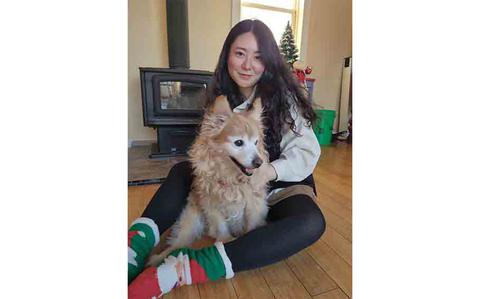
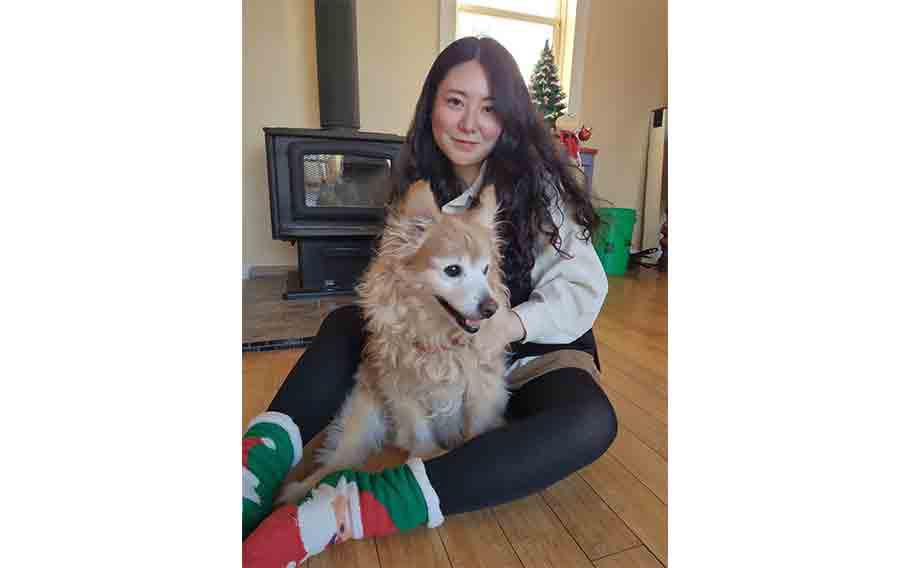
Hyemin with Glen (Photo by Hyemin Lee/Stripes Okinawa)
I grew up in Korea, where Christmas is a public holiday but not a traditional family gathering. Christmas in Korea means couples walking in crowded streets filled with lights or enjoying Baskin Robbins ice cream cakes or fried chicken with friends or family. It’s festive, but mostly commercial.
But when my husband Ryan, who was my boyfriend at the time, invited me to spend Christmas with his family in North Dakota a couple years ago, I knew it wasn’t just a casual invitation. This was the American version of bringing someone home for Seollal or a big family gathering. In Korea, that’s the kind of step couples take only when they’re planning a serious future together.
By the time I landed after a long flight, Ryan looked at my luggage and said, “Are you moving here?”
My three giant bags were filled with carefully chosen gifts for his family, plus outfits for every possible situation: meeting parents for the first time, meeting parents but slightly more casual, going out, staying in, and surviving the winter where the wind chill can drop to minus 50°F. I was fully ready for my first Christmas in North Dakota and my first time meeting my future family-in-law.
My first North Dakota winter
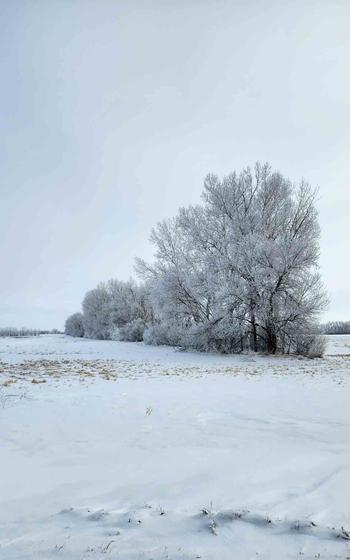
(Photo by Hyemin Lee/Stripes Okinawa)
To someone who grew up in Seoul, North Dakota was like a snow kingdom where you rarely see humans. Seoul is home to nearly 9.7 million people in a space you can cross in about an hour. North Dakota, on the other hand, has barely 790,000 residents, roughly one-twelfth of Seoul’s population, in land almost 300 times larger.
Snow was falling softly when we stepped outside. I slipped off my gloves to grab fresh snow. The cold hit like fire—sharp, almost electric. It felt as if my fingertips were being carved away.
“Will it snow on Christmas, too? Like a real white Christmas?” I asked.
“Snow?” Ryan exclaimed. “There’ll be a blizzard. Welcome to North Dakota.”
Meeting the family
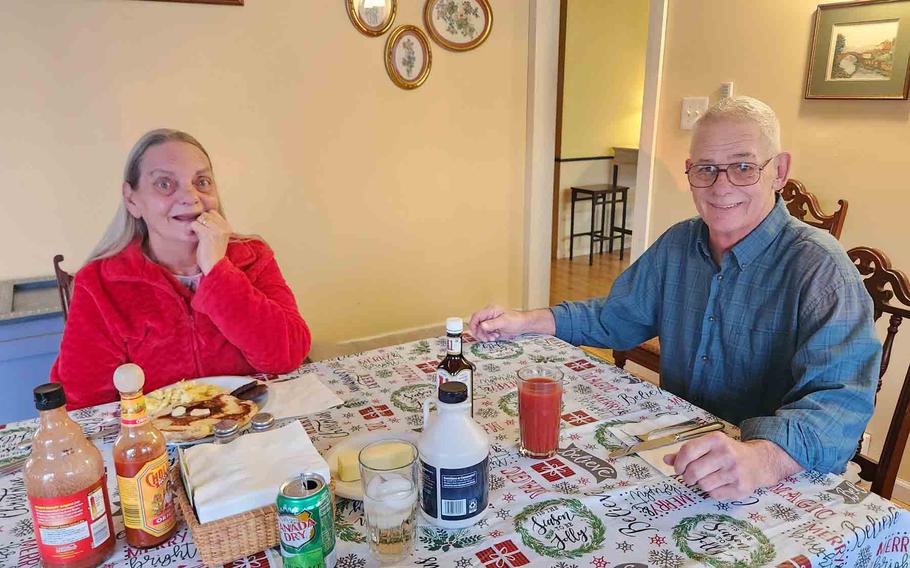
(Photo by Hyemin Lee/Stripes Okinawa)
When we arrived at his parents’ home, I was very nervous. I prepared myself with the full Korean daughter-in-law mindset. But the moment his mother opened the door, her eyes filled with tears.
“We’ve been waiting for you,” she said, hugging me like I was already hers. Ryan’s father welcomed me with a warm smile, and even their dog, Glen, rushed over as if he already knew I was part of the family.
Later I learned that Ryan’s parents had been studying about Korean history, language, culture, even current events because they wanted to understand where I came from. As someone raised in a culture where a future daughter-in-law must be formal, polite and careful to give a good impression, this kind of thoughtful welcome felt almost overwhelming, but overwhelmingly warm.
So, when his mother said, “You can call me Kim,” I froze.
Calling my future mother-in-law by her first name? I spent the entire night debating my Korean upbringing against the American openness I was invited to. By the next morning, I gathered my courage and asked, “Would it be okay if I call you Mom and Dad?”
They lit up. “That’s even better,” they said. In that moment, I felt truly welcomed as their new daughter.
Christmas morning
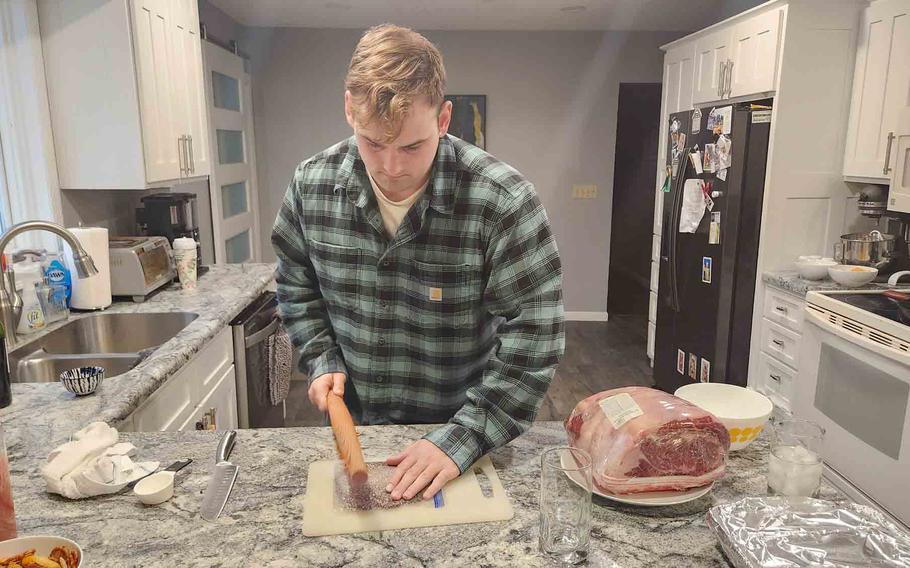
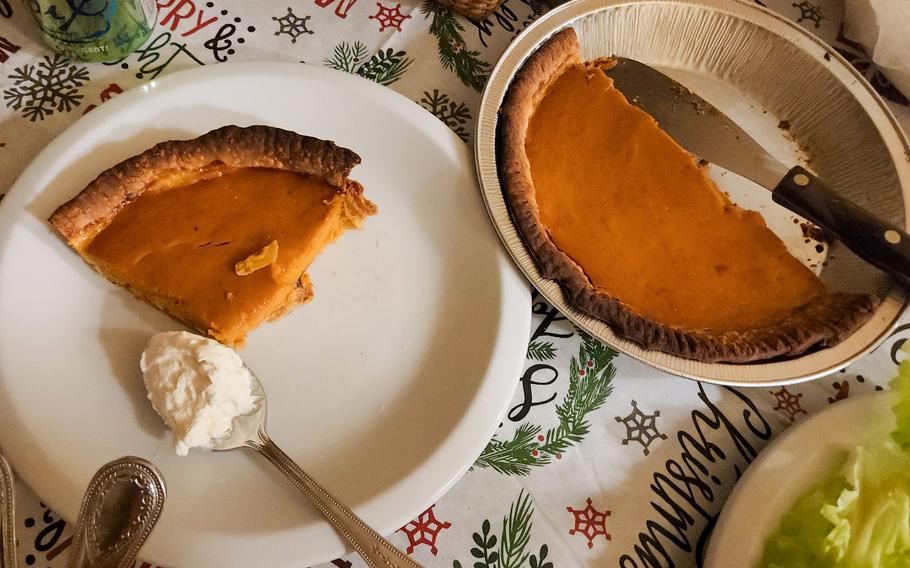
On Christmas Day, when I woke up, Glen was already waiting for me outside my door like a furry little guard. In the kitchen, Dad prepared a thermos of green tea just for me and, to my surprise, a homemade pumpkin pie. I had mentioned once that I loved pumpkin pie but rarely had the chance to eat it in Korea and he remembered.
(Photo by Hyemin Lee/Stripes Okinawa)
(Photo by Hyemin Lee/Stripes Okinawa)
(Photo by Hyemin Lee/Stripes Okinawa)
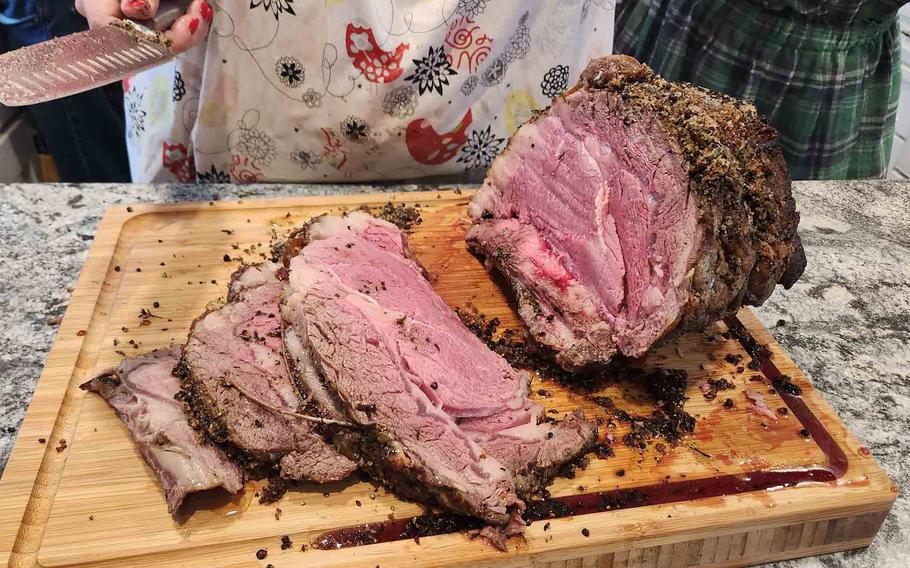
The whole house smelled warm and sweet: fresh cinnamon rolls, roasting beef, cakes and homemade snacks. Outside, snow blanketed the yard, but the kitchen was full of laughter, decorations and heat from the oven.
In the living room, stockings hung for each family member. The glittering tree looked like a time-consuming art project, and beneath it, wrapped gifts were stacked so beautifully. It felt like I had stepped into one of the American Christmas movies I grew up watching. Ryan always said, “I barely know my family’s birthdays, but on Christmas, I try to give them the best gifts I can.”
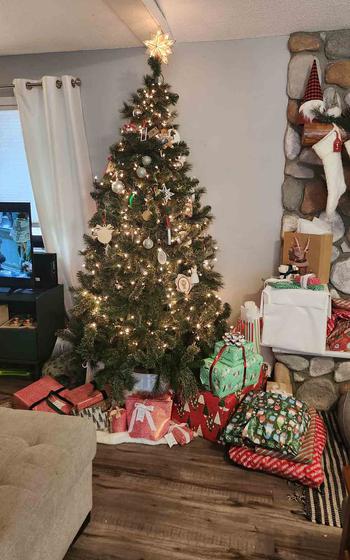
Christmas tree (Photo by Hyemin Lee/Stripes Okinawa)
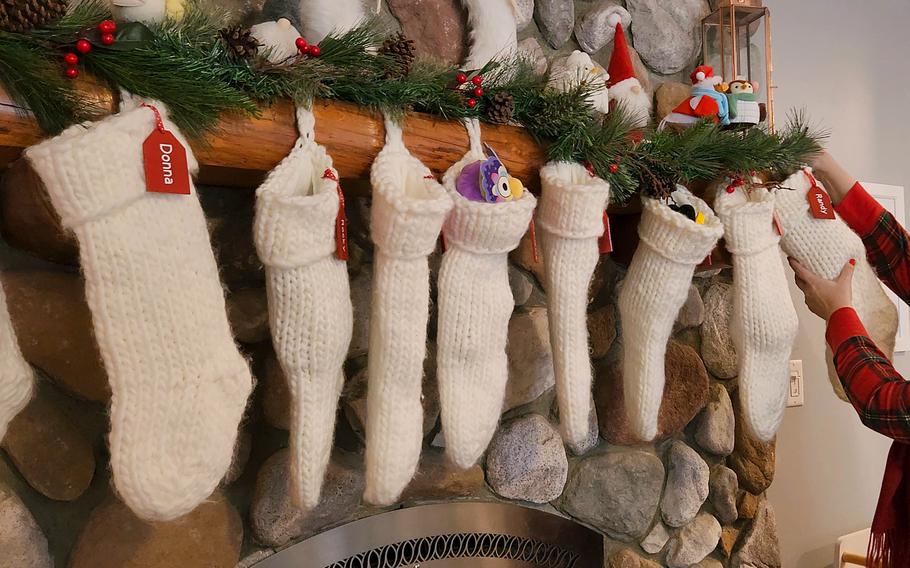
Christmas stockings (Photo by Hyemin Lee/Stripes Okinawa)
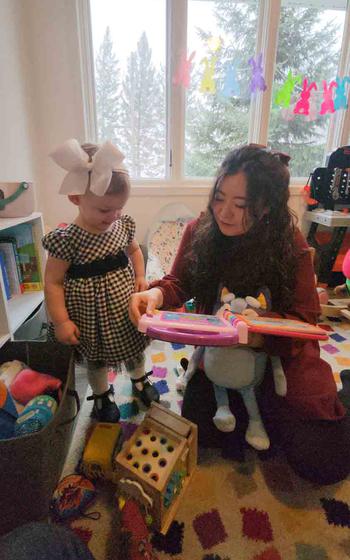
(Photo by Hyemin Lee/Stripes Okinawa)
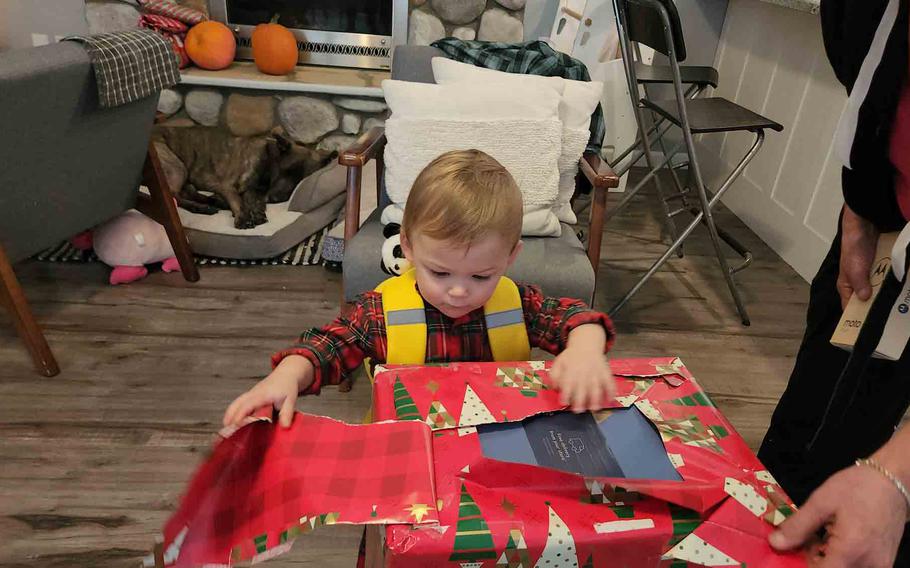
(Photo by Hyemin Lee/Stripes Okinawa)
In Korea, we don’t usually exchange Christmas gifts unless parents give presents “from Santa” or couples share something romantic. But here, everyone had prepared gifts for every single person in the family.
I placed the wrapped gifts I brought for everyone under the tree. They opened them with the kind of excitement people show for something meaningful.
Then it was my turn. I was surprised to see that Ryan’s parents, his brother, and his sister-in-law had all prepared gifts for me, too. They said it finally felt like the family had become complete.
Mom handed me a package wrapped in red Christmas paper. Inside was a cashmere shawl. “I hope you feel warm as if I’m holding you even when we’re far away,” she said.
On the table, I noticed the ginger ale cans I casually mentioned liking before. Dad had ordered extra and said, “Just in case you wanted more.”
It was love, the kind that makes you feel seen without needing any words.
The last day
Before I flew back to Korea, Ryan gathered his family in the living room. My heart pounded because I knew that look on his face. Right there, he knelt and asked me to marry him. Mom cried again.
“I knew you were going to be our daughter,” she said.
“You are our best Christmas gift.”
Standing there with the ring on my finger, the shawl around my shoulders, and snow falling gently outside, Christmas became the day I gained a new family and a new place to belong.
AloJapan.com