
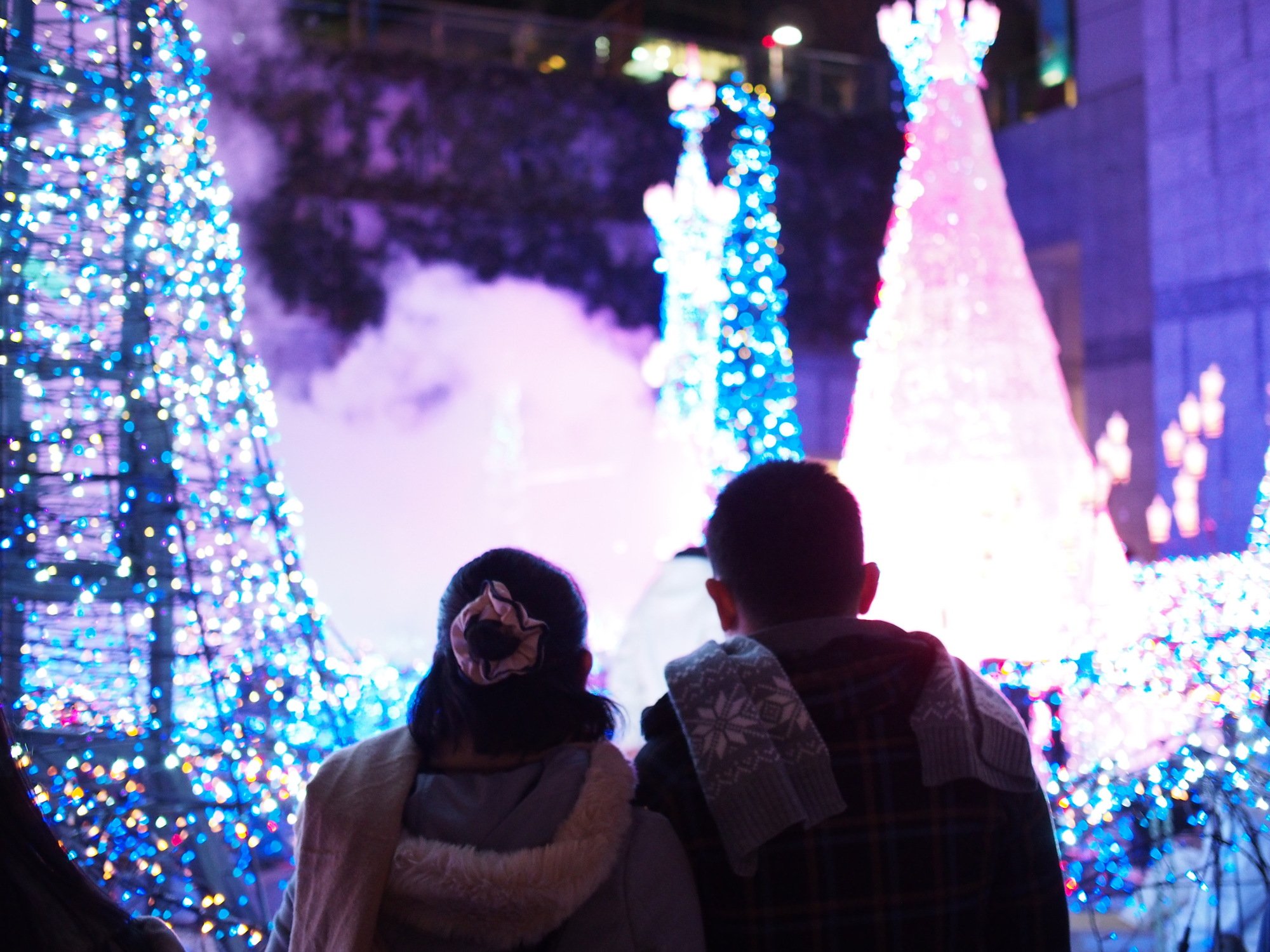
It’s beginning to look a lot less like Christmas. In Japan, at least. The nation, where less than 1% call themselves Christian, has never had any strong religious connection to the holiday. Here’s why many say their commercial connection to the holiday is also waning (if it ever existed).
Who took the Christ out of Christmas? The economy
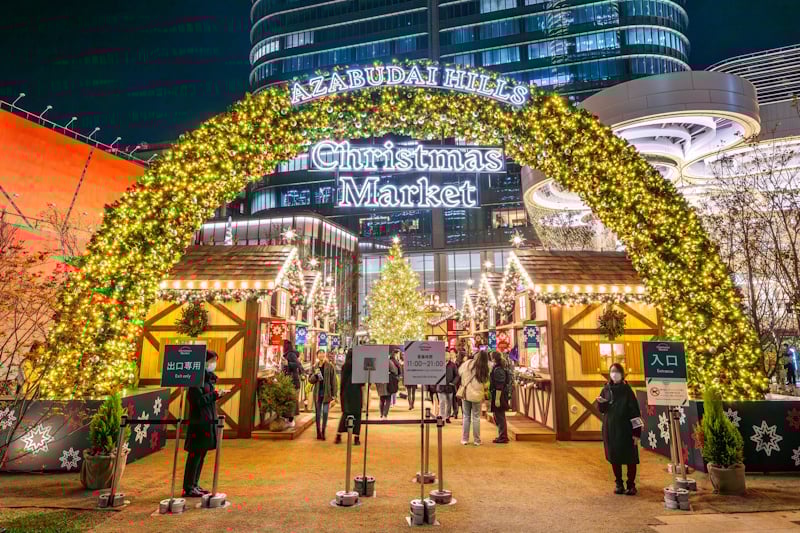 Picture: genki / PIXTA(ピクスタ)
Market research firm Intage surveyed 5,000 people aged 15 to 79. The survey found that 54.1% reported no Christmas plans, up three points from last year. This is the highest level since the survey began, showing a clear shift in holiday behavior.
Many respondents said Christmas no longer feels necessary. The most common reason was a lack of interest or habit, cited by 31.1%. Another 16.2% said they wanted to avoid spending money. Some respondents also mentioned having no one to spend time with or being busy with work or school. Economic pressure and changing lifestyle priorities clearly shape these decisions.
Even people with plans reduced their activities. Fewer respondents planned to buy gifts compared with last year. Fewer respondents planned home parties as well. The findings suggest an overall shrinkage of Christmas events, indicating a shift toward more private and low-cost celebrations.
Average spending also remained low. Respondents with plans reported an average budget of 16,418 yen ($109), barely changing from last year’s reduced level. Spending stayed far below the levels seen two years ago, when the average exceeded 22,588 yen ($150). Researchers linked these trends to economic uncertainty and stagnant real wages. Many households now prioritize stability over seasonal celebrations. Christmas increasingly feels optional rather than essential.
The data paints a picture of a subdued holiday season. Japanese consumers appear cautious and restrained. Traditions continue, but enthusiasm has clearly weakened.
Christmas consumption shrinks as budgets stay tight
Christmas spending in Japan continues to decline. The overall market reached about 727 billion yen ($4.85 billion) this year, falling for the second consecutive year. The market now stands at roughly two-thirds of its size two years ago. Analysts attribute much of the decline to the rising number of people skipping Christmas events entirely.
Lower participation drove a significant drop in gift purchases. Others scaled back their plans and reduced spending on decorations or dining out. The survey showed reduced gift buying across all age groups. Average budgets failed to recover. Consumers spent about 16,418 yen ($109) on Christmas activities, the same historically low level as last year. Two years earlier, the average exceeded 22,588 yen ($150).
Researchers linked this stagnation to inflation and weak real wage growth. Households increasingly reassess nonessential spending, including seasonal events. Calendar factors also played a role.
Planning a trip to Japan? Get an authentic, interpreted experience from Unseen Japan Tours and see a side of the country others miss!

“Noah [at Unseen Japan] put together an itinerary that didn’t lock us in and we could travel at our own pace. In Tokyo, he guided us personally on a walking tour. Overall, he made our Japan trip an experience not to forget.” – Kate and Simon S., Australia

See a side of Tokyo that other tourists can’t. Book a tour with Unseen Japan Tours – we’ll tailor your trip to your interests and guide you through experiences usually closed off to non-Japanese speakers.


Want more news and views from Japan? Donate $5/month ($60 one-time donation) to the Unseen Japan Journalism Fund to join Unseen Japan Insider. You’ll get our Insider newsletter with more news and deep dives, a chance to get your burning Japan questions answered, and a voice in our future editorial direction.
Both Christmas Eve and Christmas Day fell on weekdays, discouraging travel, dining, and large gatherings. Consumers favored simpler, home-centered celebrations instead.
Despite overall restraint, some traditions remained stable. About 40% of respondents still planned to eat Christmas cake. Cake purchases concentrated on mid-range prices, mostly between 3,000 and 4,000 yen ($20–$27). Demand focused heavily on December 24 and 25, showing that celebrations remain short and concentrated. Consumers avoided spreading spending across multiple days. Christmas in Japan now emphasizes modest enjoyment over spectacle, with traditions maintained but scaled down.
How Christmas took root in Japan
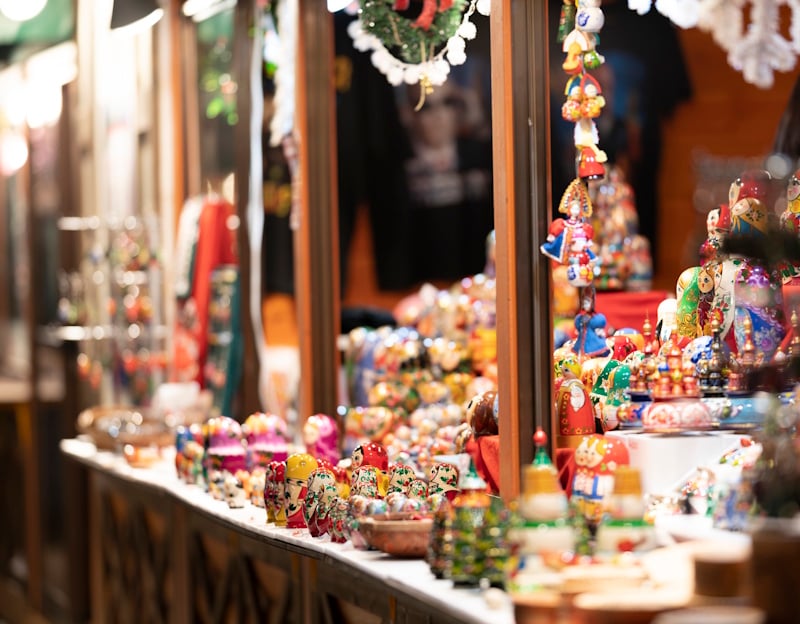 Picture: YsPhoto / PIXTA(ピクスタ)
Christmas arrived in Japan during the Meiji era, initially as a religious observance among Christian communities. By the late nineteenth century, imported goods expanded their reach, including Christmas cards, small gifts, and decorations. Japanese media soon adopted Christmas imagery. A children’s story featured an early Japanese Santa figure carrying gifts and signing letters as “Santa Kuro.” Newspapers also featured Santa Claus in advertisements, signaling the holiday’s increasing commercial appeal.
Retailers quickly recognized Christmas’ marketing potential. Meidi-ya decorated its Ginza store with Christmas ornaments inspired by European traditions. These displays marked an early form of Christmas promotion. Department stores soon followed, launching Christmas sales during the Taisho era. Stores combined foreign imagery with commercial messaging. Over time, Christmas gradually shifted from a religious occasion to a retail-centered celebration.
After World War II, celebrations expanded rapidly as economic growth boosted consumer spending. Families embraced gift-giving and festive foods. Christmas cakes gained popularity during this period, especially as sugar and flour became more available. Food companies helped standardize customs, with department store chain Fujiya selling early Christmas cakes as luxury items.
During the bubble economy of the 1980s and early 1990s, Christmas reached peak extravagance. Couples exchanged expensive jewelry and luxury goods. That era shaped modern expectations for romantic and high-cost celebrations. Today’s quieter Christmas contrasts sharply with that of the past, reflecting both changing social habits and economic pressures.
Rising costs reshape holiday behavior
Rising prices strongly influence Christmas behavior in Japan. Inflation accelerated after 2021 across food, energy, and other sectors. Consumer prices climbed steadily through 2025. Government data shows prices rose over 11% since 2020. That means households now face higher daily expenses, particularly for essentials like groceries, electricity, and fuel.
Imported goods drive much of the inflation, and Japan relies heavily on imported energy and food. Global commodity prices rose sharply, and a weaker yen magnified increases domestically. Energy costs climbed due to global instability, disrupted supply chains, and rising logistics and labor costs. Companies have largely passed these costs on to consumers, who struggle to keep up as real wages lag behind.
Planning a trip to Japan? Get an authentic, interpreted experience from Unseen Japan Tours and see a side of the country others miss!
“Noah [at Unseen Japan] put together an itinerary that didn’t lock us in and we could travel at our own pace. In Tokyo, he guided us personally on a walking tour. Overall, he made our Japan trip an experience not to forget.” – Kate and Simon S., Australia
See a side of Tokyo that other tourists can’t. Book a tour with Unseen Japan Tours – we’ll tailor your trip to your interests and guide you through experiences usually closed off to non-Japanese speakers.
Want more news and views from Japan? Donate $5/month ($60 one-time donation) to the Unseen Japan Journalism Fund to join Unseen Japan Insider. You’ll get our Insider newsletter with more news and deep dives, a chance to get your burning Japan questions answered, and a voice in our future editorial direction.
Christmas spending reflects these pressures clearly. Many respondents explicitly cited saving money, while parents reported stronger budget concerns. Families balanced children’s expectations with financial limits. Economists expect inflation to ease gradually, but structural pressures remain. Labor shortages may sustain higher prices for some goods and services. Consumers may continue cautious habits.
Christmas now reflects broader economic realities, with celebration choices mirroring everyday financial decisions. The holiday highlights Japan’s ongoing cost-of-living challenge while traditions continue, often in smaller, simpler forms.
Sources
クリスマスの“予定はなし”が半数超 物価高で節約志向強まる テレビ朝日
クリスマス”予定なし”54%前年から3ポイント増 FNNプライムオンライン
クリスマスいつから日本に定着した? 0テレNEWS
日本の物価高はなぜ起きる?原因や影響、対策を解説 SMBC
AloJapan.com