
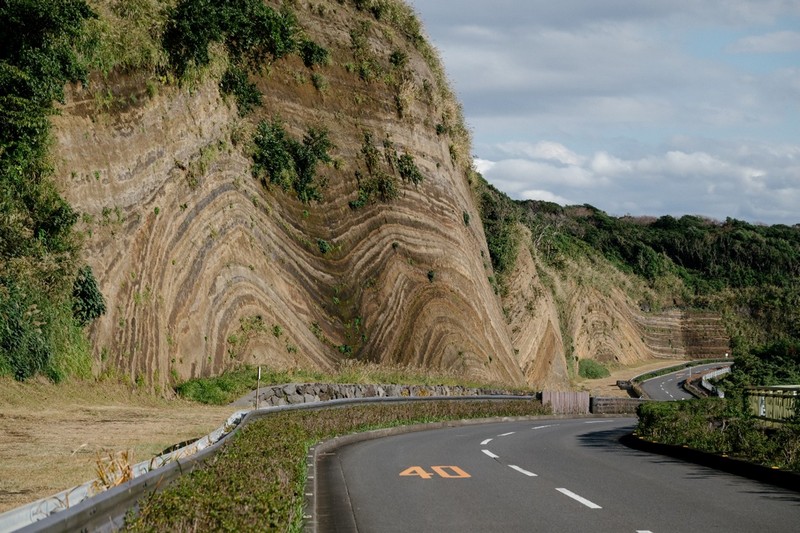
Just south of Tokyo, the Izu Islands, a chain of nine volcanic islands that are part of Tokyo, feel worlds apart from the city.
Every year, visitors are drawn to their peculiar geological landscapes, rich flora and fauna, and crystal-clear seas, making the islands a perfect destination for those seeking tranquility and natural beauty close to Tokyo.
Recently, small expedition cruise ships like the Coral Adventurer (5,516t) and the Heritage Adventurer (8,445t) have started calling at Oshima and Miyakejima, spotlighting them as new expedition-cruise destinations. These islands are accessible by Zodiac boats.
Recently, small expedition cruise ships like the Coral Adventurer (5,516t) and the Heritage Adventurer (8,445t) have started calling at Oshima and Miyakejima, spotlighting them as new expedition-cruise destinations. These islands are accessible by Zodiac boats.
Let’s take a closer look at the islands of Oshima, Kozushima, and Miyakejima:
Blooming Oshima
Oshima, the largest and most populated of the Izu Islands, was born from ancient volcanic activity. After three early volcanoes eroded away, a new eruption formed the island tens of thousands of years ago. About 1,700 years ago, a massive eruption created a caldera, giving rise to Mount Mihara, the island’s central volcano, which remains active and last erupted in 1986. The Volcano Museum on Izu Ōshima offers an immersive look into the island’s volcanic origins and the concept of geoparks — an ideal place to start before venturing out to explore the island.
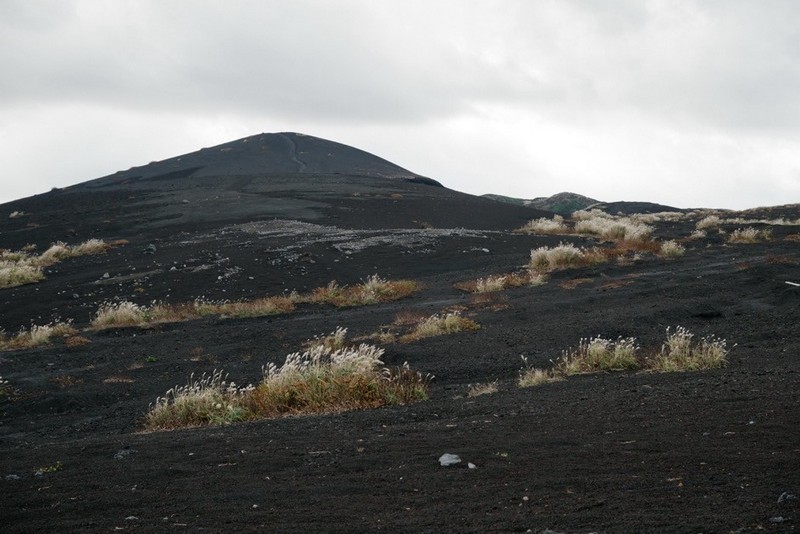
Oshima is home to Japan’s only officially designated desert, an expanse of deep black sand shaped by centuries of volcanic eruptions. Layers of ash, or “scoria”, have created a moon-like landscape that feels almost otherworldly. Where the black sands meet the vivid blue sea, the view is simply breathtaking and among the island’s most memorable landscapes.
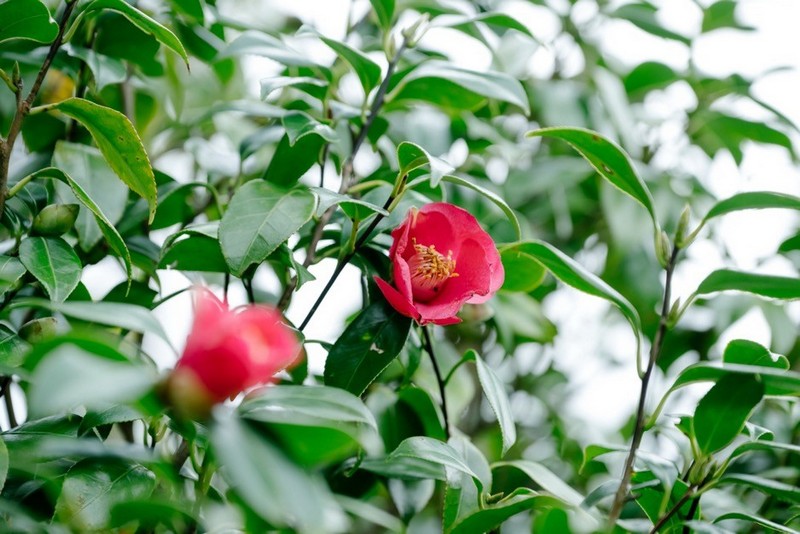
Izu Oshima boasts over 300 varieties of camellias, its beloved symbol. From December to April, the blooms can be admired around the island and at Oshima Park’s Camellia Garden, one of Japan’s largest, spanning seven hectares and featuring around 1,000 cultivated varieties, 3,200 camellia trees, and 5,000 native Yabutsubaki.
At the Oshima Furusato Taikenkan near the port, visitors can experience traditional camellia oil pressing and learn about the island’s culture and way of life.
Wild Kozushima
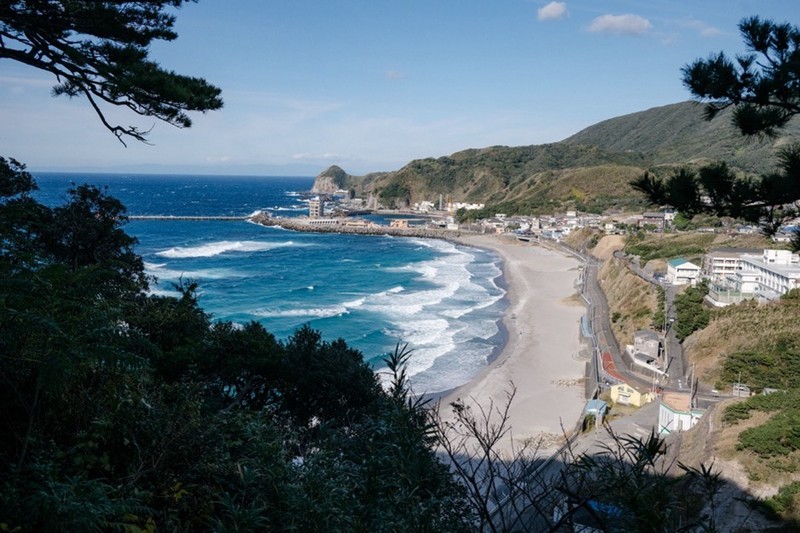
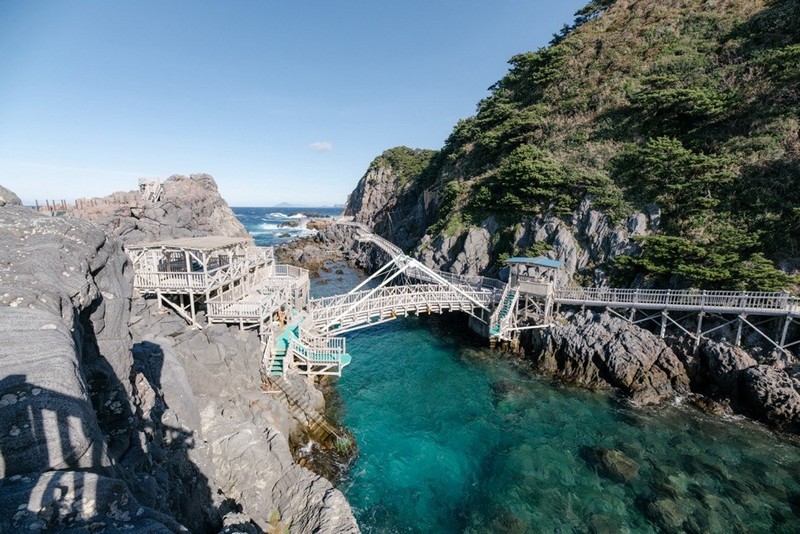
Kozushima, with wild white-sand beaches, is a rare gem for snorkeling, diving, hiking, and stargazing. Its name, meaning “where the gods gather,” reflects the island’s deep ties to Japanese mythology. Kozushima is home to Tokyo’s only two Myojin Taisha, highly ranked Shinto shrines dedicated to powerful deities. Don’t miss paying them a visit when you’re on the island.
During the day, snorkel or dive in Akasaki Promenade, a natural cove with boardwalks and jumping platforms where fish swim beneath your feet. White-sand beaches like Maehama, Nagahama, and Sawajiri invite slow days of swimming, picnicking, and seaside relaxation.
High above the shoreline, you’ll find Mount Tenjō rising in the island’s centre. A hike to its summit rewards you with stunning views of the Pacific Ocean and even glimpses of Mount Fuji in the distance on a clear day.
At night, the island transforms again: Kozushima has one of Japan’s darkest night skies. The island was officially designated an “International Dark Sky Park” in December 2020, making it a paradise for stargazers and nature-lovers alike.
Resilient Miyakejima
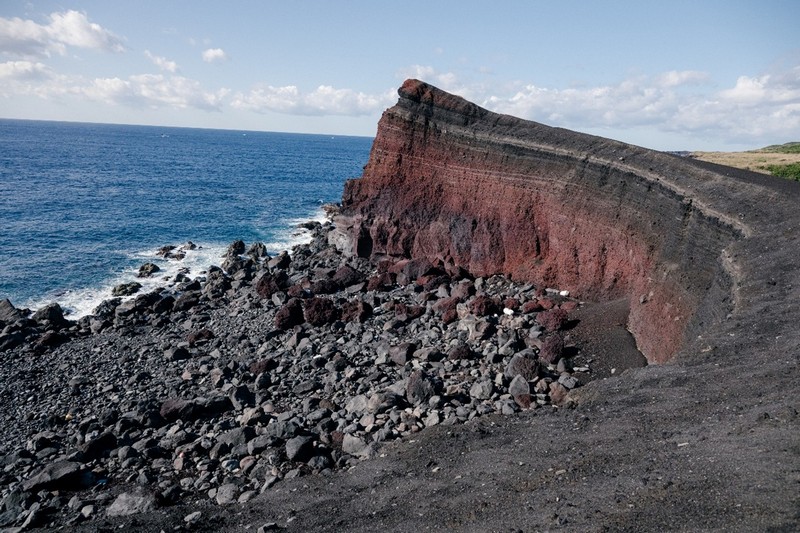
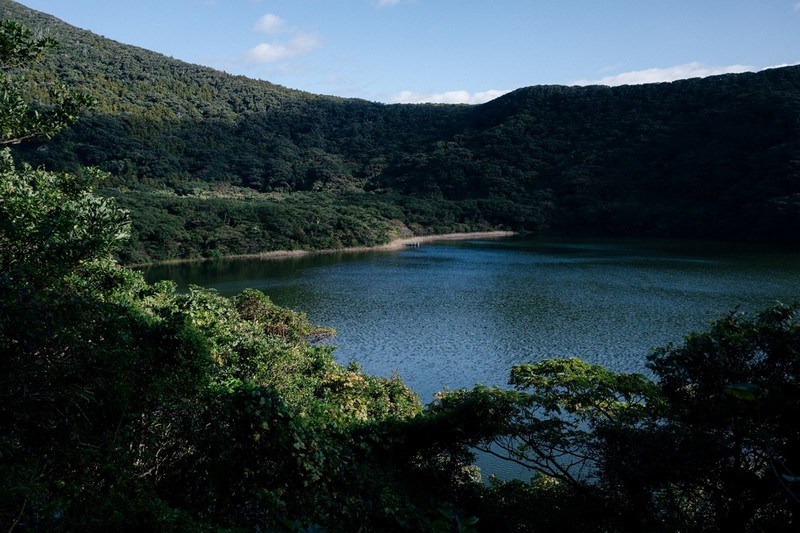
Situated about 180 kilometers south of Tokyo, Miyakejima is a volcanic island defined by the interplay between natural forces and human resilience, and stands as a vivid example of the balance between volcanic destruction and the quiet persistence of life.
Its five villages have been shaped by centuries of eruptions, including the 1983 event that destroyed over 400 houses in Ako village, a reminder that the island remains active. Yet, life has adapted impressively: evergreen sudaji trees forests flourish year-round, standing as both shields against eruptions and symbols of the island’s enduring ecosystem. After every eruption, pioneer plants such as Japanese silver grass, island alder and hachijo Japanese knotweed slowly reclaim the lava fields, beginning a thousand-year process of renewal.
With over 3,000 millimeters of rainfall each year, nearly double Tokyo’s, Miyakejima supports rich wildlife. The island is a paradise for birdwatchers, especially between April and June, when the rare akakokko thrush sings from the forest canopy.
Spring and summer invite hikers, divers, and dolphin watchers, while winter reveals the island’s raw volcanic terrain for geo-trekking and opens the whale watching season.
Exploring Miyakejima by bicycle or on foot feels like stepping into a living laboratory of volcanic ecology.
Learn More: Izu & Ogasawara islands (Bonin islands) travel guide | The Official Tokyo Travel Guide, GO TOKYO
AloJapan.com