
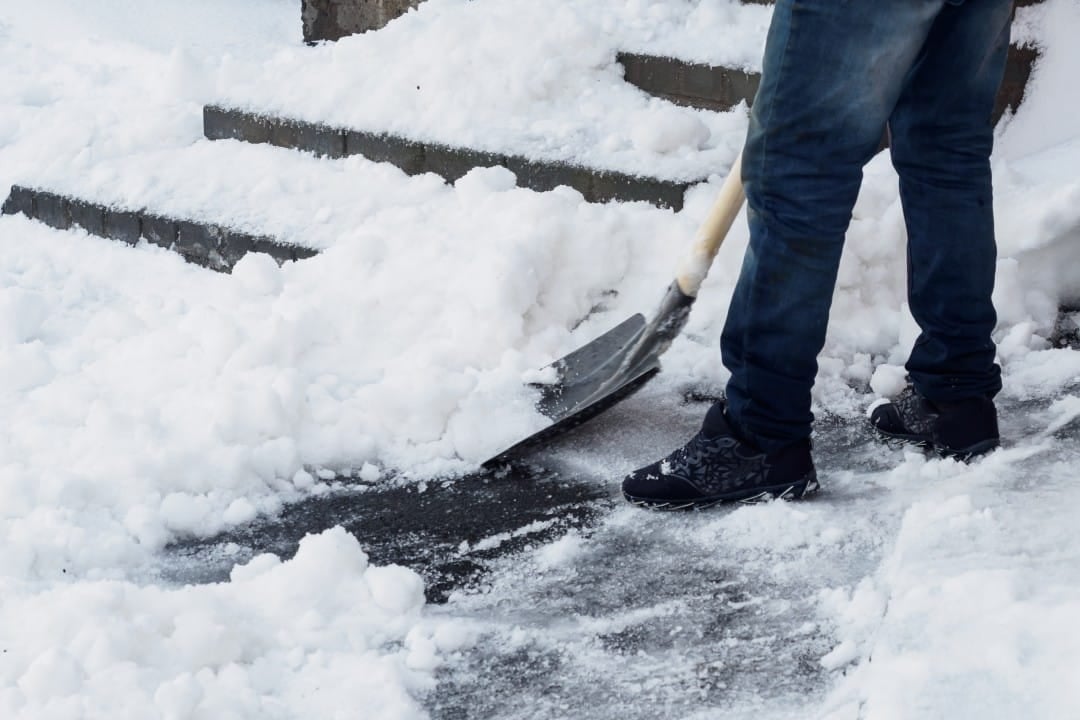
A rapidly developing low pressure affected Hokkaido this Monday, December 15, 2025, causing intense snowfall and strong winds in several regions. The storm caused significant accumulations of snow, with forecasts of up to 80 cm in areas such as the Mar side of Okhotsk, as well as blackouts that affected thousands of homes. Autoridades issued warnings for heavy snow and snowstorms, recommending that the population avoid unnecessary travel.
The low pressure system has advanced through the region since the previous night, intensifying wet and heavy snowfall. In places such as the interior of Tokachi and Okhotsk, vehicles were partially buried after rapid accumulations overnight. The combination of intense snow and gusty winds created almost zero visibility conditions on roads and urban areas.
Far East: accumulations of up to 61 cm in 12 hours at points like Shirataki.
North Hokkaido: similar records in Rubeshibe, 60 cm.
Obihiro: increase of more than 30 cm the night before.
These marks highlight the rapidity of the accumulation, which continued throughout the morning.
Recorded accumulations and forecasts
The snow was initially concentrated on the Pacific side of Tokachi during the morning, later migrating to Mar of Okhotsk. Até early in the morning, several stations recorded significant increases in accumulation, with peaks in rural and mountainous areas. Previsões indicated another 30 cm to 50 cm in isolated locations by the end of the day, increasing the risk of isolating communities.
The heavy, wet snow made it easier to stick to electrical wires, contributing to power outages. Regiões like Kushiro, Eri mo and Abashiri faced the biggest impacts, with peaks of more than 20 thousand homes without power at critical times. Equipes maintenance personnel worked to restore service, but persistent winds complicated operations.
Impacts on the electrical grid
Blackouts have affected wide areas of the east and north of Hokkaido since dawn. Cidades and Abashiri registered thousands of homes without electricity, while Kushiro and Eri had significant cuts. Moisture from the snow increased the weight on cables, causing falls and damage to poles.
Some schools in affected areas suspended classes, and residents were advised to save energy. Gradual recovery occurred throughout the day, but warnings remained for possible further disruptions.
Disruptions to rail and road transport
JR Hokkaido canceled or partially changed 77 trains, including specials connecting Sapporo to Abashiri and Kushiro. Linhas affected included main routes, impacting thousands of passengers. Operadoras of interstate buses also suspended dozens of trips between cities such as Sapporo, Obihiro and Kitami.
Highways faced closures due to snow accumulations and drifts, with avalanches reported on sections such as the national route in Sounkyo. Autoridades recommended checking conditions before traveling, prioritizing safety.
Train cancellations → affected main connections.
Bus suspensions → included routes to the interior.
Roadblocks → occurred in mountainous areas.
Flights in New Chitose → more than 40 cancellations affected domestic calls.
These preventative measures minimized risks but caused widespread delays.
Windy conditions and reduced visibility
Strong winds accompanied the blizzard, with maximum instantaneous gusts above 32 m/s in Abashiri and Kushiro. The combination generated intense blizzards, reducing visibility to almost zero in coastal and inland areas. Drifts of snow blocked secondary roads, increasing the danger of strandings.
Snow squall warnings focused on the coast from Mar to Okhotsk, where winds persisted throughout the day. Especialistas advised avoiding going out, especially in vehicles, due to the risk of prolonged isolation.
Recommended precautionary measures
Authorities reinforced the need to prepare for adverse conditions in Hokkaido during winter. Residentes must maintain supplies such as food, water and alternative heat sources in case of prolonged blackouts. Motoristas need to equip vehicles with winter tires and emergency kits.
Check weather forecasts regularly.
Avoid non-essential travel during advisories.
Prepare flashlights and batteries for power outages.
Maintain greater distance on snowy roads.
These guidelines help reduce risks associated with heavy snowfall.
Regions most affected by snowfall
Tokachi and Okhotsk stood out as areas of greatest accumulation, with forecasts of up to 80 cm in 24 hours. Zonas initial pacific and then northern coastal areas concentrated the most severe impacts. Cidades as well as Obihiro and Kitami recorded rapid increases, affecting daily activities.
Other parts of Hokkaido faced moderate to heavy snow, but with intense winds adding to difficulties. The transition to more stable conditions occurred gradually towards the end of the day, but vigilance remained for remnants.
The December 15 storm illustrated the intensity of low pressure systems in the Japanese winter at Hokkaido. Acumulações Rapid and strong winds caused widespread disruption, but coordinated responses minimized further damage. Continuous Monitoramento ensures safety in similar events.
AloJapan.com