
We may earn revenue from the products available on this page and participate in affiliate programs.
Sign Up for Domino’s Newsletter
Your daily dose of home tours, design news, and style inspiration.
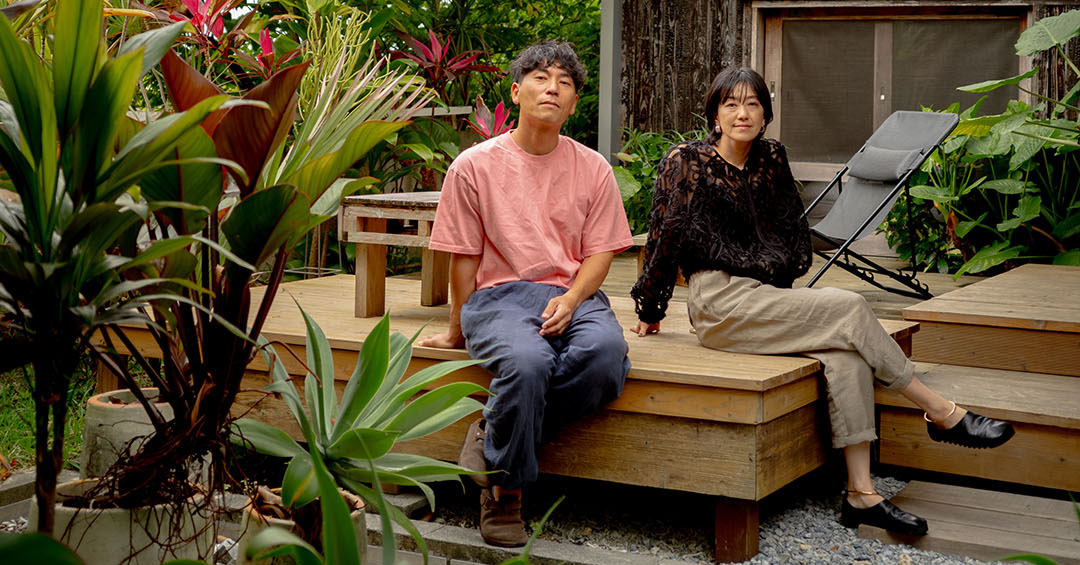
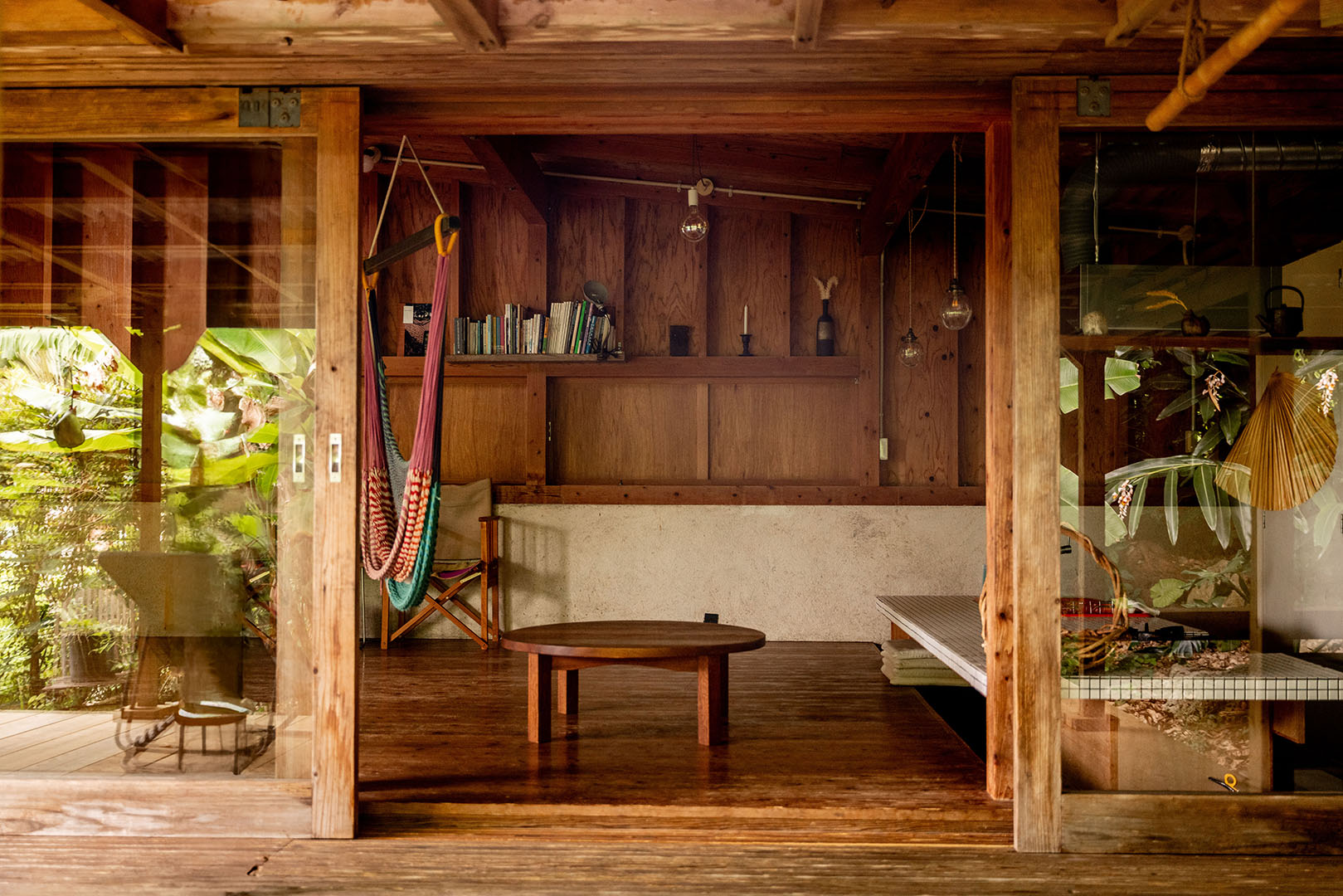
Never in a million years did Koji Inafuku think he’d build one home—let alone two—on his late grandfather’s farm in the Japanese city of Nanjo. “It was never part of the plan,” says Inafuku. “But when my father inherited the land, he suggested that my sister and I build houses there.” So, back in 2010, they did—but not before tapping a talented architect friend, Hiroyuki Yamaguchi, and showing him a photo of a warm and minimal wooden cabin by Yoshifumi Nakamura. “I told him, ‘I want to build something like this,’” Inafuku recalls.
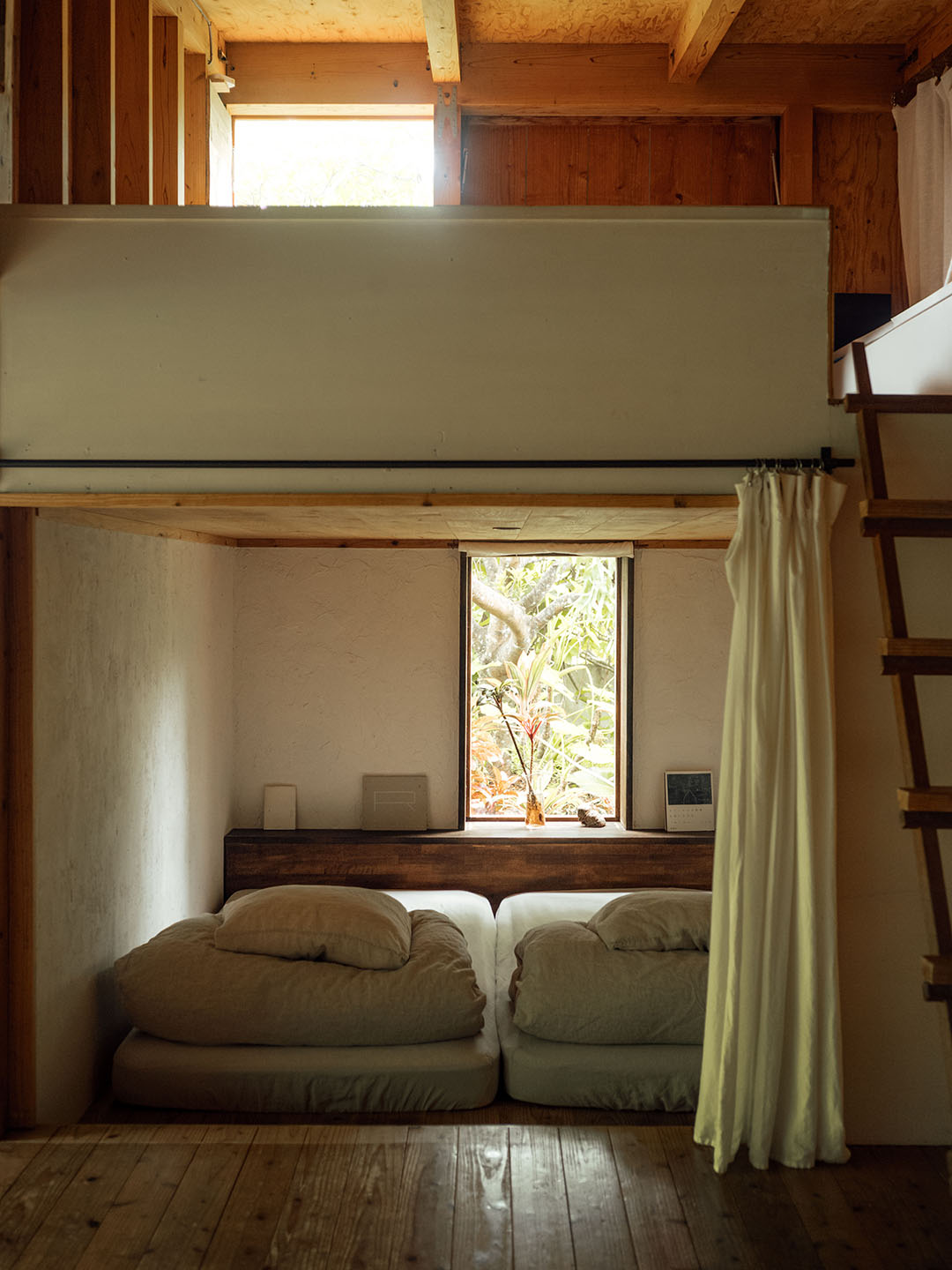
And when he said “I,” he wasn’t kidding: Inafuku worked side by side with the carpenter to bring the homes to life. From the outside, what the siblings call the “Brother House” and “Sister House” look very much alike, but inside, they are a reflection of their different personalities. “It was my dream home for a single man,” says Inafuku of his 753-square-foot cabin, which features a large glass opening, a spacious living room, and a loft bedroom with a low ceiling that feels like a cozy cave. His sister Kaori Yamamoto’s house is just over 1,000 square feet and all zen, with a loft, tatami room, and an open-plan kitchen and living area.
Now married with three kids, Inafuku’s dreams look a little different these days. A few years ago, his sister got married and moved away, so she never really got to experience the homes—but others did, and continue to. “We love hosting people in both,” says Inafuku, who now rents out the houses as Airbnbs with his wife, Mari. Ahead, he gives us all the details on how the twin homes came to life.
What was the biggest design struggle you faced?
The biggest challenge when building with wood was dealing with Okinawa’s heat and humidity, but it gave the home a warmth and a beautiful scent that concrete could never provide. The interiors were all chosen by us—mostly the work of local Okinawan artisans.
What was your first big purchase for the home?
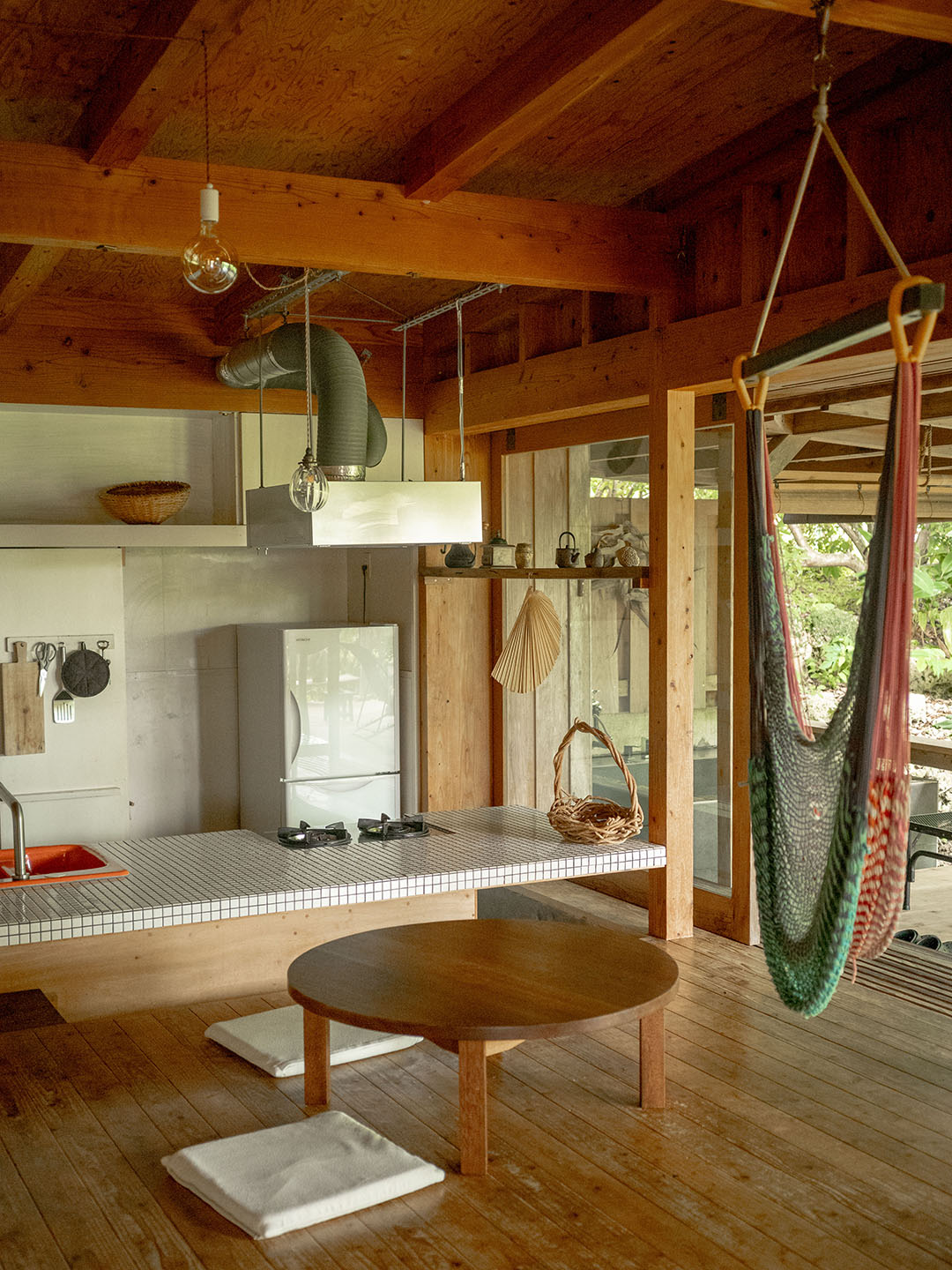
The orange sink in the Brother House was salvaged from an old home that was being demolished. It belonged to a grandmother who had cherished it for decades. I asked to remove it myself and kept it all these years. It became the perfect accent in my kitchen.
What was your greatest design risk?
Using wooden window frames instead of aluminum was the biggest risk. Wood can warp and let air or insects in, but it gives the house a warmth and softness that metal never could.
How did you come up with the sunken kitchen?
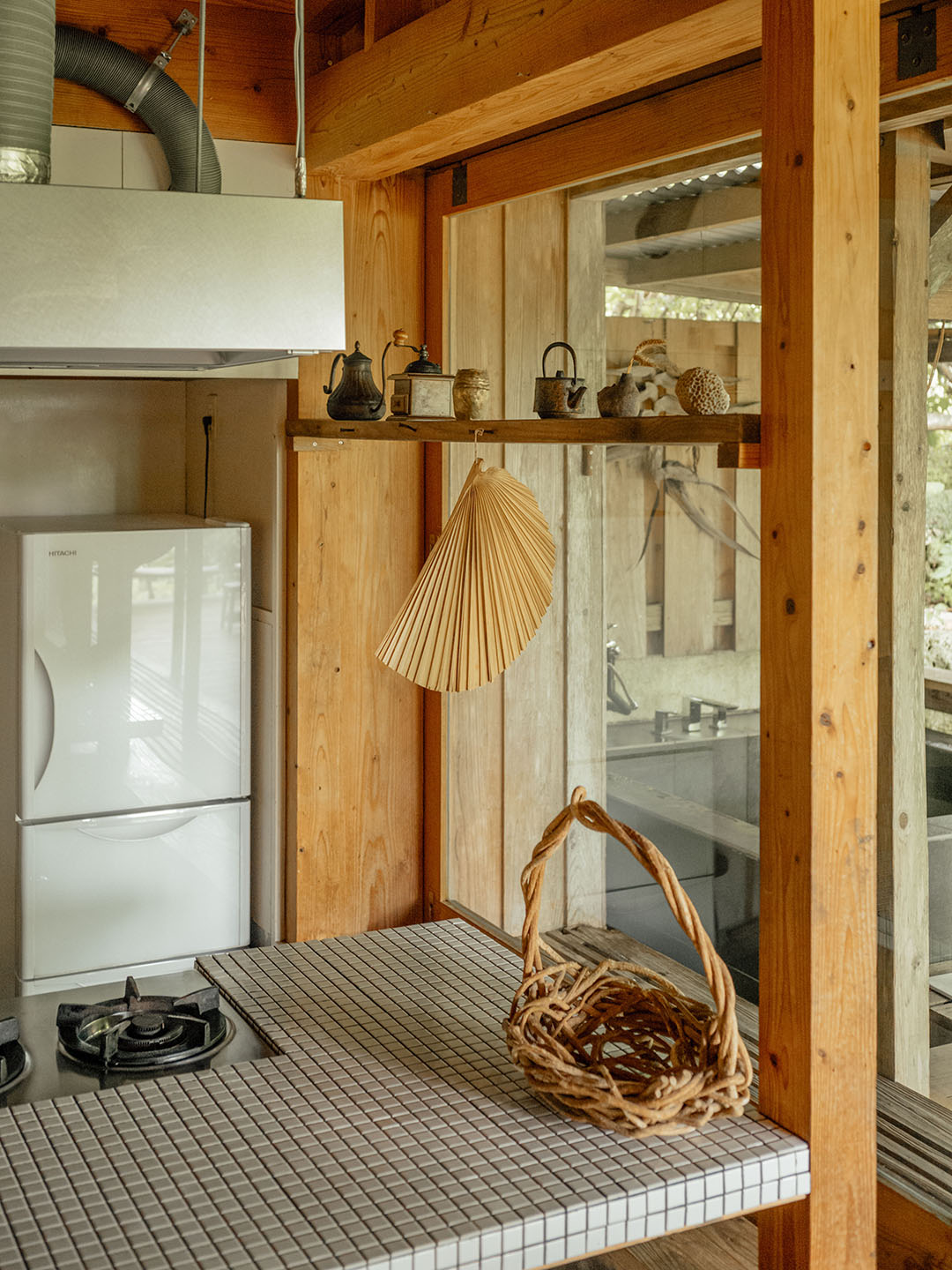
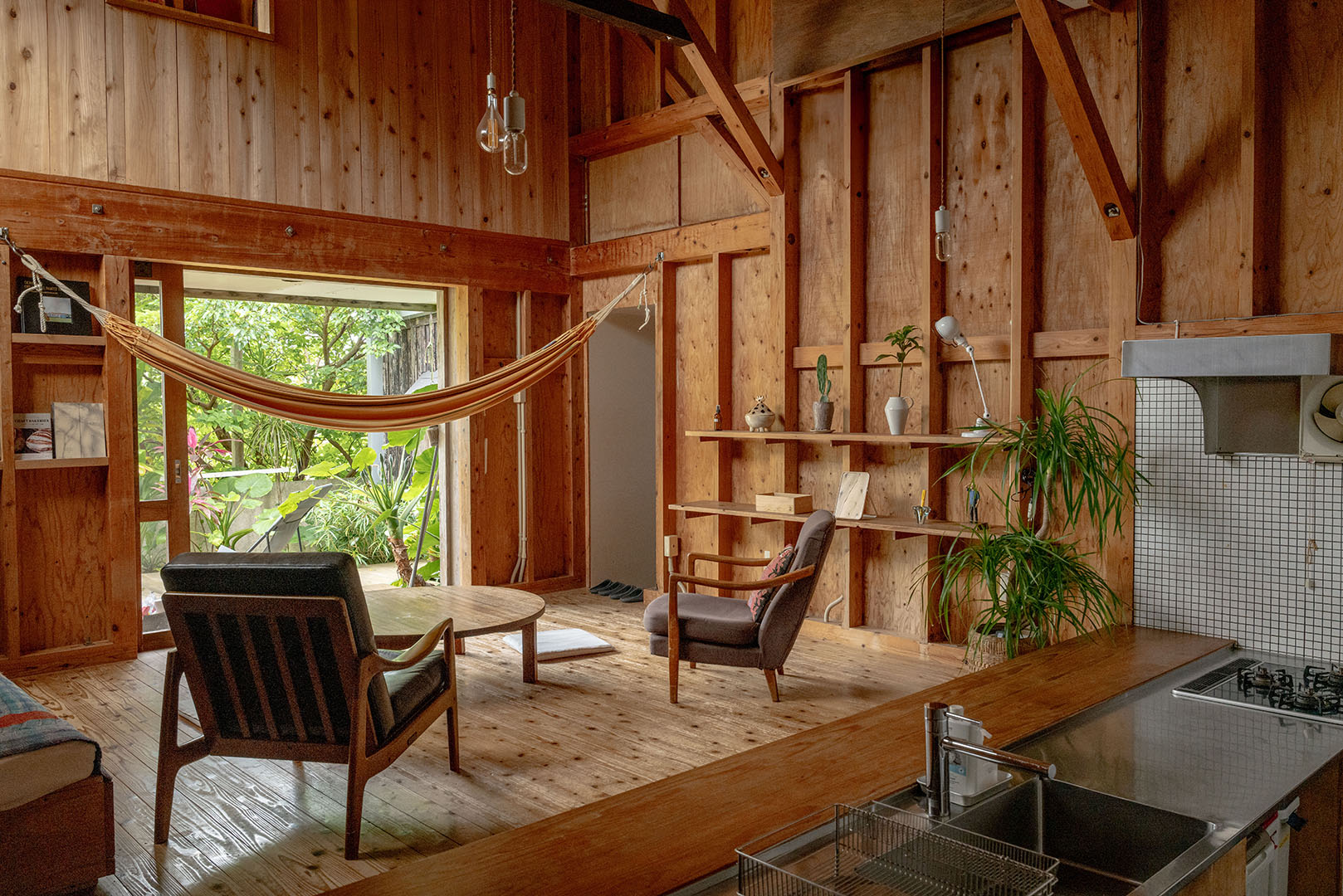
I really love the way the kitchen is designed, it’s one of my favorite parts of the house. The floor level of the kitchen is actually lower than the main living area, so when someone stands in the kitchen and another person sits on the floor next to it, their eye levels align perfectly. It creates a natural connection between the cooking space and the living area. The lowered kitchen also makes the room feel more open and spacious.
What was your best splurge?
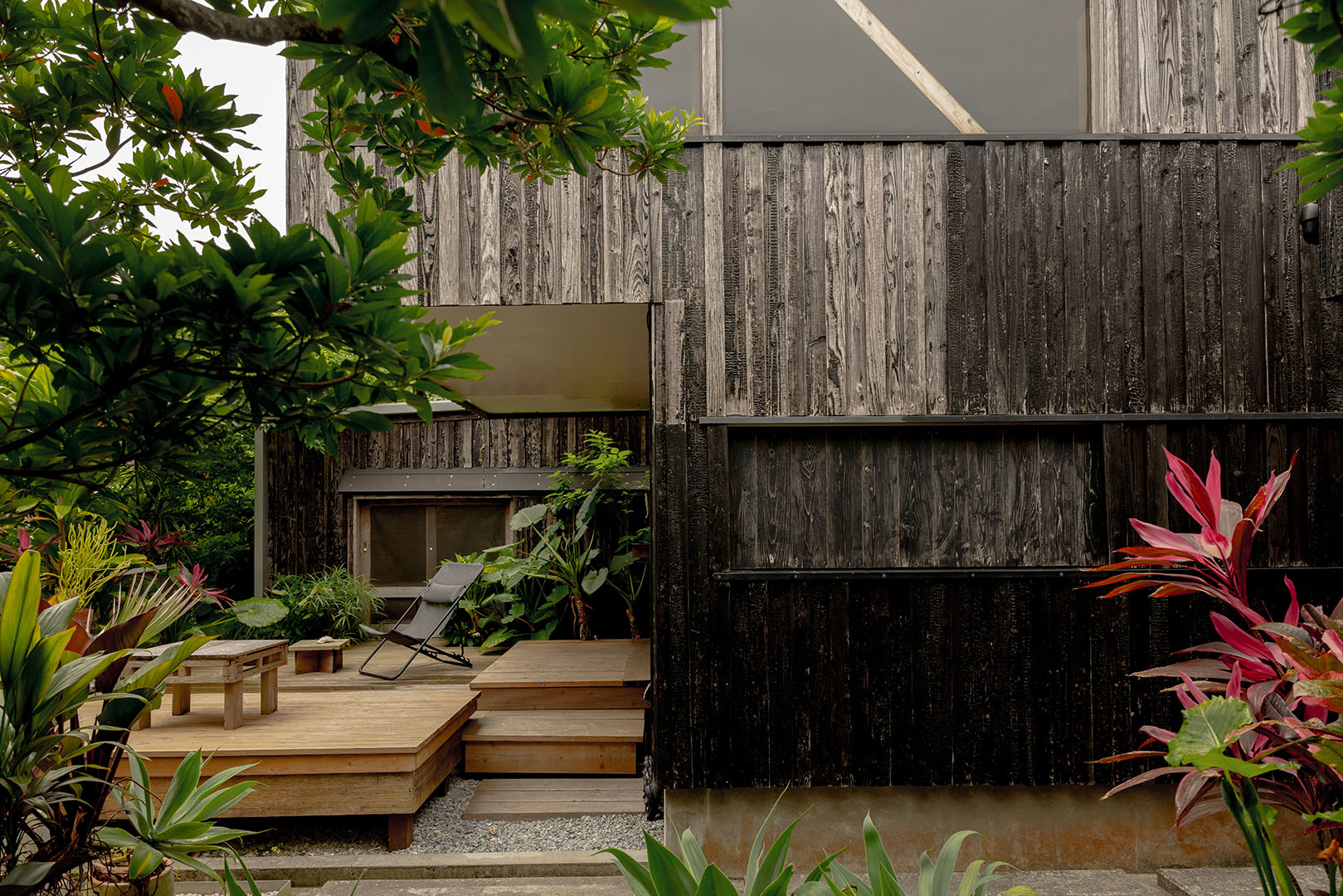
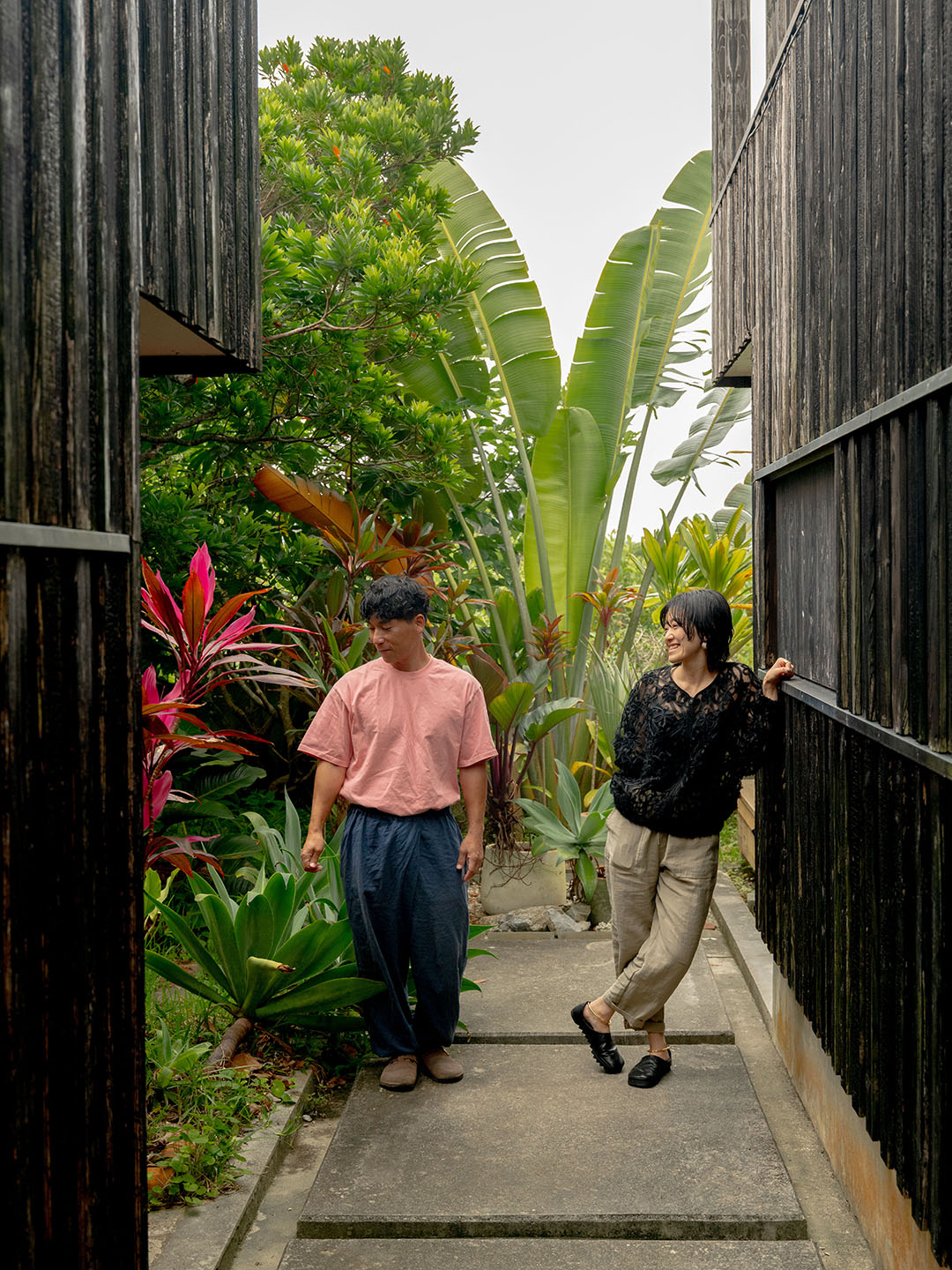
The exterior yakisugi—charred cedar—was my biggest “luxury.” It’s an old Japanese technique that very few people use today because it takes a huge amount of time and effort. It took weeks to burn each plank by hand, but it created a deep, timeless texture that I love.
And your best save?
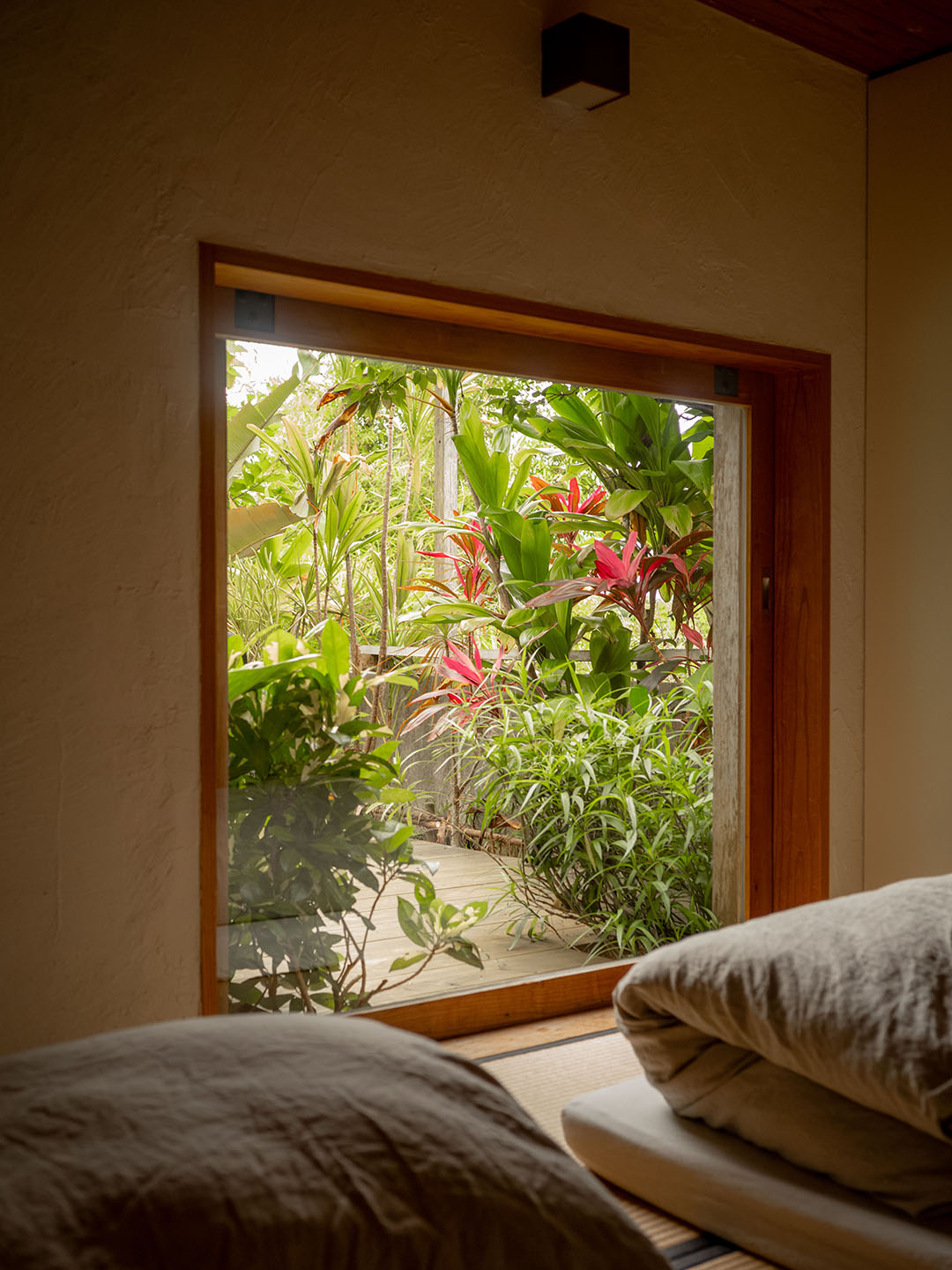
Definitely the garden. Before COVID, I wasn’t very interested in landscaping and didn’t pay much attention to it. During the pandemic, I realized how important outdoor space is, especially in Okinawa, where nature is everywhere. I didn’t have much money at the time, so I started collecting plants and trees from friends, and sometimes even from the roadside. Over time, it grew into this lush, tropical garden that feels completely natural.
How did you create this sense of calm?
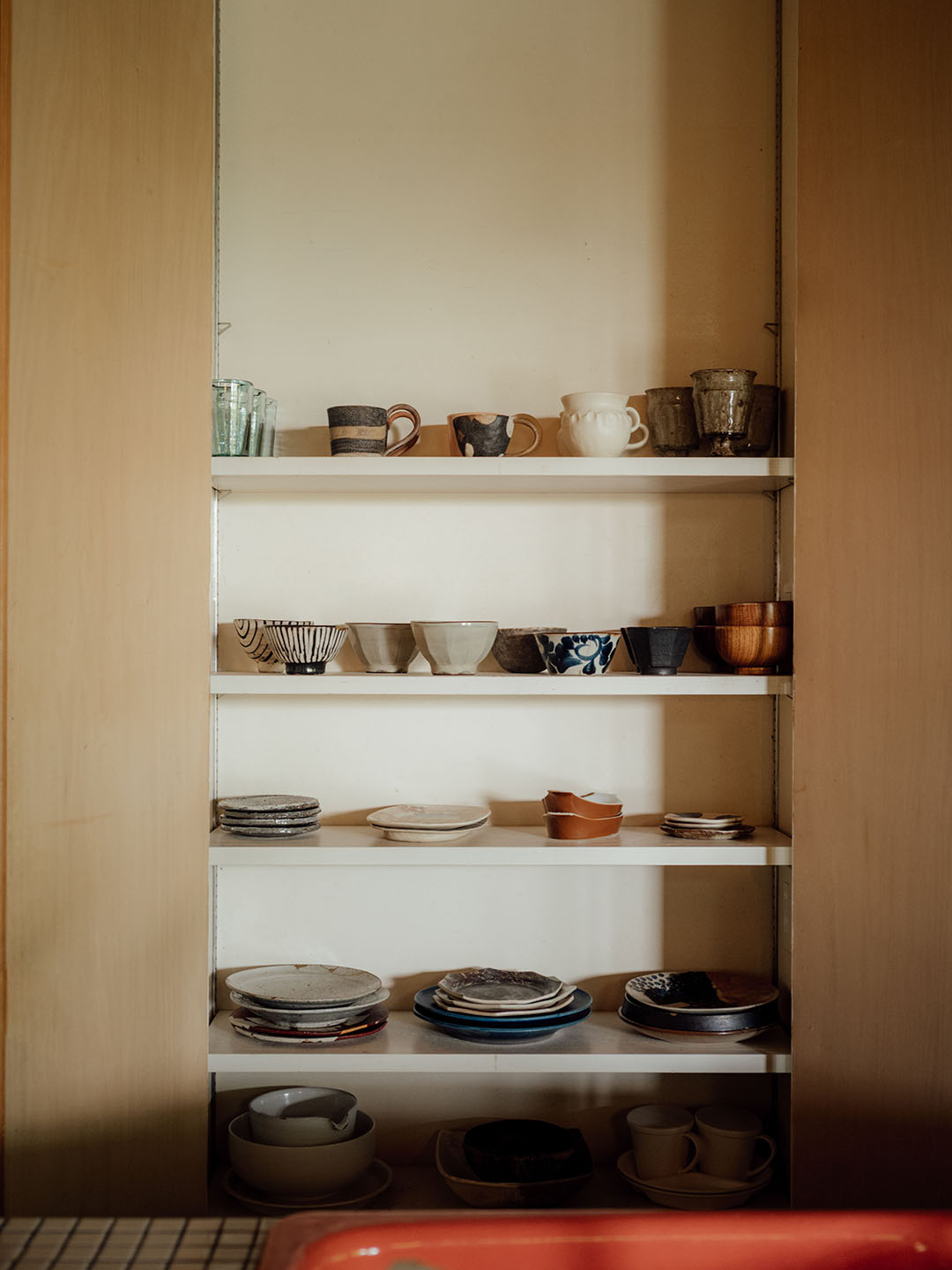
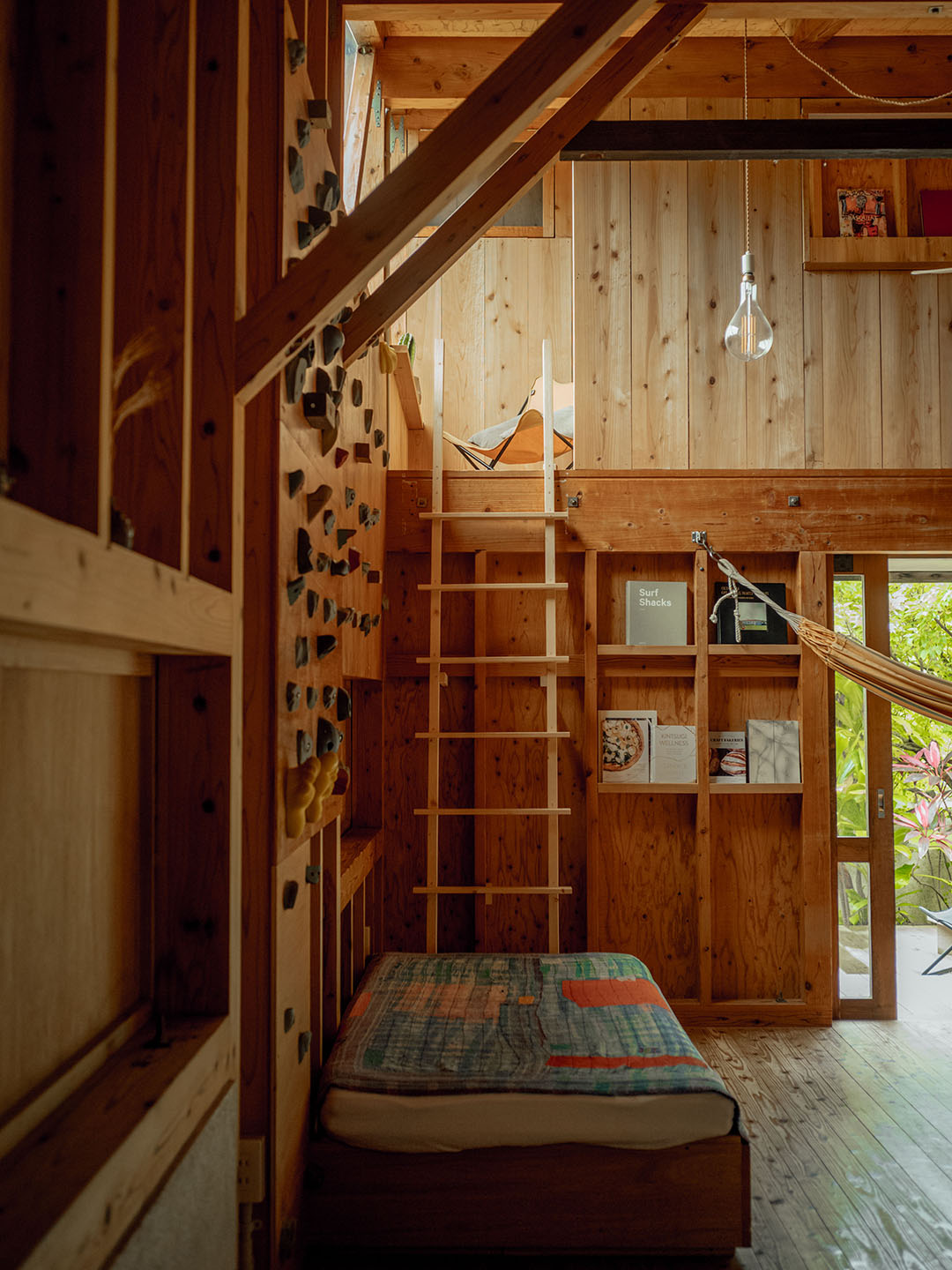
I didn’t want much furniture in the house so all of the storage was built-in from the start, together with the carpenter. That decision kept everything looking clean and simple, and it really shaped the calm atmosphere of the space.
Did you always dream of having an outdoor bathtub?
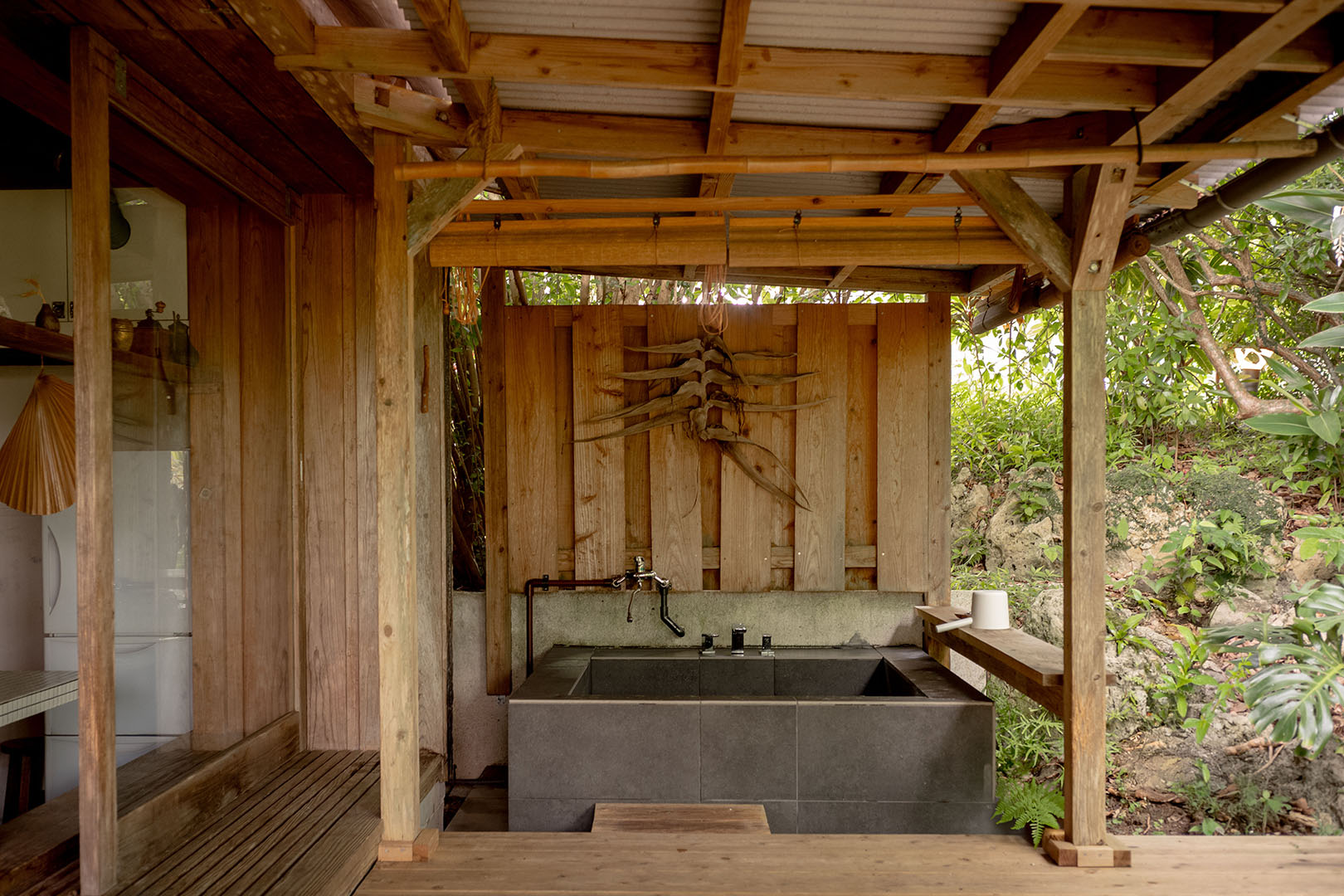
The outdoor bathtub was added later, after we turned the houses into guest accommodations. Originally, since my sister and I built them as our own homes, we didn’t include a bathtub (in Okinawa, people usually just shower because of the warm climate). But when we began welcoming guests, we thought it would be nice to have a tub. There wasn’t enough space indoors, so we decided to build one outside instead. It turned out beautifully, and guests really love it—especially at night under the stars.
Vaishnavi Nayel Talawadekar is an architecture, design and art journalist who serendipitously segued into journalism in 2016, after realizing spreadsheets weren’t her thing. She lives in New Delhi with her husband and their two gremlins, ages 3 and 1.
Kate Berry is the chief creative officer at Domino, guiding the brand’s visuals, design, and experiential offerings. Finding and capturing inspiring spaces and building Domino into a must-visit digital destination takes her all across the United States, but her home base is New York City, where she lives with her husband, Ian; their daughter, Quinn; and the beloved family cat, Charlie.
AloJapan.com