
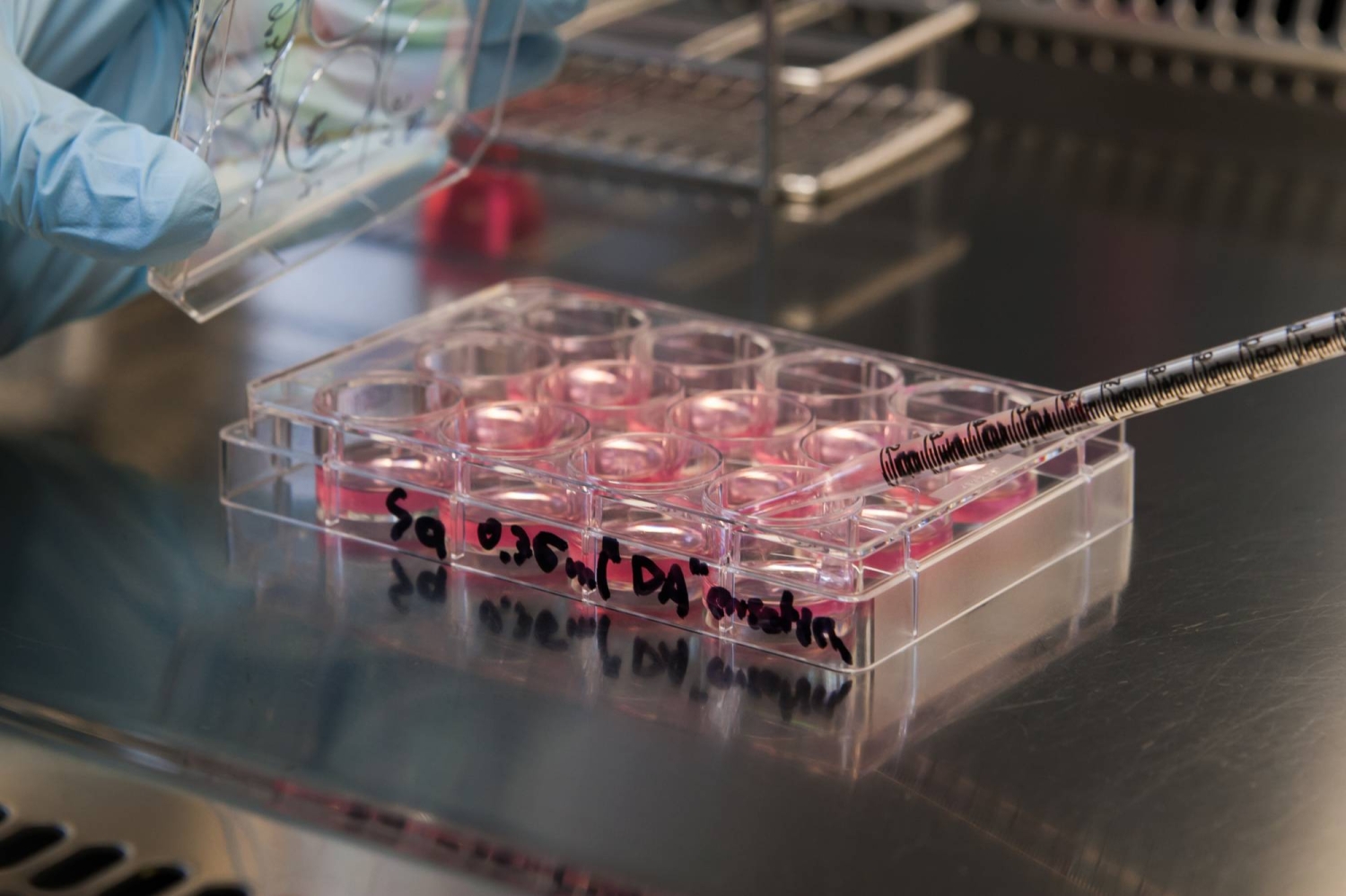
A clinical trial by a Tokyo-based venture company originating from Keio University has confirmed that transplanting cardiac muscle cell clusters called cardiomyocyte spheroids created from induced pluripotent stem, or iPS, cells into patients with severe heart failure improved their cardiac functions and symptoms.
According to Friday’s announcement by the venture company, Heartseed, the transplant was performed on 10 patients, and no major safety issues were confirmed.
The company aims to submit an application for related manufacturing and marketing approval by the end of next year.
The clinical trial was conducted starting in 2022 for patients with ischemic heart diseases such as cardiac infarction and angina pectoris. It divided participants into two groups based on the number of transplanted cardiac muscle cells — a low-dose cohort receiving 50 million cells and a high-dose cohort receiving 150 million cells — and evaluated outcomes such as the ability to pump blood.
Among the five patients in the low-dose cohort, one year after transplantation, four showed improvements or maintenance of cardiac functions compared with pre-transplant levels. One patient’s six-minute walk distance increased from 150 meters to 500 meters.
Five patients in the high-dose cohort also showed a trend toward improved cardiac functions six months after transplantation. No safety concerns, such as tumor formation or arrhythmia, were confirmed in either cohort.
It is expected that the transplanted cardiomyocyte spheroids will establish themselves and grow within the heart, leading to improved cardiac functions.
The company is conducting final data analysis and advancing preparations for seeking regulatory approval.
AloJapan.com