
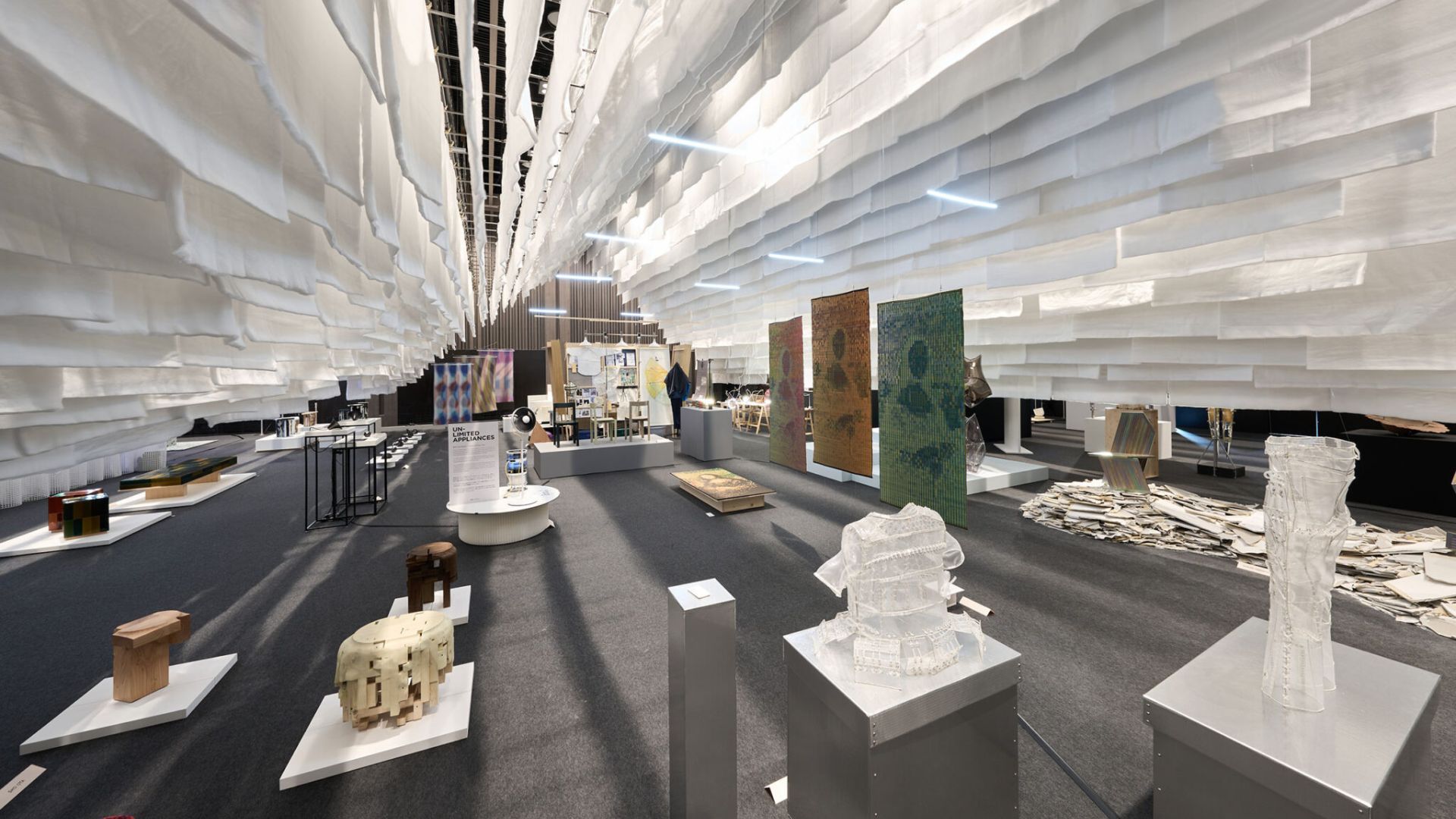
After successfully relaunching in 2024 after a twelve-year hiatus, Designtide Tokyo is returning this year with an ambitious and expanded format, running from December 6 through 21. The event will take place in the district of Minami-Aoyama, aiming to show its commitment to fostering dialogue around the contemporary design of today.
The Designtide festival originally ran annually from 2005 to 2012, inspired by the design events and movements that started in Tokyo in the 90s and 2000s, like Happening and Tokyo Designers Block. The event’s uniqueness lay in its emphasis on designers ‘ creativity rather than the typical concerns related to a commercial trade show, creating a platform where young and experimental voices could find an audience.
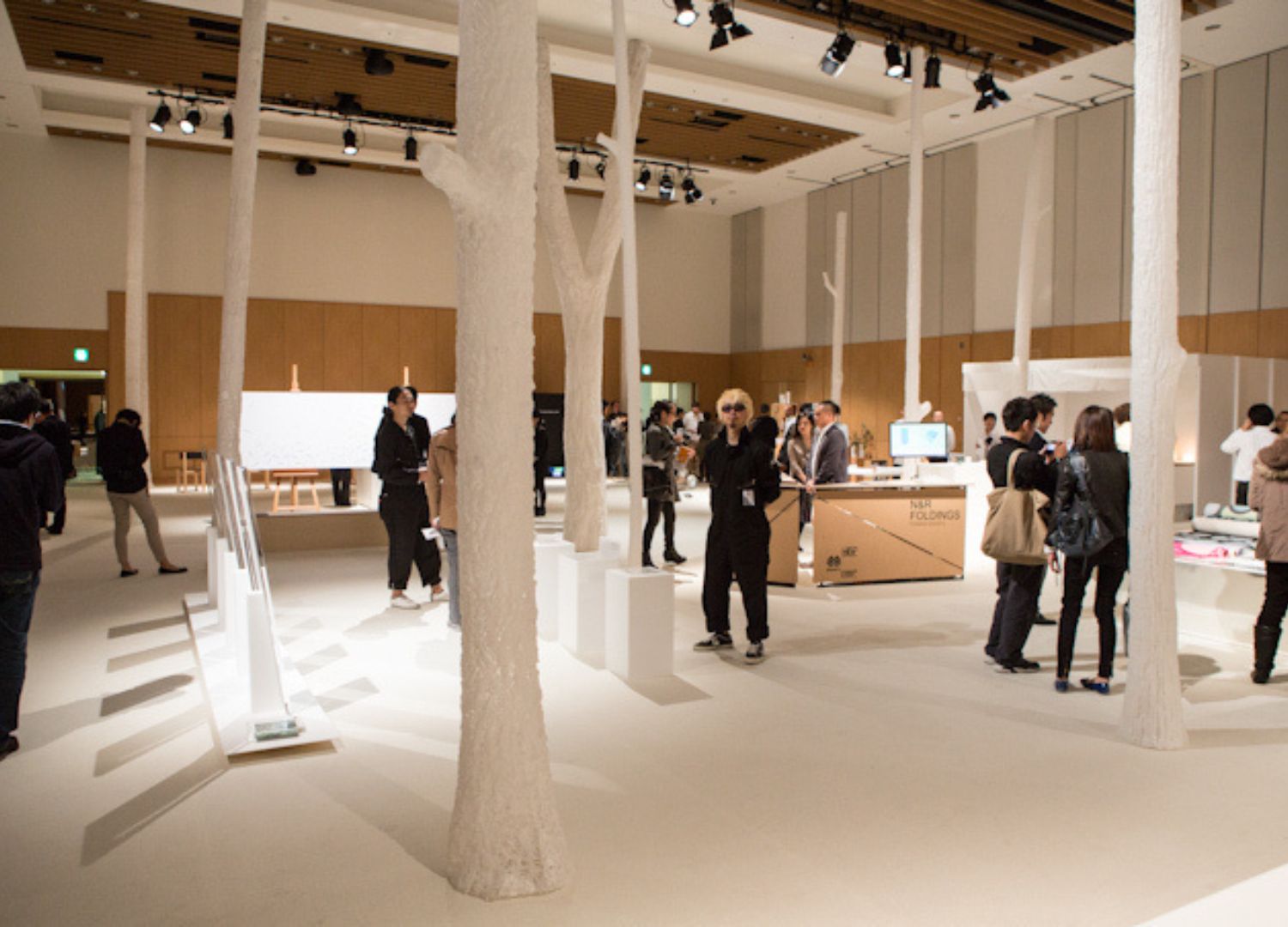
The 2012 edition © Designtide Tokyo
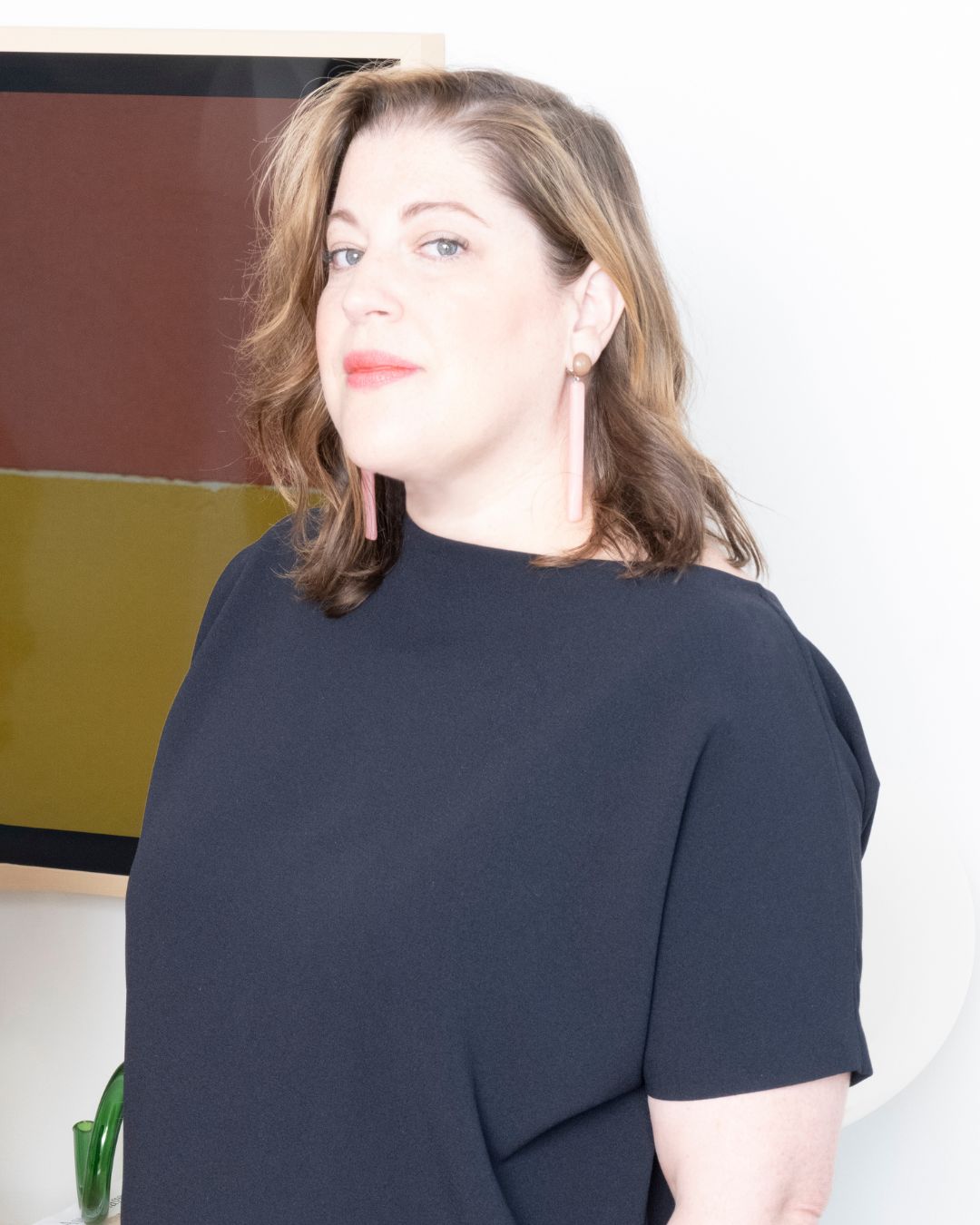
Jill Singer © Designtide Tokyo
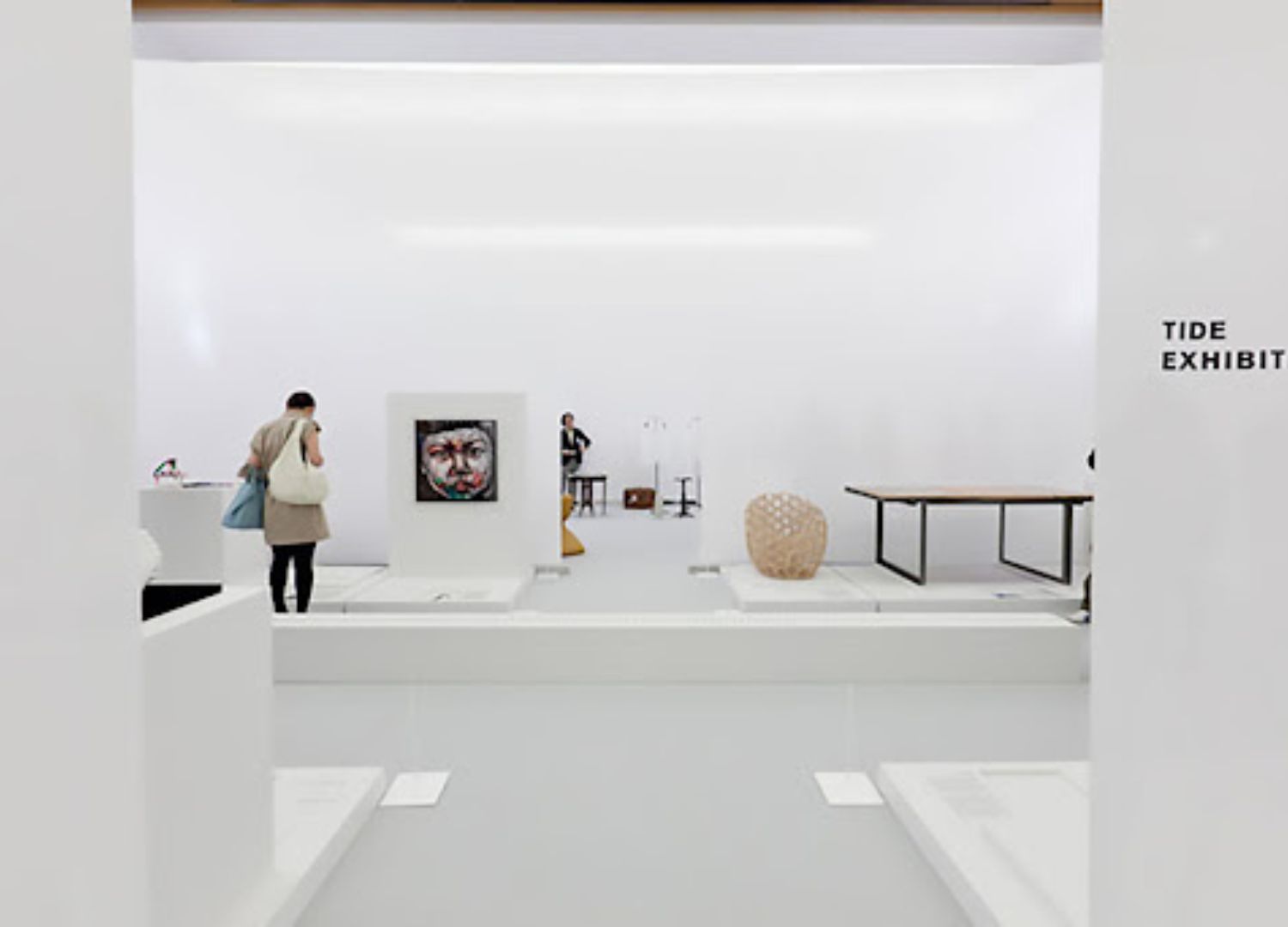
The 2011 edition © Designtide Tokyo
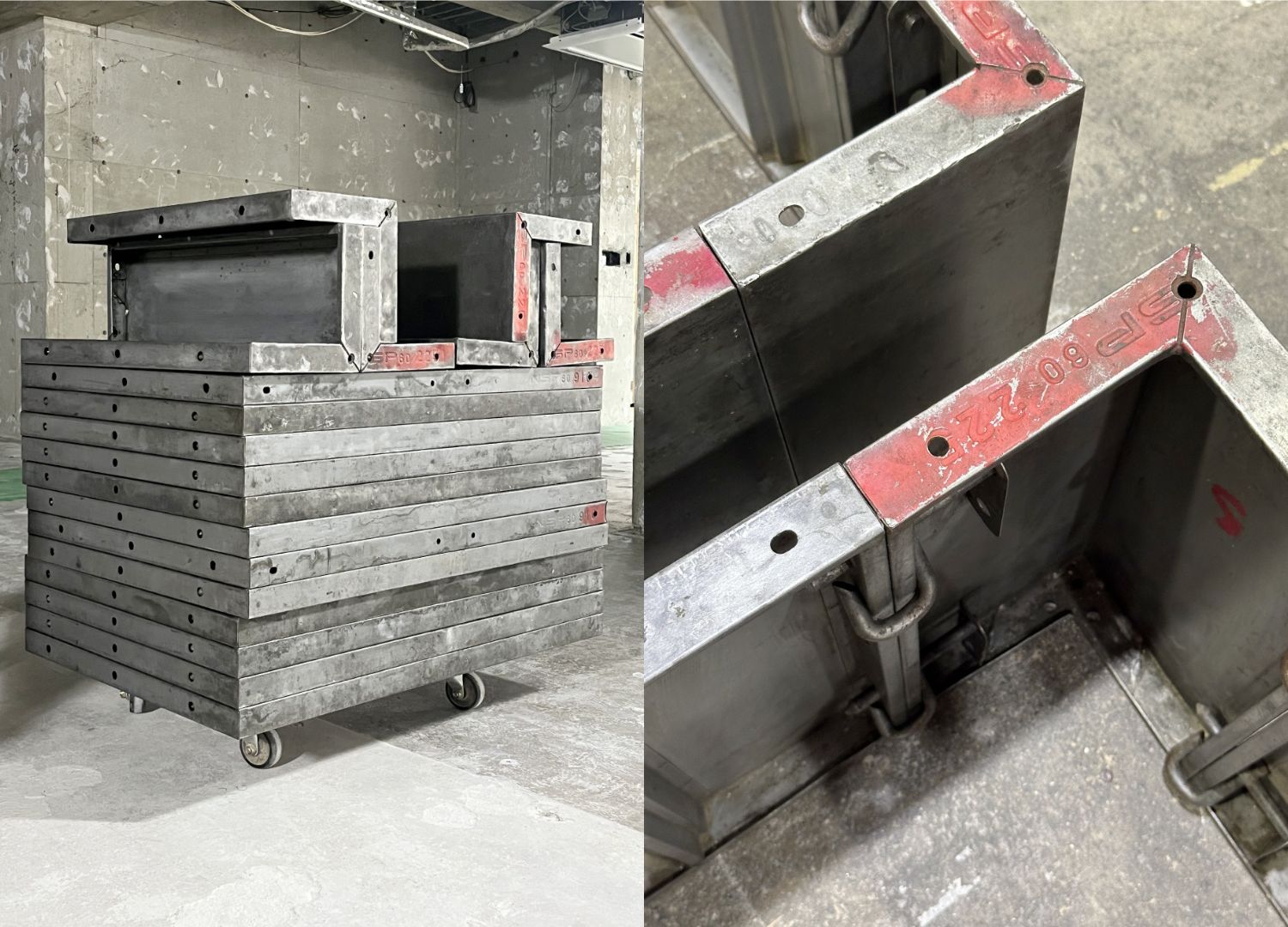
The modular system by UM © Designtide Tokyo
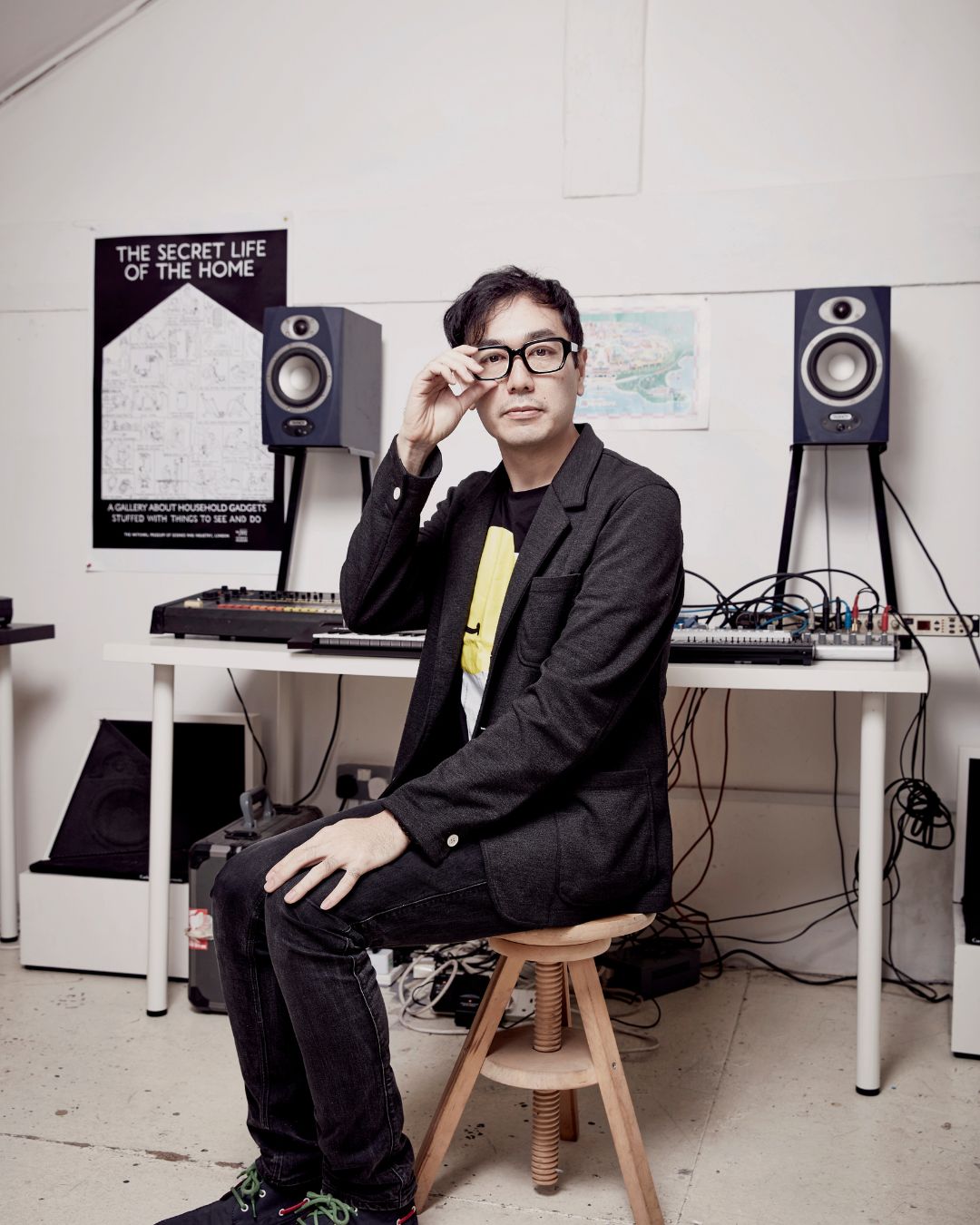
Yuri Suzuki © Mark Cocksedge
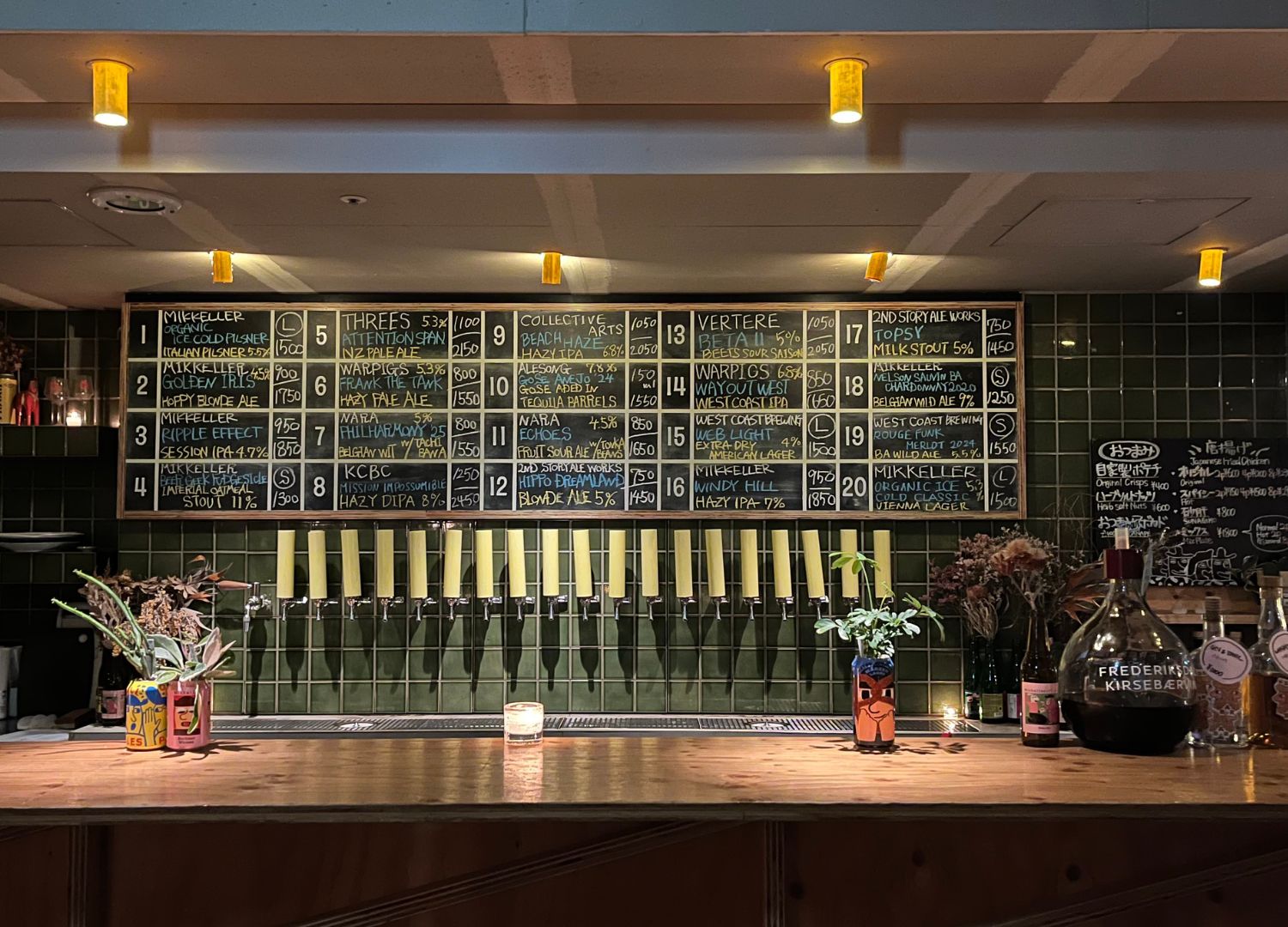
The Extension Venue © Designtide Tokyo
When the event returned in 2024, its co-founder Yuta Takeda explained that designers wanted more opportunities to present their physical work, addressing a gap that had grown in Japan during the event’s absence. To make up for this, the 2025 edition will feature a Main Exhibition, which will present works by 26 creatives selected through an open call, a Market, which will sell part of their works, and a Class of 2025, an exhibition by selected students, and an Extension Venue. Beyond this, the event will host public talks from various field experts. These three parts will run on separate timelines, in order to be able to give proper time and space for reflection to all categories.
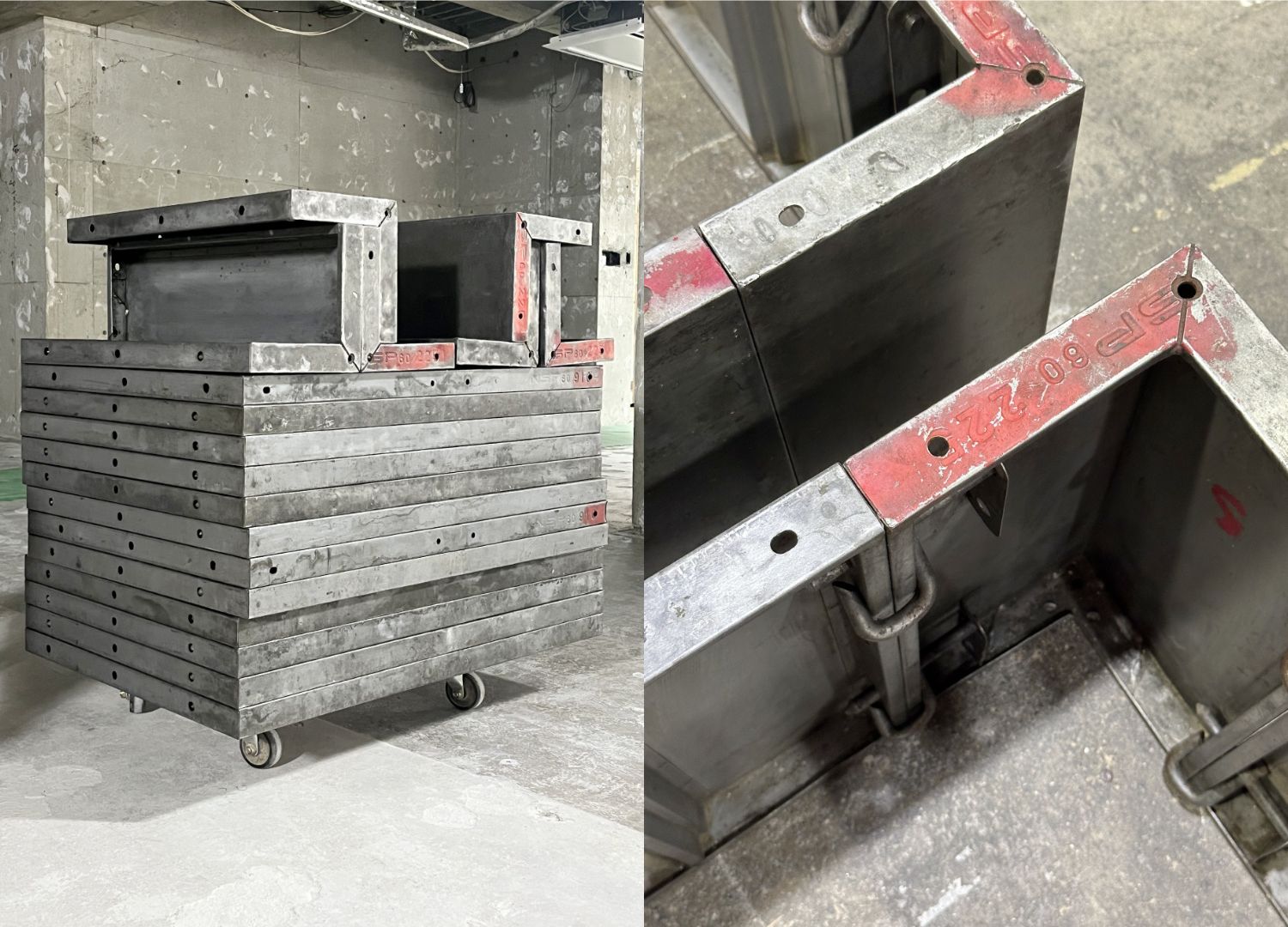 The modular system by UM © Designtide Tokyo
A key component of any fair is, of course, its installation space. The architectural system was developed by the collective UM, based in Tokyo and Brussels and founded in 2023. Their concept is based on embodying change and adaptation, using a single modular system made of a single material to transform the exhibition space across the three weeks, accommodating each program’s needs. This approach reflects the event’s philosophy itself, stating that design is perpetually in motion and constantly being questioned and re-adapted.
This edition also benefits from an international four-person curatorial team, bringing new global perspectives to Japanese design. Hirofumi Akimoto is the director of the furniture label E&Y, grounding the team in Japanese design practice. Oli Stratford is the editor-in-chief of Disegno journal, bringing a lens focused on connecting design with broader social, political, and environmental contexts. Yuri Suzuki is a London-based sound artist, adding an interdisciplinary approach to experience design. Monica Khemsurov and Jill Singer are co-founders of the publication Sight Unseen, an online magazine about contemporary design that is especially relevant in the US market.
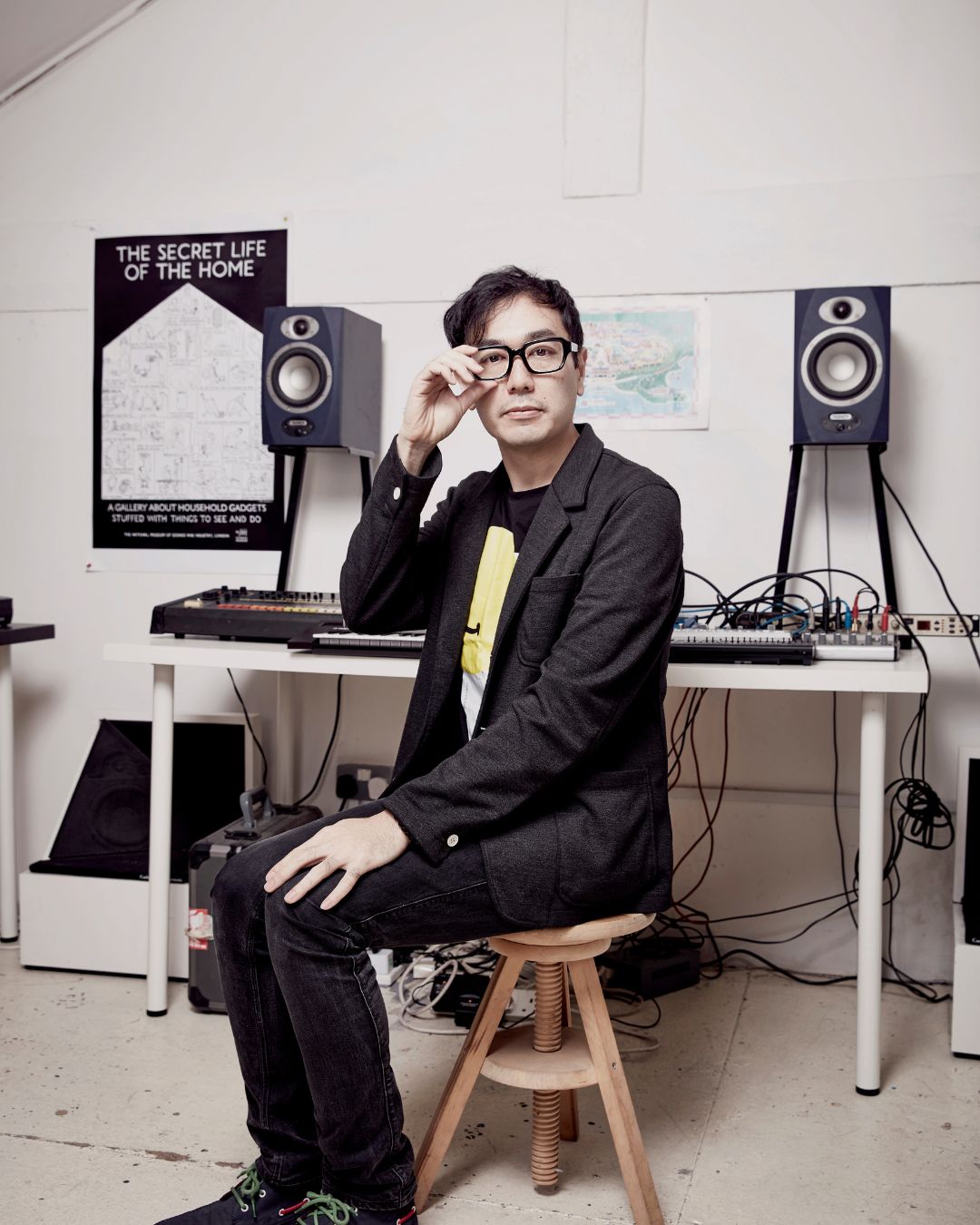 Curator Yuri Suzuki © Mark Cocksedge
The event’s statement invites us to “view design not merely as a function or decorative tool within society or industry, but as a transformative force deeply connected to society, ideas, culture, and technology.” This holistic approach is incredibly different from the usual trade show narratives tied to commercial production, making the event into a platform that doesn’t fit the traditional framework. In such a space designed for synthesis and encounter, we remain curious to see what ideas this edition will spark.
AloJapan.com