
The Yomiuri Shimbun
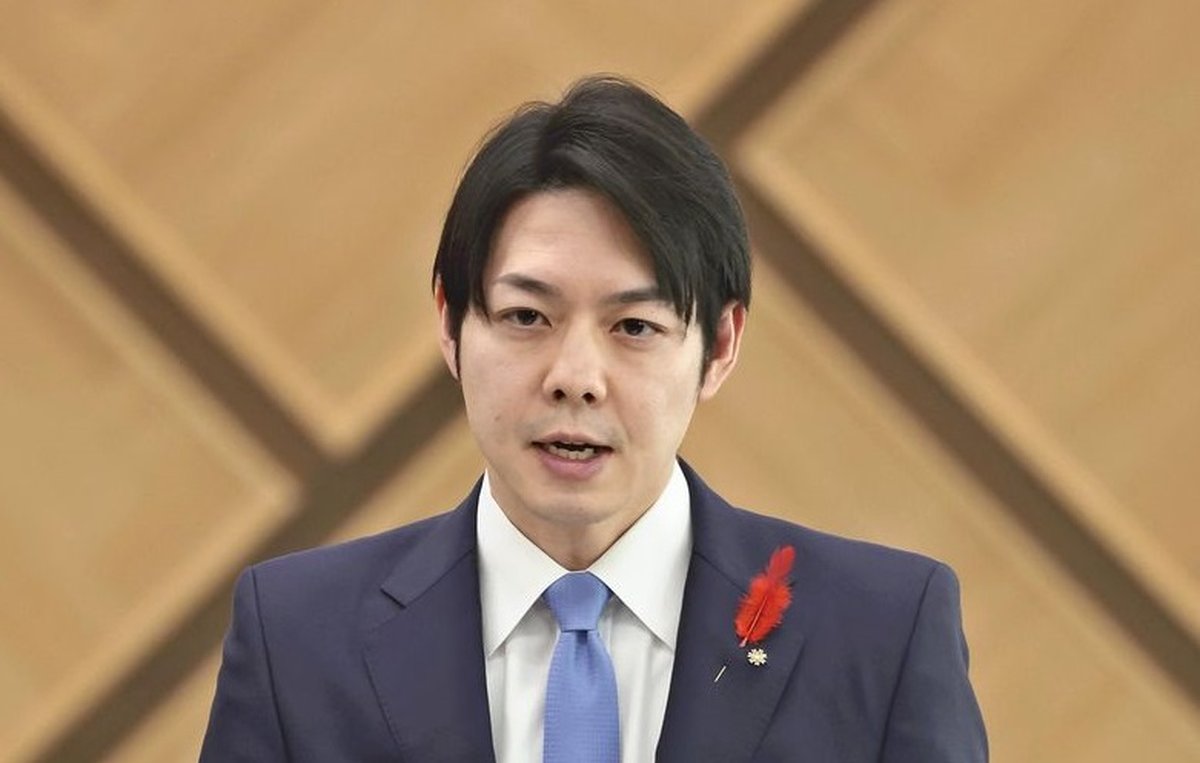
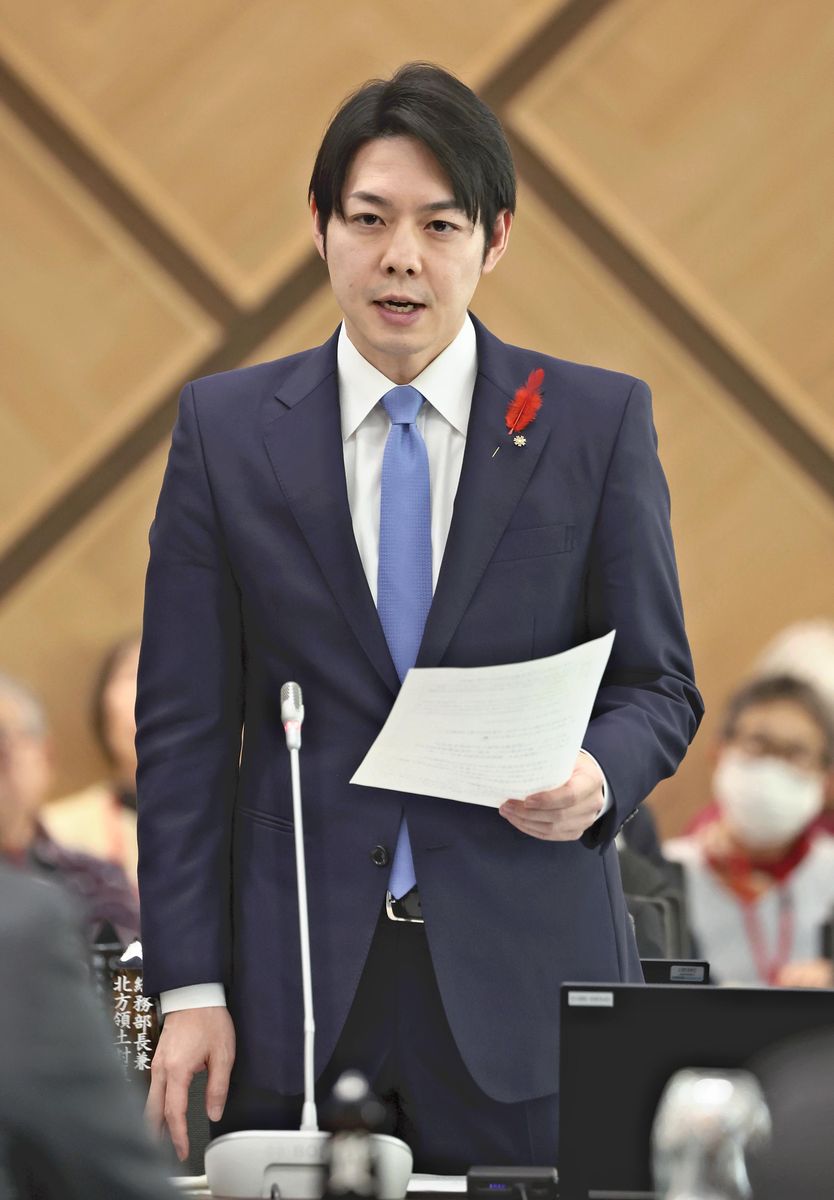
Hokkaido Gov. Naomichi Suzuki announces his approval for the restart of a reactor at Hokkaido Electric Power Co.’s Tomari nuclear power plant, in Sapporo on Wednesday.
21:00 JST, December 11, 2025
Hokkaido Gov. Naomichi Suzuki’s decision to approve the restart of a reactor at Hokkaido Electric Power Co.’s Tomari nuclear power plant has raised hopes that electricity bills in the prefecture — the most expensive in Japan — could eventually come down.
Hokkaido Electric, or HEPCO, aims to restart the plant’s No. 3 reactor in early 2027, which would also ensure a more stable supply of electricity in the northernmost prefecture.
The utility has shown a plan to cut electricity fees by an average of about 11% for households after the reactor comes back online. As thermal power generation uses relatively expensive fuel, HEPCO anticipates that reducing the need for it will improve profits. The benefits can then be passed on to consumers through lower bills.
Power bills in eastern Japan, where the restart of nuclear reactors has been delayed, are more expensive than in the nation’s western half. Many users have contracts for regulated electricity rates, which require government approval. The power bill for a typical household on these rates in HEPCO’s regional service area in December was ¥9,376. This was almost ¥2,000 more expensive than the ¥7,466 paid by users in Kyushu Electric Power Co.’s area, which was the cheapest of the nation’s 10 areas serviced by major power utilities.
No carbon dioxide is emitted when generating electricity with nuclear power, which also has the advantage of being able to produce power at a steady rate. A string of companies have planned major projects in Hokkaido, such as semiconductor manufacturer Rapidus Corp.’s construction of a plant and telecommunications giant SoftBank Corp. building a large data center. Power demand in Hokkaido is expected to increase due to these projects. Restarting the Tomari reactor could encourage more firms to greenlight such projects in Hokkaido.
Momentum toward rebooting reactors in eastern Japan is growing. In October 2024, Tohoku Electric Power Co. restarted the No. 2 reactor at its Onagawa nuclear power plant in Miyagi Prefecture. This was the first reactor in eastern Japan to resume operations since the 2011 Great East Japan Earthquake. Last month, Niigata Gov. Hideyo Hanazumi indicated his intention to approve the restart of the No. 6 reactor at Tokyo Electric Power Company Holdings, Inc.’s Kashiwazaki-Kariwa nuclear power plant in Niigata Prefecture. This reactor is expected to resume operating as soon as January.
Strong seawall an absolute must
The completion of a powerful seawall highly resistant to liquefaction is a precondition for restarting the Tomari plant’s No. 3 reactor in early 2027 as intended. The top of the 1.2-kilometer-long seawall will be 19 meters above sea level.
To restart a nuclear reactor in Japan, the operator must ensure it meets the new regulatory standards set by the Nuclear Regulation Authority based on lessons learned from the accident at TEPCO’s Fukushima No. 1 nuclear power plant in 2011. In 2014, HEPCO constructed a seawall that reached 16.5 meters above sea level to protect the Tomari nuclear plant from tsunami. However, a safety check by the nuclear watchdog revealed concerns about the seawall’s ability to withstand quake-induced liquefaction. Consequently, the seawall was demolished in 2022 and the utility decided to construct a new barrier from scratch.
The new construction began in March 2024 and involved digging down as far as about 30 meters underground so the new seawall could sit directly on the bedrock. This structure will be resistant to liquefaction and was about 50% complete as of the end of October this year. Total construction costs for safety measures at the nuclear plant, including the seawall, have ballooned to about ¥515 billion — at least 17 times higher than the expected price tag in 2011.
As well as constructing the seawall, HEPCO must receive approval from the NRA for its “construction plan” detailing the design of the facility and its “safety regulations” specifying safety management fundamentals at the plant.
“By gaining the consent of local authorities, HEPCO is shouldering responsibility and meeting expectations that it will provide a stable supply of electricity,” said Ryuzo Yamamoto, a professor emeritus at Tokoha University and an expert on energy policy. “It’s important that HEPCO steadily completes any remaining safety construction projects and paperwork so the reactor can restart on the target date. That will also help to build trust with local authorities and residents.”
AloJapan.com