
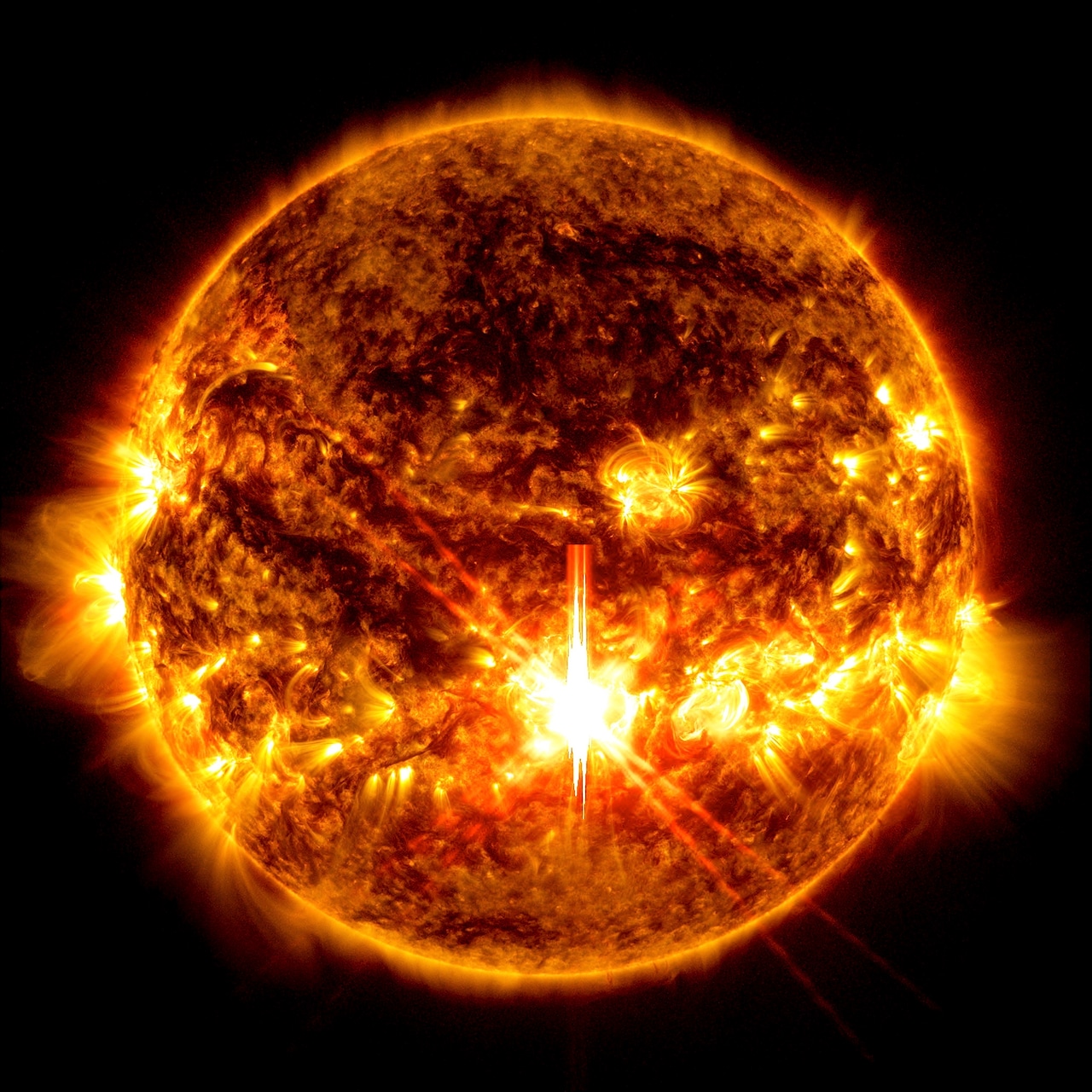
Do this week’s strong geomagnetic storm and earthquake in Japan mean that the Big One is nigh?
That’s what some influencers on TikTok believe.
On Tuesday, a 7.5 magnitude earthquake hit Japan, generating a small tsunami, according to the Associated Press.
The quake happened near the Japan Trench subduction zone, where the 9.0 magnitude 2011 Fukushima earthquake occurred. The Japan Trench is similar to the Cascadia subduction zone off the coast of Oregon, Washington and British Columbia.
So naturally, social media speculation turned to the Pacific Northwest and the Big One.
One influencer posted a video that subsequently generated 13k likes and a flurry of comments, claiming that a solar flare from Tuesday’s geomagnetic storm caused a “non-tectonic earthquake” in Japan and that “Cascadia is next.”
Others on social media cited a Kentucky toddler who TikTokers say predicted the Japanese earthquake and tsunami – though some in those comments claim that the prediction actually refers to an anticipated great flood on Christmas Day.
California-based geologist Bryan Castillo, who posts on TikTok as earthquakedude, posted his own series of videos addressing the concerns about any forthcoming solar flare-caused or other imminent earthquakes along the West Coast.
“No,” Castillo said in one video, “[Cascadia] is not next. No one can tell you that.”
If not now, then when will the Big One hit?
Here’s what the Oregon Office of Emergency Management has to say about the Cascadia Subduction Zone:
“The Cascadia Subduction Zone is a 600-mile fault that runs from northern California up to British Columbia and is about 70-100 miles off the Pacific coast shoreline. There have been 43 earthquakes in the last 10,000 years within this fault. The last earthquake that occurred in this fault was on January 26, 1700, with an estimated 9.0 magnitude.”
We know the exact date of the last ‘Big One’ through oral histories kept by local indigenous groups, but also through historical records from as far away as Japan. The 1700 quake sent a large tsunami to the coast of Japan.
The average length of time between subduction zone quakes off the Oregon coast is around 500 years, according to experts.
OEM says that “there is about a 37 percent chance that a megathrust earthquake of 7.1+ magnitude in this fault zone will occur in the next 50 years.”
What about the solar flares?
Solar storms are real and can damage infrastructure — particularly electronic systems — here on Earth – but, importantly, geomagnetic storms aren’t physically dangerous for humans.
ABC News meteorologist Ginger Zee took to TikTok to explain:
This isn’t the first time TikTok has run amok predicting the end of the world.
#RaptureTok
In September, a South African preacher went viral predicting that the Rapture was imminent and that Jesus would return to on Sept. 23. Or Sept. 24.
TikTok sprang into action, with viral videos documenting people quitting their jobs and selling their valuables. Other influencers shared “trip tips,” like leaving goodbye messages for those left behind, unlock their phones and wear clean underwear.
Along with #RaptureTok, the hashtag #exvangelical also trending briefly, with those who were raised in evangelical Christianity but no longer practice sharing perspectives on the Rapture and end times beliefs.
Not all Christians believe in the concept of the Rapture, which gained popularity during the U.S. revival movements in the 19th Century.
Yellowstone Supervolcano
Periodically, fear of an eruption of the Yellowstone supervolcano will spread on the app. It seems to happen about once a year, usually driven by misleading videos showing natural animal migrations in the national park.
If the idea of a looming catastrophic volcanic eruption worries you 1) we get it but 2) it shouldn’t – at least not the way the internet believes it will happen.
“Most volcanic systems that have a supereruption do not have them multiple times,” United States Geological Survey says. The supereruption that created the Yellowstone caldera happened about 2.1 million years ago, and another one is not expected.
AloJapan.com