
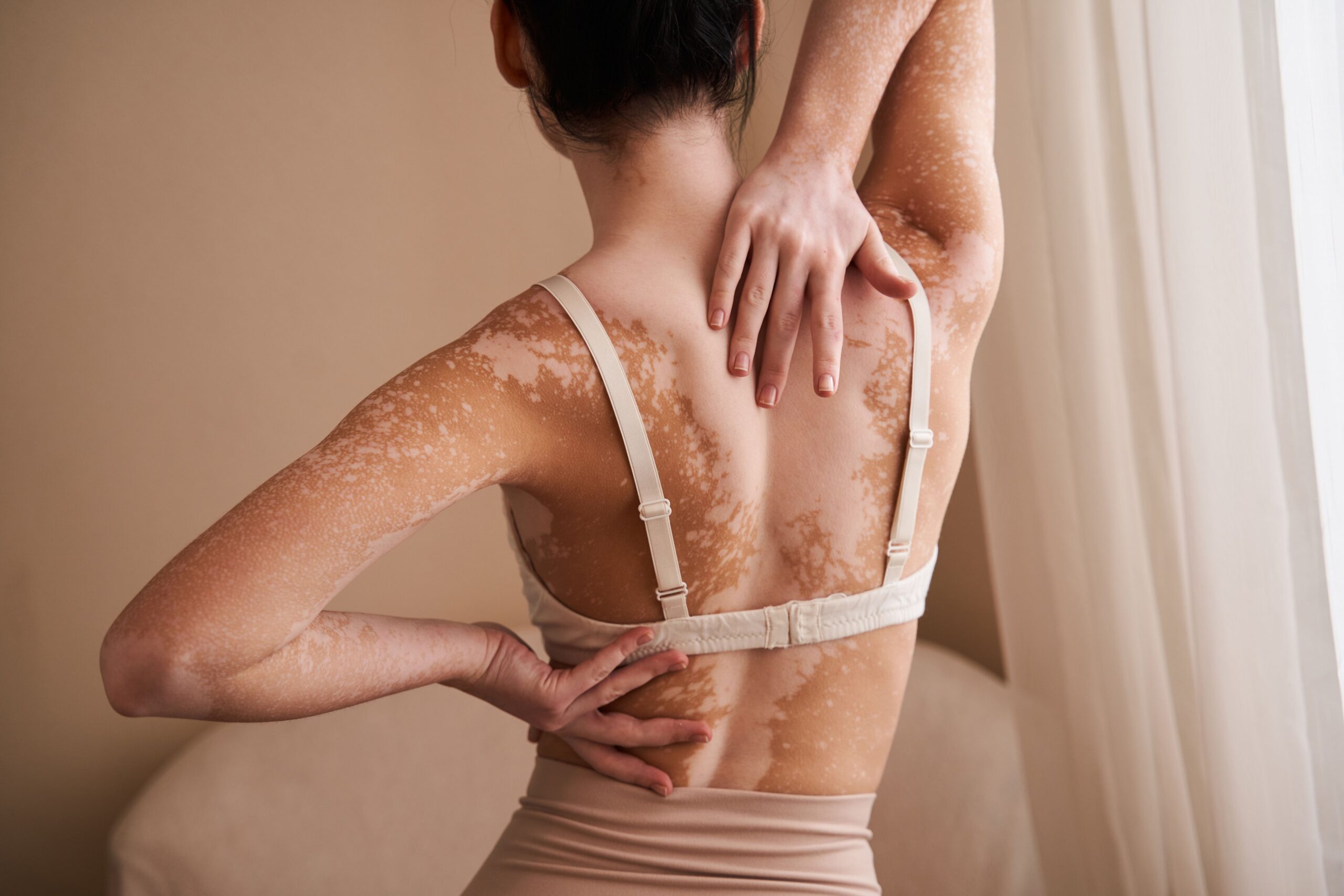
In Japan, data characterizing the health-related quality of life (HRQoL) and psychological burden of vitiligo remain limited. A new nationwide web-based survey examined HRQoL, anxiety, and depression in Japanese adult patients with vitiligo and identified demographic and disease-related factors associated with poorer outcomes.1
Methods & Materials
A total of 271 adults (mean age: 45.1 years) with a physician-diagnosed history of vitiligo completed the survey between October and November 2024. Half of the cohort were female. Approximately 57.6% had lived with vitiligo for more than 5 years, 27.8% reported ≥ 4% body surface area (BSA) involvement, and 31.7% had experienced relapse after prior improvement. The face (38.4%) and hands (27.3%) were the most commonly affected sites, and nearly one-third were currently being treated. HRQoL was assessed using the 12-item Short Form Health Survey version 2 (SF-12v2) and the Dermatology Life Quality Index (DLQI), while psychological burden was evaluated using the Hospital Anxiety and Depression Scale (HADS).
Results
Compared with Japanese population norms, patients demonstrated clear deficits in several SF-12v2 subscales, most notably role emotional, role physical, bodily pain, and social functioning. Among the component summary scores, the role/social component summary (RCS) showed the greatest deviation from the national standard (mean: 45.8), indicating notable impairments in social participation and role functioning attributable to vitiligo.
DLQI scores substantiated the dermatology-specific burden as 62.7% of respondents reported at least a small effect of vitiligo on daily life, and more than one-third experienced moderate to extremely large impairment. The mean DLQI score (5.3) aligned with prior findings within East Asian cohorts (China and South Korea), underscoring the consistent functional impact of vitiligo across similar populations.2
Psychological comorbidity was substantial. Based on the HADS criteria, 38.0% of patients had doubtful or definite anxiety, and 40.3% had doubtful or definite depression. These rates contrast sharply with prior Japanese claims data, which show formal diagnoses of anxiety or depression in only 1.8 to 2.6% of patients, suggesting a large unmet need in mental health screening and referral within dermatologic care.3
Subgroup and multivariate analyses identified several demographic and disease-related predictors of impaired HRQoL and psychological symptoms. Factors associated with worse outcomes included younger age, female sex, shorter disease duration (particularly ≤5 years), greater BSA involvement (especially the 4 to 10% range), involvement of visible sites such as the face, active treatment, and a history of relapse. Psychological burden tended to peak among patients with intermediate disease duration of 3 to 5 years or moderate BSA involvement rather than those with the mildest or most extensive disease. Patients who experienced relapse—nearly one-third of the cohort—consistently showed worse HRQoL and higher anxiety and depression scores. This, according to the researchers, “aligns with guidance from the International e-Delphi Consensus that emphasizes the importance of continued treatment in vitiligo to maintain repigmentation and disease control.”
Conclusion
This study has limitations, including reliance on self-reported diagnoses, potential selection bias inherent to web-panel recruitment, lack of pediatric data, and the use of non-vitiligo-specific HRQoL instruments. Nonetheless, it represents one of the most comprehensive assessments of HRQoL and psychological burden in Japanese adults with vitiligo to date. Overall, these findings “underscore the importance of active treatment and sustained disease management, regardless of symptom severity, to support patients’ overall well-being,” according to the authors.
References
1. Oiso N, Mizoro Y, Kamei K, Yamanaka K, Hoshi M, Nakamura K. Health-Related Quality of Life and Psychological Burden of Patients With Vitiligo in Japan. J Dermatol. Published online November 27, 2025. doi:10.1111/1346-8138.70059
2. Picardo M, Huggins RH, Jones H, Marino R, Ogunsola M, Seneschal J. The humanistic burden of vitiligo: a systematic literature review of quality-of-life outcomes. J Eur Acad Dermatol Venereol. 2022;36(9):1507-1523. doi:10.1111/jdv.18129
3. Ma Y, Chachin M, Hirose T, et al. Prevalence and incidence of comorbidities in patients with atopic dermatitis, psoriasis, alopecia areata, and vitiligo using a Japanese claims database. J Dermatol. 2025;52(5):841-854. doi:10.1111/1346-8138.17643
AloJapan.com