
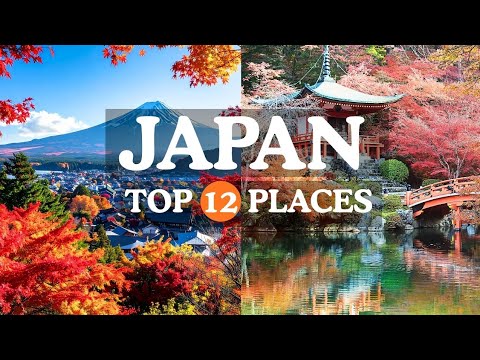
Wonders of Japan | 12 Most Amazing Places in Japan | Japan Travel Guide | Travel Video 4K
[Music] There’s a special feeling that comes with planning a trip to Japan. It’s one of those places that stands apart from the rest of the world because it blends ancient traditions, futuristic ideas, natural beauty, and warm hospitality in a way no other country does. Few destinations can take you from peaceful temples to neon-filled streets, from quiet mountain paths to high-tech attractions, all in the same day. Before we get into the main video, don’t forget to subscribe and tap the notification bell so you don’t miss more incredible destinations around the world. Across Japan, you’ll find places that leave an impression the moment you see them. There are glowing streets filled with giant screens, wooden tea houses that sit along stone paths, floating shrines that rise from the water at high tide, snowy mountain towns that feel untouched, and islands with beaches so calm they look like paintings. These are just a few of the amazing places waiting for travelers. But what truly makes Japan special are the experiences that come with these locations. You might sit on a tatam mat in a small tea house, walk through endless rows of bright orange shrine gates, watch cherry blossoms fall like soft snow, or enjoy steaming bowls of ramen in tiny shops hidden along narrow alleys. You can explore bamboo forests, wander through old castle grounds, meet friendly deer, or take in views from towers that rise far above the city lights. In a moment, these destinations will take us into some of Japan’s most exciting and unforgettable cities. And as we explore together, you’ll see places filled with not just beauty, but rich culture and fun activities that make this country one of the world’s most enchanting destinations for all types of travelers. Number one, Tokyo. Tokyo stands tall as the country’s busiest and most colorful city. The moment you arrive, you notice the energy in the streets with trains running like clockwork and neighborhoods that each feel like their own world. One of Tokyo’s most iconic spots is Shabuya Crossing. Watching thousands of people crossing from every direction is both chaotic and strangely beautiful. It’s the perfect starting point to understand how alive the city is. Another major attraction is the Seno Gi Temple in Asakusa. Its large red gates, long shopping street and incense filled courtyard bring you into a more traditional setting. You can buy small charms, taste local snacks, and walk through the quiet corners around the temple where the atmosphere shifts from lively to peaceful. Tokyo also gives you some of the best views in the country. Tokyo Skytree, the tallest structure in Japan, lets you see the entire city stretching to the horizon. On clear days, you can even spot Mount Fuji resting in the distance. It’s a calm moment high above the buzz of the city and one that stays in your memory long after you leave. For travelers who love entertainment and themed worlds, Odaba is another highlight. This waterfront area has interactive museums, digital art spaces, shopping complexes, and views of the Rainbow Bridge. It’s perfect for families, tech lovers, and anyone who wants something fun and modern. Tokyo is ideal for travelers who enjoy variety from culture and history to food and futuristic attractions. Number two, Kyoto. Kyoto moves at a slower and more graceful pace than Tokyo. It’s a city shaped by temples, gardens, and centuries of traditions still seen in everyday life. One of Kyoto’s most admired locations is the Fushimi Inari Shrine. The path lined with thousands of bright orange Tory gates gives you a calm walk up the hillside. Each gate represents a wish or prayer, and the sound of footsteps and rustling leaves adds a peaceful rhythm to the experience. Another favorite is Caamesea, a wooden temple that sits on a hill overlooking the city. The main terrace stretches out with an open view of Kyoto’s rooftops and mountain ranges. Getting to the temple is a joy on its own. As you walk through old streets filled with pottery shops, sweet makers, and small cafes that feel like they’ve been there for ages. To the west of the city lies the famous bamboo grove. The tall green stalks rise above you like natural pillars, creating a soft, filtered light as you walk through. Nearby, you can also explore the quiet gardens of Tenriuji Temple or take a relaxing boat ride along the river. Kyoto also has Guon, a historic district known for its traditional tea houses. In the evening, the streets glow softly from lanterns, and you might spot a Mo or Geico moving gracefully between appointments. This city is perfect for cultural travelers, photographers, couples, and anyone who enjoys calm, traditional beauty. Number three, Osaka. Osaka brings a lively, friendly, and welcoming feeling. People often describe it as the fun center of Japan, especially if you love good food and energetic streets. The heart of this excitement is Dot and Bori, a stretch filled with bright signs, laughing crowds, and some of the best street food in the country. Trying takoyaki or okanamyaki here is almost a right of passage. Fresh, hot, and cooked right in front of you. A major landmark in Osaka is Osaka Castle, one of the most important castles in Japan’s history. The building’s white walls and green roofs stand proudly in the middle of a large park. You can climb up the castle to get a nice view of the city or explore the museum inside to learn how Osaka grew into the vibrant place it is today. Families and theme park lovers always enjoy Universal Studios Japan. From thrilling rides to character themed areas, the park is full of energy. One of its star attractions is Super Nintendo World, where you can walk through game inspired settings brought to life in colorful detail. For travelers who enjoy markets and local living, Kyramman Ichiba Market offers an entire stretch of fresh seafood, fruit, street snacks, and friendly vendors. It gives you a taste of Osaka’s generous food culture in a more relaxed setting. Osaka fits food lovers, young travelers, families, and visitors who enjoy lively nights filled with lights and laughter. Number four, Saporro. Saporro is the kind of city that feels refreshing from the moment you arrive. It’s spacious, easy to move around, and filled with wide avenues, green parks, and a friendly atmosphere that makes travelers feel welcome right away. What makes Saporro stand out is its blend of modern life and nature. Tall buildings, lively food markets, and snow-covered mountains all exist within minutes of each other. It’s a place where you can enjoy a steaming bowl of ramen at lunch and be on a snowy peak by sunset. A major highlight is the Saporro Snow Festival, one of the largest winter celebrations in the world. For one week every February, Odori Park transforms into a glowing wonderland of ice castles, snow sculptures, detailed carvings, and illuminated displays. Some sculptures are the size of buildings shaped into famous landmarks, cartoon characters, and scenes from Japanese culture. Even if you’re not there in winter, Odori Park remains a central part of the city. A long strip of gardens where locals relax, musicians perform, and seasonal flowers brighten the path. Saporro is also famous for its food culture. The city’s miso ramen is known for its rich and warming broth, especially popular during the cold months. Seafood markets like Nijou Market and Saporro Central Wholesale Market offer fresh crab, scallops, salmon row, and sea urchin, which Hokkaido is known for throughout Asia. Another local favorite is Gangghaskhan, a grilled lamb dish cooked on a dome-shaped pan, usually eaten with friends in lively restaurants. And for dessert, soft serve ice cream made from Hokkaido’s highquality dairy is a must. Nature lovers find plenty to do in Saporro. The ropeway up Mount Moa gives spectacular views of the city’s lights after dark. Often listed as one of Japan’s top night views. Maryama Park provides cherry blossoms in spring, fiery colors in autumn, and peaceful walking paths all year round. The nearby Hokkaido shrine surrounded by forest offers a quiet moment to breathe and enjoy traditional architecture. Saporro suits food lovers, winter travelers, photographers, families, outdoors of visitors, and anyone who enjoys a city that offers comfort and adventure at the same time. Number five, Hiroshima. Hiroshima is a city with a gentle soul. Modern, friendly, and beautifully rebuilt with bright boulevards and welcoming public spaces. Carries its history respectfully, yet it doesn’t feel heavy or overwhelming. Instead, it offers travelers a peaceful, thoughtful, and surprisingly uplifting experience. Many visitors say Hiroshima leaves them with a sense of appreciation for life and a deeper understanding of Japan’s resilience. The city’s heart is the Peace Memorial Park, an area dedicated to reflection and hope. The atomic bomb dome, one of the few structures that remains standing after the explosion, has been carefully preserved as a reminder of the past. Walking through the park, you’ll find memorials, quiet gardens, and the Peace Memorial Museum, which shares personal stories and detailed exhibits. It’s emotional, but it also leaves you with a strong sense of how the city chose to rebuild with kindness and harmony. Just offshore lies Myajima Island, one of Japan’s most iconic destinations. The island’s giant red Tori gate, standing in the water at high tide creates a picture perfect scene that many travelers consider the highlight of their entire trip. The island is also home to Itsuku Shima Shrine, sacred forests, friendly deer, and the hiking trail up Mount Mison, which offers sweeping views of the Sito Inland Sea. You can easily spend a whole day exploring the island’s temples, viewpoints, and charming streets lined with shops selling local snacks like grilled oysters and maple-shaped cakes called mumiji mangju. Back in Hiroshima City, Shakian Garden provides a peaceful escape with winding paths, tea houses, and perfectly shaped landscapes inspired by classical Japanese design. The carp filled ponds and small stone bridges make it ideal for slow walks and photography. Hiroshima is also famous for its unique style of okonamiyaki, where layers of cabbage, noodles, meat, and egg are cooked together on a large hot plate. Many travelers say eating this dish in Hiroshima is a must. Hiroshima is perfect for reflective travelers, families, culture lovers, couples, and anyone looking for meaningful experiences mixed with beautiful scenery and warm hospitality. Number six, N. N is one of the most peaceful cities in Japan. A place where ancient temples, gentle nature, and friendly deer all exist side by side. It’s smaller than Kyoto and Osaka, which gives it a slower rhythm and a charming oldtown feel. Many visitors describe N as a city that makes you slow down without even trying. The most famous attraction is N Park, home to hundreds of free roaming deer that have become symbolic of the city. These deer are considered sacred and have lived alongside people for centuries. Travelers can buy special deer crackers and watch the animals gently bow their heads in return. A moment that feels playful and unforgettable. Within the park stands Temple, one of Japan’s most important historical sites. Inside is a giant bronze Buddha statue standing over 15 m tall, housed in an enormous wooden hall that is said to be one of the largest wooden structures in the world. Nearby is Kasuga Shrine, a beautifully preserved Shinto shrine known for its long stone pathways lined with thousands of lanterns. During special festivals, these lanterns are lit at night, creating one of the most magical scenes in Japan. Visitors often enjoy wandering through the surrounding forest, where smaller shrines and streams give the area a peaceful, sacred atmosphere. Another charming district is Naramachi, the old merchant quarter filled with traditional wooden houses, craft shops, sake breweries, and cozy cafes. It’s the perfect place for slow exploration with narrow lanes that reveal local life at an easy pace. For nature lovers, Mount Wakusa offers gentle hiking trails and open grassy slopes with beautiful views of N’s temples and rooftops, especially during sunset. N suits anyone who loves history, gentle interactions with animals, calm neighborhoods, scenic nature, and traditional culture. It’s ideal for couples, families, firsttime visitors to Japan, and travelers looking for a peaceful change of pace during their adventure. Number seven, Fukuoka. Fukuoka is one of Japan’s most comfortable and easygoing cities. Warm, relaxed, and welcoming from the moment you arrive. It sits by the sea in the southern island of Kyushu, giving it a pleasant climate, fresh seafood, and a beach city atmosphere that feels completely different from Tokyo or Osaka. Travelers love Fukuoka because it delivers a modern experience without feeling rushed. A major highlight is Ohi Park, a huge lakeside area perfect for slow walks, cycling, paddle boats, or simply enjoying the breeze. The park’s calm water pathways surround a central island and connect to the nearby Fukuoka Castle ruins where stone walls and elevated viewpoints offer peaceful views of the city. Right next door is the Fukuoka Art Museum, known for its mix of classic Japanese pieces and surprising modern exhibits. Fukuoka is also famous for its Yatai food stalls which come alive at night. These open air stands serve dishes like haka ramen, yakatori, tempura, and local specialties, all in a casual setting where travelers and locals sit side by side. It’s one of the most enjoyable ways to experience the city’s food culture, and many visitors say eating at a yatai becomes a favorite memory of their trip. Another key attraction is the Zyu Tanangu Shrine, dedicated to the deity of learning. The shrine’s long pathways, vermilion bridges, ponds, and forests create a soothing environment. Nearby, the stunning Kyushu National Museum showcases the history of cultural exchange between Japan and the rest of Asia. For beach lovers, Mimochi Seaside Park offers sandy shores, sunset views, and a modern skyline that lights up beautifully in the evening. Fukuoka suits food lovers, families, slow travelers, city explorers, and anyone who enjoys a friendly, relaxed destination with plenty to see and taste. Number eight, Kobe. Kobe is a stylish port city known for its sophistication, mountain scenery, and world famous food. It sits between the sea and the Rockco mountain range, giving it dramatic views and a refreshing open atmosphere. Kobe has a long history of international influence, which is easy to see in its architecture, food scene, and waterfront design. One of the top attractions is Kobe Harborland, a modern waterfront filled with restaurants, shopping centers, and evening lights that reflect beautifully on the water. The red Kobe Port Tower has become a symbol of the city, and its observation deck gives wide views of the skyline and nearby mountains. A short walk away is American Park, home to public art installations and peaceful seaside walkways. Food lovers know Kobe for Kobe beef, one of the most tender and flavorful meats in the world. Many restaurants in the Santaia and Katano areas prepare it tanyaki style right in front of you. Speaking of Katano, this neighborhood is famous for its Ian houses, old westernstyle buildings left from the time foreign merchants settled here. Today, the houses serve as museums and cultural spaces that showcase European, American, and Asian influences from the past. For nature and panoramic views, travelers take the cable car up Mount Roco, which offers some of the best night views in Japan. The summit area includes gardens, terraces, art museums, and lookout points where the entire urban area glimmers below. Nearby Arma Onen, one of Japan’s oldest hot spring towns, provides relaxing baths in an atmospheric setting with narrow streets and traditional inns. Kobe is perfect for couples, food enthusiasts, architecture lovers, scenic travelers, and visitors who enjoy elegant cities with both nature and culture within reach. Number nine, Nagoya. Nagoya is often overlooked, but travelers who give it a chance discover a city filled with impressive museums, bold architecture, vibrant shopping districts, and a direct connection to Japan’s samurai and industrial history. It’s modern and energetic, but it also has deep cultural roots that appear in unexpected places. One of the city’s signature landmarks is Nagoya Castle, known for its massive stone walls and golden shachoko ornaments perched on the roof. The reconstructed Han Maru Palace built with traditional craftsmanship showcases painted screens, wooden halls, and exquisite details that take you back to the Edeto period. The surrounding park area makes the castle especially beautiful in spring when cherry blossoms fill the grounds. A must visit for technology and automobile enthusiasts is the Toyota Commemorative Museum of Industry and Technology, which traces the evolution of Japanese engineering. Interactive exhibits Impressive machines and beautifully restored looms show how Japan progressed from textiles to worldleading automobiles. Another popular attraction is the Skagv and Railway Park where visitors can explore actual bullet trains, magv models, and detailed train simulators. A dream for kids and train fans. For culture and shopping, OSU shopping district feels lively and colorful with its mix of street food, temples, electronic shops, and secondhand boutiques. In contrast, the Atsuda Shrine offers a quiet and spiritual environment. This sacred site is one of the most important Shinto shrines in Japan and is said to house one of the imperial regalia, the sacred sword Kusanagi. Nagoya’s food scene is distinctive and full of flavor. Travelers often try miso katsu pork cutlet with rich miso sauce. Hitsumab bushi grilled eel served three ways. Tbasaki chicken wings and kishamin noodles. The city is known for bold tastes that leave a strong impression. Nagoya suits food lovers, history fans, tech enthusiasts, families, and travelers who enjoy discovering underrated cities with plenty of substance and character. Number 10, Kanazawa. Kanazawa is a city that feels like stepping back into traditional Japan. With its perfectly preserved Edo period streets, samurai districts, and lush gardens, unlike some of the larger, busier cities, Kanazawa has a calm rhythm, giving visitors a chance to truly absorb the atmosphere of historical Japan. The city’s culture, art, and cuisine make it a must visit for travelers seeking authenticity. One of Kanazawa’s highlights is Kenriquin Garden, considered one of Japan’s top three gardens. Walking along its winding paths through tea houses, ponds, and flowering bridges, visitors experience the harmony of nature and design, the garden changes beautifully with each season. Cherry blossoms in spring, vibrant maples in autumn, and soft snow in winter. Nearby, Kanazawa Castle stands proudly with reconstructed turrets and stone walls. Reflecting the samurai era and offering panoramic views of the garden below, the Higashi Chaya district is another must-see. Lined with traditional wooden tea houses, it’s the perfect place to enjoy matsha tea, watch geisha performances, and explore artisan shops selling gold leaf crafts, kadani pottery, and handmade suites. For art lovers, the 21st century Museum of Contemporary Art provides a modern contrast with interactive exhibits, light installations, and unique architecture. Kanazawa also offers culinary delights. Seafood is incredibly fresh thanks to its proximity to the Sea of Japan, and local specialties like kaga vegetables, crab, sushi, and delicate sweets are highlights. Sampling street snacks along Amako Market gives an authentic taste of local life. Kanazawa is perfect for culture enthusiasts, art lovers, couples, food explorers, and travelers who enjoy peaceful, historically rich cities with layers of charm waiting to be discovered. Number 11, Yokohama. Yokohama is Japan’s modern port city just a short distance from Tokyo and it combines cosmopolitan energy with coastal charm with its wide waterfronts, open plazas, and striking architecture. The city feels open, bright, and vibrant. It’s perfect for travelers looking for a mix of urban excitement and seaside relaxation. The most iconic landmark is Manado Mi 21. A futuristic waterfront district with towering skyscrapers, amusement parks, and shopping centers. The Cosmo Clock 21 Ferris will offers breathtaking views over the city and harbor, especially at sunset. Right nearby, the Cup Noodles Museum provides a playful, interactive experience for families and creative travelers exploring the history of this global food phenomenon. Yokohama is famous for its Chinatown, one of the largest in the world. Vibrant streets, red lanterns, and sizzling street food like schumai buns and stir-fried delicacies create a lively colorful environment. Just outside, the hustle, Sanki Garden provides tranquility with its traditional tea houses, koi ponds, and seasonal flowers. A perfect counterbalance to the city’s energetic vibe. For families and thrill seekers, Yokohama Cosmo World and Rinko Park provide space for fun rides, outdoor picnics, and harbor views. Meanwhile, the Yokohama Red Brick Warehouse is ideal for shopping, dining, and attending seasonal events. Combining history with modern creativity, Yokohama suits families, couples, photographers, food lovers, and travelers who enjoy a dynamic city with scenic waterfront views, historic charm, and cultural richness allinone. Number 12, Nagasaki. Nagasaki is a city with a deeply unique story, blending Japanese, Chinese, Dutch, and Western influences due to its history as one of the country’s few international ports during isolation. Its architecture, neighborhoods, and cuisine are unlike anywhere else in Japan, making it a fascinating place for curious travelers. A major highlight is Glover Garden, a hillside collection of westernstyle mansions from the Maji era. Walking through cobbled paths, lush gardens, and panoramic views of the harbor, visitors get a sense of the city’s international past. Nearby, our church, Japan’s oldest wooden church, offers a quiet glimpse into early Christian history in the country. For those interested in history, Nagasaki Peace Park and the Atomic Bomb Museum provide moving insights into the city’s wartime experience and resilience. These sites are profound and invite reflection, making them essential stops for travelers seeking depth and understanding. The city also offers natural beauty and charming islands. Mounta provides panoramic views of the bay and city, best seen at sunset or during the night illumination. Nearby, Hashima Island, Battleship Island, showcases abandoned ruins and industrial history, offering an adventurous and slightly mysterious excursion. Nagasaki’s food is another highlight with specialties like Champion Noodles, Sarah Udon, Kakuni Manju, and Castella sponge cake reflecting the city’s multicultural influences. Street food stalls, seaside restaurants, and cafes provide plenty of local flavors to explore. Nagasaki is ideal for history buffs, cultural travelers, families, photographers, and anyone looking for a city that balances resilience, culture, nature, and culinary surprises. Its layered history and scenic beauty make it a deeply rewarding destination. As we wrap up our journey through these 12 incredible cities, it’s amazing to reflect on just how diverse and captivating Japan truly is. From the neon lights and bustling streets of Tokyo to the serene temples of Kyoto, the peaceful gardens of Kanazawa and the multicultural charm of Nagasaki, every corner of this country tells its own story. The experiences you can have are endless. Wander through historic districts, stroll along scenic rivers, hike Misty Mountains, or simply enjoy the food and culture that make each city unique. Every traveler, from history lovers to food enthusiasts, from nature adventurers to urban explorers, will find something unforgettable here. Japan shows a balance of tradition and modernity like no other country. Ancient temples coexist with futuristic skylines. Vibrant festivals sit alongside tranquil gardens, and centuries old traditions thrive in cities pulsating with energy. Experiencing all of this is what makes visiting Japan such a once-ina-lifetime adventure. If you’ve enjoyed this journey and are dreaming about your own adventures in Japan, make sure you like this video and subscribe to the channel. Don’t forget to hit the notification bell so you never miss a chance to explore amazing destinations around the world. And for more detailed guides, itineraries, and inspiration about incredible places to visit, check the link in the description. Your next adventure could be just a click away.
Discover the beauty, culture, and history of Japan in this detailed journey through its most captivating cities. This video brings you close to ancient temples, modern skylines, peaceful gardens, and local food scenes that define the country’s charm. Explore each destination with clear insights that make planning easier for first-time visitors and returning travelers. Our Japan Travel Guide highlights the iconic spots, hidden neighborhoods, and stories that give every place its own character. With helpful tips and a smooth flow, this Japan Travel Guide is crafted to make your trip unforgettable. If you’re dreaming of exploring Japan soon, this Japan Travel Guide gives you everything you need to start planning with confidence.
Don’t forget to like, subscribe @UniversalLuxuryTravel and share this Japan travel guide to inspire others to explore more amazing destinations across the world!
Want to discover more breathtaking places around the world? Check out my travel guide books here: https://www.amazon.com/author/universalluxurytravel
👇👇👇
Check out my other videos: https://youtu.be/R5HVx6bOHhs
#Japan #VisitJapan #ExploreJapan
1 Comment
Tell us about your experience and which city tops your bucket list, also discover my travel guide series packed with amazing destinations: https://amazon.com/author/universalluxurytravel