
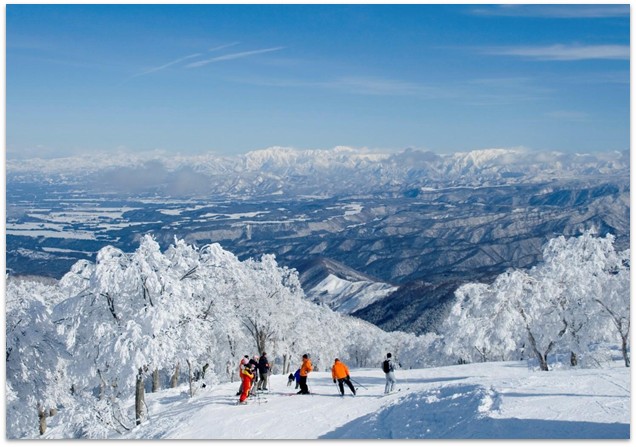
Japan has become one of the hottest international destinations for American travelers post-COVID-19 and that that trend doesn’t seem to be stopping anytime soon. According to the Japanese National Tourism Organization, more than 2.7 million Americans visited Japan in 2024, an all-time record and a 58% increase over 2019.
As more Americans find themselves booking travel to Japan, many are looking for regions outside of Tokyo, Kyoto, and other of the country’s most popular cities. That includes Nagano, the capital of Nagano Prefecture in the Chūbu region of Japan on the island of Honshu, located 80 minutes away from Tokyo via the high-speed Hokuriku Shinkansen bullet train
The region has ramped up tourism efforts aimed at drawing international visitors looking for natural beauty, culture, outdoor sports, and gastronomy.
Recently, at the Japan House in Los Angeles, TMR sat down with Japanese Vice Gov. Shoichiro Seki to discuss the rise of Nagano Prefecture as a destination for American tourists. We discussed the beauty and splendor of Nagano for adventure travelers, including their hot springs, mountains and nature experiences. Nagano—the site of the 1998 Winter Olympics—also offers skiing and snowboarding, as well as wellness-oriented activities for travelers seeking physical and mental rejuvenation.
TMR: What was the mission for this trip?
Seki: A lot of American tourists are coming to Japan and our numbers are on the rise. Among the increasing American travelers to Japan, the most popular itinerary is visiting Tokyo and Osaka, which is often called the Golden Route. We understand that there are repeat travelers to Japan—and even first-timers—who want to visit some other places in addition to Tokyo and Osaka to experience more rural and authentic Japan.
The number of travelers from the U.S. to Japan reached a record high of 2.72 million last year and over 70,000 Americans visited Nagano Prefecture. The U.S. market is a key target for us and during this trip we visited New York, Los Angeles, and Honolulu to try and showcase Nagano. In Los Angeles and Honolulu in particular, we held meetings with travel advisors, who we know are an important influence over U.S. travelers. You can find more details about the participants from Nagano’s tourism industry at the following link: Nagano Travel Trade and Event 2025
TMR: How close is Nagano Prefecture to Tokyo?
Seki: Nagano is in central Japan, heading a little north into our mountains. It takes just about one hour to reach Nagano from Tokyo by bullet train, so it is easily accessible for visitors during a trip to Japan. Sometimes people visit Nagano as a weekend getaway to relax and enjoy the beautiful landscapes there. Visitors will notice when they step off the train that the air is also pure and clean – a stark difference from the big city.
Nagano is home to the Japanese Alps, which consist of three mountain ranges across the prefecture. In fact, 15 of the 23 mountains in Japan that are 9,800 feet or so high are found in Nagano. Hence, its nickname: “the Roof of Japan.”
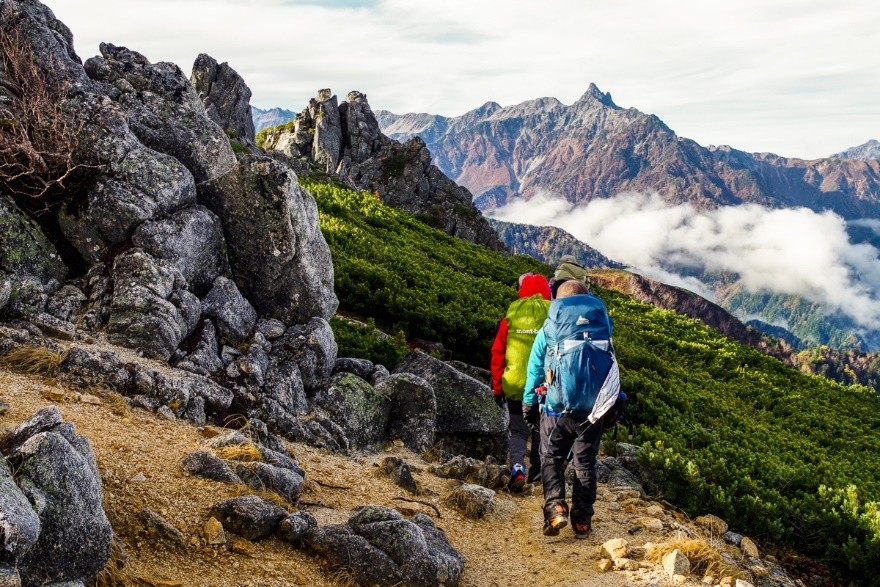
The Panorama Ginza Trail. Photo: GoNagano
TMR: What are some of your favorite attractions in Nagano Prefecture?
Seki: As I mentioned, Nagano is particularly well known for its mountains, but we also have pristine rivers and revitalizing hot springs. Jigokudani Yaen-koen — also known as “Snow Monkey Park”— is a perfect example.
TMR: They look like so much fun.
Seki: I live just a 15-minute walk from the hot spring where snow monkeys enjoy a bath. I take a bath with the same source of hot spring water that the snow monkeys are bathing in. In winter, if you have a chance to go there, you can see snow monkeys relaxing in the bath and relax in the bath yourself.
It’s the only place in the world where wild monkeys bathe in hot springs. Of course, bathing in hot springs here isn’t just for monkeys, as there are so many hot springs visitors can enjoy in the area. There are also more than 700 day-trip hot spring facilities and many ryokan inns.
There’s so much that we want to showcase about Nagano, really showing how it isa travel destination where you can experience the real Japan throughout the four seasons and is the perfect destination for repeat American visitors who want to experience rural Japan, which is not found in the Tokyo metropolitan area.
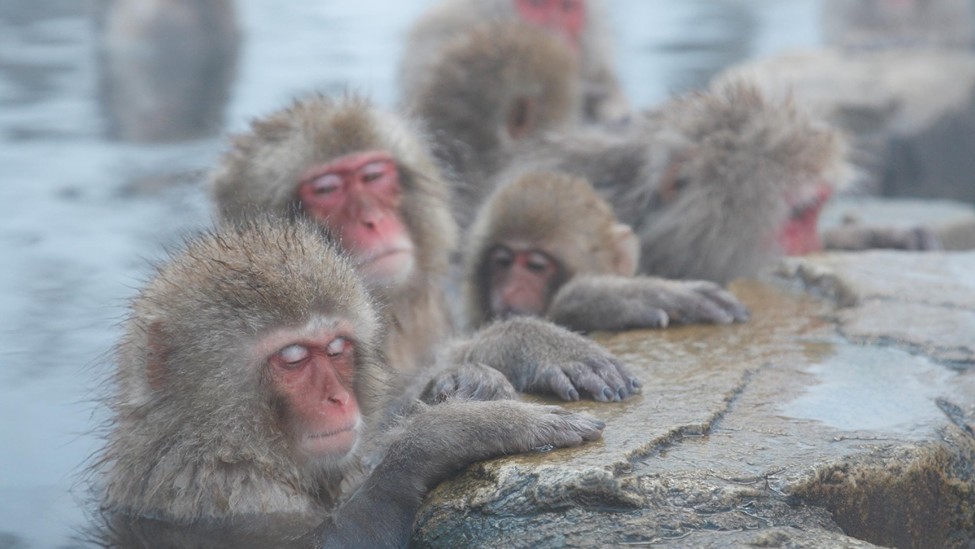
Jigokudani Yaen-koen (Snow Monkey Park). Photo: GoNagano
TMR: How easy is it to get to the hot springs from where one might stay in Nagano?
Seki: In other places, you might have to drive many hours to get to mountains, lakes or rivers, but in Nagano, it is within the city habitat and it’s very compact. You can have a very dense experience in terms of time and accessibility, visiting mountains, lakes, rivers and hot springs in Nagano.
TMR: You can walk to many of these locations?
Seki: Yes, there are many places that you can go to by foot and there is also local transportation, such as community buses and trains. Even if you were doing the famous alpine trekking, you could go from the towns in Nagano for one night and two days and stay at the top of the tall mountains and come back the following day. Everything is conveniently packaged within the destination.
TMR: What are some unique selling points for American travelers to visit Nagano?
Seki: I recommend the Samurai Path, one of the old ancient national highways, which goes through Nagano. Nagano has historically been known for having one of the most vital travel routes in Japanese history. Japan used to have a number of roads connecting Tokyo and Kyoto, with different terrain along each one. The mountain route, called the Nakasendo, stretches 332 miles, with 69 “post towns” along its route where merchants would stop and rest on their journeys. Twenty-six of these “post towns” are in Nagano prefecture, with their old, preserved architecture intact. Travelers who visit these areas will feel as if they’ve stepped back in time.In the old days, there were ninjas. Are you familiar with ninjas?
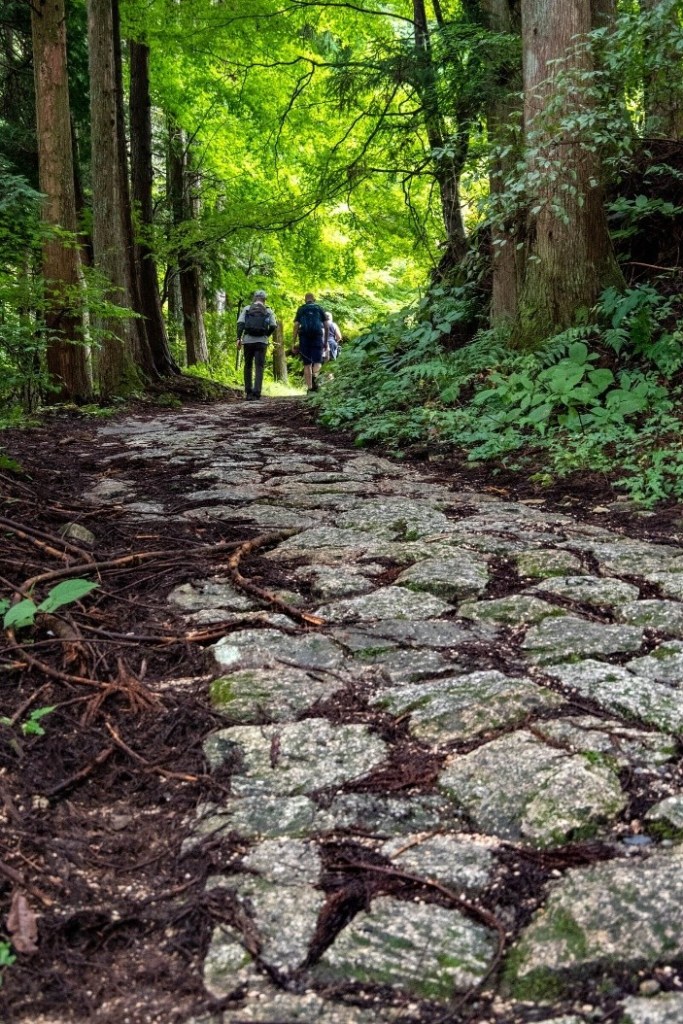
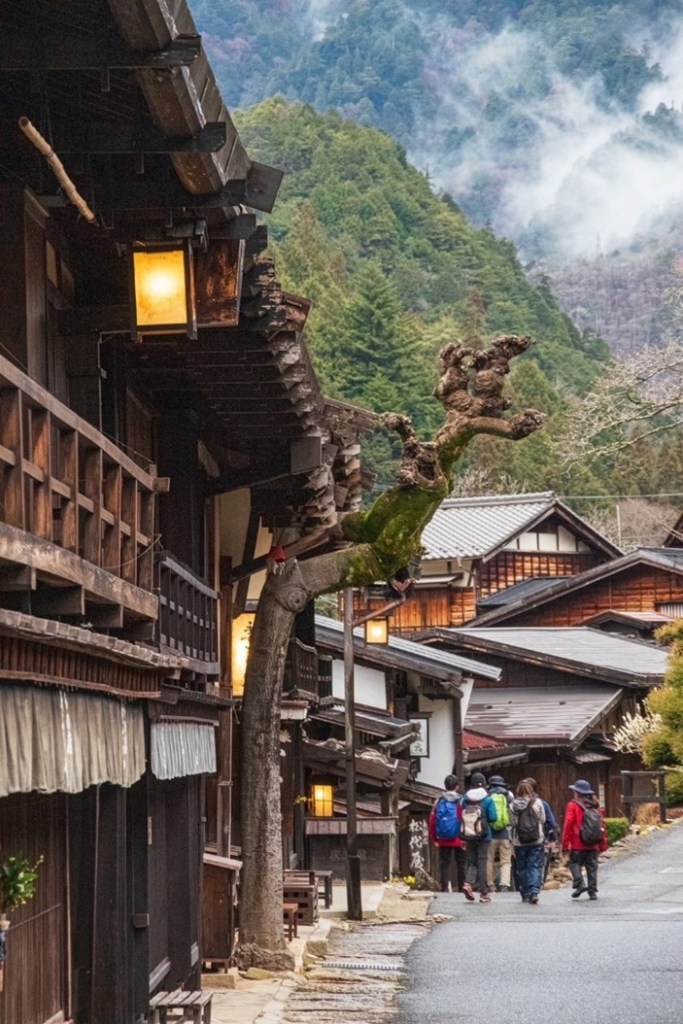
Tsumago-juku. Photo: GoNagano
TMR: Yes! Tom Cruise in the movie The Last Samurai.
Seki: Tom Cruise! Yes. In Nagano, you can immerse yourself in ninja activities and even try your hand at them in the charming town of Togakushi. Known for its deep connection to ninja history, the town also boasts ancient Shinto sites, making it a popular destination for both ninja enthusiasts and pilgrims alike. Nagano also has a few lakes, which can offer a sauna experience. Sauna in Japan is quite huge these days. They combine lakes together with sauna to provide a natural healing experience. For example, the American media is now introducing Nagano Prefecture not only as an international snow resort, but also as a destination for hiking during the green season and for trips to experience history, such as at Zenkoji Temple and the Nakasendo.
TMR: Tell me about the appeal of Nagano’s food?
Seki: Soba buckwheat noodles are locally produced and locally prepared. There is also beef from Nagano, as well as fruit and Japanese wine. There is also Western wine from grapes in Nagano. In terms of local produce, they are all cultivated and harvested in the nature of Nagano, which has very pristine water and clear air. Everything grows to the next level and is very tasty. Nagano boasts quality apples, as well.
First, the representative ingredient is ‘soba noodles.’ Thanks to the clear water and air from the Japanese Alps, Nagano offers soba of higher quality than what is typically found elsewhere in Japan. Its flavor and smooth texture are highly praised by international travelers. Also, the culture of fermented foods like miso, pickles, and soy sauce is also characteristic of Nagano where ancient wisdom and techniques are still passed down today. Miso is a type of paste made from soybeans and is an indispensable ingredient in Japanese cuisine. Nagano produces about half of the miso consumed in Japan.
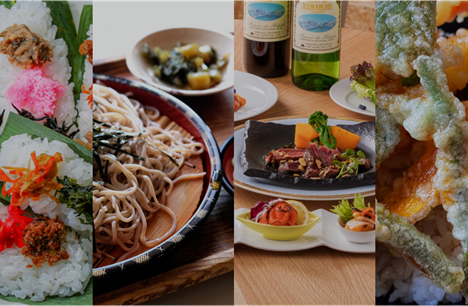
Nagano boasts the exceptional ‘Shinshu Premium Beef.’ This black-haired Japanese beef cattle is raised in Nagano’s rich natural environment and must meet the prefecture’s strict standards to earn the ‘Premium Beef’ designation. Additionally, Nagano’s farmers provide a diverse array of delicious fruits, including apples, grapes, and cherries. Travelers can pick their own fruit to enjoy fresh produce or sample local wines made from the harvested fruit. Furthermore, Nagano ranks among Japan’s top producers of sake, boasting over 80 sake breweries. Nagano Prefecture’s average life expectancy is higher than the national average, and these food cultures support a ‘culture of healthy longevity.’
TMR: Can travelers pick their own apples and grapes in Nagano?
Seki: Yes, there are many farms in Nagano harvesting these fruits, which you can visit and pick strawberries, apples and grapes, as well as you participate in pre-packaged programs that include these visits.
TMR: How do you plan to promote Nagano Prefecture to the US market going forward?
Seki: The number of Americans visiting Japan increases annually, with more repeat visitors. Consequently, travelers are increasingly visiting not only Tokyo, Kyoto, and Mount Fuji, but also more regional areas. Nagano Prefecture’s greatest appeal is its easy access from Tokyo and the fact that ‘a wealth of nature, history, and outdoor experiences are condensed into one prefecture.’ We believe this is a unique strength that is difficult to find in other regions.
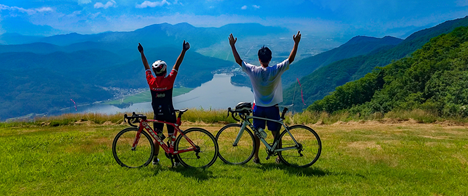
In the U.S., trust in travel agencies remains strong. It is said that affluent travelers, in particular, tend to rely on travel advisors to select high-quality tours and experiential travel. Against this backdrop, Nagano Prefecture is focusing on establishing a coordinator office locally to build and maintain a continuous network with travel advisors and agencies. Additionally, the Nagano Prefecture Tourism Organization is focusing on developing and promoting tour products unique to Nagano Prefecture in collaboration with local tourism businesses. These include a five-day trek traversing the Northern Alps, hiking along the historic Nakasendo Road, and challenging long-distance cycling routes for serious cyclists.
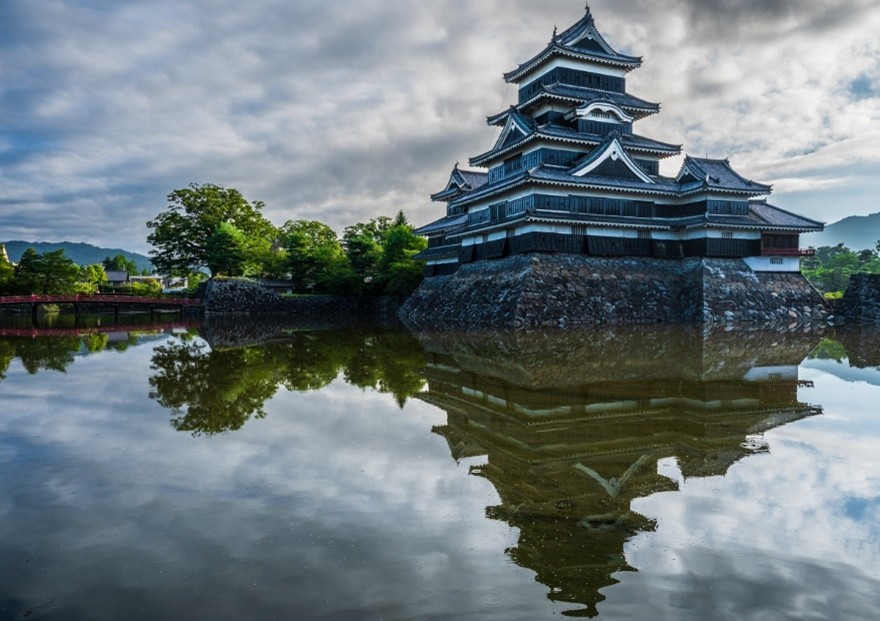
National Treasure Matsumoto Castle. Photo: GoNagano
TMR: Are there other elements of Nagano Prefecture that our readers should be aware of?
Seki: We plan to not only focus on the already popular areas but also explore off-the-beaten-path regions, where product development has been relatively limited. These regions retain strong elements of traditional lifestyles and nature while offering good access from Tokyo, holding great potential as new pillars of regional tourism. Linking them with popular historical routes like the Nakasendo and Kiso Valley enables us to offer more immersive travel experiences.
Currently, we are also collaborating with domestic land operator KODO TRAVEL to develop new experiential products targeting affluent American travelers. In Suwa region, offerings include hands-on local cuisine experiences with village grannies, introductions to fermentation culture, and stays at renowned hot spring inns, providing immersive experiences of regional life.
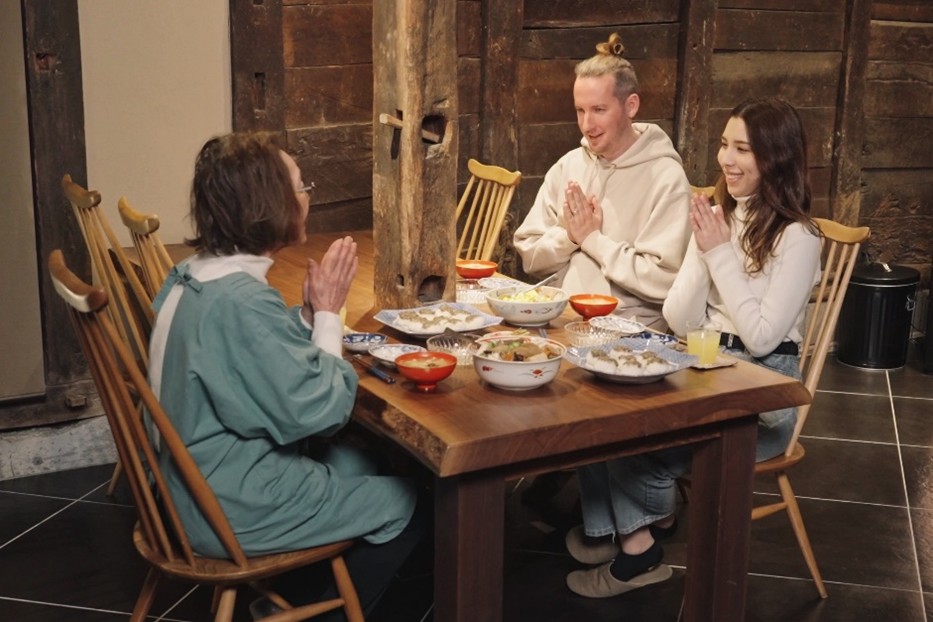
Countryside Cooking with Village Grannies @ Chino Tourism Organization. Photo: GoNagano
In Southern Nagano and Kiso, we are developing routes that combine E-bike cycling along the historic Nakasendo trail and visits to artisan towns like Kiso-Hirasawa, the lacquerware village, alongside routes showcasing seasonal scenery like spring cherry blossoms, early summer fresh greenery, and autumn foliage. These itineraries will bridge the route ‘Tokyo to Suwa/Southern Nagano to Kiso to Nagoya/Kyoto,’ seamlessly integrating into the Golden Route. Positioned as high-value journeys offering authentic regional experiences, they will primarily target the U.S. market.
From The Sponsor
For more information, visit GoNagano or email the team directly at mailto:go-nagano@pref.nagano.lg.jp.
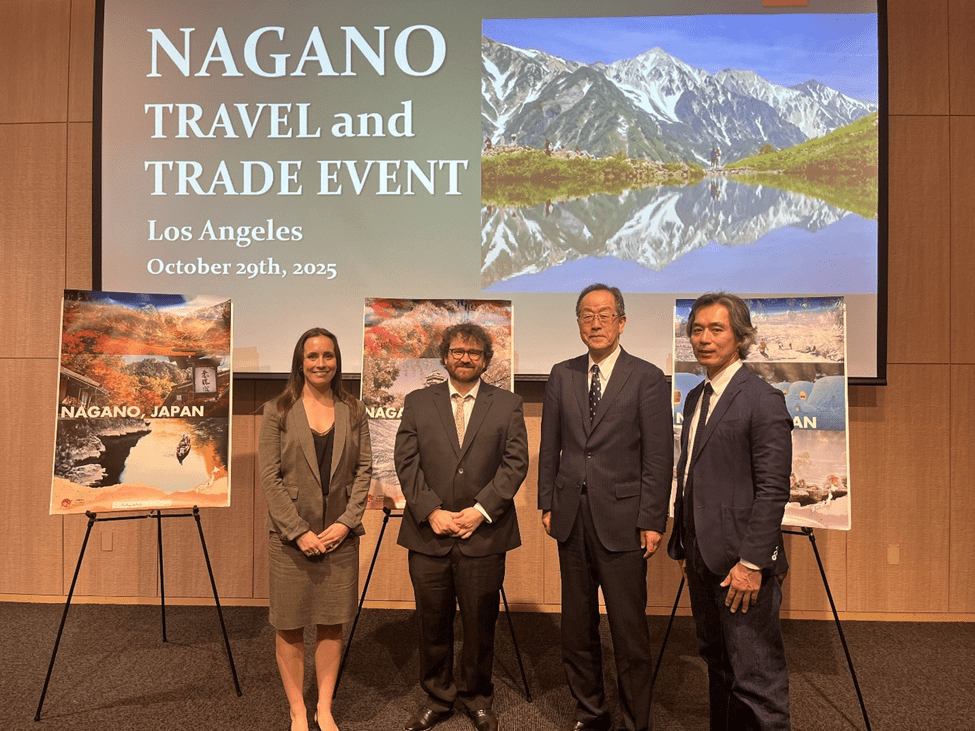
Program held at JAPAN HOUSE Los Angeles. Vice Governor Seki Shoichiro(second from the right)Photo: GoNagano
AloJapan.com