
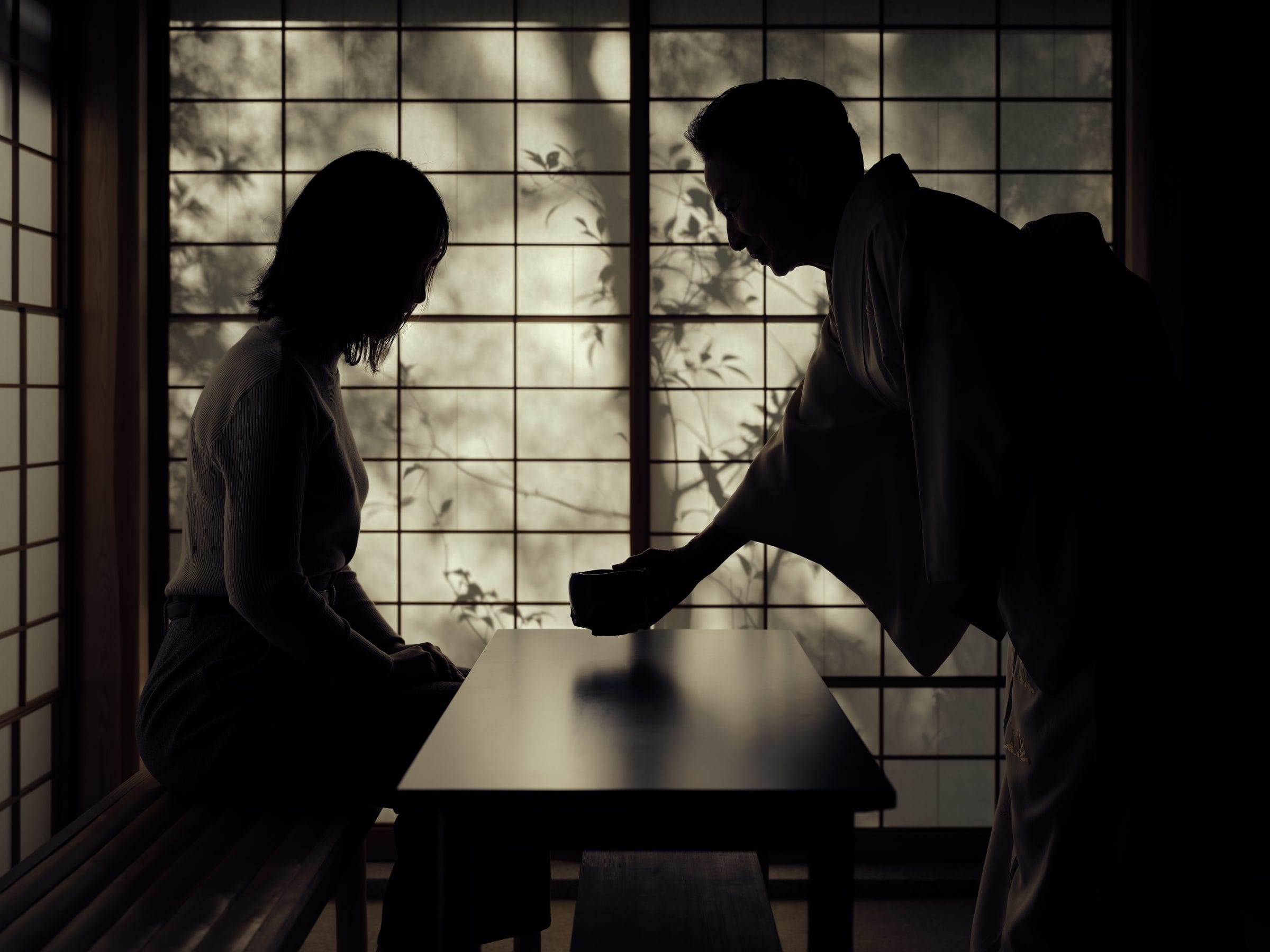
On December 8, 2025, Aman Kyoto opened Tea House Senkutsu, a new sanctuary in the resort’s hidden forest garden. Designed to celebrate Japanese culture and the art of tea, it offers a calm space where guests can experience chanoyu, the Japanese Way of Tea.
The tea house features two rooms, each built for a different style of tea ceremony, allowing visitors to immerse themselves in the tradition.
Set at the end of a moss-covered stone path and overlooking a quiet pond, the tea house fits naturally into Aman Kyoto’s gardens. Inside, the host practises omotenashi, the art of thoughtful hospitality, guiding guests through the ceremony with deliberate movements that bring a sense of harmony and calm.
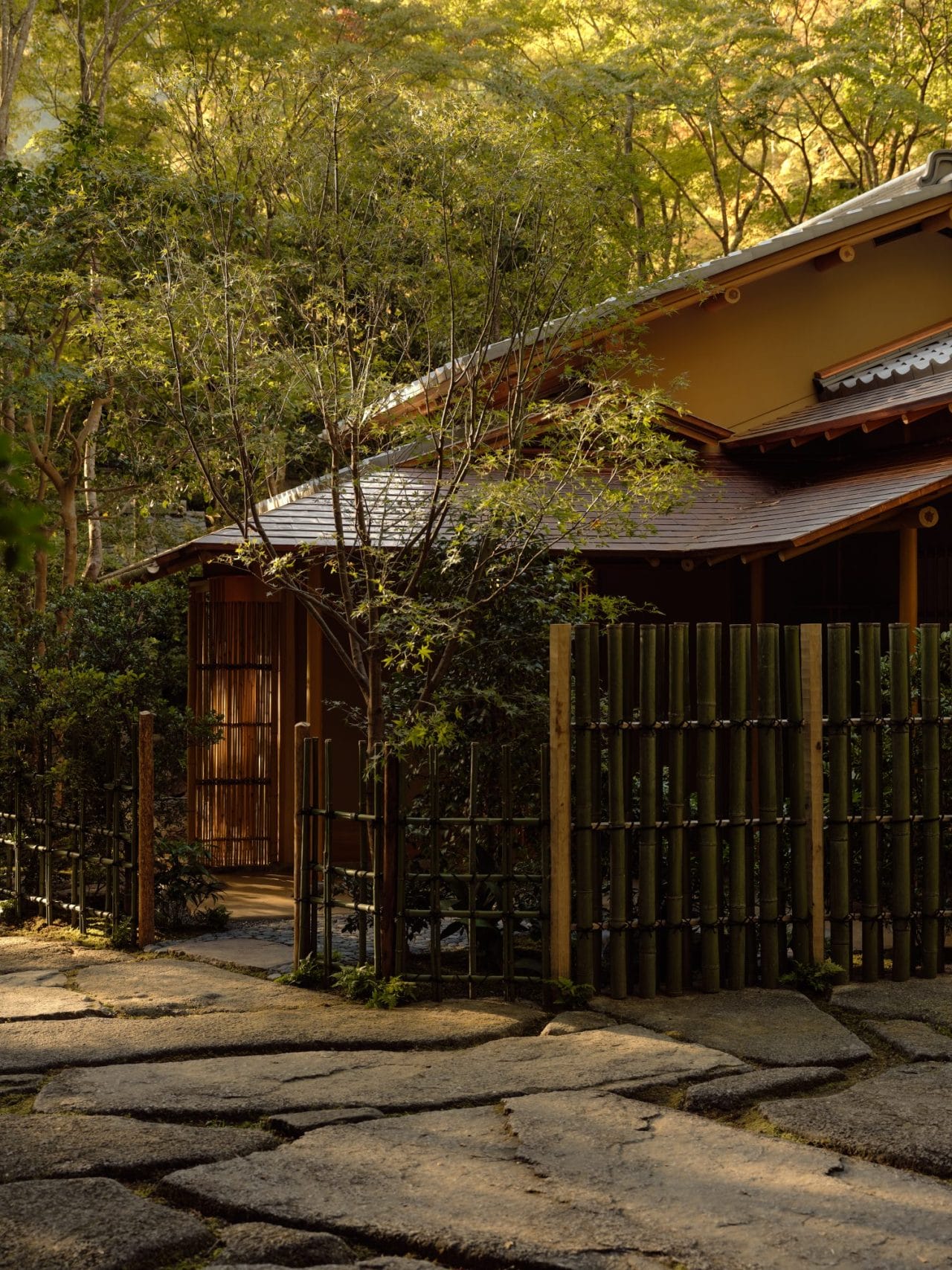
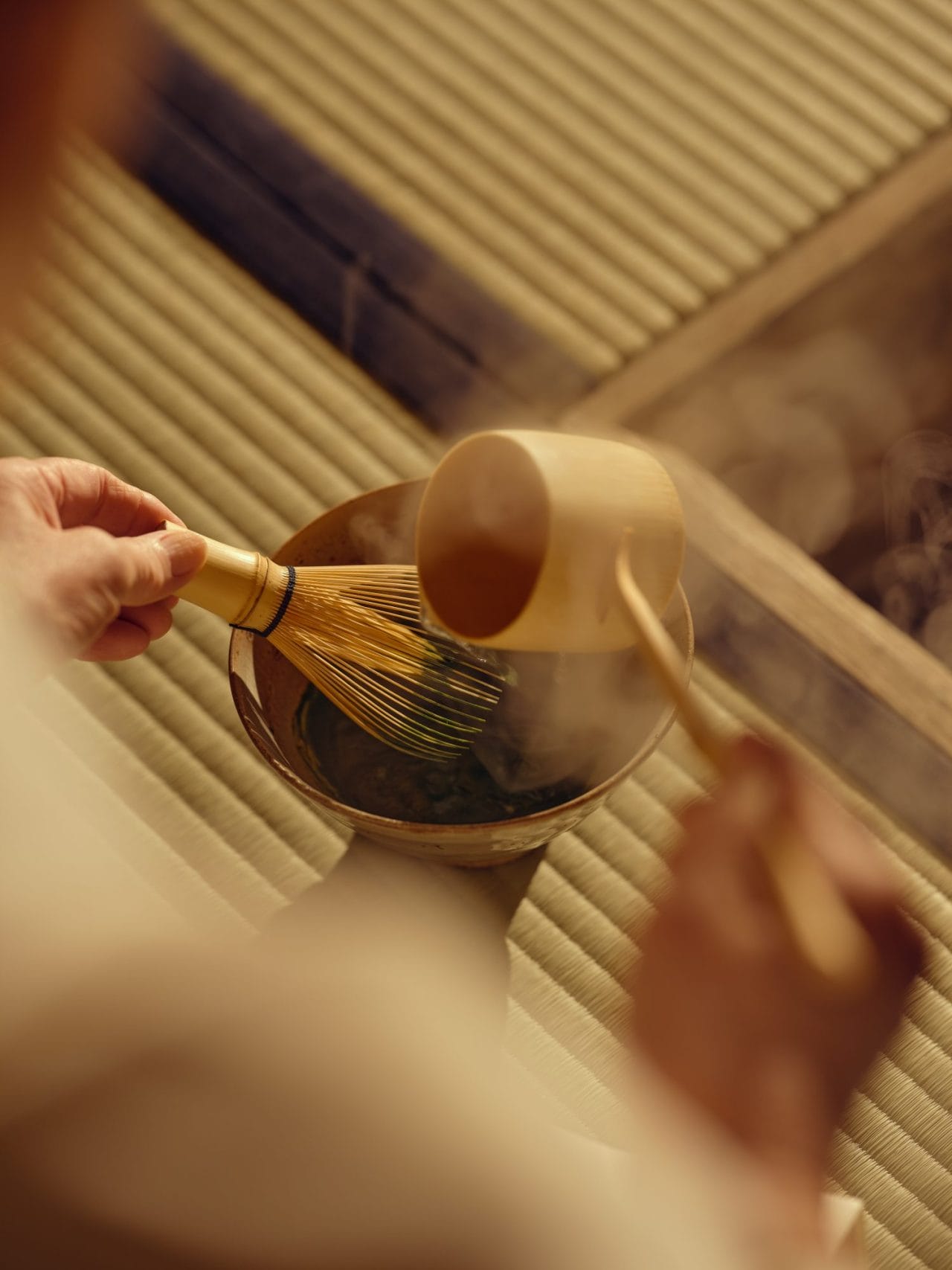
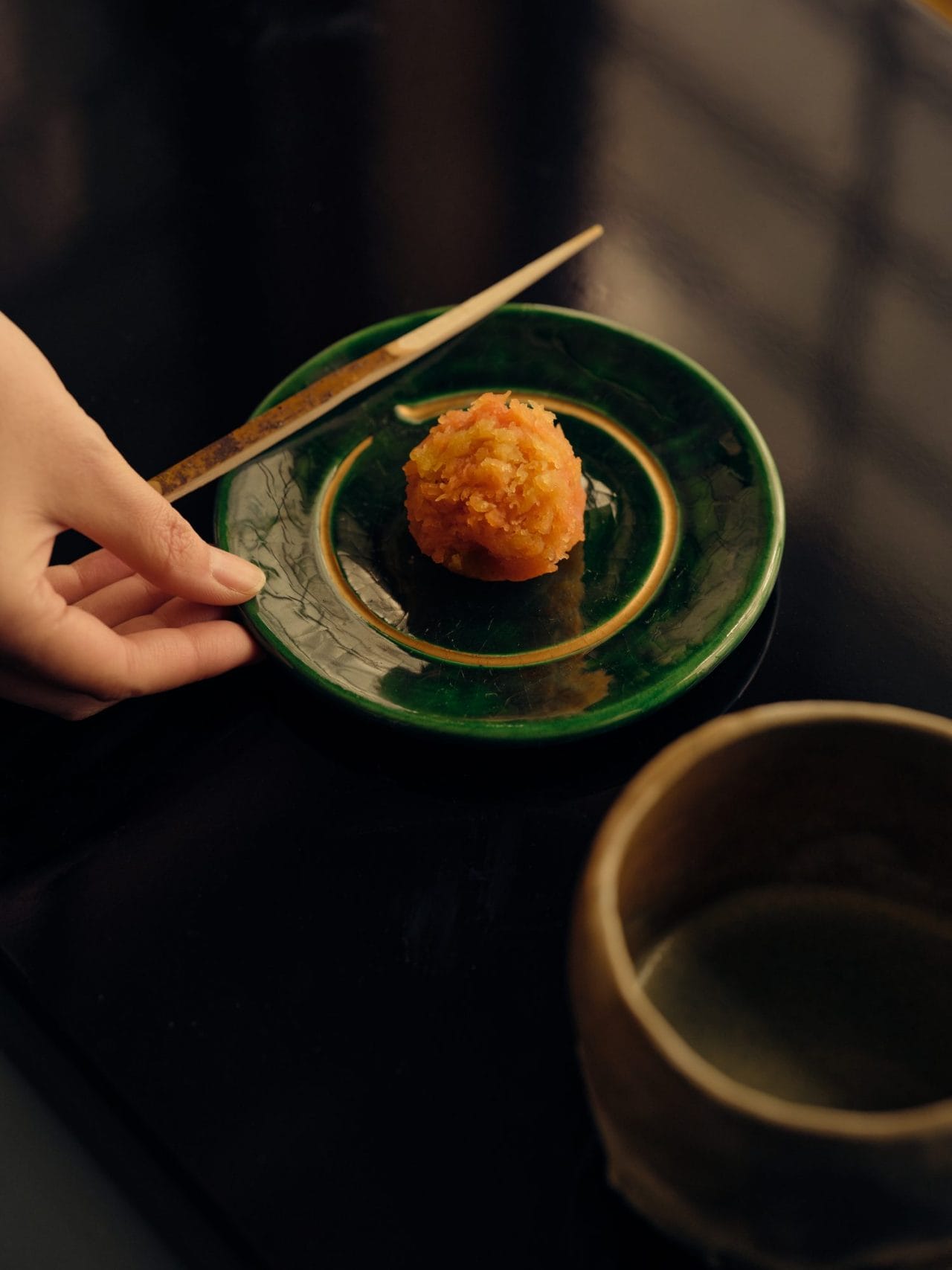
Tea House Senkutsu was designed by SEN ART STUDIO, specialists in traditional sukiya tea house architecture. The design honours the Urasenke school of tea, founded by Sen no Rikyū. Its name, chosen by 16th-generation grand master Zabosai Sen Soshitsu, means “a cave of the master of wisdom,” reflecting a quiet space for reflection.
Nakamura Sotoji Komuten, experts in sukiya-style wooden construction built the tea house. Locally sourced Kitayama cedar and Takagamine soil for the earthen walls highlight the simplicity and harmony of Japanese tea houses, where light, shadow, and natural materials create a sense of calm and timeless elegance.
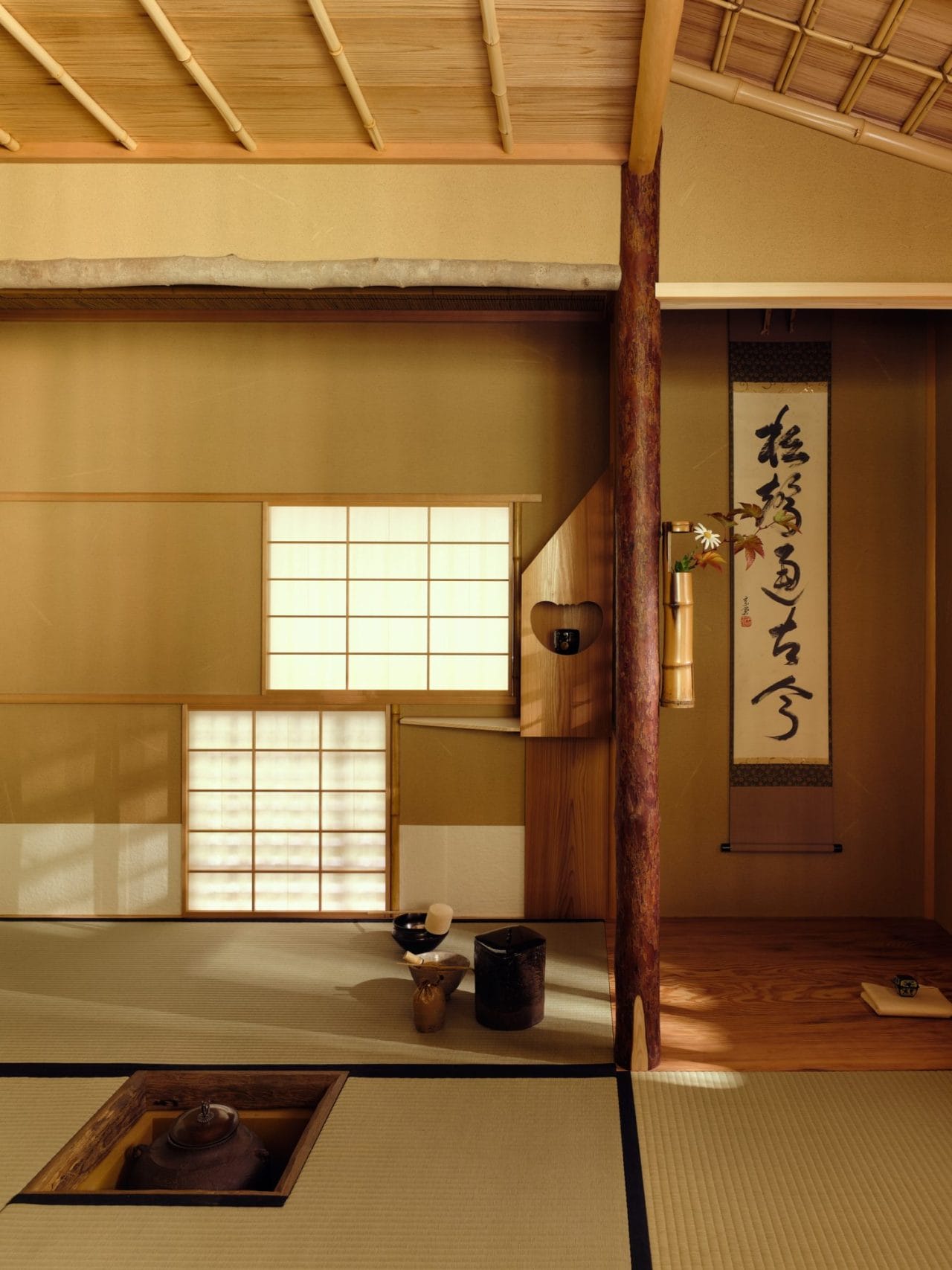
The tea house has two rooms: the koma, a small tatami room for traditional ceremonies, and a chair-seated ryu-rei room for those new to the tea ritual. Guests enter the koma through a low crawl-through doorway, symbolising humility. Inside, four tatami mats, seasonal flowers, a masu-doko alcove, and the scent of fresh tatami create a calm, contemplative atmosphere.
The ryu-rei room is more comfortable and connects to the mizuya preparation space, which also hosts cultural activities like wagashi (Japanese sweets) making, calligraphy, painting, and Ikebana flower arranging. These complement Aman Kyoto’s wider cultural offerings, from Kaiseki dining to meditation sessions with Zen Buddhist monks.
Aman Kyoto’s General Manager, Yasuo Mizobuchi, notes that the resort’s mission is to foster respect and understanding of local culture through experience. Tea House Senkutsu aims to provide guests with a timeless encounter with Japanese aesthetics and the calming spirit of the tea ceremony.
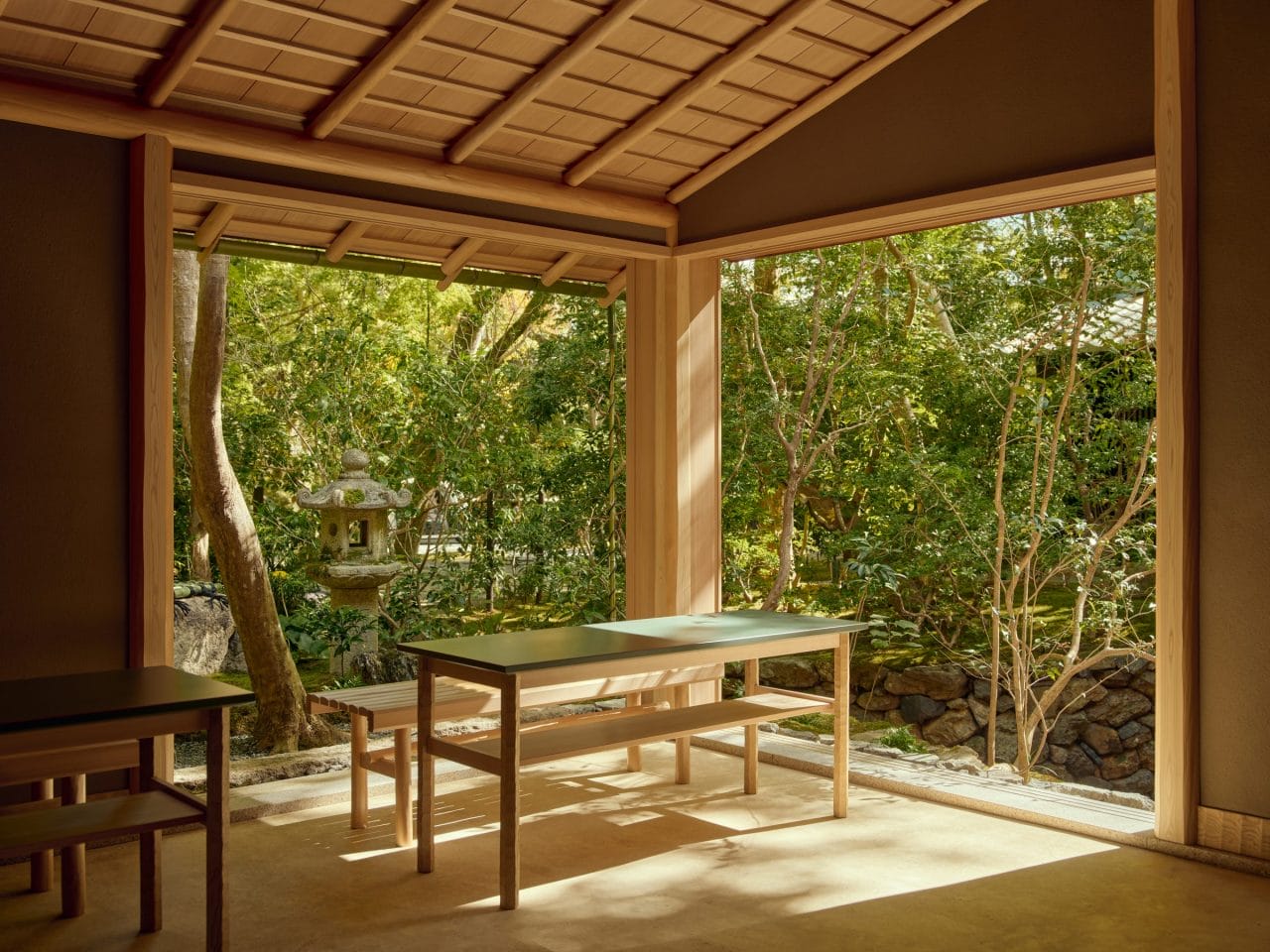
Mr Toyama of SEN ART STUDIO added that the design sought to capture the true spirit of chanoyu while respecting traditional tea house architecture and harmonising with Aman Kyoto’s natural surroundings. The collaboration with master carpenters and artisans has brought to life a refined space that embodies the beauty of the Japanese Way of Tea.
Related
AloJapan.com