
How to Spend 1 Day in Kobe (Japan Travel Itinerary)
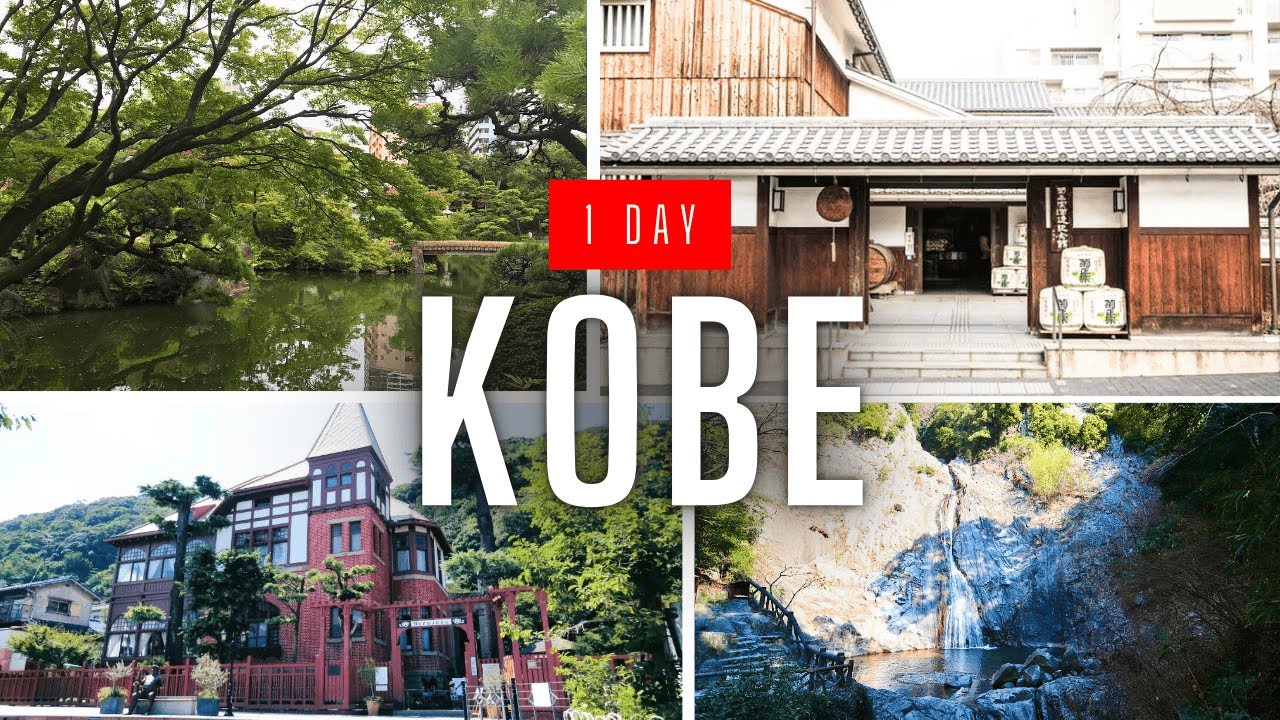
Can you really experience the best of Kobe in just 24 hours? I mean, we’re talking about a city with ancient Shinto shrines, westernstyle mansions from the 1800s, one of Japan’s oldest hotring towns nearby, and breweries that have been perfecting sake for centuries. It sounds impossible, right? Well, I just proved it’s not only possible, but actually the perfect way to see Kobe. I’m about to walk you through my precise 10 location blueprint that transformed my chaotic travel day into the most efficient Kobe adventure possible. Most travelers save sake for the evening, but you want to start at Kiku Masamune Sake Brewery Museum right when it opens at 9:00 a.m. This brewery has been perfecting sake since 1659 in the Natada district, which produces 30% of all premium sake in Japan. When you walk into this restored wooden brew house, you’ll see massive traditional brewing tools and giant wooden vats that tell the story of centuries old craftsmanship. The museum guides you through each stage from the Motoba, where yeast develops to the Faba, where sake gets separated from Le. You can scan QR codes for multilingual explanations throughout your visit. The free tasting room lets you sample freshly pressed, unpasteurized sake that you can’t get anywhere else. The water from Rockco Mountains creates the superior flavor that makes Natada sake legendary. After learning about sake brewing, you need spiritual grounding at Ikuda Ginga Shrine, sitting right in the heart of modern Kobe. Most tourists rush through shrines without understanding their power, but this 1,800-year-old shrine holds special significance as one of Japan’s oldest in the spiritual heart of Kobe. Walk into the sacred Akuta Nomorei forest that survived World War II bombing and countless disasters. Before approaching the main shrine, head to the Chosuya for the purification ritual where you wash your hands and mouth with water. Try the famous Mizu Mikuji water fortunetelling papers that reveal your fortune when dipped in water. Local families come here for business blessings and wedding ceremonies, showing how ancient traditions thrive in this modern port city. Spend 30 minutes participating in the cleansing ritual and drawing your water fortune. While everyone rushes to famous attractions, this traditional Japanese garden hides one of Kobe’s most photogenic secrets. Just minutes from the city center, built in 1885 by a former Kobe mayor, Sarakin represents the perfect blend of Japanese landscape design and western influence that defines Kobe’s unique character. Walk the winding pathways where carefully positioned stones create balance at every turn. The traditional tea house sits perfectly placed for viewing seasonal changes from vibrant spring aelas to rich autumn foliage. Each pathway reveals new perspectives of the landscape, encouraging you to slow down and notice subtle details. The garden’s design principles reflect harmony between nature and human creativity that you’ll see throughout Kobe in different forms. Allocate 40 minutes to walk the circular path and sit in the tea house. Morning light filtering through the trees creates ideal photography conditions and mental preparation for busier attractions ahead. By 11:00 a.m., you need to pulse check modern Kobe life. And this covered shopping street serves as the city’s social heartbeat, where locals and visitors converge. This 1.2 km cultural laboratory, where traditional Japanese retail meets international brands, creates Kobe’s unique commercial identity. Walk under the protective arcade that keeps you comfortable year round while browsing department stores, local boutiques, and street food vendors. You’ll see multilingual signs everywhere and fashion styles that blend Japanese trends with international influences. The food courts offer everything from traditional takyaki to western fast food, showing Kobe’s diverse tastes. Spend 45 minutes walking the full length and grabbing a quick snack. This street shows you how Kobe residents actually live and shop, not just the tourist version of the city. The energy and diversity here give you practical knowledge about local prices and products. Japan has three major Chinatowns, but Kobe’s Nankin Machi offers something the others don’t. Authentic Chinese cuisine filtered through 150 years of Japanese refinement. This compact area packs over 100 restaurants and shops into just a few blocks, creating an intense concentration of flavors and cultural exchange that reflects Kobe’s port city identity. Walk through the ornate gates and red lanterns while the smell of steamed pork buns fills the air. Chinese merchants arrived with the port’s opening in 1868 and created this lasting cultural enclave. You’ll find Roshuki Restaurant in front of Nankin Machi Square where people line up for pork buns that have been popular for over a century. Budget 1 hour for lunch here trying specialties like Budamon steamed buns or ramen. You’re not just eating Chinese food. You’re tasting the story of cultural adaptation and fusion. Every city has observation towers, but Kobe Port Tower’s unique drumshaped design and red steel structure creates the most recognizable skyline in western Japan. The tower stands in American Park, not just for views, but as a symbol of Kobe’s recovery from the devastating 1995 earthquake. American Park spreads across reclaimed land with grassy lawns and modern art installations. You’ll find the earthquake memorial here where a section of damaged waterfront remains preserved as a reminder. The Kobe Maritime Museum’s white steel framework evokes ship sails, housing displays about the port’s history and connection to the outside world. Spend one hour here exploring the park and climbing the tower for 360° views from the rooftop deck. The harbor views and modern architecture create the perfect contrast to your morning’s traditional experiences. After tower views, you need to experience the harbor at ground level. And Harborland delivers waterfront dining and shopping with a distinctly Kobe twist. This isn’t typical tourist shopping. It’s where Kobe residents go for special occasions, offering everything from international brands to local specialties with constant harbor views. The Yumi shopping complex spreads across three sections with mosaic right on the waterfront serving restaurants that overlook Marin Park. Walk along the waterfront prominade where the giant ferris wheel lights up with 120,000 LED bulbs. Check out Gaslight Street with traditional gas lamps that recreate Kobe’s earlyport atmosphere. The renovated Reanga Soo brick warehouses from the 1800s now house bars and cafes. Allocate 1.5 hours for afternoon shopping and possibly an early dinner. The combination of commerce, dining, and harbor views creates the perfect afternoon break while keeping you connected to Kobe’s maritime identity. Most visitors see Kobe from street level, but the city’s true beauty reveals itself only when you rise 400 m above sea level via Japan’s largest herb garden complex. The 10-minute ropeway ride seems simple until you realize you’re ascending into one of the most comprehensive urban flower displays in Asia. With 12 themed gardens spread across the mountainside, the all glass gondelas provide 360° views. As you ascend the Rocco Mountain Chain, you’ll pass by Nunoiki waterfall during your climb while breathing in fresh mountain air that provides cooling relief from city heat. At the top, 75,000 flowers and herbs from 200 different species create fragrant themed areas like the Rose Symphony Garden and Welcome Garden. Plan one to two hours here, including ropeway time. The herb museum teaches you about plants used in traditional Japanese medicine and cooking. By late afternoon, you need to understand how Kobe became Japan’s window to the west. And these preserved foreign residences tell that story better than any museum. When Japan opened to foreign trade in 1868, wealthy western merchants built these elaborate homes on Kitano Hill, creating a European neighborhood that still feels transported from another continent. Walk through over 30 classical westernstyle buildings representing different national styles. The England house from 1907 displays antique furniture and a replica of Sherlock Holmes room. France House features French furniture and Louis Vuitton trunks from 1904. Ben’s house from 1902 showcases stuffed animals collected by hunter Ben Allison. These houses represent the cultural exchange that made Kobe unique among Japanese cities. Blending western comfort with Japanese craftsmanship. Dedicate one hour to walking the historic streets and touring one house. Most tourists never discover that Kobe has beaches, but Suma Beach offers the perfect sunset finale to your cultural marathon with views across Osaka Bay. This white sand beach is where Kobe residents go to decompress, offering clear water and the rare chance to end a city day with your feet in the ocean. The wide sandy beach stretches along the coastline with views of Awaji Island in the distance. As the setting sun creates golden reflections on the water, you can watch fishing boats return to harbor. During spring and October, you get a more tranquil experience compared to the busy summer beach house season. This beach represents Kobe’s livability factor, a major city where you can experience mountains, harbor, culture, and beach all in one day. Spend your final 1 to two hours here watching sunset and reflecting on your day. This 10-stop journey proves Kobe’s unique position as Japan’s most accessible cultural fusion city, where ancient traditions, international influences, and natural beauty converge in walkable distances. Follow this exact sequence for maximum cultural impact and time efficiency. Kobe offers what most travelers seek but rarely find. Authentic cultural depth without tourist overwhelm. Sometimes the best travel experiences come from cities that don’t try too hard to impress. If this itinerary helped you plan your Kobe adventure, hit that like button and subscribe for more Japan travel guides. Drop a comment below telling me which stop excited you most or share your own Kobe experiences when you follow this route.
Planning a Kobe day trip and not sure how to fit everything into 24 hours? In this video, “How to Spend 1 Day in Kobe (Japan Travel Itinerary),” you’ll get a simple, step-by-step 1 day in Kobe plan that covers shrines, gardens, harbor views, and tasty local food. This Kobe Japan travel guide is perfect if you’re visiting from Osaka or Kyoto and want an easy, no-stress Kobe itinerary you can follow in one day.
We’ll start with traditional sake breweries, visit one of Japan’s oldest shrines, relax in a peaceful Japanese garden, and explore busy shopping streets and Nankinmachi (Kobe’s Chinatown) for street food. Then we head to Meriken Park, Kobe Port Tower, Harborland, and a scenic ropeway for city views—finishing the day at the beach for sunset. If this Kobe day trip guide helps you plan your Japan travel, don’t forget to like the video, subscribe for more itineraries, and comment with how you’d spend your perfect day in Kobe!
AloJapan.com