
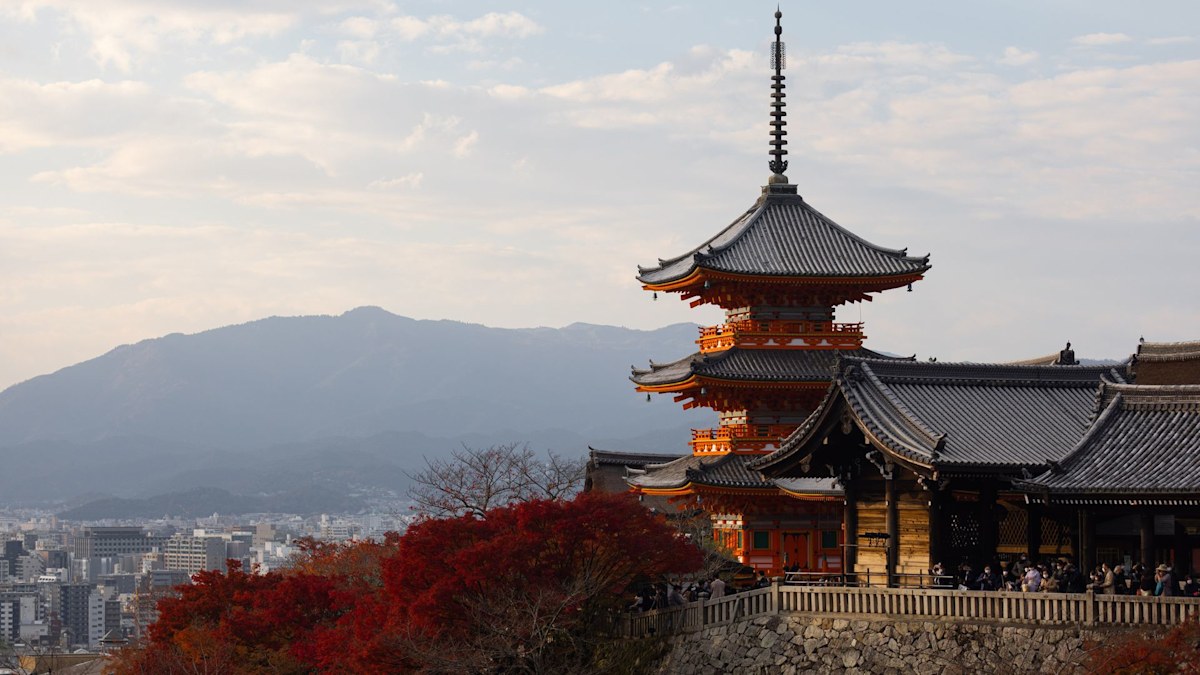
There’s a calm that greets you the moment you arrive in Kyoto. Driving in from Osaka Airport, the city slowly unfolds, a seamless blend of old and new, where glass-fronted buildings give way to temples, gardens and quiet neighbourhood streets. This trip was particularly special as it was a solo adventure. My first time in Japan, and a long-anticipated one. As someone who values her own space and loves to spend time alone, the idea of travelling across the world and immersing myself in a completely new culture was both exciting and a little daunting. But Kyoto turned out to be the perfect place to do it.
This city turned out to be everything I had imagined and more: minimalist in design, deeply rooted in tradition, surrounded by nature and guided by a quiet sense of spirituality and connection. It’s one of those rare destinations that makes you feel instantly grounded (I didn’t even suffer from jet lag), a place that invites you to slow down and simply take it all in.
Banyan Tree Higashiyama: A sanctuary for the senses
After a long journey from London to Osaka, with a quick and unexpected 24-hour stop in Dubai, I finally arrived at my first stay, Banyan Tree Higashiyama Kyoto. The brand’s first Japanese property, it’s one of the city’s most tranquil new openings, tucked into bamboo-covered hills near the iconic Kiyomizu-dera Temple. Everything about it feels intentionally peaceful, a place designed for reflection and reconnection.
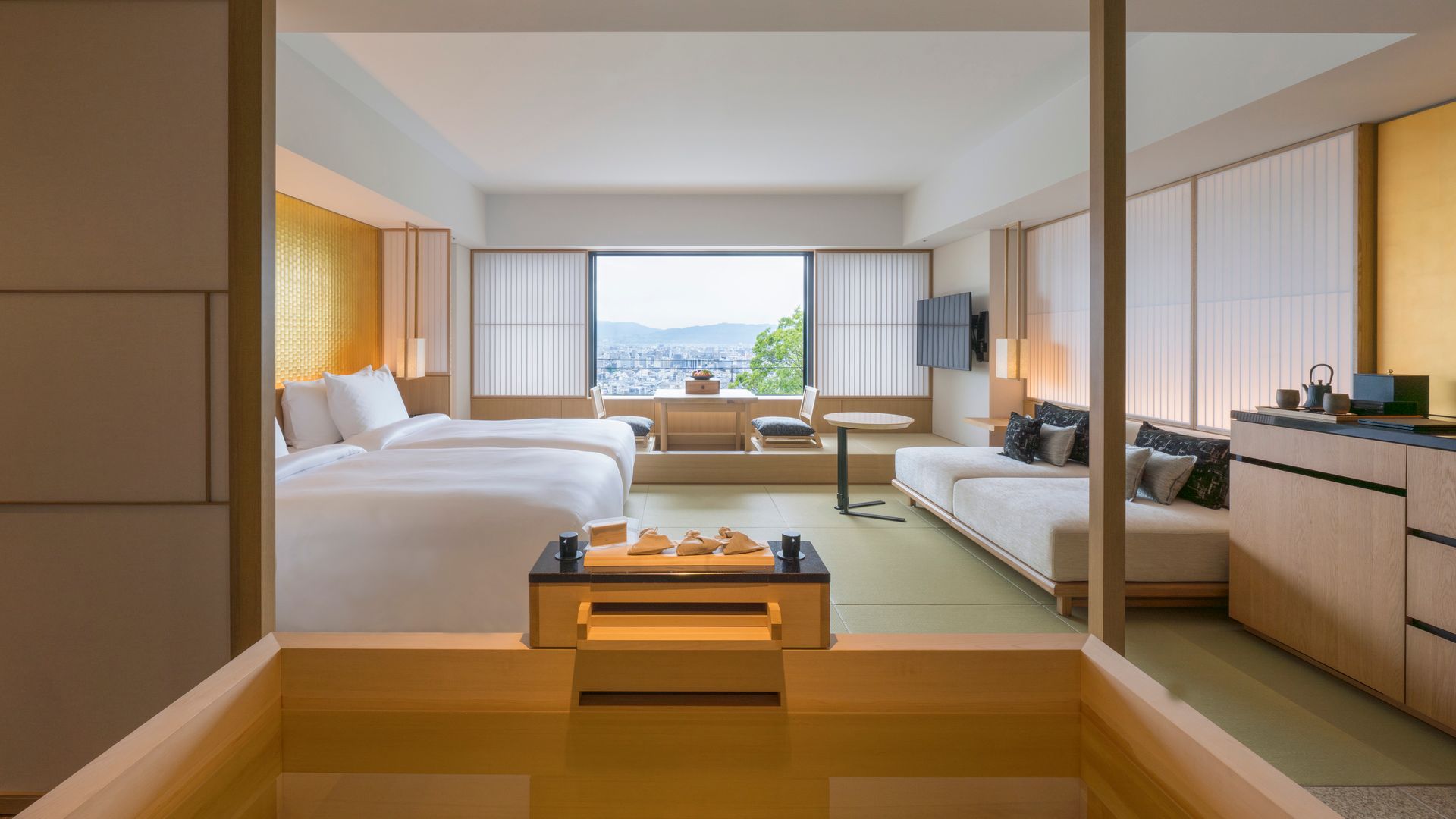 Serenity room Banyan Tree Higashiyama
Created by renowned architect Kengo Kuma, the property blends modern elegance with timeless Japanese craftsmanship. My room felt beautifully authentic, from the horigotatsu (a traditional sunken table for tea) to the private onsen bath overlooking a small garden. Thoughtful touches, like the soft kimonos and wooden sandals left for guests to wear to dinner and breakfast, added to the sense of immersion. It had every comfort imaginable to help unwind and recover from the long journey.
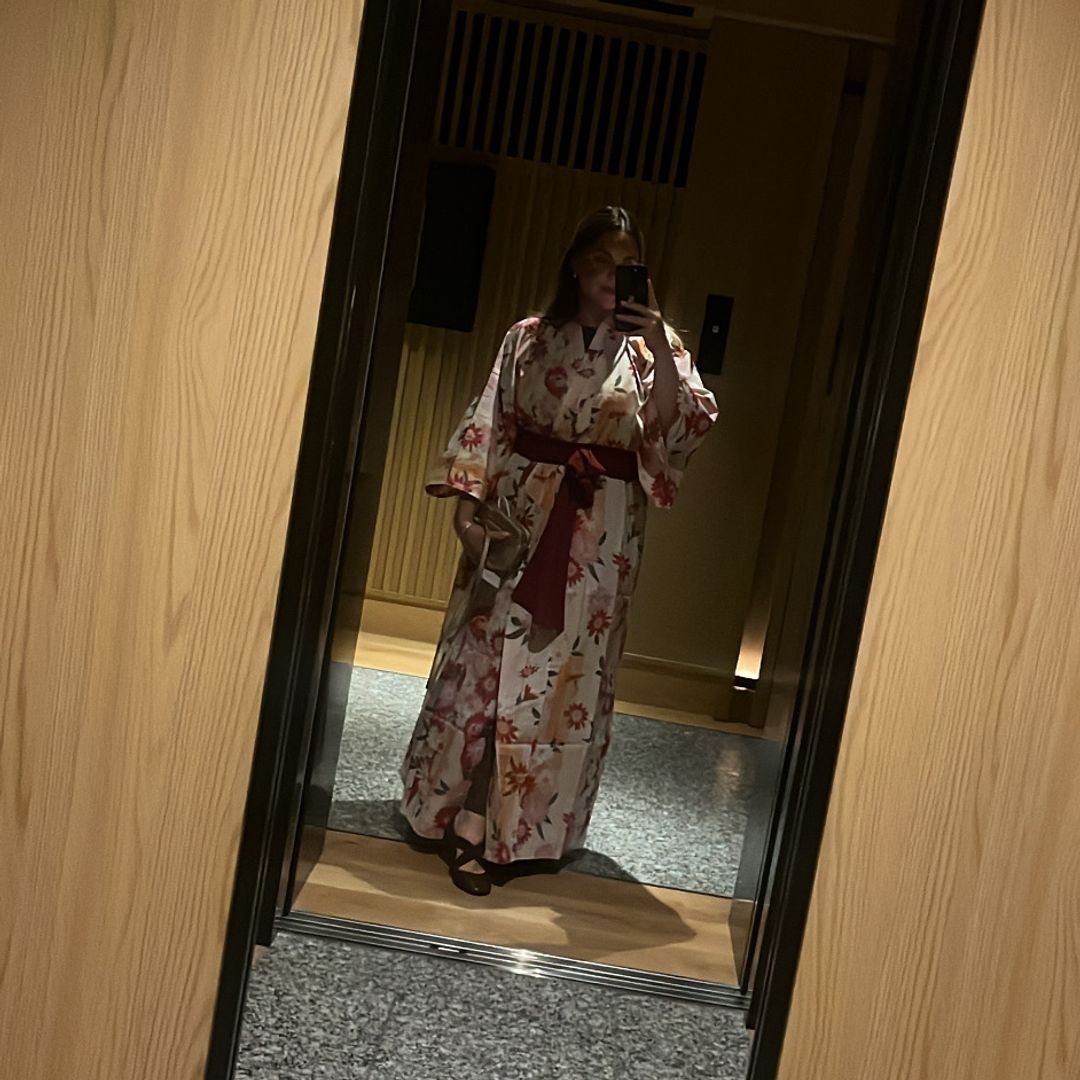 Kimono dinner
The Banyan Tree Spa was as serene as expected, and my massage was nothing short of incredible, perfectly timed after an early morning private yoga class at 6am in the hotel’s bamboo pavilion. Surrounded by still bamboo and gentle mist, the experience felt like stepping out of time, a rare pause that set the tone for the rest of my stay.
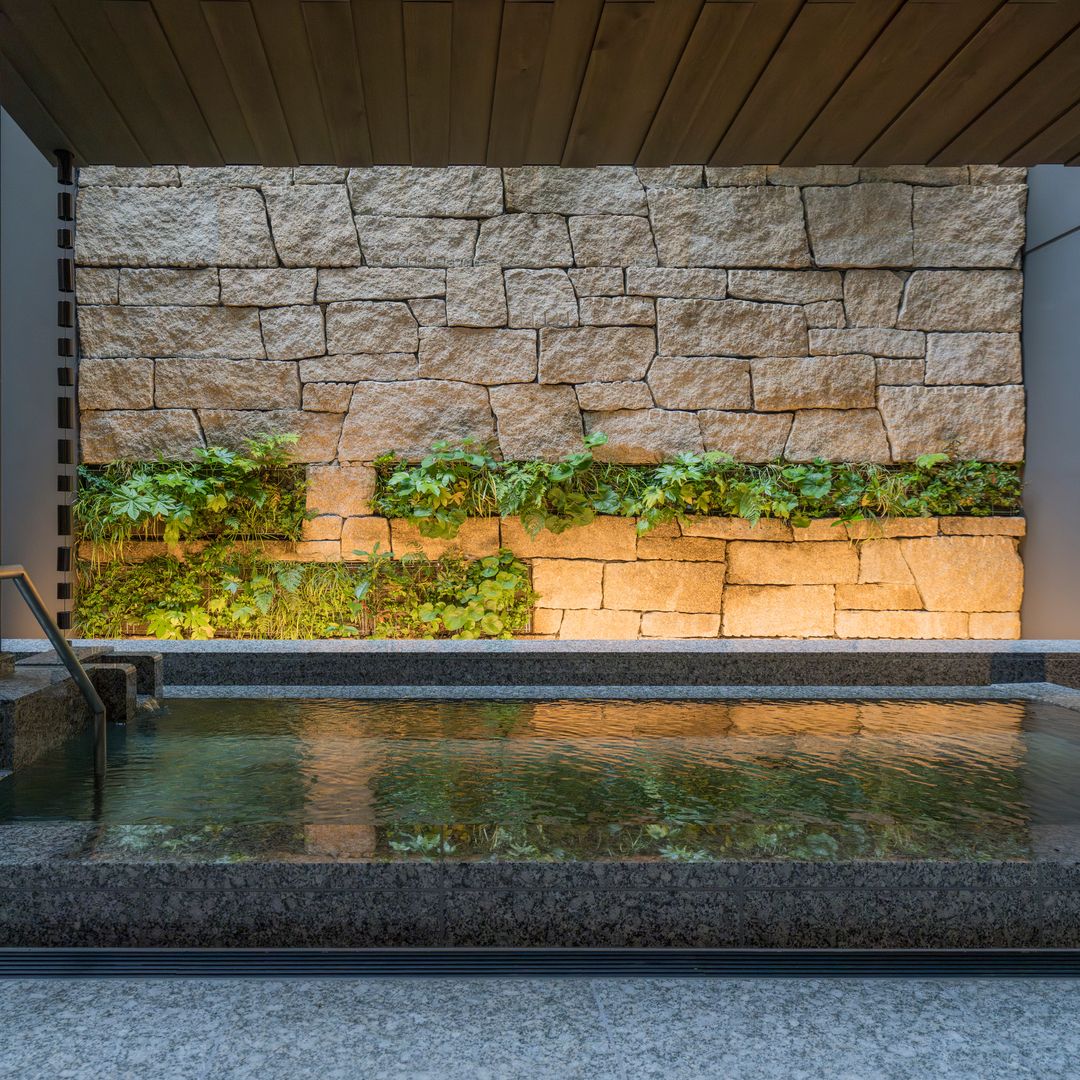 Onsen pool
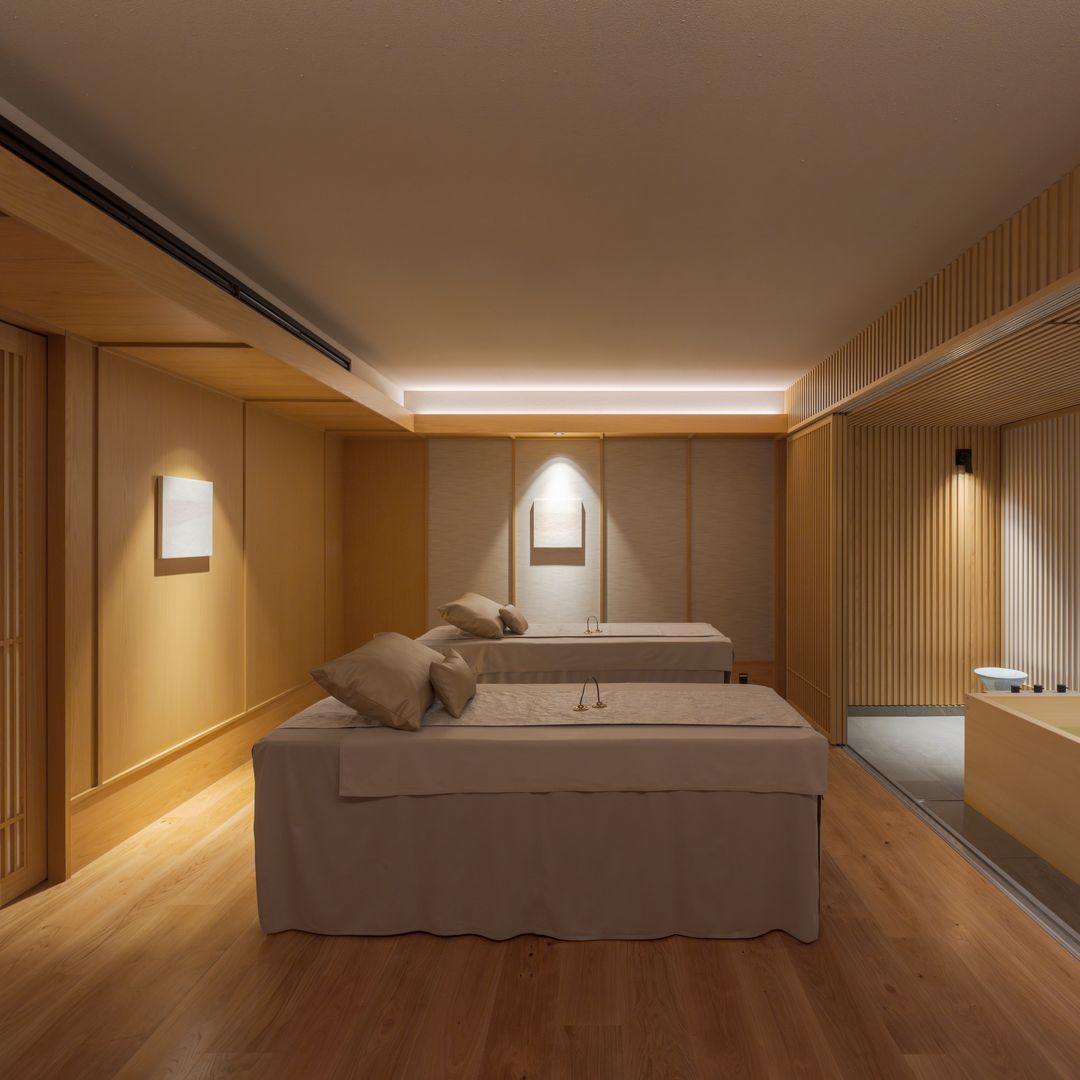 Spa treatment room
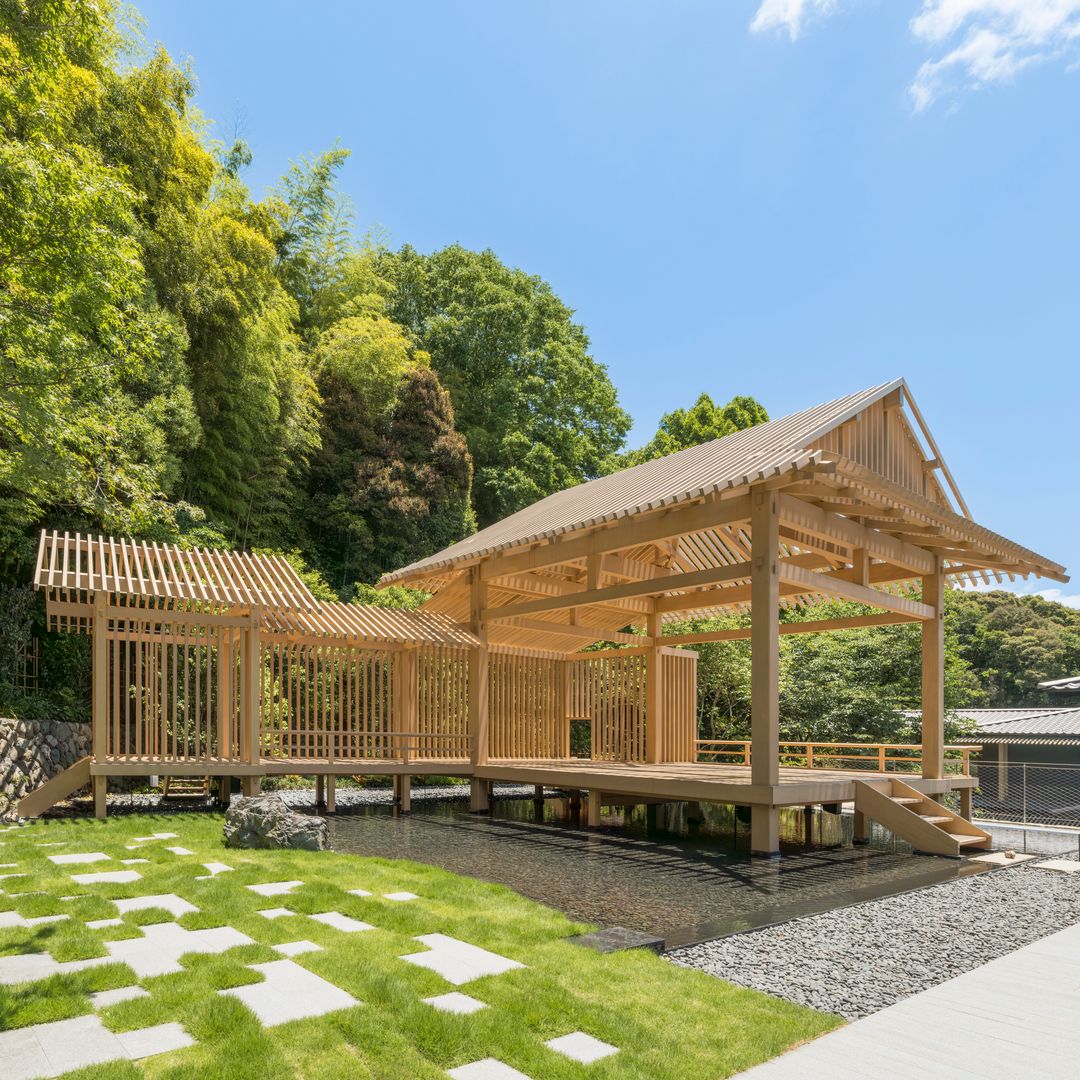 Bamboo Pavilion
Dinner at Ryozen was a true celebration of Kyoto’s culinary artistry. My first meal there was a kaiseki-style tasting menu, beautifully presented and unfolding course by course, from seasonal Kyoto vegetables and delicate sashimi to a rich, umami-packed broth that had been aged for years. I also sampled a selection of local sake, including a sparkling variety that instantly became my favourite, so much so that I ordered a glass every night for the rest of my stay.
The evenings often feature traditional performances such as Maiko and Geisha shows, adding an elegant glimpse into Kyoto’s cultural heritage while you dine. The restaurant also serves breakfast, offering both traditional Japanese dishes and a Western-style menu, along with a beautifully presented afternoon tea.
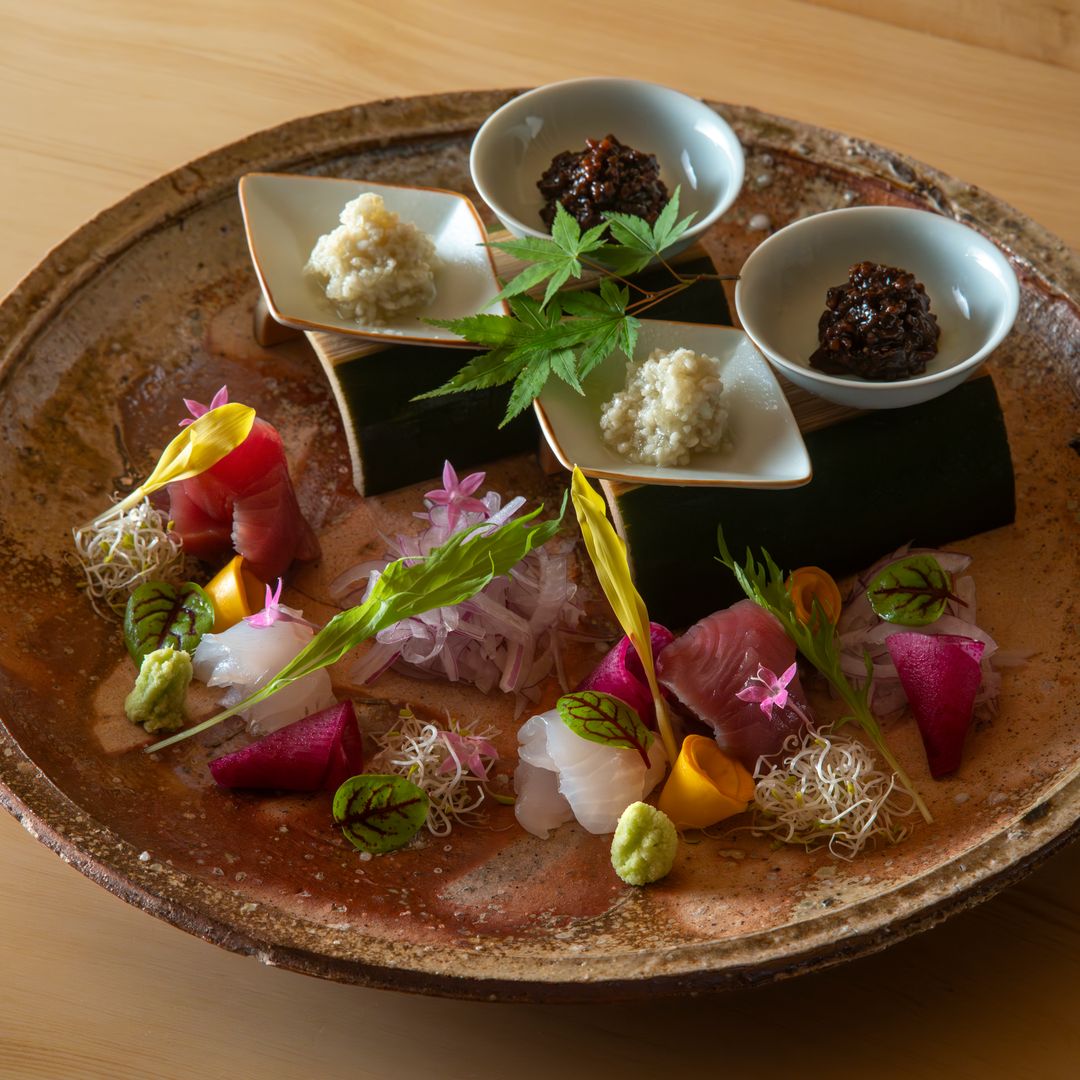
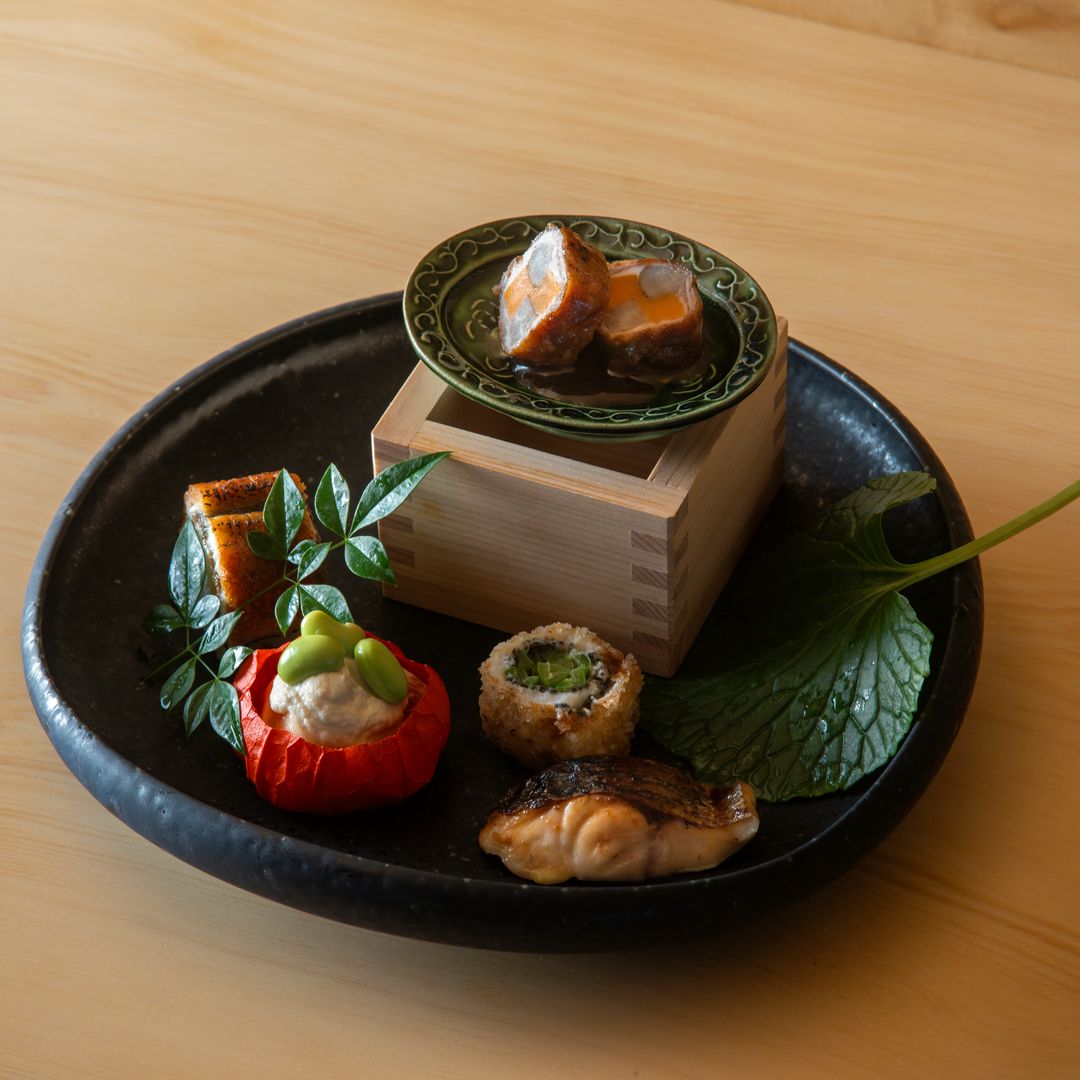
 Maiko and Geisha performance at Ryozen restaurant
Garrya Nijo Castle: Contemporary calm by the castle walls
A short drive across town brought me to Garrya Nijo Castle Kyoto for my third and fourth nights, a minimalist escape overlooking the UNESCO-listed Nijo Castle. The contrast with Banyan Tree’s meditative luxury was striking: more contemporary, smaller in scale, yet equally warm and welcoming.
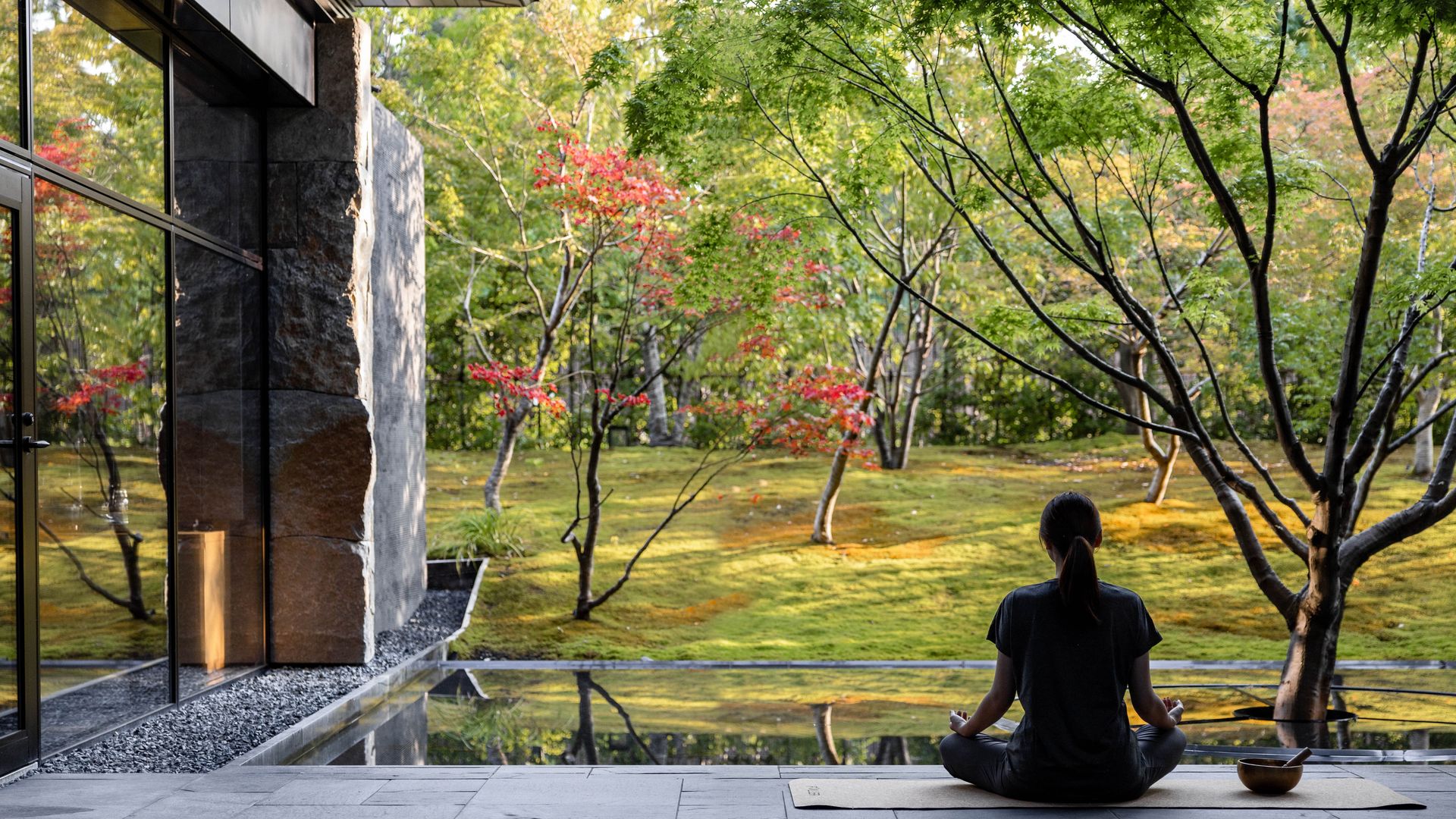 Lobby garden at Garrya Nijo Castle
The first thing that caught my eye was the lobby, where the reflection of the Japanese garden on polished black stone makes you feel as though you’re standing inside the landscape itself. With only 25 rooms, the hotel feels wonderfully intimate and peaceful.


Singular, the hotel’s sole restaurant, has earned two Michelin Keys and offers a refined fusion of Japanese and Western cuisine that’s as beautiful as it is balanced. On my first night, I enjoyed their multi-course set menu, more than six dishes, each meticulously executed and presented like art. The following morning, I opted for their pancake breakfast, one of several set menu options, and it did not disappoint. Their attention to detail is absolute perfection, from presentation to flavour and service.
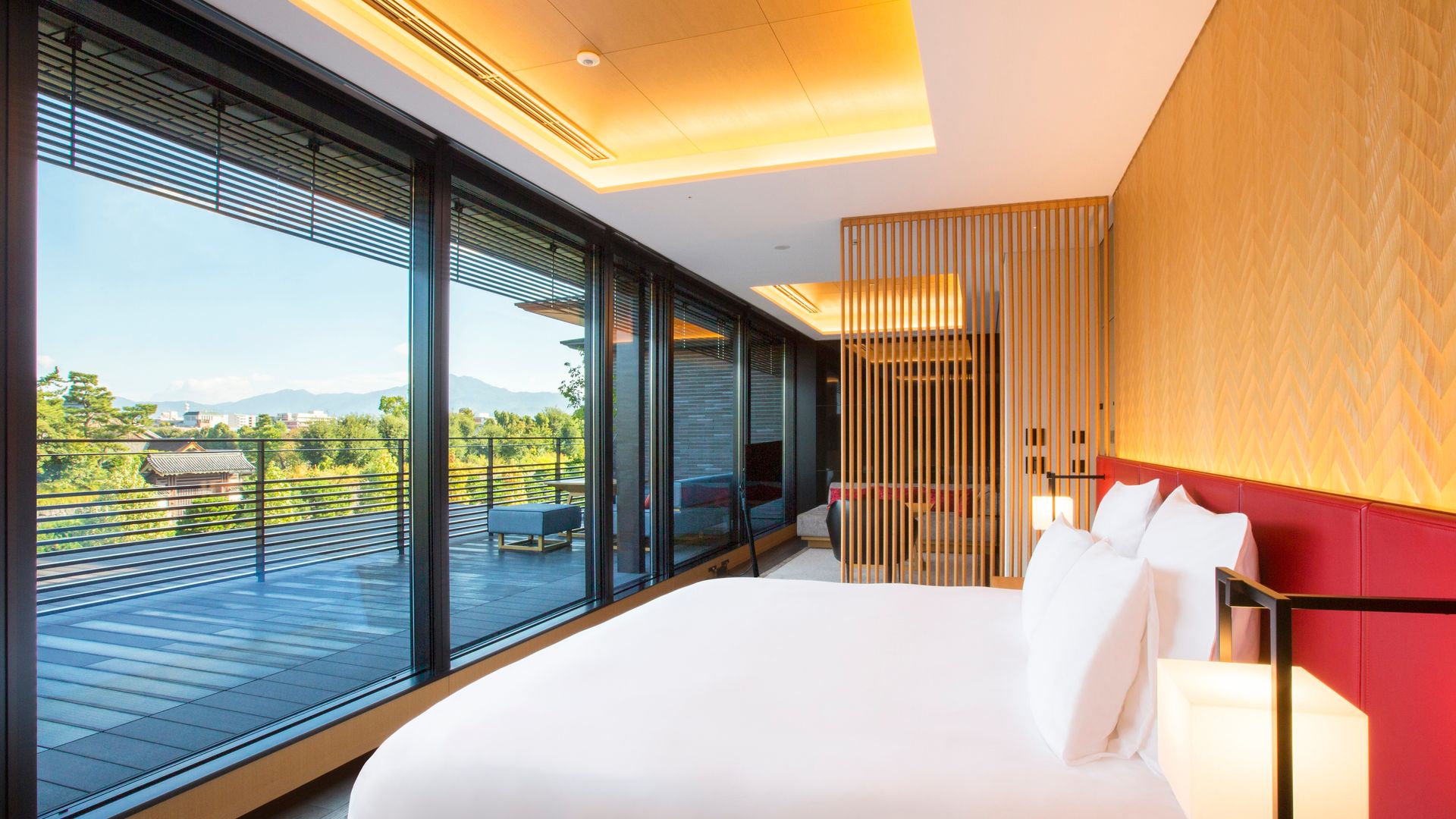 Rikyu Terrace view room
Kyoto experiences not to miss
Allow at least four days to truly experience Kyoto’s magic. A rickshaw ride through Gion’s narrow streets offers one of the most charming perspectives of the city, gliding past wooden teahouses and centuries-old temples as local guides share stories of its rich history and traditions.
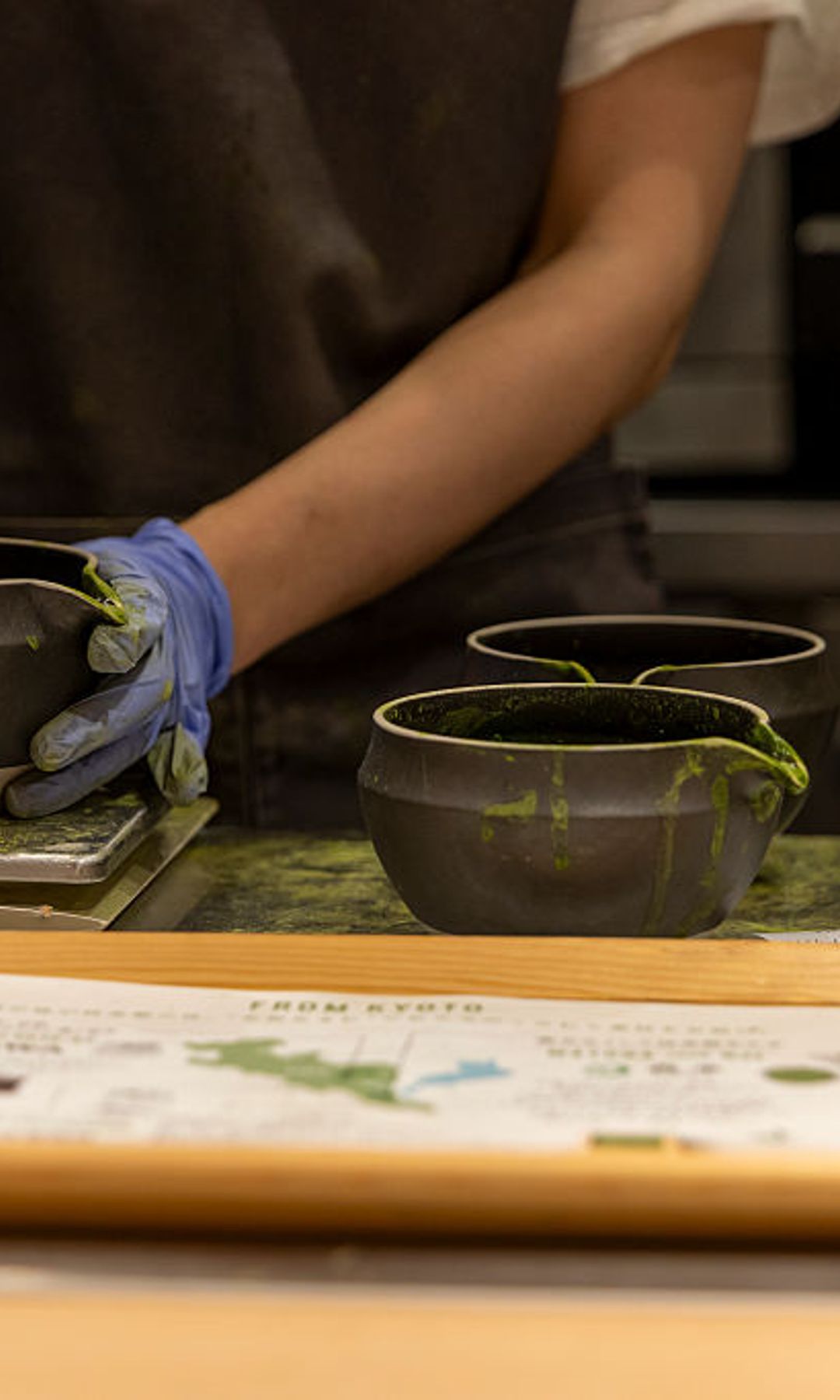
Another highlight was taking part in a traditional Tea Ceremony. As a true matcha lover, I found the experience unforgettable. In a serene tatami room, matcha is whisked and served with deliberate grace as the tea master explains the meaning behind each movement, a ritual that perfectly captures Kyoto’s quiet spirituality, discipline and appreciation for detail. And the best part? You can purchase some of the finest matcha to take home as a little taste of Japan.
From Banyan Tree Higashiyama, several of Kyoto’s most celebrated landmarks are just a short walk away, including Kiyomizu-dera, Kodai-ji, and Yasaka Shrine. I visited early one morning, when the air was still cool and the crowds had yet to arrive. Each temple was breathtaking, full of history, details and an unmistakable sense of peace. The perfect way to end the afternoon is by wandering through Ninenzaka, Kyoto’s beautifully preserved shopping street lined with wooden houses, tea rooms and sweet shops, a timeless snapshot of traditional Japan.
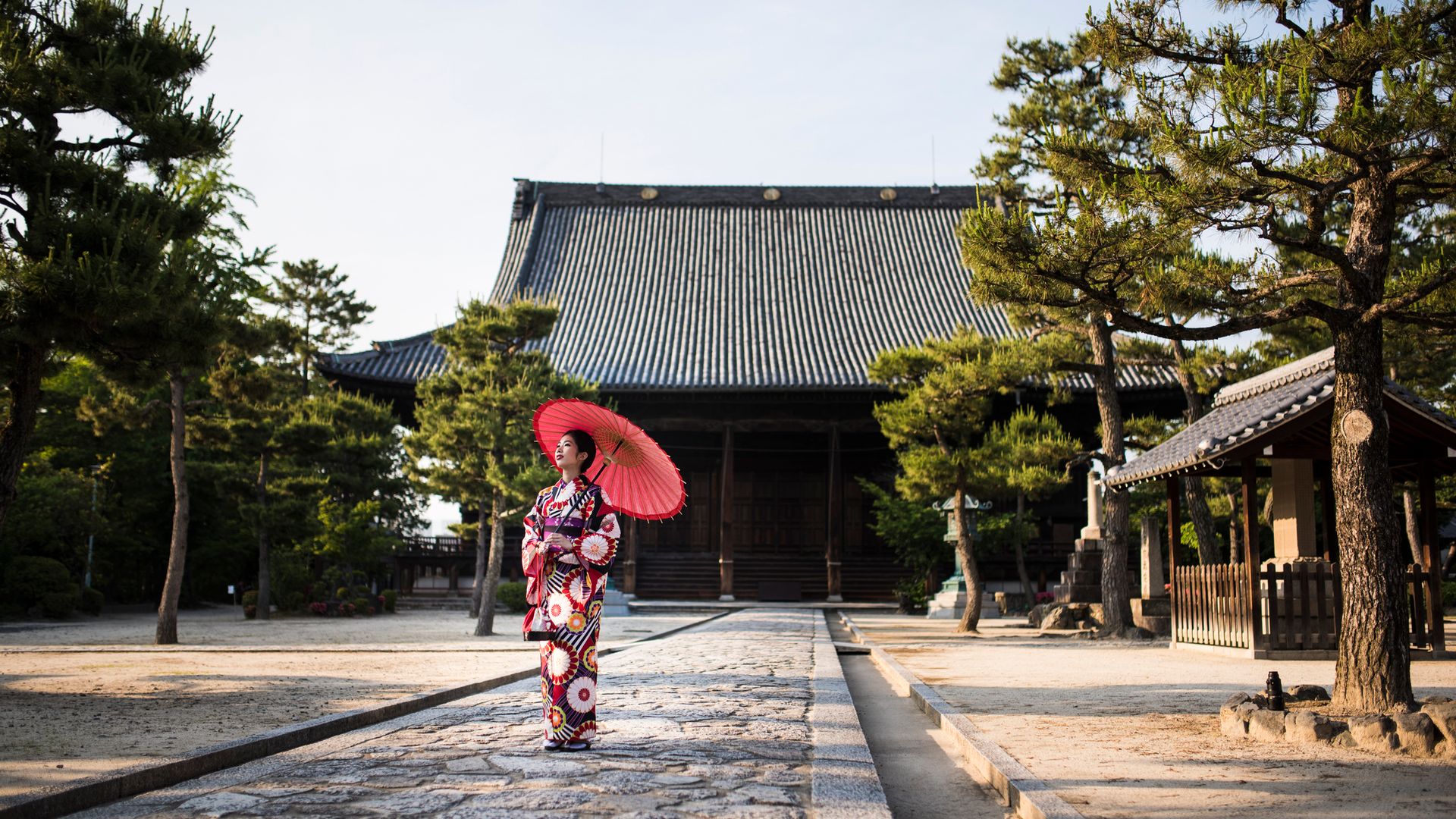 © Getty Images
For dinner, spend an evening in Pontocho Alley, one of Kyoto’s most atmospheric dining streets. Lined with traditional wooden restaurants that overlook the river, it’s the perfect place to enjoy local Kyoto cuisine and if you’re lucky, you might even spot a Maiko or Geisha gracefully passing by.
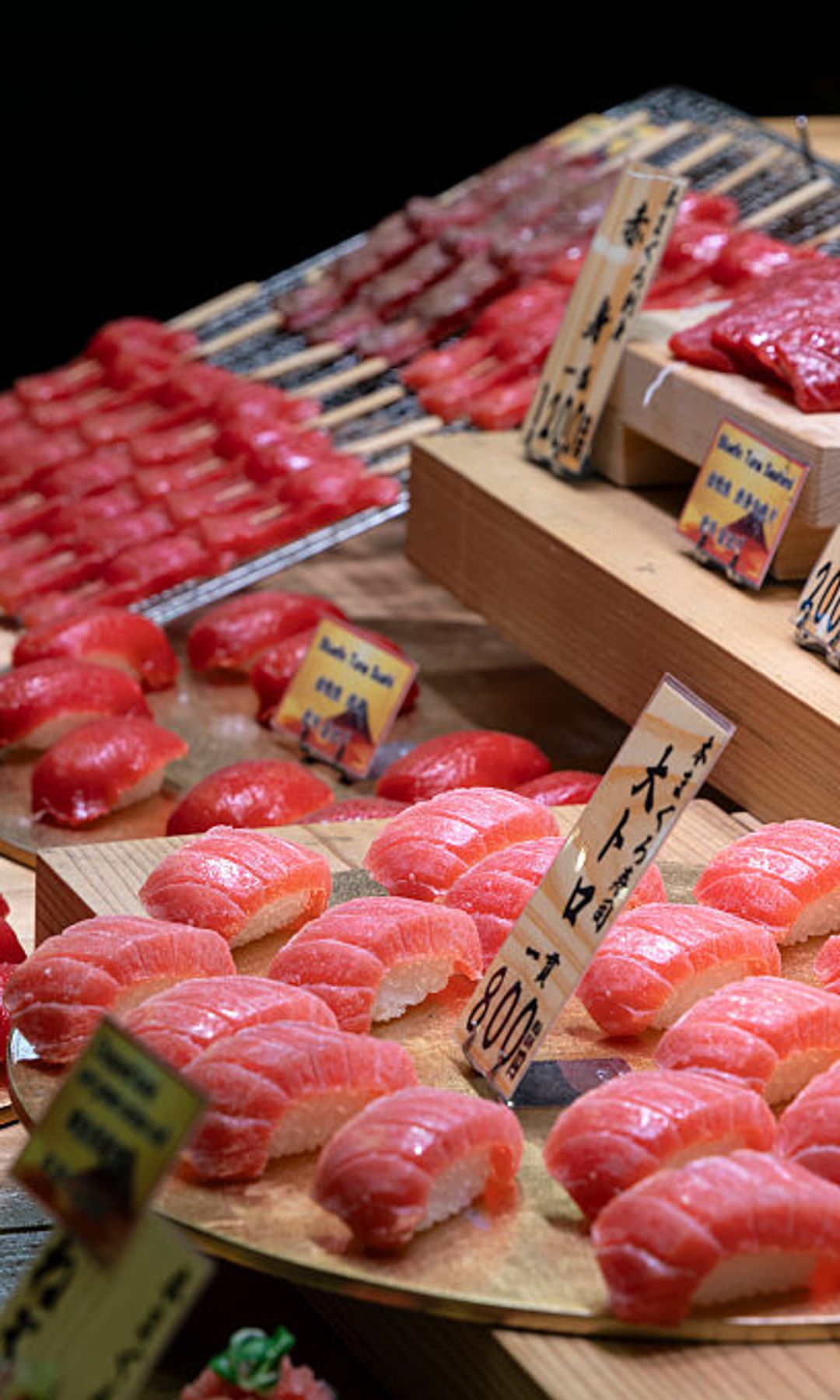
No visit is complete without exploring Nishiki Market, known locally as Kyoto’s Kitchen. It’s the perfect spot for lunch, with rows of food stalls offering freshly made gyoza, tempura, wagyu beef skewers, sushi and nigiri, alongside sweet treats and local delicacies. Some of the stalls are even recognised by the Michelin Guide. Between tastings, I stopped at a charming chopstick boutique, where you can choose your own design and have it engraved on the spot, a lovely keepsake from the trip.
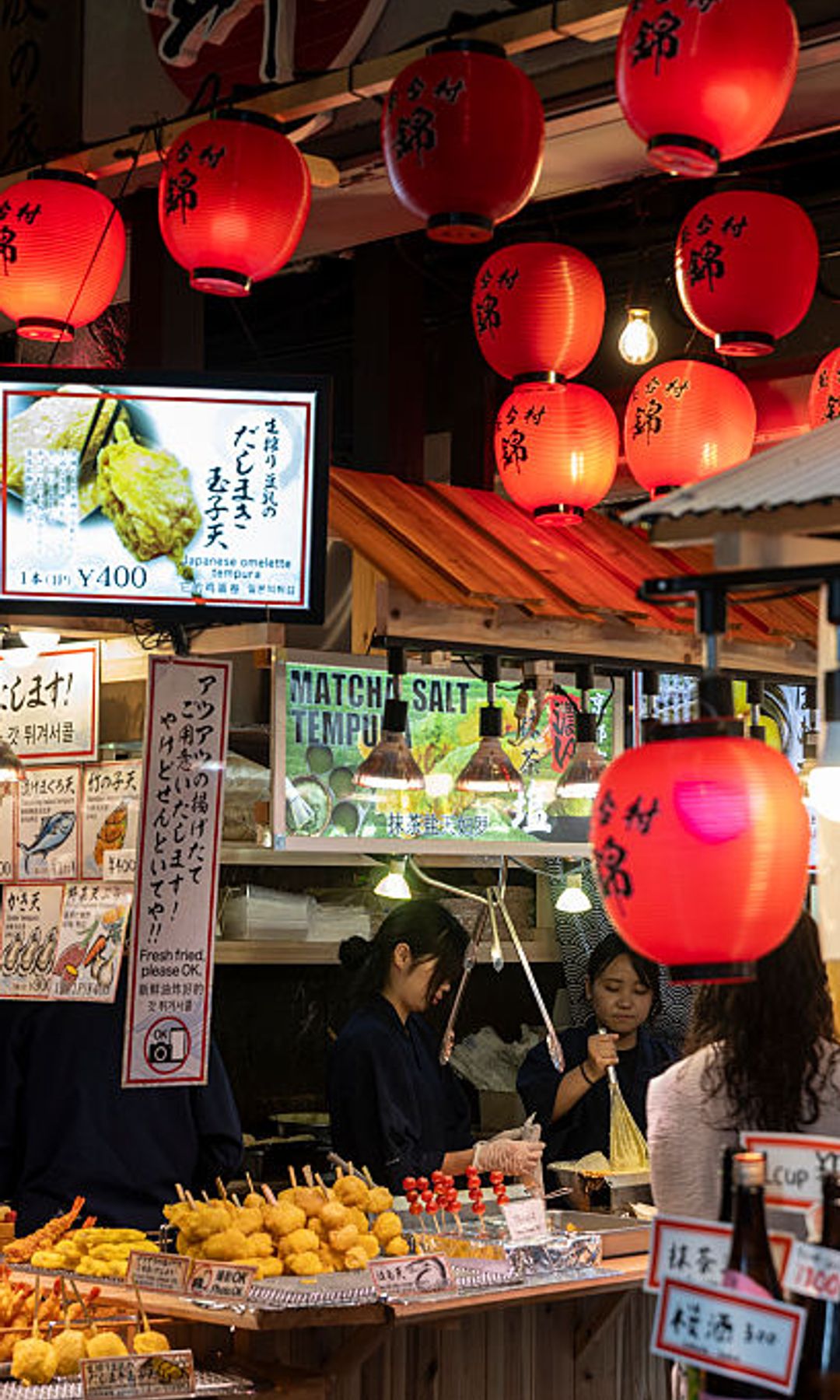 © Getty Images
 © Getty Images
 © Getty Images
For a change of scenery, set aside a full day to explore the Arashiyama district on Kyoto’s western edge. The Arashiyama Bamboo Grove is one of the most peaceful and ethereal places I’ve ever visited, tall bamboo swaying gently above quiet pathways. Nearby, the streets are filled with small shops and cafés, the scenic Katsura River runs through the heart of the district, and the Monkey Park offers panoramic city views (and a chance to meet the resident Japanese macaques). It’s a part of Kyoto that perfectly captures the balance between nature and tradition.
The Essentials
Stay: Banyan Tree Higashiyama Kyoto from around £900 per night; Garrya Nijo Castle Kyoto from £450. Both offer tranquil escapes with distinct atmospheres, one rooted in tradition, the other sleek and contemporary.
Getting there: The nearest international airport is Osaka Kansai, just over an hour away by train or car. If you’re already in Japan, Kyoto is easily accessible via bullet train (Shinkansen) from major cities such as Tokyo, Osaka, and Nagoya.
Best time to visit: September to November for golden autumn foliage, or March to April to catch the famous cherry blossom season.
Weather and packing tips: September can still be warm and humid, so pack light, breathable clothing. Comfortable shoes are essential, you’ll walk a lot, and spots like Arashiyama involve gentle hiking. Bring a light jacket or shawl for cooler evenings.
Cash and payments: While most restaurants and hotels accept cards and contactless payments, smaller temples, markets and family-run shops often only take cash, so keep some yen handy.
Local etiquette: Avoid eating or drinking on the streets, as it’s considered impolite, and you’ll notice there are no bins around.
Transport: Ubers and taxis are reliable and reasonably priced, but Kyoto’s public transport and walking routes are excellent if you prefer to explore at your own pace.
Shopping and souvenirs: Stock up on Japanese sweets and local snacks — they’re unique, beautifully packaged, and make the best souvenirs. The 7-Eleven chains in Japan are a must-visit for local treats and quick meals.
Beauty finds: Don’t leave without trying Japanese and Korean skincare. The quality is exceptional and prices are much lower than in Europe.
Luggage forwarding: Take advantage of Japan’s luggage delivery services (Takkyubin), which let you send bags between hotels affordably, perfect if you’re travelling across multiple cities.
Kyoto is one of those rare cities that stays with you. It slows you down, reconnects you with yourself and reminds you of the beauty in stillness. I left with a deep appreciation for Japan’s culture, people and gentle way of life, and I can’t wait to return to explore more of this extraordinary country.
Ready to experience Kyoto for yourself? Book your stay at the tranquil Banyan Tree Higashiyama or the calming minimalist retreat Garrya Nijo Castle.
AloJapan.com