
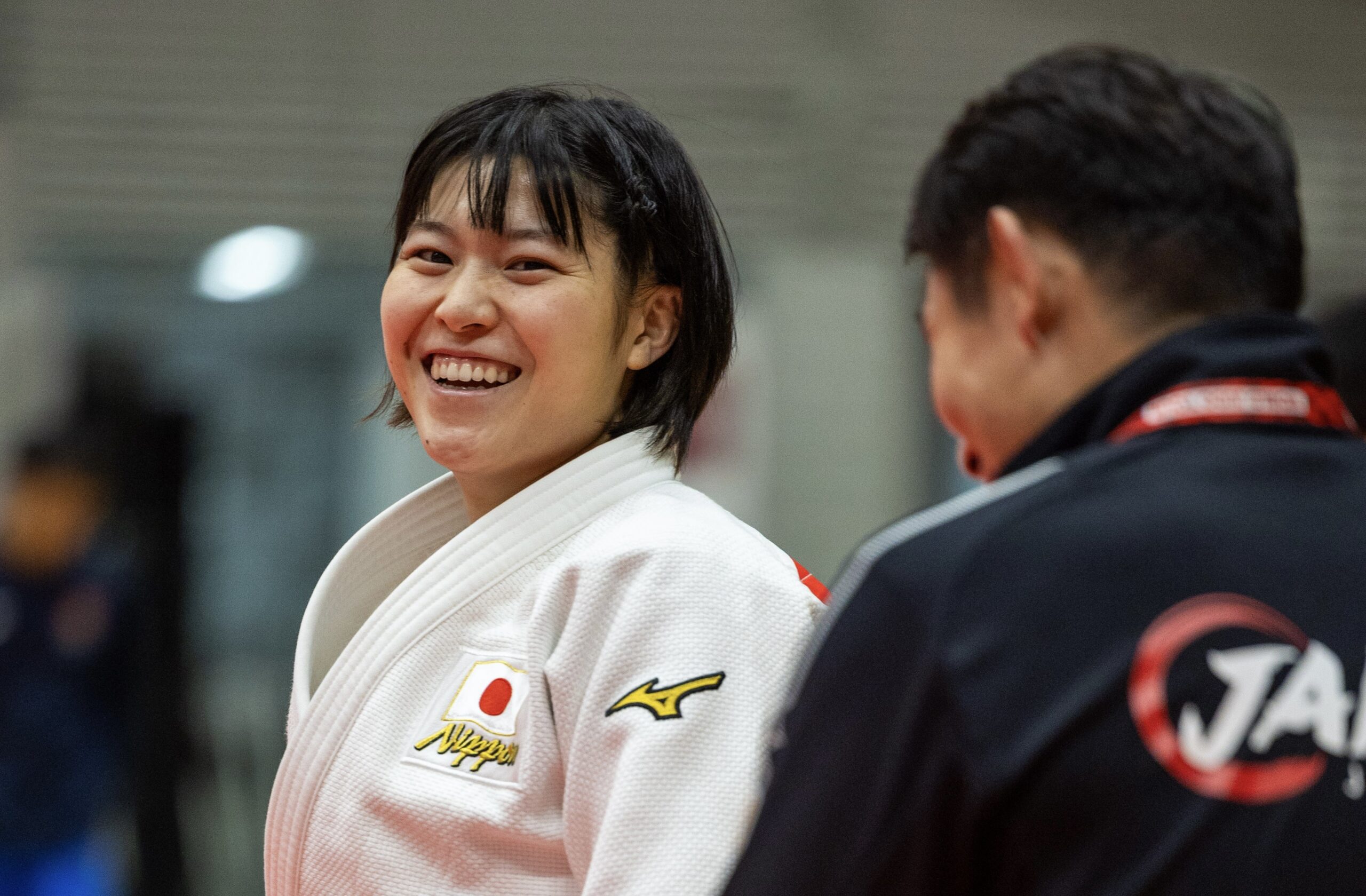
Do you ever wonder what coaches are saying to their athletes just before they arrive on the tatami of the Tokyo Metropolitan Gymnasium? The Tokyo Grand Slam is a big deal, a lot of media attention, a lot of spectators, it’s not easy. For the Japanese it must be both exhilarating and nerve-racking; wanting to give their best in front of a home crowd, committed to not disappointing their friends and family who may be close by in the stands.
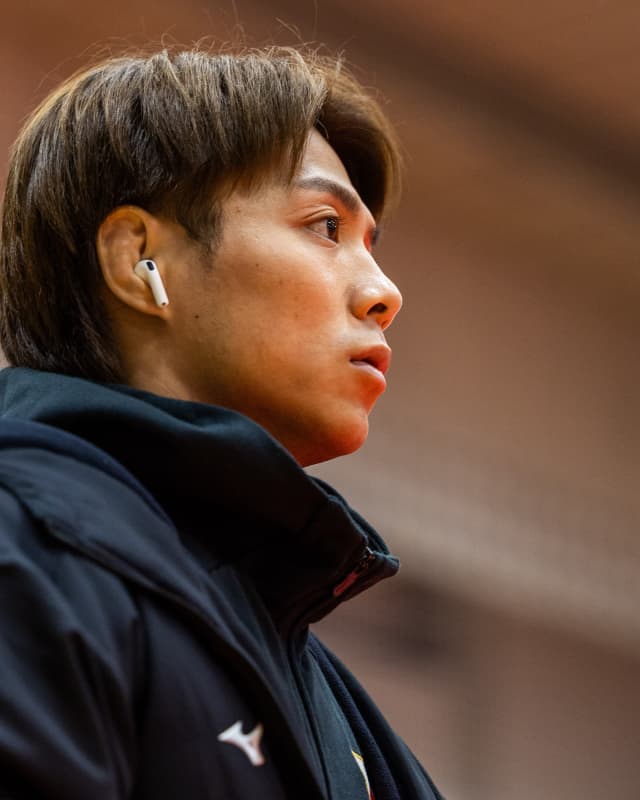
Hifumi Abe (JPN) in the warm-up room in Tokyo.
So, how do the Japanese coaches prepare their athletes for such a task? Japanese National Coach Maki Tsukada knows the task very well. She won gold in Tokyo in 2009 in the prestigious heavyweight category and was also both world and Olympic champion. Now she has a new remit.

Japanese national coach Maki Tsukada in her compeition days: 2010 World Championships.
“It all depends on the players. If an athlete is already a big star, perhaps they have enough experience, they have a strong feeling for judo and different situations. For Abe Uta, for example, we trust her feeling and can just watch the performance at the edge of the tatami. Perhaps we just keep track of small things within the fights, fight management, to talk about later,” says Tsukada.
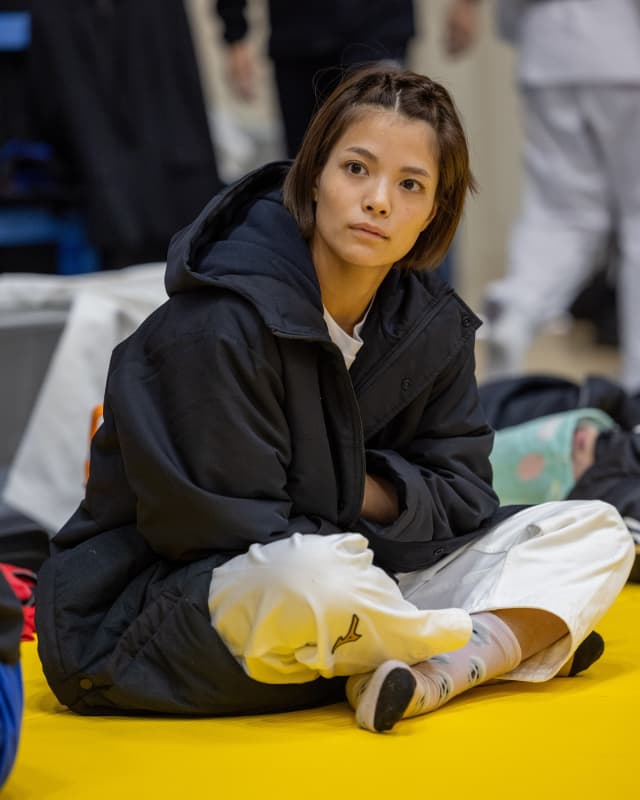
Uta Abe.
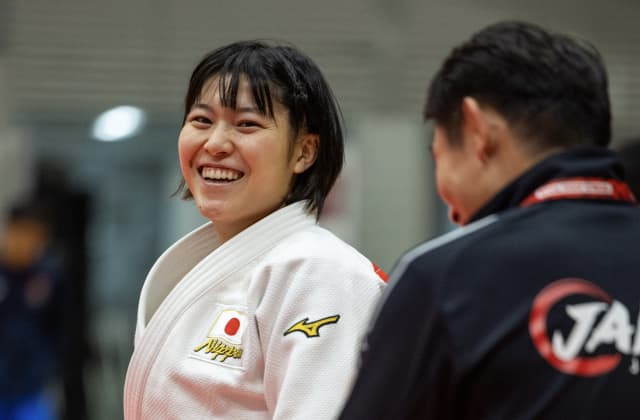
Shiho Tanaka.
“For the younger ones with less experience, we try to help them make good technical decisions and remind them to keep their head up, stay positive and be mindful of different styles, especially European styles. We remind them to be careful with the distance and space, to protect the space between them and their opponent. Sometimes they need a little nudge to stay focused in their first match.”
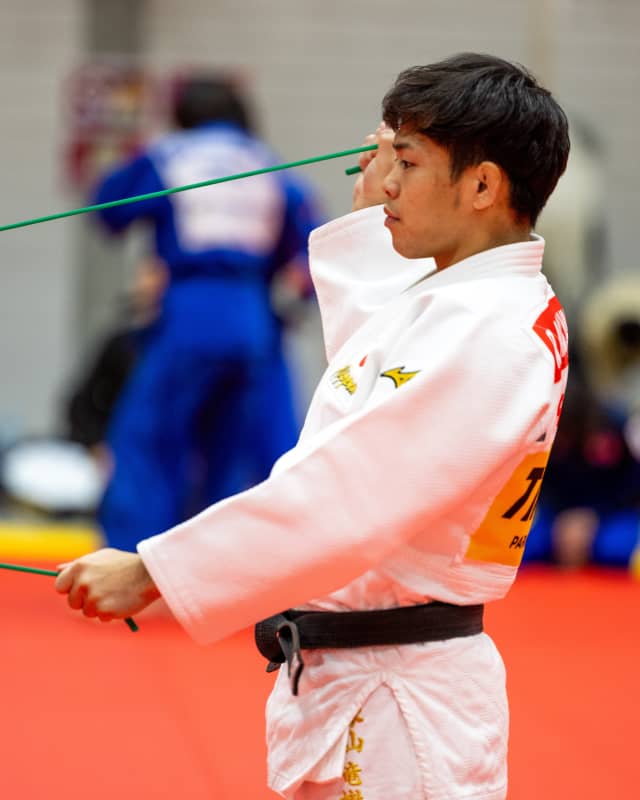
Nagayama in the warm-up room in Tokyo.
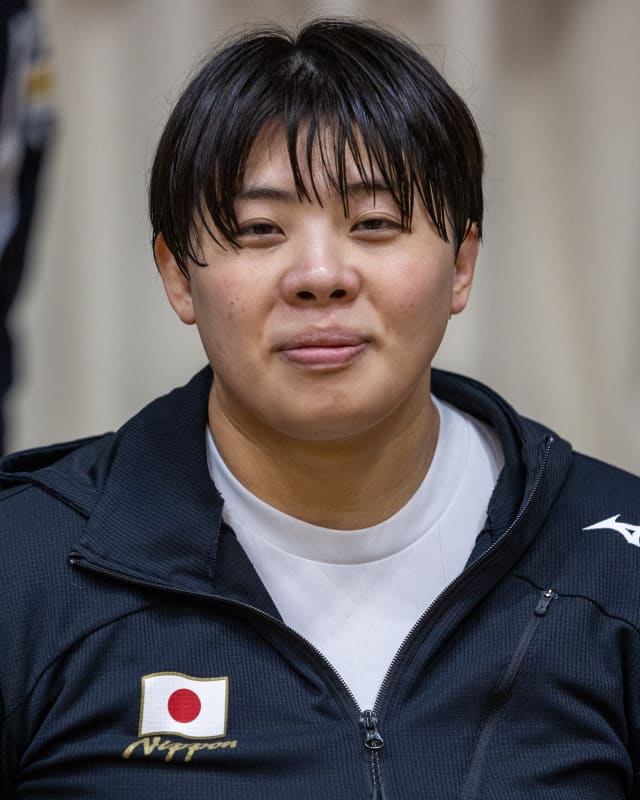
Akira Sone.
Their individual approach to each athlete is clearly working. Five gold medals on day one from a total of 19 medals is a staggering haul. Yes, there are 4 Japanese judoka entered into each category but numbers alone do not make prizes, only good judo and strong psychology can do that.
AloJapan.com